 Pregledaj u prostoru
 Pošalji
 Podeli
 Detalji o delu

 Преузми
 Slični predmeti
 Rendgenski snimak
 Slajdovi
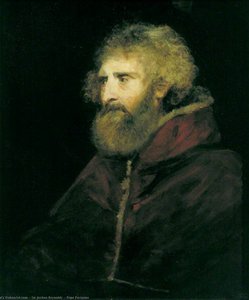
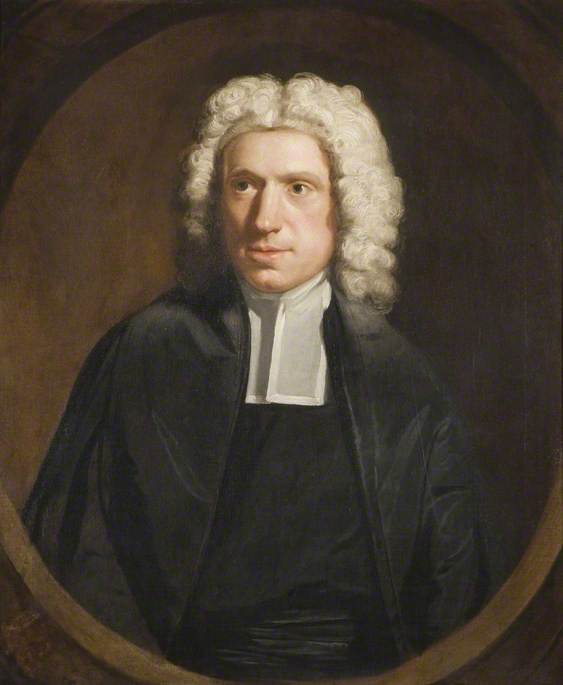
The Reverend William Beele (1704–1757)


 Pročitaj više
Giclee štampa / Umetnički otisak
Giclée štampa ili print na platnu muzejskog kvaliteta uz brzu proizvodnju i fleksibilne opcije završne obrade. ( Kupi ručno naslikanu sliku Kupi digitalnu sliku)




P118B $10

P118H $10

P118W $10

P438Z $10

P508JH $12

P508YH $12

P805H $10

P805Z $10

P919BZ $10

P919G $10

P919XJ $10

P959ZH $10

P968JZ $12

W106C $8

W218G $10

W218JH $8

W218Y $10

W307PJ $10

W316G $10

W316PJ $8

W316Y $10

W398PJ $8

W4111J $10

W500HY $15

W500JH $15

W692G $12

W849H $8

W940BG $15

W953PJ $8




Izaberite jednu od naših unapred definisanih veličina koje odgovaraju originalnim proporcijama umetničkog dela.

Možete uneti sopstvene dimenzije kako biste umetničko delo prilagodili specifičnom okviru ili prostoru. Ako odabrani format ne odgovara proporcijama originalne slike, mi ćemo ili iscrtati deo dela ili proširiti sliku pomoću ogledane ivice ili jednobojnog popunjavanja. Digitalni prikaz će vam biti poslat na odobrenje pre početka proizvodnje.
Imajte na umu da pregled na ekranu ne odražava stvarno iscrtavanje ili proširivanje. Samo će prikaz (mockup) precizno pokazati finalnu kompoziciju.
Iako su prilagođene dimenzije dostupne, preporučujemo da odaberete dimenziju sa unapred definisane liste kako biste očuvali originalne proporcije.
Dostava širom sveta () za 2 nedelje umesto uobičajenih 4/5 nedelja. (7 септембар)

Besplatna ekspresna dostava širom sveta

Visokokvalitetno laneno platno

Kompletno osiguranje transporta

Garancija povraćaja carine i uvoznih dažbina

Garancija vernosti boja

Politika povraćaja u roku od 100 dana (isključivo u slučaju nedostataka)

Garancija povrata novca od 100%

Popust pri grupnoj kupovini
 Opcija sa staklom dostupna je samo za dimenzije manje od 110 cm

The Reverend William Beele (1704–1757)
Giclee štampa / Umetnički otisak
Dimenzije reprodukcije
-


Konačna cena
$ 62
Sir Joshua Reynolds’s Portrait of The Reverend William Beele: A Window into Georgian Society
Joshua Reynolds's "The Reverend William Beele (1704–1757)," painted in 1748-1749, is more than just a likeness; it’s a meticulously crafted tableau of Georgian society, imbued with the intellectual and artistic currents of the Enlightenment. This portrait, now housed at The Barber Institute of Fine Arts, offers a captivating glimpse into the life of a clergyman, revealing not only his individual character but also the values, aspirations, and social dynamics of the era. Reynolds, already establishing himself as the leading portraitist in London, masterfully employed his signature “Grand Style,” prioritizing idealized beauty and carefully constructed narratives to elevate his subjects beyond mere representation.
The painting itself is a study in restrained elegance. The Reverend Beele sits within an implied architectural setting – a subtly suggested stone niche that frames him like a sacred space. His pose, reminiscent of the Apollo Belvedere, a celebrated Roman sculpture embodying ideal male beauty, immediately establishes a connection to classical antiquity and elevates his status. Reynolds’s skill lies not just in capturing the details of Beele's features—the neatly trimmed beard, the thoughtful gaze, the dignified bearing—but also in creating an atmosphere of quiet contemplation. The muted palette – dominated by browns, greys, and creams – contributes to this sense of solemnity and gravitas, reflecting the Reverend’s role as a spiritual leader.
Reynolds's Technique: A Masterclass in Composition and Light
Reynolds’s technique is characterized by its remarkable realism combined with an undeniable artistic sensibility. He meticulously rendered Beele’s clothing – the rich fabrics of his coat, the delicate lace at his cuffs – demonstrating a keen eye for detail and a deep understanding of material textures. The artist's use of light is particularly noteworthy; it’s not merely illuminating the subject but sculpting his form, highlighting key features and creating subtle gradations of tone. Notice how the light catches the folds of his garment, adding depth and volume to the composition. Reynolds employed a technique known as “sfumato,” softening edges and blending colors to create an atmospheric effect that enhances the sense of realism while simultaneously imbuing the portrait with a certain ethereal quality.
Furthermore, the background is deliberately blurred, drawing all attention to Beele himself – a deliberate choice that underscores his importance within the scene. This technique, combined with the carefully orchestrated composition, creates a powerful focal point and reinforces the Reverend’s commanding presence. The painting's dimensions—76 x 64 cm—are perfectly proportioned, contributing to its overall sense of balance and harmony.
Historical Context: A Portrait of an Age
To fully appreciate “The Reverend William Beele,” it’s essential to understand the historical context in which it was created. The mid-18th century was a period of profound social, political, and intellectual change in Britain – the era of the Enlightenment. Reynolds's art reflected this shift, embracing classical ideals while simultaneously engaging with contemporary trends. Portraits like this one were not simply representations of individuals; they were carefully constructed statements about status, wealth, and virtue. The Reverend Beele’s attire and demeanor communicated his piety, respectability, and social standing – qualities highly valued within Georgian society.
The painting also offers a glimpse into the role of religion in shaping public life. Beele's position as a clergyman highlights the significant influence of the Church of England during this period. Reynolds’s portrayal suggests that religious leadership was not only a matter of spiritual guidance but also a marker of social prestige and authority.
Symbolism and Emotional Impact
Beyond its technical brilliance, “The Reverend William Beele” is rich in symbolism. The reference to the Apollo Belvedere speaks to ideals of masculine beauty, strength, and divine inspiration – qualities associated with religious leaders and figures of authority. Beele’s contemplative gaze invites viewers to contemplate his inner life and consider his role within the community. The painting evokes a sense of quiet dignity and solemn reflection, prompting us to pause and appreciate the complexities of Georgian society.
Reproductions of this masterpiece offer an opportunity to bring its elegance and intellectual depth into any setting. Whether adorning a study, a library, or a formal dining room, “The Reverend William Beele” serves as a timeless reminder of the enduring power of portraiture to capture not only likeness but also the spirit of an age.
Srodna umetnička dela
Biografija umetnika
Sir Joshua Reynolds (1723 - 1792): Leading British portrait painter of the 18th century & first Royal Academy President
Born in 1723 in the quaint Devonshire town of Plympton, Sir Joshua Reynolds emerged as a pivotal figure during a period of immense cultural transformation in Britain. His father, Reverend Samuel Reynolds, instilled in him a love for learning and intellectual pursuits, initially steering young Joshua towards a scholarly path. However, an undeniable artistic inclination soon surfaced, leading to his apprenticeship with Thomas Hudson in London at the age of seventeen. This formative experience provided Reynolds with a solid foundation in portraiture—a genre that would define his illustrious career. Hudson’s studio was a bustling hub of fashionable society, exposing Reynolds to the demands and expectations of aristocratic patrons, shaping not only his technique but also his understanding of the social landscape he would come to depict so masterfully. It wasn't merely about capturing likeness; it was about constructing an image that reflected status, taste, and aspiration.Early Life and Artistic Formation
Reynolds attended the Plympton grammar school of which his father, a clergyman, was master. The young Reynolds became well read in the writings of classical antiquity and throughout his life was to be much interested in literature, counting many of the finest British authors of the 18th century among his closest friends. Reynolds early aspired to become an artist, and in 1740 he was apprenticed for four years in London to Thomas Hudson, a conventional portraitist and the pupil and son-in-law of Jonathan Richardson. In 1743 he returned to Devon and began painting at Plymouth naval portraits that reveal his inexperience. Returning to London for two years in 1744, he began to acquire a knowledge of the old masters and an independent style marked by bold brushwork and the use of impasto, a thick surface texture of paint, such as in his portrait of Captain the Honourable John Hamilton (1746). This early exposure to Hudson’s workshop profoundly influenced Reynolds' artistic sensibilities—a connection that would endure throughout his career.The Influence of Raphael and Michelangelo: Embracing the ‘Grand Style’
Reynolds didn’t simply replicate what he learned from Hudson. He embarked on a journey of artistic exploration, fueled by a deep admiration for the Old Masters—particularly Raphael, Michelangelo, and Titian. A pivotal moment in his development was a sojourn to Rome in 1750, where he immersed himself in classical art and absorbed the principles of the ‘Grand Style’ – an approach that prioritized idealized beauty, dramatic composition, and historical or mythological allusions. Artists like Raphael and Michelangelo served as beacons of artistic excellence, inspiring Reynolds to elevate British painting beyond mere representation—to imbue it with a sense of dignity and intellectual weight previously unseen. He believed that portraits should not just record physical appearances but also reveal the sitter's character and social standing. This ambition led him to incorporate elements of history painting into his work, often depicting his subjects in elaborate costumes or staged settings reminiscent of classical narratives.Rome and Artistic Innovation: Establishing a Distinctive Technique
Reynolds’ meticulous study of Roman sculpture and painting solidified his conviction that British art needed to emulate the grandeur and sophistication of its continental counterparts. He experimented tirelessly with pigments and glazes, striving to achieve luminous effects and subtle tonal gradations—techniques he had observed firsthand in Rome. His distinctive brushwork—characterized by bold strokes and textured surfaces—became a hallmark of his style, distinguishing him from many of his contemporaries. The influence of Rembrandt van Rijn and Anthony van Dyck was also palpable in Reynolds’ oeuvre, demonstrating his mastery of chiaroscuro—the dramatic interplay of light and shadow—a technique perfected by the Dutch Baroque masters. He sought to capture not just what he saw but what he *felt*, conveying emotion and psychological complexity through carefully crafted visual narratives.A Legacy of Patronage and Artistic Leadership
Reynolds’s success as a portrait painter brought him considerable acclaim and attracted the patronage of wealthy aristocrats—including William Cavendish, Duke of Devonshire, who commissioned numerous portraits showcasing Reynolds' skill in capturing aristocratic grandeur. He was elected the first president of the Royal Academy of Arts in 1768—a position he held until his death in 1792—transforming British art into a respected profession and establishing an institution dedicated to fostering artistic talent and promoting national identity. Reynolds tirelessly advocated for the importance of art education and championed the recognition of artists as professionals deserving of respect and patronage. His annual Discourses – lectures delivered to Academy students – became seminal texts on artistic theory and practice, outlining his vision for a distinctly British school of painting. He regarded history painting, which typically represents mythological or religious subjects, as the noblest work of the painter, but the popularity of his portraits resulted in him producing comparatively few works of this type. Reynolds’s enduring legacy rests not only on his artistic achievements but also on his transformative role in shaping the cultural landscape of Britain—a testament to his unwavering belief in the power of art to inspire and elevate humanity. His paintings continue to captivate audiences with their elegance, psychological depth, and historical significance—a reminder that true artistry transcends time itself.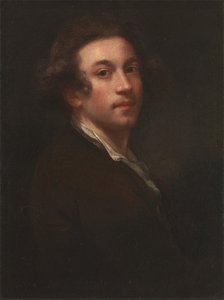
Џорџ Хајмс Ројс
1723 - 1792 , Уједињено Краљевство
Osnovne informacije
- Artistic Movement Or Style: Grand Stil
- Artists Or Movements Influenced By This Artist: ['Thomas Gainsborough']
- Artists Who Influenced This Artist: ['Thomas Hudson']
- Date Of Birth: 1723
- Full Name: Sir Joshua Reynolds
- Nationality: Britanski umetnik
- Notable Artworks:
- Peter Darnell Muilman...
- Mr and Mrs William Lindow
- Portrait of John Hayes...
- Place Of Birth: Plymouth, UK
Povezani članci
Sir Joshua Reynolds' Masterpieces: 25 Portraits of Power & Refinement | ArtsDot
Explore 25 captivating portraits by Sir Joshua Reynolds, a master of British art. Discover stories behind his iconic paintings, elegant style & historical influence. Find museum-quality reproductions and elevate your home decor on ArtsDot.com.
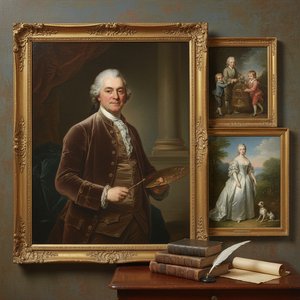
Sir Joshua Reynolds: Shaping British Art Through Grand Style & Societal Portraiture
Explore the life & work of Sir Joshua Reynolds, a master of British portraiture and founder of the Royal Academy. Discover his 'Grand Style,' techniques, and lasting influence on art history. Learn more at ArtsDot.

Neo-Classicism's Greatest Hits: 10 Masterpieces for Your Home |
Journey through Neo-Classicism's finest! Explore 10 iconic masterpieces by David, Ingres & Canova. Discover art history, techniques & timeless beauty – perfect for inspiring your home decor. Find museum-quality reproductions at
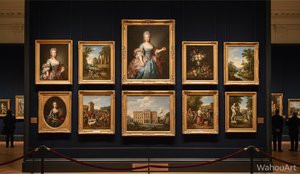
18th Century Masters: 10 Artworks That Define an Era | ArtsDot
Journey through 18th century art! Explore 10 iconic paintings – from Rococo elegance to Neoclassical grandeur. Discover Fragonard, David & more. Find museum-quality reproductions and elevate your home decor on ArtsDot.com.
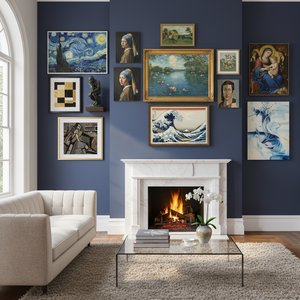
Elegant Art: 10 Masterpieces for a Refined Home |
Indulge in elegance with our Top 10 artworks! Explore masterpieces by Monet, Rembrandt & more. Discover timeless beauty, rich history & inspiring color palettes for your home decor. Find museum-quality art reproductions at .