

 Pregledaj u prostoru
 Pošalji
 Podeli
 Detalji o delu

 Преузми
 Slični predmeti
 Rendgenski snimak
 Slajdovi
 Stats
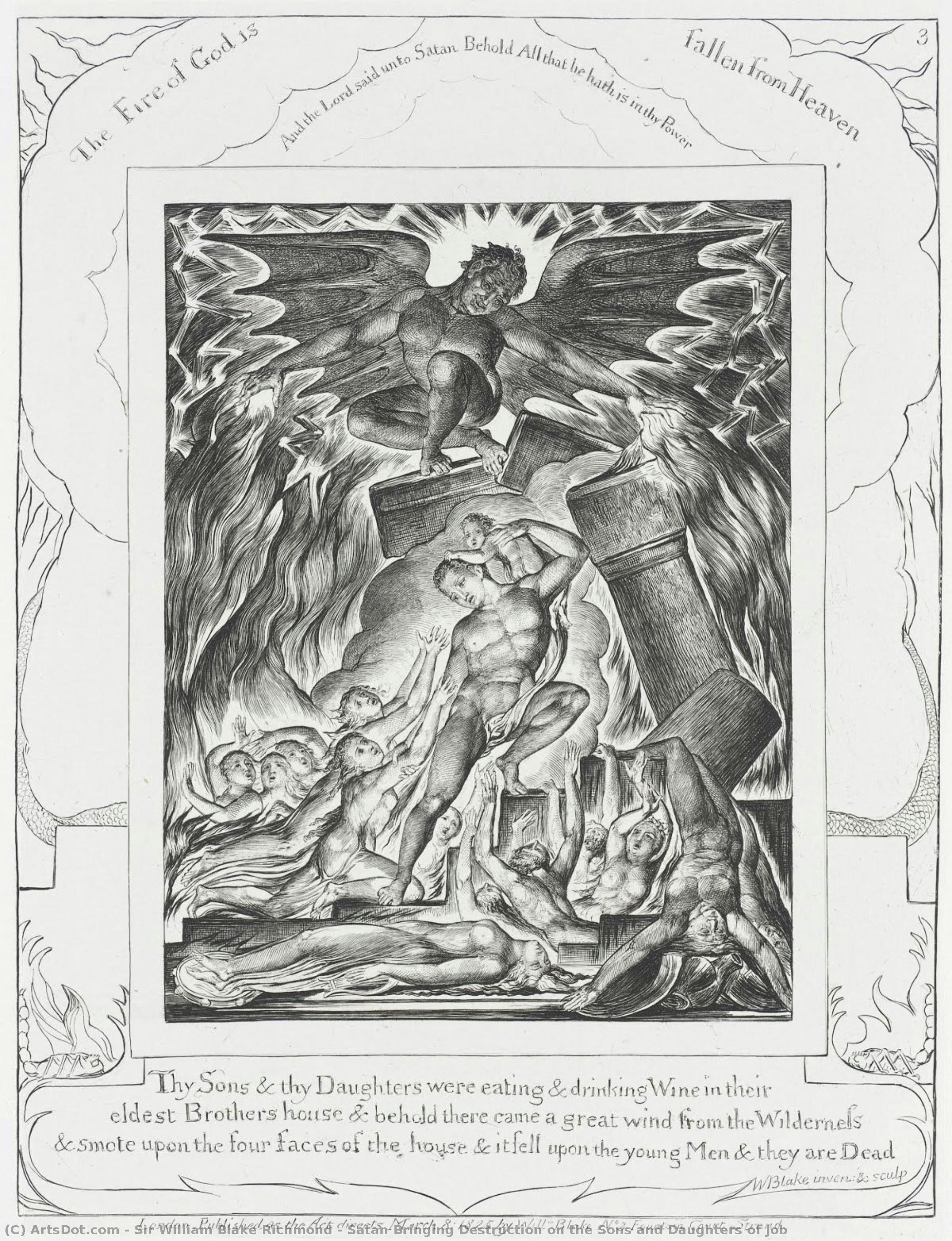
StatsSatan Bringing Destruction on the Sons and Daughters of Job
 Engraving
- WallArt
- Romanticism
 1825
1825- 19th Century
 19.0 x 14.0 cm
 Los Angeles County Museum of Art
 Pročitaj više
Ručno rađena uljana reprodukcija
Ručno oslikano uljanim bojama na platnu u dimenzijama i okviru po vašem izboru, izrađeno po porudžbini od strane naših umetnika. ( Switch to Print Switch to Digital Image)




P118B $10

P118H $10

P118W $10

P438Z $10

P508JH $12

P508YH $12

P805H $10

P805Z $10

P919BZ $10

P919G $10

P919XJ $10

P959ZH $10

P968JZ $12

W106C $8

W218G $10

W218JH $8

W218Y $10

W307PJ $10

W316G $10

W316PJ $8

W316Y $10

W398PJ $8

W4111J $10

W500HY $15

W500JH $15

W692G $12

W849H $8

W940BG $15

W953PJ $8




Izaberite jednu od naših unapred definisanih veličina koje odgovaraju originalnim proporcijama umetničkog dela.

Можете унети сопствене димензије како бисте прилагодили дело одређеном оквиру или простору. Ако одабрана величина не одговара пропорцијама оригинала, слика ће бити исечена или проширена додатним елементима који се ручно насликавају. Дигитални prikaz ће вам бити послат на одобрење пре почетка производње.
Имајте на уму да преглед на екрану не одражава стварно исецање или проширење. Само приказ (mockup) ће тачно приказати коначну композицију.
Иако су доступне прилагођене величине, препоручујемо да одаберете димензију из дефинисане листе како бисте сачували оригиналне пропорције.
Nakon narudžbine, tim ArtsDot.com će klijentu putem e-pošte poslati uputstva i dostaviti prikaz predloženog rešenja
Isporuka širom sveta () za 3/4 nedelje umesto uobičajenih 5 nedelja. (7 септембар). Bez kompromisa po pitanju kvaliteta.

Besplatna ekspresna dostava širom sveta

Visokokvalitetno laneno platno

Kompletno osiguranje transporta

Garancija povraćaja carine i uvoznih dažbina

Garancija vernosti boja

Politika povraćaja u roku od 100 dana (isključivo u slučaju nedostataka)

Garancija povrata novca od 100%

Popust pri grupnoj kupovini
 Opcija sa staklom dostupna je samo za dimenzije manje od 110 cm

Satan Bringing Destruction on the Sons and Daughters of Job
Tehnika reprodukcije
Dimenzije reprodukcije
-


Konačna cena
$ 438
Satan Bringing Destruction on the Sons and Daughters of Job – A Romantic Vision of Suffering
The engraving “Satan Bringing Destruction on the Sons and Daughters of Job,” created by Sir William Blake Richmond in 1825, stands as a haunting testament to Romantic artistic sensibilities and a profound exploration of biblical themes. Produced during a period marked by fervent spiritual inquiry and an embrace of emotion over rationalism—the Aesthetic Movement’s precursor—this artwork transcends mere depiction; it strives to convey the visceral experience of divine judgment and the agonizing consequences of misplaced faith. Richmond's masterful use of etching technique, combined with his unwavering commitment to Blakean principles of line engraving, elevates this print beyond a simple illustration into a complex symbolic meditation on human vulnerability and moral responsibility.Composition and Technique: A Dance of Chaos
Richmond’s compositional strategy immediately establishes a dramatic tension. The central figure—Satan—descends from the upper right corner with forceful momentum, wielding an enormous dark object that crushes the figures below representing Job's children. This dynamic movement is countered by swirling patterns reminiscent of flames and wind, enveloping the scene and reinforcing the sense of impending devastation. Richmond’s meticulous attention to detail—evident in the expressive lines delineating musculature and clothing—is characteristic of Romantic art’s preoccupation with capturing psychological depth alongside visual grandeur. The engraver's burin tool meticulously etched lines into a copper plate, creating tonal variations that imbue the image with palpable texture and luminosity. Hatching and cross-hatching techniques skillfully define forms and contribute to the overall mood of oppressive darkness.Symbolism: Darkness Versus Light – Faith Tested
The artwork’s symbolism resonates deeply within the framework of biblical narrative and Romantic thought. Satan embodies evil temptation, representing a challenge to Job's unwavering belief in God—a belief that Richmond portrays as fundamentally flawed due to its adherence solely to legalistic observance. The crushed figures symbolize innocence and vulnerability, confronting the destructive force unleashed by divine retribution. Swirling patterns evoke chaos and torment, mirroring Job’s internal struggle with despair and anguish. Furthermore, Richmond incorporates quotations from scripture—particularly those emphasizing God's compassion—to underscore the transformative potential of spiritual enlightenment. This juxtaposition highlights the Romantic conviction that art should grapple with profound moral dilemmas and illuminate the human condition.Historical Context: Aestheticism and Blakean Influence
Richmond’s work emerged during a pivotal moment in British artistic history – the burgeoning Aesthetic Movement, which championed beauty as an end in itself and rejected didactic narratives. Influenced by William Blake's visionary aesthetic—characterized by mystical symbolism and expressive line engraving—Richmond sought to capture not merely what he saw but what he felt. The print’s stylistic echoes of Blake’s oeuvre underscore Richmond’s commitment to conveying emotion with uncompromising honesty, mirroring the Romantic impulse to confront existential anxieties. Its creation coincided with a broader cultural preoccupation with exploring themes of suffering and redemption, reflecting the intellectual currents shaping Victorian society.Emotional Impact: A Portrait of Despair
“Satan Bringing Destruction on the Sons and Daughters of Job” succeeds in eliciting a powerful emotional response from the viewer. The pervasive gloom—achieved through masterful use of tonal shading—captures the palpable horror of Job’s predicament, conveying the devastating consequences of misplaced faith. Richmond's expressive lines communicate anguish and terror, immersing the audience in the psychological drama unfolding before their eyes. Ultimately, this artwork serves as a poignant reminder of humanity’s susceptibility to evil and the imperative for genuine spiritual transformation—a theme that continues to resonate with audiences today.Srodna umetnička dela
Biografija umetnika
Rani period i uticaji
Sir Vilijam Blejk Richmond, čuveni engleski slikar i portretista, rođen je 28. marta 1809. godine u Ujedinjenom Kraljevstvu. Njegovo ranije doba obeležilo je prisustvo grupe „Antičari“ (The Ancients), zajednice vernika vizionarskog pesnika i umetnika Vilijama Blejka. Ovaj duboki uticaj jasno se nazire u Richmondovim ranim delima, kao što su Abel pastir i Hrist i Samarijanka, koji su izloženi u Kraljevskoj akademiji još 1825. godine.Zlatna doba karijere
Kako je Richmond sazrevao, izgradio je uspešnu karijeru portretiste, vešto hvatajući samu suštinu britanske gentry, plemstva i kraljevskog roda. Njegov rad karakteriše izuzetna pažnja posvećena detaljima i neverovatna sposobnost da kroz platno prenese jedinstvenu ličnost svog modela. Među najznačajnija dela koja svedoče o njegovom majstorstvu u pokretu romantizma ubrajaju se Drveće u Bocca d'Arno i Kruna mira.Značajne veze i putovanja
Njegova umetnička potraga vodila ga je kroz Evropu; tako je 1828. godine otputovao u Pariz kako bi usavršio znanje o umetnosti i anatomiji, provodeći zimu u školama i bolnicama. Tokom svojih putovanja, doživeo je i sudbonosne susrete, poput onog sa Boj Brumelom u Kaleu, koji je ostavio trag u njegovom životu. Takođe, bliska povezanost sa lordom Sidmotom donela mu je dragocene savete, ali i priliku da naslika portret ovog plemića, koji se danas čuva u Nacionalnoj portretnoj galeriji.Nasleđe i završne godine
Iako su njegove kasnije godine donele pomak ka konvencionalnijim portretima, Richmondovo nasleđe kao vrhunskog portretiste ostaje neprevaziđeno. Preminuo je 19. marta 1896. godine, ostavivši za sobom bogat korpus dela koji i danas neprestano inspiriše umetnike i ljubitelje umetnosti širom sveta.- Pogledajte umetnička dela Sir Vilijama Blejka Richmonda na ArtsDot: https://ArtsDot.com/@/sir-william-blake-richmond
- Istražite kolekciju Britanskog saveta, koja sadrži radove čuvenih umetnika poput Morisa Luisa, Vilijama Larkina i Alison Vat: /sr/art/show/art-d3ckkb-sr/
- Saznajte više o grupi „Antičari“ i njihovom uticaju na Richmondov rad: https://en.wikipedia.org/wiki/the_ancients
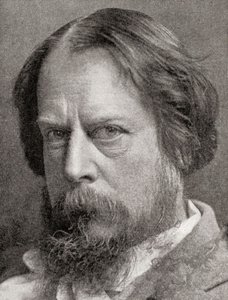
Sir Vilijam Blejk Richmond
1809 - 1896 , Ujedinjeno Kraljevstvo
Osnovne informacije
- Artistic Movement Or Style: Romantizam
- Artists Or Movements Influenced By This Artist: ['Pre-rafaelizam']
- Artists Who Influenced This Artist: ['Vilijam Blejk']
- Date Of Birth: 28. mart 1809.
- Date Of Death: 19. mart 1896.
- Full Name: Sir Vilijam Blejk Richmond
- Nationality: Britanac
- Notable Artworks:
- Drveće u Bocca d'Arno
- Kruna mira
- Place Of Birth: Brompton, Ujedinjeno Kraljevstvo
Povezani članci

Angelo Chiacchio: A Mid-Century American Illustration Master & the Rise of Commercial Art
Explore the captivating world of Angelo Chiacchio, a master of mid-century American illustration. Discover his evolution, signature style, and lasting impact on commercial art & design. Learn about his legacy at the Museum of American Illustration.
Edmund Dulac: A Master of Golden Age Illustration – Exploring Myth, Symbolism & Art Nouveau Legacy
Explore the captivating world of Edmund Dulac, a master of Golden Age illustration! Discover his enchanting fairy tales, Art Nouveau style, and lasting influence on art & design. Learn about *The Rubaiyat* and more.
The Refined Aesthetic of Victorian Illustration: A Study in Narrative & Technique
Explore the captivating world of Victorian illustration! Discover Pre-Raphaelite influences, key artists like Rossetti & Stephens, and the era's rich narrative detail. A deep dive for art enthusiasts.
Harold Copping: A Life Depicted – Exploring the Narrative Power of a Golden Age Illustrator
Explore the life and art of Harold Copping, renowned for his beautiful biblical illustrations and Victorian depictions. Discover the story behind 'The Copping Bible' and his lasting impact on religious art history.
Kay Rasmus Nielsen: A Golden Age Illustrator's Enchanting Legacy of Symbolism & Narrative
Explore the captivating world of Kay Rasmus Nielsen, a celebrated Golden Age illustrator renowned for his Art Nouveau fairy tale art & Disney contributions. Discover his unique style, enduring legacy, and how to collect his enchanting works.