

 Pregledaj u prostoru
 Pošalji
 Podeli
 Detalji o delu

 Преузми
 Slični predmeti
 Rendgenski snimak
 Slajdovi
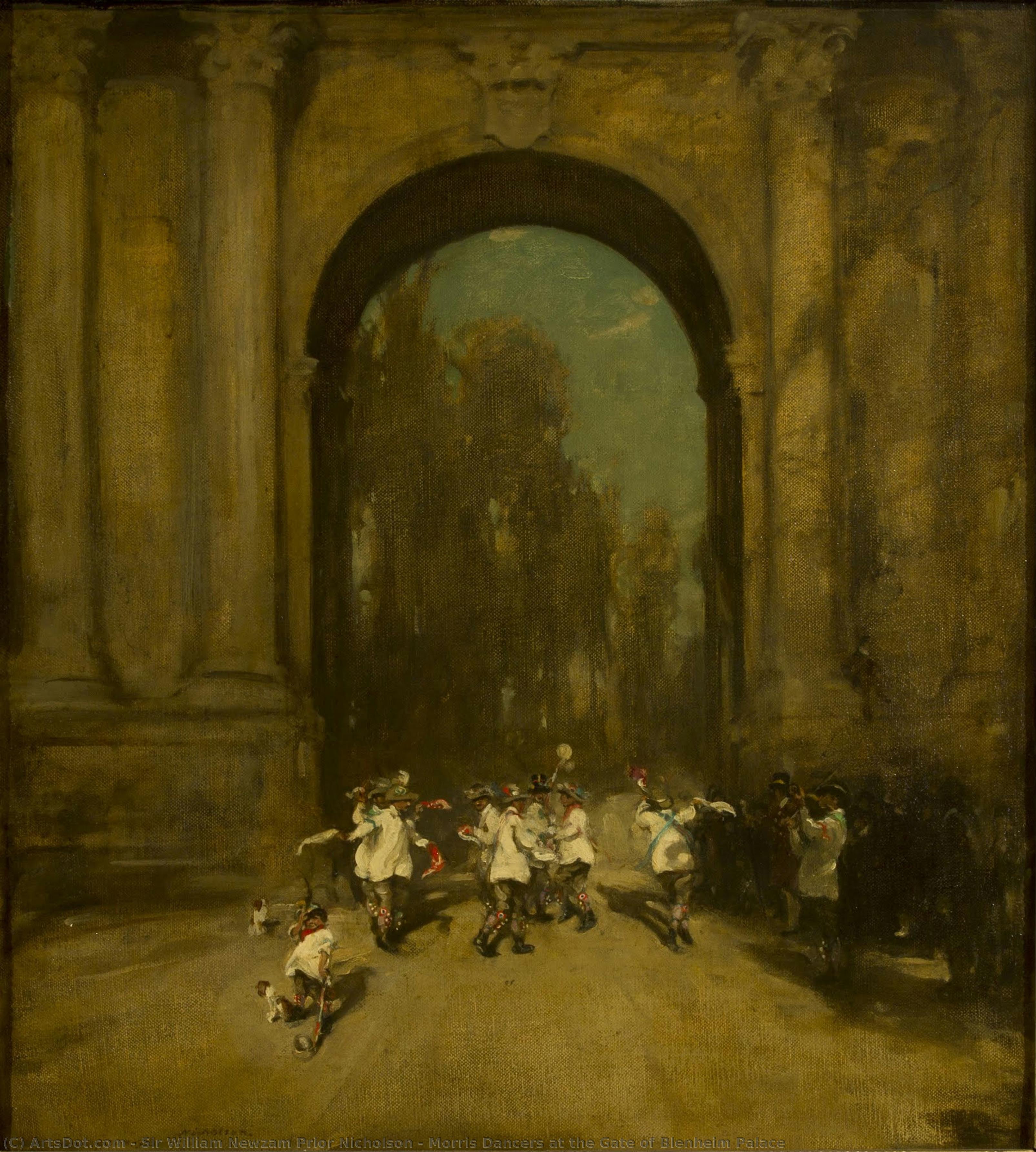
Morris Dancers at the Gate of Blenheim Palace


 Pročitaj više
Giclee štampa / Umetnički otisak
Giclée štampa ili print na platnu muzejskog kvaliteta uz brzu proizvodnju i fleksibilne opcije završne obrade. ( Kupi ručno naslikanu sliku Kupi digitalnu sliku)




P118B $10

P118H $10

P118W $10

P438Z $10

P508JH $12

P508YH $12

P805H $10

P805Z $10

P919BZ $10

P919G $10

P919XJ $10

P959ZH $10

P968JZ $12

W106C $8

W218G $10

W218JH $8

W218Y $10

W307PJ $10

W316G $10

W316PJ $8

W316Y $10

W398PJ $8

W4111J $10

W500HY $15

W500JH $15

W692G $12

W849H $8

W940BG $15

W953PJ $8




Izaberite jednu od naših unapred definisanih veličina koje odgovaraju originalnim proporcijama umetničkog dela.

Možete uneti sopstvene dimenzije kako biste umetničko delo prilagodili specifičnom okviru ili prostoru. Ako odabrani format ne odgovara proporcijama originalne slike, mi ćemo ili iscrtati deo dela ili proširiti sliku pomoću ogledane ivice ili jednobojnog popunjavanja. Digitalni prikaz će vam biti poslat na odobrenje pre početka proizvodnje.
Imajte na umu da pregled na ekranu ne odražava stvarno iscrtavanje ili proširivanje. Samo će prikaz (mockup) precizno pokazati finalnu kompoziciju.
Iako su prilagođene dimenzije dostupne, preporučujemo da odaberete dimenziju sa unapred definisane liste kako biste očuvali originalne proporcije.
Dostava širom sveta () za 2 nedelje umesto uobičajenih 4/5 nedelja. (27 август)

Besplatna ekspresna dostava širom sveta

Visokokvalitetno laneno platno

Kompletno osiguranje transporta

Garancija povraćaja carine i uvoznih dažbina

Garancija vernosti boja

Politika povrata u roku od 60 dana (samo u slučaju nedostataka)

Garancija povrata novca od 100%

Popust pri grupnoj kupovini
 Opcija sa staklom dostupna je samo za dimenzije manje od 110 cm

Morris Dancers at the Gate of Blenheim Palace
Giclee štampa / Umetnički otisak
Dimenzije reprodukcije
-


Konačna cena
$ 62
Opis predmeta
The Dance and the Landscape: William Nicholson’s Evocation of Rural England
William Nicholson's "Morris Dancers at the Gate of Blenheim Palace," painted in 1903, isn’t merely a depiction of a folk dance; it’s a carefully constructed tableau brimming with historical resonance and a subtle commentary on Britain’s evolving identity. The painting captures a vibrant scene unfolding before the imposing grandeur of Blenheim Palace, Winston Churchill's ancestral home, yet the focus is firmly drawn to the energetic figures engaged in the ancient tradition of Morris dancing. Nicholson, a painter deeply rooted in Oxfordshire’s artistic landscape, skillfully blends elements of Whistlerian atmosphericism with a distinctly English sensibility, creating an image that speaks volumes about the nation’s yearning for its past.
The scene itself is meticulously rendered – not with photographic realism, but with a deliberate sense of heightened color and movement. The dancers, clad in their iconic red, white, and green costumes, are a riot of joyful energy against the muted browns and greens of the surrounding landscape. Notice how Nicholson doesn’t attempt to capture every individual detail; instead, he uses broad brushstrokes and carefully considered composition to convey the collective spirit of the event. The placement of the dog on the left adds an element of rustic charm, a silent observer of this timeless ritual.
Whistler's Influence and the Palette’s Subtlety
It’s impossible to view "Morris Dancers" without acknowledging the significant influence of James McNeill Whistler, a contemporary artist known for his atmospheric paintings. Nicholson, having studied under Whistler in Paris, adopted some of the latter’s techniques – particularly his use of color and tonal harmony. The painting's palette is deliberately restrained; the bright hues of the dancers’ costumes are juxtaposed with the cooler tones of the background, creating a visual tension that draws the eye and emphasizes the dynamism of the scene. The subtle gradations of light and shadow, reminiscent of Whistler’s work, contribute to a sense of mood and atmosphere – not simply a record of an event, but a feeling evoked by it.
Furthermore, Nicholson's choice of colors is deeply symbolic. Red, white, and green are the traditional colors of Morris dancing costumes, representing passion, purity, and prosperity respectively. These vibrant hues stand in stark contrast to the earth tones of the landscape, suggesting a deliberate separation between the fleeting joy of the dance and the enduring stability of the countryside.
A Reflection of Victorian England’s Nostalgia
“Morris Dancers” is inextricably linked to the broader cultural context of late 19th-century Britain. Following the rapid industrialization and urbanization that transformed the nation, there was a growing sense of nostalgia for rural life and traditional customs. The Victorian era witnessed a renewed interest in folklore, folk music, and folk art – a desire to reconnect with a perceived simpler past. Nicholson’s painting taps directly into this trend, romanticizing the Morris dance as a symbol of English heritage and community spirit.
The fact that the dancers were invited to perform at Blenheim Palace, Churchill's ancestral home, adds another layer of significance. It suggests a deliberate attempt by the aristocracy to embrace and celebrate the traditions of the common people – a gesture of goodwill and a recognition of the importance of rural life in shaping British identity. This painting, therefore, becomes more than just a depiction of a dance; it’s a visual embodiment of Victorian England's complex relationship with its past.
A Legacy Preserved: Nicholson’s Enduring Masterpiece
“Morris Dancers at the Gate of Blenheim Palace” holds a unique place in art history, standing as the only oil painting by Sir William Nicholson to be permanently displayed in North America. Its enduring appeal lies not just in its technical skill and evocative imagery, but also in its ability to capture a fleeting moment in time – a vibrant celebration of English tradition that continues to resonate with viewers today. It’s a testament to Nicholson's artistic vision and his profound understanding of the cultural landscape he inhabited.
Srodna umetnička dela
Biografija umetnika
Rani Život i Umetnički Početci
Sir Vilijam Nuzam Prajor Nikolson, rođen u Newark-on-Trentu 1872. godine, израстао је у средини која је спојила индустријску практичност са естетичком осетљивошћу. Његов отац, успешан инжењер и конзервативни посланик, усадио му је осећај дисциплине, док га је мајчина породица повезивала са традицијама Оксфордшира. Од раног узраста, Николсон је показивао дар за уметност, негујван часовима код Вилијама Каблија, локалног сликара који је и сам трагао за својим коренима у раду Сира Џошуе Рејнолдса. Ово рани контакт поставио је темеље каријери која ће обухватити различите медијуме и стилове. Кратка стажирања у уметничкој школи Хуберта фон Херкомера била су пресудна, не само за усавршавање његових вештина, већ и за упознавање са Мејбел Прајд, која ће постати његова супруга и незаменљива сарадница. Управо кроз Мејбел је Николсон упознао њеног брата, Џејмса Прајда, партнерство које ће ускоро револуционисати свет графичког дизајна.Бегерстафси и Револуција у Постерском Уметништву
Сарадња Вилијама Николсона и Џејмса Прајда, позната као “J. & W. Beggarstaff,” обележила је преломну тачку у британској визуелној култури. Оdbacujući преовладећу орнаментну естетику викторијанских постера, прихватили су смелу једноставност карактерисану изражајним силуетама, равним површинама боје и намерним одбацивањем традитивне перспективе. Њихови дизајни нису били само рекламе; они су били изјаве – моћни, графички композиције које су заробљивале машту јавности. Постери за продукције као што је “Дон Кихот” и публикације попут “Harper’s Magazine” постали су одмах препознатљиви, утичући на генерацију уметника и дизајнера. Ово раздобље није било само о комерцијалној уметности; радило се о редефинисању визуелне комуникације саме по себи. Рад Бегерстафса изазвао је конвенције, отварајући пут модерном графичком дизајну и успоставивши Николсонову репутацију као иноватора. Њихов утицај одјекује далеко ван оквира постера, утичући на илустрацију, па чак и сликање са његовим акцентом на јакој форми и намерној композицији.Од Дрвореза до Портрета: Развој Стилова
Након распада партнерства Бегерстафс, Николсон је кренуо у период стилске екстраваганције. Упутио се ка дрворезу и дрвеногравури, техникама које су му омогућиле да додатно прочисти своју мајсторску вештину линије и форме. Подстакнут угледним Џејмсом Макнил Вислером, прихватио је ове методе, производећи сложене и евокативне штампе које су демонстрирале његову растућу уметничку зрелост. Ова дела показала су изванредну способност да захвате суштину уз минималне детаље – квалитет који ће постати обележје његовог стила. Истовремено, Николсон је започео да се етаблира као портретиста, добијајући поруџбине од истакнутих личности те епохе. Његови портрети нису били само ликови; они су били проницљиве студије карактера, откривајући унутрашње животе својих субјеката кроз суптилне нијансе израза и позе. Радови попут *Госпођа у крзну, Госпођа П.* оличавају ову вештину, заробљавајући не само физички изглед, већ и осећај личности и друштвеног статуса.Природа мртве природе, Пејзажи и Трајан Заоставштина
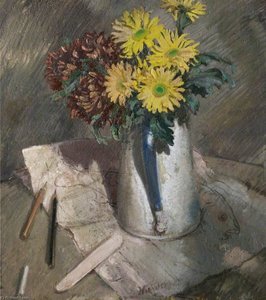
У каснијим фазама своје каријере, Николсон се све више фокусирао на сликарство природе мртве природе и пејзажа. Његове природа мртве природе, као што је *Посуда из Лоустофта*, слављење су изузетне пажње посвећене детаљима, хармоничних палета боја и тихег осећаја интимности. Унео је обичне предмете у поетичан квалитет, уздижући их изван саме репрезентације да би постали симболи лепоте и контемплације. Његови пејзажи, често приказујући сцене са његових путовања у Шпанију и Италију, откривају осетљивост на светлост и атмосферу, заробљавајући суштину места уз изузетну вештину. Током свог живота, Николсон је остао свестрани уметник, стално експериментишући са новим техникама и приступима. Аутор је дечјих књига, дизајнирао за позориште и наставио да производи штампе уз своја сликања. Утицај Сира Вилијама Николсона протеже се ван његовог пролифичног рада; инспирисао је генерације уметника посвећеношћу занатству, иноваторским духом и способношћу да пронађе лепоту у обичном. Његов рад остаје сведочанство моћи уметности да осветли људско искуство и трансформише нашу перцепцију света око нас. *Преминуо је 1949.* године, остављајући за собом богато уметничко наслеђе које наставља да одушевљава и инспирише данас.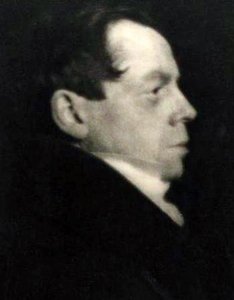
Vilijam Nikolson
1872 - 1949 , Ujedinjeno Kraljevstvo
Osnovne informacije
- Artistic Movement Or Style: Stil života, portret
- Artists Or Movements Influenced By This Artist: Moderni grafički dizajn
- Artists Who Influenced This Artist:
- James Pryde
- Whistler
- Date Of Birth: 5. februar 1872.
- Date Of Death: 16. maj 1949.
- Full Name: Sir William Newzam Prior Nicholson
- Nationality: Britanski
- Notable Artworks:
- Gospođa u krznu
- Posuda iz Lowestofta
- Plaza de toros, Malaga
- Place Of Birth (City And Country): Newark, Ujedinjeno Kraljevstvo
Povezani članci
Sir William Nicholson: A Study in Post-Impressionist Portraiture & Decorative Modernism
Explore the life & work of Sir William Nicholson, a pivotal British Post-Impressionist painter. Discover his striking portraits, innovative woodcuts, and lasting influence on early 20th-century art. Expert insights for collectors.
William Henry Pyne: A Topographical Vision of Early 19th-Century England – Art, Society & Watercolour's Rise
Explore the captivating world of William Henry Pyne (1769-1843), a key figure in early 19th-century English art. Discover his stunning watercolours, architectural studies & contribution to the rise of watercolour painting. Learn about this fascinating artist's life and legacy.
Ben Nicholson OM: Modernism's Abstract Pioneer & the Poetics of Relief
Explore the revolutionary abstract art of Ben Nicholson OM. Discover his geometric masterpieces, collaborations with Barbara Hepworth & investment potential. Expert insights for collectors.
Sir William Blake Richmond: A Visionary of Aestheticism & Symbolism
Explore the life & art of Sir William Blake Richmond, a pivotal figure bridging Pre-Raphaelitism and Aestheticism. Discover his stunning portraits, mosaics at St Paul's Cathedral, and lasting influence on Victorian art.
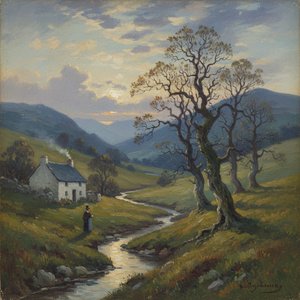
Penry Williams: Evoking Welsh Nostalgia Through Impressionistic Landscapes
Explore the captivating world of Penry Williams (1802-1885), a Welsh artist renowned for his evocative Impressionistic landscapes and scenes of Italy. Discover his life, style & legacy with ArtsDot.

