

 Pregledaj u prostoru
 Pošalji
 Podeli
 Detalji o delu

 Преузми
 Slični predmeti
 Rendgenski snimak
 Slajdovi
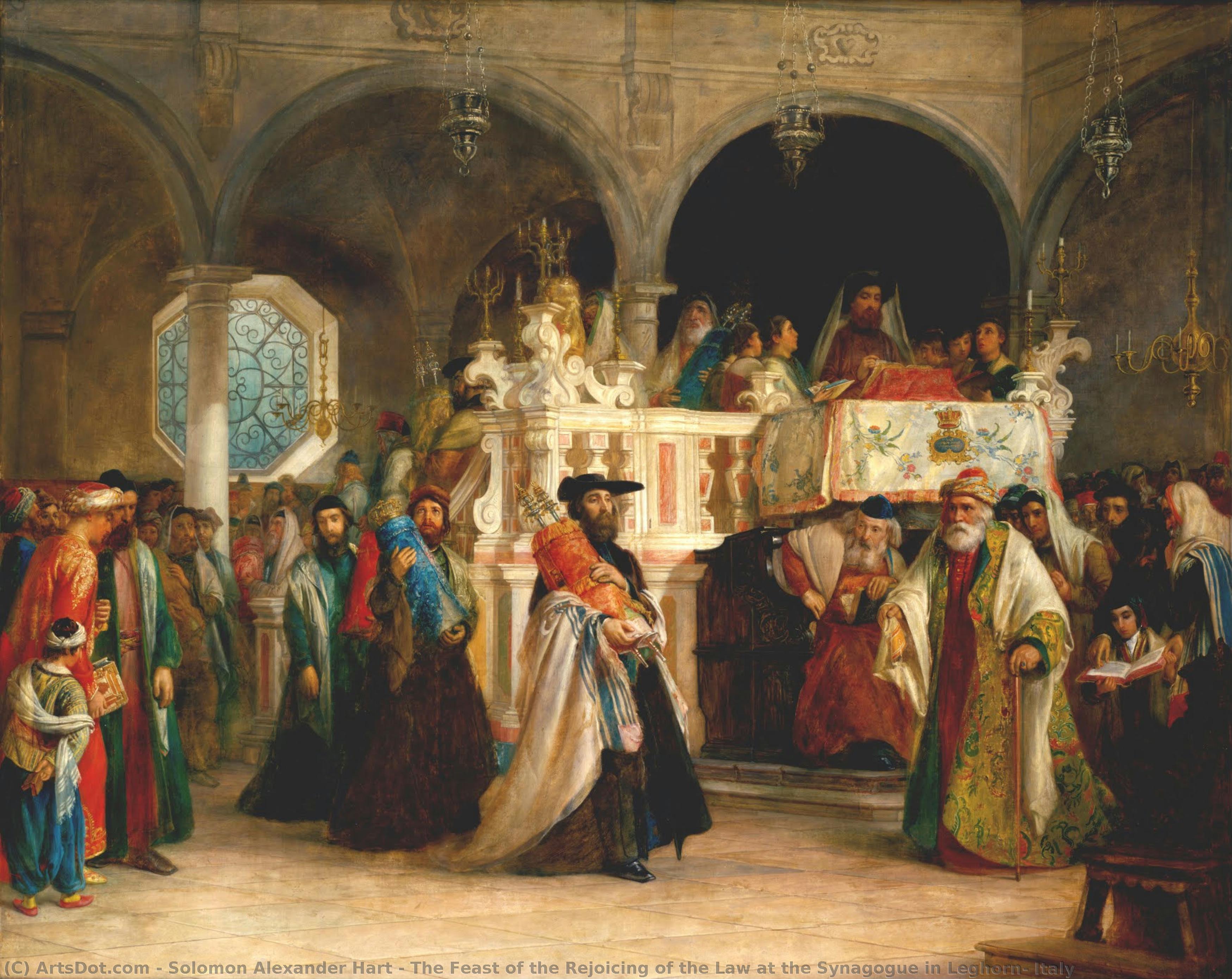
The Feast of the Rejoicing of the Law at the Synagogue in Leghorn, Italy
 Oil On Canvas
- WallArt
- Romanticism
 1850
1850 1746.0 x 1413.0 cm
 Jevrejski muzej
 Pročitaj više
Giclee štampa / Umetnički otisak
Giclée štampa ili print na platnu muzejskog kvaliteta uz brzu proizvodnju i fleksibilne opcije završne obrade. ( Kupi ručno naslikanu sliku Kupi digitalnu sliku)




P118B $10

P118H $10

P118W $10

P438Z $10

P508JH $12

P508YH $12

P805H $10

P805Z $10

P919BZ $10

P919G $10

P919XJ $10

P959ZH $10

P968JZ $12

W106C $8

W218G $10

W218JH $8

W218Y $10

W307PJ $10

W316G $10

W316PJ $8

W316Y $10

W398PJ $8

W4111J $10

W500HY $15

W500JH $15

W692G $12

W849H $8

W940BG $15

W953PJ $8




Izaberite jednu od naših unapred definisanih veličina koje odgovaraju originalnim proporcijama umetničkog dela.

Možete uneti sopstvene dimenzije kako biste umetničko delo prilagodili specifičnom okviru ili prostoru. Ako odabrani format ne odgovara proporcijama originalne slike, mi ćemo ili iscrtati deo dela ili proširiti sliku pomoću ogledane ivice ili jednobojnog popunjavanja. Digitalni prikaz će vam biti poslat na odobrenje pre početka proizvodnje.
Imajte na umu da pregled na ekranu ne odražava stvarno iscrtavanje ili proširivanje. Samo će prikaz (mockup) precizno pokazati finalnu kompoziciju.
Iako su prilagođene dimenzije dostupne, preporučujemo da odaberete dimenziju sa unapred definisane liste kako biste očuvali originalne proporcije.
Dostava širom sveta () za 2 nedelje umesto uobičajenih 4/5 nedelja. (4 септембар)

Besplatna ekspresna dostava širom sveta

Visokokvalitetno laneno platno

Kompletno osiguranje transporta

Garancija povraćaja carine i uvoznih dažbina

Garancija vernosti boja

Politika povrata u roku od 60 dana (samo u slučaju nedostataka)

Garancija povrata novca od 100%

Popust pri grupnoj kupovini
 Opcija sa staklom dostupna je samo za dimenzije manje od 110 cm

The Feast of the Rejoicing of the Law at the Synagogue in Leghorn, Italy
Giclee štampa / Umetnički otisak
Dimenzije reprodukcije
-


Konačna cena
$ 62
A Grand Celebration Captured in Oil on Canvas: Solomon Alexander Hart’s “The Feast of the Rejoicing of the Law at the Synagogue in Leghorn, Italy”
Solomon Alexander Hart's monumental painting, "The Feast of the Rejoicing of the Law at the Synagogue in Leghorn, Italy," stands as a testament to both artistic ambition and societal progress. Completed in 1850, this expansive oil on canvas transcends mere depiction; it embodies an atmosphere of opulent ceremony and intellectual contemplation—a rare confluence within Victorian art. Its sheer scale – measuring 1746 x 1413 cm – immediately commands attention, transporting the viewer into a richly furnished room brimming with symbolic significance.Subject Matter and Composition
The scene portrays a gathering of individuals within a synagogue in Leghorn, Italy—a location chosen deliberately to reflect Hart’s own Jewish heritage and subtly challenge prevailing prejudices against artistic representation by members of minority faiths. The central focus is undeniably a large bed positioned prominently at the heart of the room, suggesting not merely physical comfort but also perhaps representing spiritual repose or contemplation amidst celebration. Surrounding this focal point are figures dressed in elaborate attire—a deliberate stylistic choice indicative of Victorian grandeur and social status. Men and women alike occupy positions throughout the canvas, creating a dynamic interplay of movement and gesture that contributes to the painting’s overall sense of vibrancy.Style and Technique
Hart's artistic style aligns closely with Luminism, a burgeoning trend in British art at the time characterized by soft, diffused light and meticulous attention to detail. He skillfully employs glazing techniques—applying thin layers of translucent paint over underlying colors—to achieve remarkable luminosity and depth. The artist’s masterful brushwork captures subtle nuances of texture and form, particularly evident in the drapery of the figures and the decorative elements adorning the room. Notably, two clocks affixed to the wall serve as visual anchors, emphasizing the passage of time and subtly hinting at themes of ritual observance and historical commemoration.Historical Context and Significance
“The Feast of the Rejoicing of the Law” emerged during a period marked by significant social reformations in Britain, including growing discussions about Jewish emancipation. Hart’s acceptance into the Royal Academy was itself an extraordinary achievement—a victory against institutional discrimination that paved the way for greater inclusivity within the art world. The painting reflects the Victorian fascination with grandeur and moral seriousness, yet it simultaneously engages in a quiet dialogue concerning religious identity and societal acceptance. It represents a pivotal moment in British artistic history, demonstrating that creativity could flourish even amidst constraints imposed by prejudice.Symbolism and Emotional Impact
Beyond its formal elements, the artwork resonates with deeper symbolic layers. The bed symbolizes spiritual serenity alongside celebration—a juxtaposition reflecting the importance of faith within Victorian society. The clocks serve as reminders of tradition and continuity, anchoring the scene in a specific historical context while simultaneously inviting contemplation on universal themes of time and remembrance. Ultimately, Hart’s masterpiece evokes a feeling of solemn grandeur, prompting viewers to consider not only the beauty of artistic execution but also the broader implications of cultural representation and social progress. It remains an inspiring example of how art can transcend its immediate surroundings to convey profound ideas about identity and belief.Srodna umetnička dela



Biografija umetnika
A Pioneer Forging New Paths: The Life and Art of Solomon Alexander Hart
Solomon Alexander Hart, born in Plymouth, England, in 1806, occupies a unique and pivotal position within the landscape of 19th-century British art. He wasn’t merely a painter of historical scenes and compelling portraits; he was a trailblazer, becoming the first Jewish member of the prestigious Royal Academy – a breakthrough that resonated far beyond the artistic community. His journey, beginning with early training from his father, Samuel Hart, a respected engraver and teacher of Hebrew, was one of persistent dedication and remarkable talent. While initially apprenticed to a local engraver after completing his basic education, young Solomon’s ambition led him to seek entry into the Royal Academy itself, an institution previously closed off to artists of Jewish faith. This acceptance marked not only a personal triumph but also signaled a gradual shift in societal barriers within the British art world.From Genre Scenes to Renaissance Echoes: Artistic Development and Style
Hart’s artistic explorations at the Royal Academy were characterized by a willingness to experiment, ranging from intimate genre scenes depicting everyday life to grand historical compositions demanding meticulous research and skillful execution. He quickly distinguished himself as a master of miniature painting, demonstrating an extraordinary capacity for detail and precision – qualities highly valued during that era. However, it was his early works imbued with Jewish themes that first revealed his cultural heritage and personal connection to his roots. A turning point in Hart’s artistic trajectory arrived with a formative study trip to Italy in 1841. Immersing himself in the art of the Italian Renaissance, particularly captivated by the frescoes of Domenico Ghirlandaio, he began incorporating motifs and compositional elements from church and monastery paintings into his own work. This fusion of styles – blending British academic tradition with Italian Renaissance influences and Jewish iconography – became a hallmark of his unique artistic voice. He wasn’t simply imitating; he was synthesizing diverse traditions to create something distinctly his own.Achievements and Recognition: A Rising Star in the Royal Academy
Hart's debut at the Royal Academy exhibitions in 1826, with a portrait of his father, immediately established him as an artist to watch. His talent was undeniable, and his dedication unwavering. By 1840, he had achieved full membership within the Academy, solidifying his reputation and securing his place among Britain’s leading artists. Notable works from this period include “The Submission of the Emperor Barbarossa to Pope Alexander III,” a dramatic historical narrative showcasing his skill in large-scale composition, and "The Writing on the Wall," a powerful depiction of biblical prophecy. Beyond his easel paintings, Hart broadened his reach by creating illustrations for prominent periodicals such as the Athenaeum and the Jewish Chronicle, demonstrating his versatility and engaging with a wider audience. The pinnacle of his academic career arrived in 1854 when he was appointed a professor at the Royal Academy, further cementing his position as a leading figure in British art education and mentorship.Legacy and Historical Significance: Breaking Barriers and Bridging Cultures
Solomon Alexander Hart’s influence extends far beyond his impressive body of work. He remains a significant figure for several reasons. Firstly, he was a key influencer who blended genre painting with historical narratives and religious themes, creating a unique visual language that resonated with Victorian audiences. Secondly, as the first Jewish member of the Royal Academy, he shattered long-standing barriers and paved the way for future generations of Jewish artists in Britain. His life story serves as an inspiring example of perseverance and artistic achievement in the face of societal prejudice. Even as his eyesight gradually diminished in later years, Hart continued to paint with unwavering passion until his death in 1881. He left behind a legacy not only of artistic innovation but also of cultural representation – a testament to his enduring impact on British art history. His work continues to be studied and admired for its technical brilliance, historical insight, and the powerful message of inclusivity it embodies. He stands as a reminder that art has the power to transcend boundaries and connect us across cultures and time.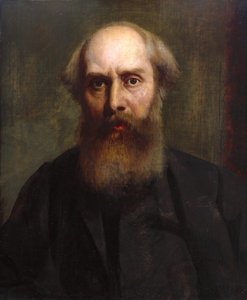
Solomon Alexander Hart
1806 - 1881 , United Kingdom
Osnovne informacije
- Artistic Movement Or Style: Historical, portraiture
- Artists Or Movements Influenced By This Artist: Future Jewish artists
- Artists Who Influenced This Artist: ['Domenico Ghirlandaio']
- Date Of Birth: 1806
- Date Of Death: 1881
- Full Name: Solomon Alexander Hart
- Nationality: British
- Notable Artworks:
- Milton Visiting Galileo
- Procession of the Law
- Self Portrait
- The Writing on the Wall
- Place Of Birth: Plymouth, UK
Povezani članci

The Refined Aesthetic of Victorian Illustration: A Study in Narrative & Technique
Explore the captivating world of Victorian illustration! Discover Pre-Raphaelite influences, key artists like Rossetti & Stephens, and the era's rich narrative detail. A deep dive for art enthusiasts.
William Powell Frith: Narratives of Victorian Society & the Rise of Realist Painting
Explore the life & works of William Powell Frith, the 'greatest British painter of social scenes.' Discover his iconic Victorian genre paintings and learn about his lasting impact on realist art. Hand-painted reproductions available.
Dante Gabriel Rossetti: 25 Remek-dela Pre-Raphaelita i Inspiracija za Vaš Dom
Istražite 25 remek-dela Dante Gabriel Rossettija, ikone Pre-Raphaelita! Otkrijte priče iza slika, simbolizam i inspiraciju za vaš dom. Kvalitetne reprodukcije na ArtsDot.com.
George Goodwin Kilburne: Capturing Victorian Sentimentality Through Genre Painting
Explore the evocative Victorian paintings of George Goodwin Kilburne. Discover his detailed scenes of domestic life, masterful use of light, and lasting impact on British genre painting. Learn more at ArtsDot.
Frederick Morgan: A Study in Aestheticism & Victorian Beauty
Explore the captivating world of Frederick Morgan, a key figure in Victorian Aestheticism. Discover his beautiful paintings, recurring themes, and lasting legacy with our expert analysis. Learn more today!

