

 Pregledaj u prostoru
 Pošalji
 Podeli
 Detalji o delu

 Преузми
 Slični predmeti
 Rendgenski snimak
 Slajdovi
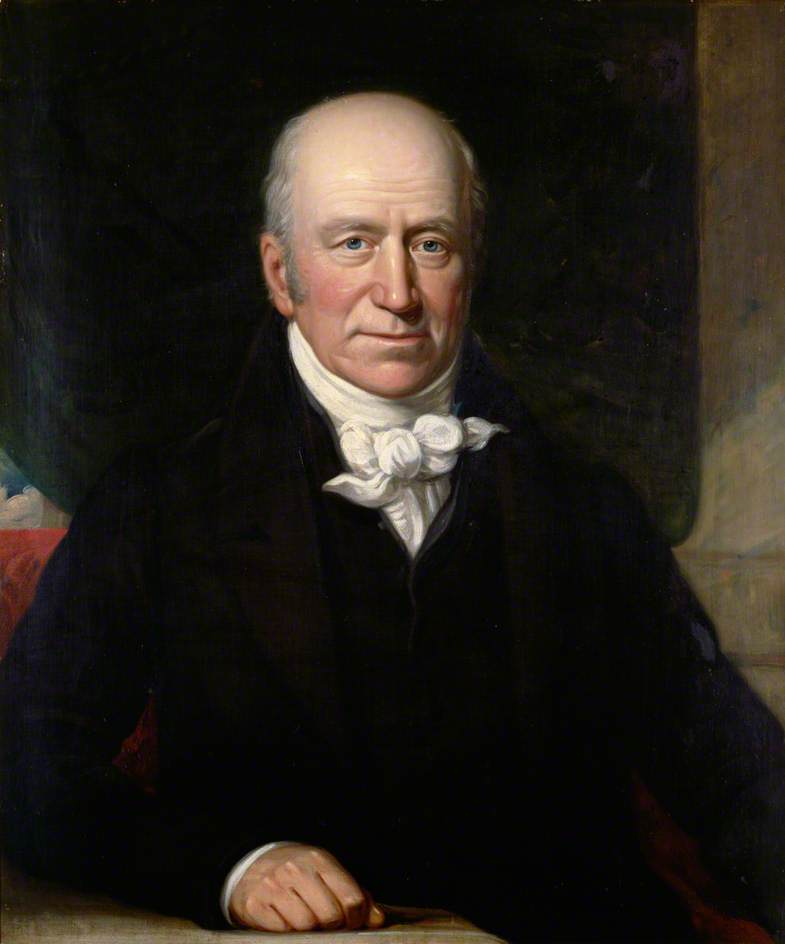
Thomas Andrew Knight (1758–1838), FRS, FLS, PRHS
 1835
1835 75.0 x 62.0 cm
 Collection of The Herbarium
 Pročitaj više
Ručno rađena uljana reprodukcija
Ručno oslikano uljanim bojama na platnu u dimenzijama i okviru po vašem izboru, izrađeno po porudžbini od strane naših umetnika. ( Kupi print Kupi digitalnu sliku)




































Izaberite jednu od naših unapred definisanih veličina koje odgovaraju originalnim proporcijama umetničkog dela.

Можете унети сопствене димензије како бисте прилагодили дело одређеном оквиру или простору. Ако одабрана величина не одговара пропорцијама оригинала, слика ће бити исечена или проширена додатним елементима који се ручно насликавају. Дигитални prikaz ће вам бити послат на одобрење пре почетка производње.
Имајте на уму да преглед на екрану не одражава стварно исецање или проширење. Само приказ (mockup) ће тачно приказати коначну композицију.
Иако су доступне прилагођене величине, препоручујемо да одаберете димензију из дефинисане листе како бисте сачували оригиналне пропорције.
Nakon narudžbine, tim ArtsDot.com će klijentu putem e-pošte poslati uputstva i dostaviti prikaz predloženog rešenja
Isporuka širom sveta () za 3/4 nedelje umesto uobičajenih 5 nedelja. (22 август). Bez kompromisa po pitanju kvaliteta.

Besplatna ekspresna dostava širom sveta

Visokokvalitetno laneno platno

Kompletno osiguranje transporta

Garancija povraćaja carine i uvoznih dažbina

Garancija vernosti boja

Politika povrata u roku od 60 dana (samo u slučaju nedostataka)

Garancija povrata novca od 100%

Popust pri grupnoj kupovini
 Opcija sa staklom dostupna je samo za dimenzije manje od 110 cm

Thomas Andrew Knight (1758–1838), FRS, FLS, PRHS
Tehnika reprodukcije
Dimenzije reprodukcije
-


Konačna cena
$ 263
Srodna umetnička dela








Biografija umetnika
Solomon Cole: A Victorian Portraitist of Subtle Grace
Solomon Cole (1806-1893) emerges from the annals of 19th-century British art as a quietly significant figure, primarily known for his exquisitely rendered portraits that captured the nuances of aristocratic and political life. While not commanding the same immediate fame as some of his contemporaries – figures like Sir Thomas Lawrence or William Powell Thomas – Cole’s work reveals a remarkable sensitivity to light, texture, and psychological depth, establishing him as a master of understated elegance within the Victorian portraiture tradition.
Born in England, details of Cole's early life remain somewhat elusive. Records suggest he received his artistic training initially under Christopher Henry Hebb (1772–1861), a prominent artist known for his landscapes and portraits. This initial exposure to the techniques of portraiture undoubtedly shaped Cole’s approach, instilling in him an appreciation for careful observation and meticulous execution. Later influences are suggested by connections with Thomas Andrew Knight (1758–1838), a renowned engraver and watercolorist whose work emphasized atmospheric perspective and delicate detail – qualities that clearly resonated within Cole's artistic sensibilities.
Cole’s career blossomed during the mid-to-late Victorian era, a period characterized by a burgeoning middle class eager to commission portraits as symbols of status and remembrance. He quickly established himself as a sought-after artist, undertaking commissions from prominent figures including Alderman William Lewis (1792–1868), a respected figure in Birmingham’s civic life. These portraits weren't merely likenesses; Cole skillfully captured the personalities of his subjects – their bearing, expressions, and even subtle gestures – revealing a keen understanding of human psychology. His ability to convey character through carefully chosen poses, lighting, and attire is particularly evident in his depictions of Richard Padmore, a prominent politician and philanthropist.
Cole’s artistic style can be characterized by its refined elegance and understated realism. He eschewed the overtly dramatic or flamboyant approaches favored by some of his contemporaries, instead opting for a more subtle and nuanced aesthetic. His use of light is particularly noteworthy – he masterfully employed chiaroscuro to create depth and volume, highlighting key features while maintaining an overall sense of atmospheric harmony. His brushwork is generally smooth and controlled, contributing to the polished quality of his portraits. The influence of Knight’s watercolor techniques is visible in Cole's ability to capture delicate textures such as fabrics and hair with remarkable precision.
Notable Portraits and Commissions
Among Cole’s most celebrated works are several portraits of prominent figures from Victorian society. His depiction of Alderman William Lewis, for instance, showcases his talent for capturing the subject’s dignified bearing and thoughtful expression. Similarly, his portrait of Richard Padmore is considered a masterpiece of Victorian portraiture, demonstrating Cole's ability to convey both the subject's social standing and his inner character. These commissions not only provided Cole with financial security but also cemented his reputation as one of the leading portraitists of his time.
Beyond commissioned portraits, Cole’s artistic output included a series of self-portraits, offering glimpses into his own artistic process and personal reflections. These works provide valuable insights into his evolving style and demonstrate his commitment to continuous improvement. His work also appears in collections at the British Museum, Worcester Guildhall , Brighton & Hove Museum and Royal Botanic Gardens Kew.
The Victorian Context of Portraiture
To fully appreciate Cole’s artistic achievements, it's essential to consider the broader context of portraiture during the Victorian era. Portraits were not merely decorative objects; they served as powerful symbols of social status, wealth, and identity. The wealthy commissioned portraits to commemorate their families, showcase their accomplishments, and secure their legacy for posterity. The rise of photography in the mid-19th century initially posed a challenge to portrait painters, but it ultimately spurred them to refine their skills and focus on capturing not just likenesses but also the essence of their subjects.
Cole’s success during this period highlights the enduring value of traditional artistic techniques. His portraits demonstrate that careful observation, technical skill, and an understanding of human psychology are essential ingredients for creating truly compelling works of art. His ability to capture the subtle nuances of personality and emotion sets him apart from many of his contemporaries.
Legacy and Historical Significance
Solomon Cole’s legacy is one of quiet distinction. While he may not be as widely recognized as some of his more flamboyant contemporaries, his portraits continue to be admired for their elegance, sensitivity, and psychological depth. His work offers a valuable window into the social and cultural landscape of Victorian Britain, revealing the aspirations, values, and anxieties of a rapidly changing society.
Cole’s influence can also be seen in the work of subsequent portraitists who followed in his footsteps. His emphasis on capturing the essence of his subjects – rather than simply creating accurate likenesses – helped to shape the direction of Victorian portraiture for decades to come. His contribution to the art world is a testament to the power of subtle grace and understated elegance.
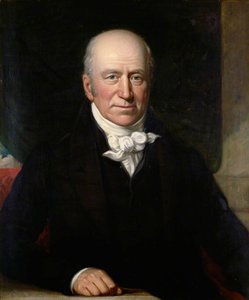
solomon cole
1806 - 1893
Osnovne informacije
- Artistic Movement Or Style: Portrait painting
- Artists Or Movements Influenced By This Artist: ['Alderman William Lewis']
- Artists Who Influenced This Artist:
- Thomas Knight
- Christopher Hebb
- Date Of Birth: 1806
- Date Of Death: 1893
- Full Name: Solomon Cole
- Nationality: American
- Notable Artworks:
- Richard Padmore Art
- William Lewis Art
- Place Of Birth: England

