

 Pregledaj u prostoru
 Pošalji
 Podeli
 Detalji o delu

 Преузми
 Slični predmeti
 Rendgenski snimak
 Slajdovi
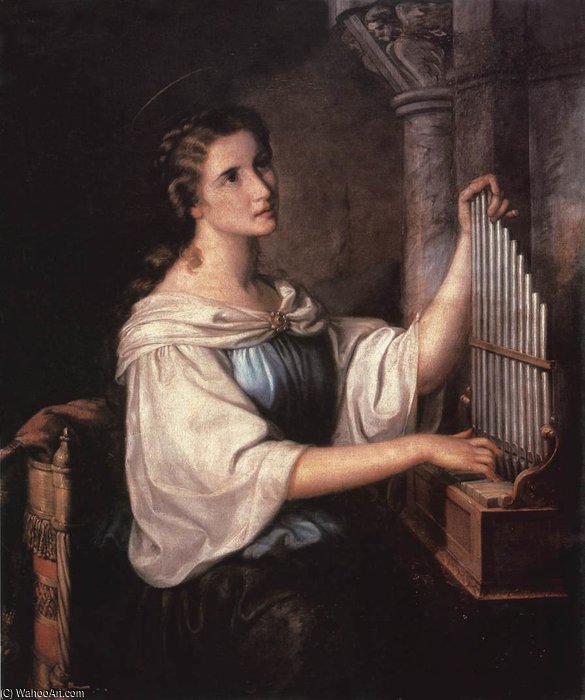
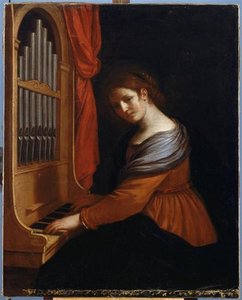
Saint Cecily
 Pročitaj više
Giclee štampa / Umetnički otisak
Giclée štampa ili print na platnu muzejskog kvaliteta uz brzu proizvodnju i fleksibilne opcije završne obrade. ( Kupi ručno naslikanu sliku Kupi digitalnu sliku)




































Izaberite jednu od naših unapred definisanih veličina koje odgovaraju originalnim proporcijama umetničkog dela.

Možete uneti sopstvene dimenzije kako biste umetničko delo prilagodili specifičnom okviru ili prostoru. Ako odabrani format ne odgovara proporcijama originalne slike, mi ćemo ili iscrtati deo dela ili proširiti sliku pomoću ogledane ivice ili jednobojnog popunjavanja. Digitalni prikaz će vam biti poslat na odobrenje pre početka proizvodnje.
Imajte na umu da pregled na ekranu ne odražava stvarno iscrtavanje ili proširivanje. Samo će prikaz (mockup) precizno pokazati finalnu kompoziciju.
Iako su prilagođene dimenzije dostupne, preporučujemo da odaberete dimenziju sa unapred definisane liste kako biste očuvali originalne proporcije.
Dostava širom sveta () za 2 nedelje umesto uobičajenih 4/5 nedelja. (7 септембар)

Besplatna ekspresna dostava širom sveta

Visokokvalitetno laneno platno

Kompletno osiguranje transporta

Garancija povraćaja carine i uvoznih dažbina

Garancija vernosti boja

Politika povraćaja u roku od 100 dana (isključivo u slučaju nedostataka)

Garancija povrata novca od 100%

Popust pri grupnoj kupovini
 Opcija sa staklom dostupna je samo za dimenzije manje od 110 cm

Saint Cecily
Giclee štampa / Umetnički otisak
Dimenzije reprodukcije
-


Konačna cena
$ 62
Srodna umetnička dela
Biografija umetnika
The Visionary Brush of Soma Orlai Petrich
In the tapestry of nineteenth-century Hungarian art, few threads are as intricately woven or as profoundly evocative as those left by Soma Orlai Petrich. Born on October 22, 1822, in the highland border town of Mezőberény, Petrich was a man of dual heritage, born to a Serbian father and a Hungarian mother. This cultural intersection likely contributed to the expansive, cosmopolitan nature of his artistic vision. His early life was not destined for the canvas; he initially pursued a path in law at the Pápa Reformed College, where he shared a deep connection with his second cousin, the legendary national poet Sándor Petőfi. It was through the act of painting his cousin’s parents that Petrich discovered an undeniable, transformative talent—a realization that led him to abandon the legal scrolls for the vibrant possibilities of oil and pigment.
Petrich's artistic education was a grand tour of Europe's most prestigious academies. After initial studies in Croatia and Sopron, he sought refinement at the Jakab Marastoni art school in 1846. His hunger for mastery drove him further afield to Vienna, where he studied under the celebrated Ferdinand Georg Waldmüller, and eventually to Munich, to learn from Wilhelm von Kaulbach. These encounters with the masters of academic realism and historical grandeur infused his work with a sophisticated technical prowess. By absorbing the light-filled traditions of the Viennese school and the dramatic compositions of German Romanticism, Petrich developed a style that could navigate seamlessly between the intimate psychological depth of portraiture and the sweeping, epic scale of historical narrative.
A Legacy of History and Human Emotion
The oeuvre of Soma Orlai Petrich is a profound meditation on identity, history, and the human condition. He was a master of Academic Realism, possessing an uncanny ability to render textures—the heavy drape of velvet, the cold glint of armor, or the soft glow of skin—with breathtaking precision. His historical paintings were not merely chronicles of the past but emotional reconstructions of pivotal moments. Perhaps his most celebrated achievement was "The Discovery of Louis II's Body," a work so powerful that it served as a catalyst for other great Hungarian painters of his era. Through his lithographs, he also captured the turbulent spirit of the Hungarian War of Independence, ensuring that the struggles and triumphs of his nation were etched into the visual memory of his people.
Beyond the grand theater of history, Petrich was a sought-after portraitist whose work breathed life into the faces of his contemporaries. His portraits are characterized by a somber elegance and a meticulous attention to detail that transcends simple likeness. Whether depicting the literary weight of Milton or the classical grace of Sappho, his brushwork conveyed a sense of intellectual and spiritual depth. Even in his more personal works, such as the tender portrait of his mother, Karolina Salkovics, one finds a profound connection to his subjects. His career was marked by significant leadership within the art community, notably serving on the board of directors of the National Hungarian Society of Fine Arts alongside luminaries like Miklós Barabás.
Though his life was shadowed by the physical struggle of lifelong seizures, Petrich’s creative output remained remarkably resilient. He continued to produce significant works well into his later years, leaving behind a legacy that bridges the gap between the romanticized past and the burgeoning realism of the late nineteenth century. Today, Soma Orlai Petrich is remembered not just as a painter of scenes, but as a chronicler of the Hungarian soul, an artist whose work remains a testament to the enduring power of historical memory and the exquisite beauty of the human spirit.
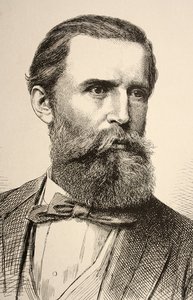
soma orlai petrich
1822 - 1880 , Hungary
Osnovne informacije
- Artistic Movement Or Style: Animal Painting/Sculpture
- Artists Or Movements Influenced By This Artist: ['Neoclassical Sculpture']
- Artists Who Influenced This Artist: ['Her father (landscape painter)']
- Date Of Birth: 1822
- Date Of Death: 1899
- Full Name: Rosa Bonheur
- Nationality: French
- Notable Artworks:
- Plowing in Nivernais
- The Horse Fair
- Place Of Birth: Bordeaux, France