

 Pošalji
 Podeli
 Detalji o delu

 Преузми
 Slični predmeti
 Slajdovi
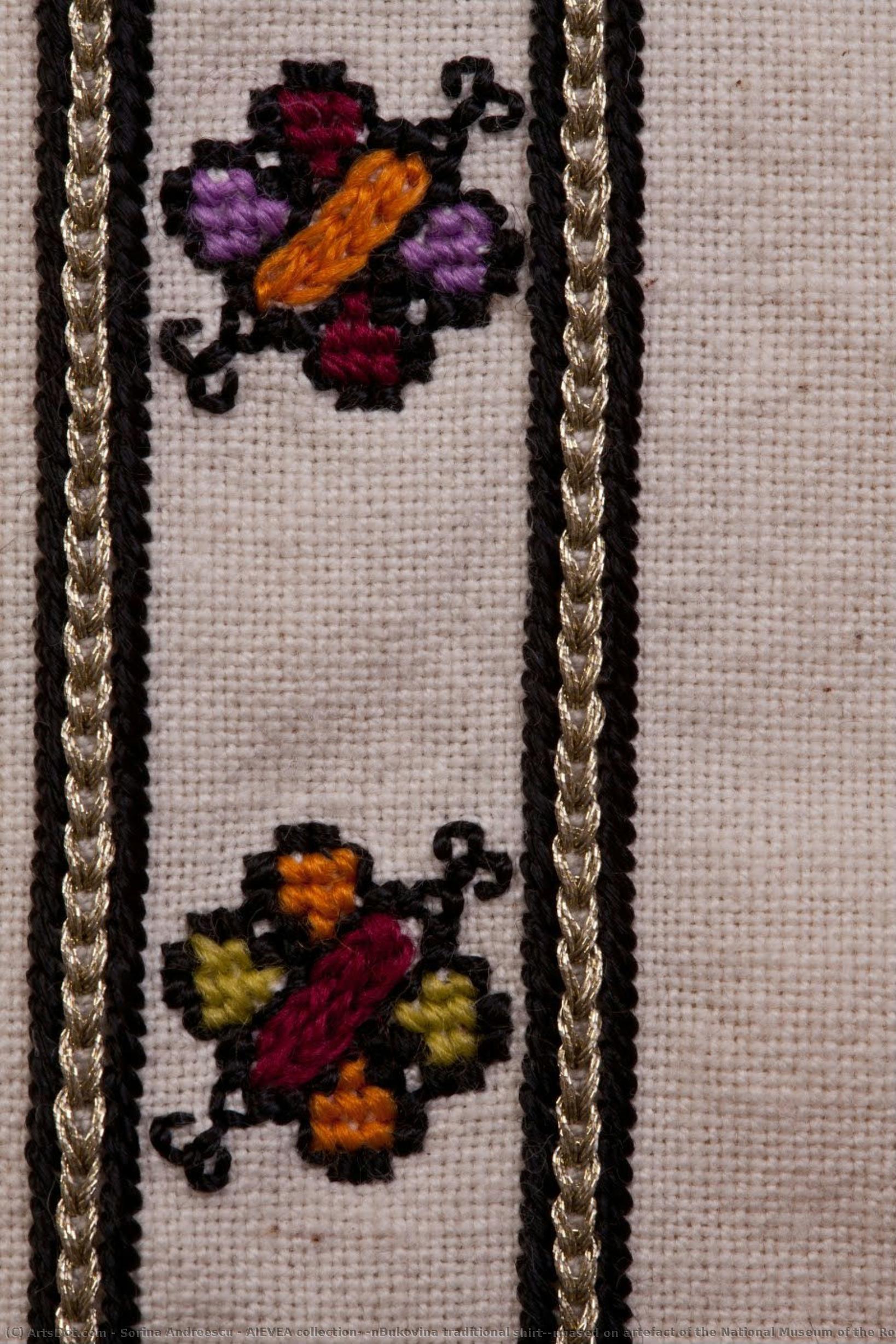
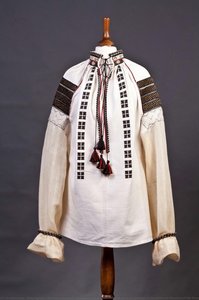
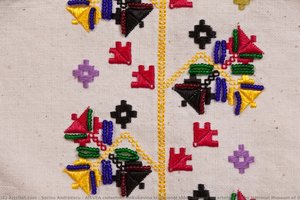
AIEVEA collection; \nBukovina traditional shirt;\nbased on artefact of the National Museum of the Romanian Peasant


 Pročitaj više
Kupite digitalnu sliku visoke rezolucije i poboljšanog kvaliteta, koja je znatno superiornija od onoga što vidite u online prikazu.
Svaka datoteka je pedantno pripremljena od strane naših stručnjaka koristeći napredne alate i profesionalnu ručnu retušu. Osiguravamo da svaka slika ima izuzetnu oštrinu, preciznu reprodukciju boja i fine detalje.
Konačna datoteka se dostavlja putem e-pošte u roku od 72 sata, optimizovana za neposrednu upotrebu u profesionalnim, izdavačkim i štamparskim okruženjima. To je isti kvalitet kojem veruju vrhunski studiji dizajna, izdavači i galerije.
Digitalna slika
Preuzmite datoteku visoke rezolucije za ličnu upotrebu, štampanje i kreativne projekte. ( Kupi print Kupi ručno naslikanu sliku)
Uključeno uz svaku porudžbinu digitalne slike
Profesionalna digitalna isporuka, zagarantovana
Kada odaberete ArtsDot.com, ne dobijate samo sliku – vi primate profesionalno unapređeno digitalno umetničko delo, izrađeno sa najvećom preciznošću i uz garanciju zadovoljstva. Evo svega što automatski dolazi uz vašu porudžbinu:

Brza dostava putem e-pošte
Vaša digitalna slika visoke rezolucije biće vam poslata putem e-pošte u roku od 72 sata od poručivanja – spremna za trenutnu upotrebu.

Digitalna datoteka unapređena veštačkom inteligencijom
Vaše umetničko delo je profesionalno optimizovano korišćenjem naprednih AI alata i ručne obrade, čime se osiguravaju maksimalni detalji, oštrina i preciznost boja.

Besplatna ponovna isporuka doživotno
Slučajno ste obrisali ili izgubili svoju datoteku? Ne brinite – poslaćemo vam je ponovo u bilo kom trenutku, potpuno besplatno.

Bez troškova uvoza – zauvek
Uživajte u svojim umetničkim delima trenutno, bez carine, dažbina ili troškova dostave – digitalni download je uvek bez poreza.

Garancija vernosti boja
Uz pomoć profesionalnih alata i upravljanja bojama, osiguravamo da vaša digitalna slika što vernije odražava originalne boje.

Garancija zadovoljstva u roku od 60 dana
Ako niste zadovoljni svojom digitalnom slikom, revidirat ćemo je ili vratiti 100% novca u roku od 60 dana – bez ikakvih pitanja.

100% garancija povrata novca
Niste zadovoljni? Obezbedite pun povrat novca u roku od 60 dana od trenutka kada ste primili svoju digitalnu datoteku – bez suvišnih pitanja.

Popusti na velike porudžbine
Kupite 3 slike, uštedite 10% - Kupite 5 slika, uštedite 15% - Kupite 10+ slika, uštedite 20%. Odlično za kreativne projekte, galerije i agencije.
Opis kolekcionarskog dela
A Tapestry of Heritage: The Soul of Bukovina
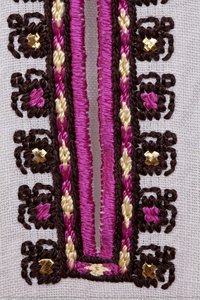
In the delicate interplay of thread and fabric, Sorina Andreescu’s AIEVEA collection breathes new life into the ancient whispers of Romanian tradition. This exquisite piece, inspired by a precious artefact held within the National Museum of the Romanian Peasant, serves as more than just a textile; it is a portal to a bygone era of craftsmanship. The work captures the essence of the Bukovina traditional shirt, translating the rhythmic precision of folk embroidery into a visual language that resonates with contemporary elegance. As one gazes upon the intricate motifs, there is an immediate sense of connection to the hands that first stitched these patterns centuries ago, preserving a cultural heartbeat through every vibrant loop and knot.
The composition is a masterclass in balanced detail, where the off-white, cream-toned base fabric provides a serene canvas for a jubilant explosion of color. Vertical lines, accented by the subtle shimmer of gold thread, act as the structural spine of the piece, guiding the eye through a garden of stylized flora. The palette is a warm, inviting symphony of reds, oranges, purples, and greens, creating a visual warmth that can transform any interior space. These colors are not merely decorative; they evoke the sun-drenched landscapes and the fertile earth of the Bukovina region, grounding the artwork in a deep, organic reality.
Technique and the Art of Preservation
At first glance, the piece invites an exploration of texture and tactile beauty. The artist masterfully replicates the raised, sculptural quality of traditional hand-stitching, where each petal and leaf seems to lift from the surface of the linen or cotton base. This interplay between the smooth, woven fabric and the dimensional embroidery creates a rich sensory experience, making it a captivating focal point for collectors who appreciate the nuance of fine craft. The use of gold accents adds a layer of sophisticated luxury, catching the light and providing a rhythmic luster that complements the more matte, colorful threads.
Beyond its aesthetic allure, this reproduction carries a profound emotional weight. It is an homage to the resilience of folk art—a genre that survives through imitation, adaptation, and reverence. For the interior designer, this piece offers a unique opportunity to introduce "soul" into a modern setting, blending the rustic charm of historical ethnography with the polished requirements of high-end decor. To possess such a work is to hold a fragment of history, reimagined for the modern eye, offering an atmosphere of timelessness, warmth, and cultural continuity that transcends the fleeting nature of modern trends.
Srodna umetnička dela

Biografija umetnika
Leonard Hilton McGurr: The Genesis of Futura 2000 – A Street Art Icon
The story of Futura 2000 isn’t one of formal artistic training or gallery openings; it's a narrative etched in the vibrant, rebellious energy of New York City’s late 1960s and early 70s street art scene. Born Leonard Hilton McGurr in 1955, he emerged from the crucible of that era as Futura 2000 – a name reflecting his ambition to be a “future” artist, a bold declaration against the established norms. His origins are deeply rooted in the Bronx, a borough teeming with creativity and social unrest, providing fertile ground for an artistic voice demanding to be heard.
Early influences were diverse and immediate: the raw energy of graffiti art emerging from subway cars, the burgeoning hip-hop culture, and the political activism that permeated the city. He began his career as a member of the “Soul Artists of Zoo York,” collaborating with figures like ALI (Al Diaz) and Jean-Michel Basquiat – a collective pushing boundaries and challenging perceptions of art and urban space. This period was crucial in shaping his visual language, characterized by sharp geometric forms, bold colors, and an almost machine-like precision that would become his signature.
The Rise of Geometric Futurism
Futura’s style evolved rapidly during the early to mid-1980s. He moved beyond simple tagging, developing a highly stylized approach centered around geometric abstraction. His work became increasingly recognizable – a series of interlocking circles, squares, and triangles that seemed to pulse with energy. This aesthetic wasn't merely decorative; it was a deliberate attempt to capture the dynamism of urban life, the relentless flow of movement, and the underlying structure of the city itself.
Crucially, Futura’s work began appearing on stage backdrops for iconic bands like The Clash in 1981. This marked a significant shift – moving from the anonymity of the subway to the bright lights of concert venues. It demonstrated his ability to translate his visual language into a dynamic and engaging experience for a wider audience, solidifying his position as a key figure in the burgeoning New York art scene.
Collaborations and Expanding Horizons
The 1980s witnessed a period of intense collaboration for Futura. He worked with Keith Haring, Jean-Michel Basquiat, Richard Hambleton, and Kenny Scharf at Patti Astor’s Fun Gallery – a pivotal space that showcased emerging street artists and challenged the traditional art market. These collaborations weren't simply about sharing space; they were about exchanging ideas and pushing each other creatively.
Beyond his work with The Clash, Futura expanded into graphic design, creating striking record sleeves for bands like Blondie and designing logos for various brands. This demonstrated a versatility that extended beyond the purely visual – he was adapting his style to different mediums and industries while maintaining his core aesthetic principles. His designs were instantly recognizable, characterized by their bold typography and geometric forms.
Legacy and Continued Relevance
While Futura’s early career was largely defined by street art, his influence has extended far beyond the subculture. His geometric style has been adopted by designers, architects, and artists worldwide, demonstrating the enduring appeal of his visual language. He remains a significant figure in the history of street art, a pioneer who helped to elevate it from a form of vandalism to a recognized art movement.
Today, Futura continues to create work, both large-scale murals and smaller paintings and prints. His legacy is not just about the images he created but also about his role in shaping the cultural landscape of New York City – a testament to the power of street art to challenge conventions, express dissent, and inspire creativity.
sorina andreescu
2000 - , Romania
Kratke činjenice
- Artistic Movement Or Style: Graffiti art, graphic design
- Artists Or Movements Influenced By This Artist:
- Keith Haring
- Jean-Michel Basquiat
- Artists Who Influenced This Artist:
- ALI
- The Clash
- Date Of Birth: November 17, 1955
- Full Name: Leonard Hilton McGurr”, AKA Futura 2000
- Nationality: American
- Notable Artworks:
- Various graffiti murals
- Record sleeve designs
- Place Of Birth: New York City

