

 Pregledaj u prostoru
 Pošalji
 Podeli
 Detalji o delu

 Преузми
 Slični predmeti
 Rendgenski snimak
 Slajdovi
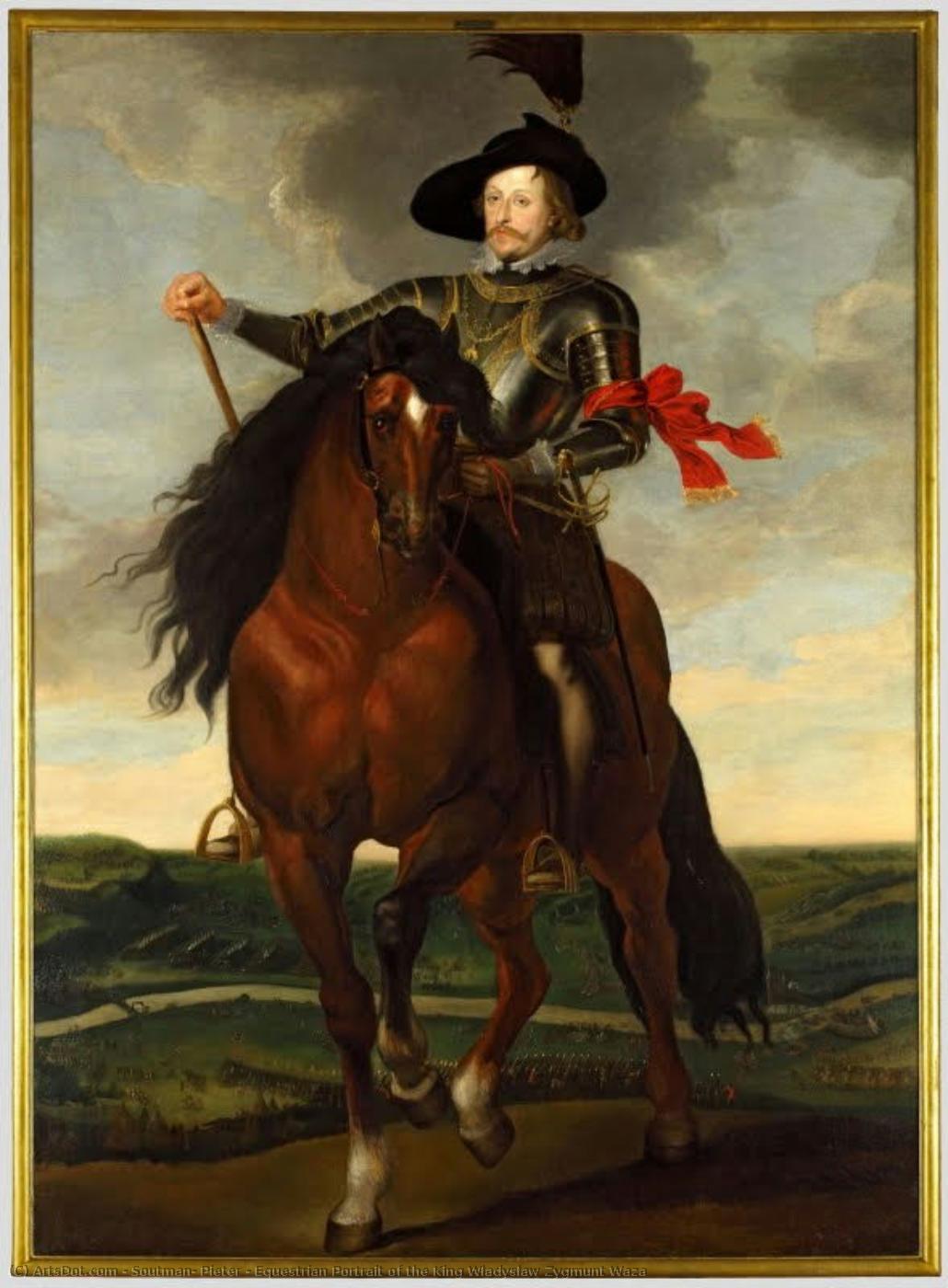
Equestrian Portrait of the King Władysław Zygmunt Waza


 Pročitaj više
Ručno rađena uljana reprodukcija
Ručno oslikano uljanim bojama na platnu u dimenzijama i okviru po vašem izboru, izrađeno po porudžbini od strane naših umetnika. ( Kupi print Kupi digitalnu sliku)




P118B $10

P118H $10

P118W $10

P438Z $10

P508JH $12

P508YH $12

P805H $10

P805Z $10

P919BZ $10

P919G $10

P919XJ $10

P959ZH $10

P968JZ $12

W106C $8

W218G $10

W218JH $8

W218Y $10

W307PJ $10

W316G $10

W316PJ $8

W316Y $10

W398PJ $8

W4111J $10

W500HY $15

W500JH $15

W692G $12

W849H $8

W940BG $15

W953PJ $8




Izaberite jednu od naših unapred definisanih veličina koje odgovaraju originalnim proporcijama umetničkog dela.

Можете унети сопствене димензије како бисте прилагодили дело одређеном оквиру или простору. Ако одабрана величина не одговара пропорцијама оригинала, слика ће бити исечена или проширена додатним елементима који се ручно насликавају. Дигитални prikaz ће вам бити послат на одобрење пре почетка производње.
Имајте на уму да преглед на екрану не одражава стварно исецање или проширење. Само приказ (mockup) ће тачно приказати коначну композицију.
Иако су доступне прилагођене величине, препоручујемо да одаберете димензију из дефинисане листе како бисте сачували оригиналне пропорције.
Nakon narudžbine, tim ArtsDot.com će klijentu putem e-pošte poslati uputstva i dostaviti prikaz predloženog rešenja
Isporuka širom sveta () za 3/4 nedelje umesto uobičajenih 5 nedelja. (7 септембар). Bez kompromisa po pitanju kvaliteta.

Besplatna ekspresna dostava širom sveta

Visokokvalitetno laneno platno

Kompletno osiguranje transporta

Garancija povraćaja carine i uvoznih dažbina

Garancija vernosti boja

Politika povraćaja u roku od 100 dana (isključivo u slučaju nedostataka)

Garancija povrata novca od 100%

Popust pri grupnoj kupovini
 Opcija sa staklom dostupna je samo za dimenzije manje od 110 cm

Equestrian Portrait of the King Władysław Zygmunt Waza
Tehnika reprodukcije
Dimenzije reprodukcije
-


Konačna cena
$ 263
The Majesty of Power: Pieter Soutman’s Equestrian Portrait
Pieter Soutman's “Equestrian Portrait of the King Władysław Zygmunt Waza” is more than just a painting; it’s a meticulously crafted tableau vivant, a frozen moment of regal authority and martial prowess. Completed in 1624-1628 during Władysław IV Vasa’s time as King of Poland, this remarkable work offers a rare glimpse into the life and ambitions of a powerful European monarch. The painting immediately commands attention with its imposing scale – measuring nearly two and a half feet by almost two feet – reflecting the importance placed upon the subject and conveying an undeniable sense of grandeur.
The central figure, King Władysław Zygmunt Waza, dominates the composition, seated confidently atop his magnificent steed. Dressed in full plate armor, meticulously rendered with intricate detailing, he embodies both military strength and aristocratic refinement. The armor itself is a testament to the era’s craftsmanship, showcasing the skill of armourers and reflecting the wealth and status of the king. His posture exudes self-assurance; his hand firmly gripping the reins speaks volumes about control and command, while his gaze, directed forward with unwavering resolve, projects an image of leadership.
A Masterclass in Dutch Baroque Technique
Soutman’s mastery lies not only in capturing the likeness of his subject but also in his skillful deployment of the techniques characteristic of the Dutch Golden Age. The painting is executed in oil on canvas, utilizing a layering technique known as *sfumato*, which creates subtle gradations of light and shadow, lending depth and realism to the figures and their surroundings. Notice particularly how Soutman uses atmospheric perspective – distant elements are rendered paler and less distinct, creating an illusion of space and reinforcing the sense of vastness behind the king.
- Color Palette: The rich, deep blues and reds of the armor contrast sharply with the earthy tones of the horse’s coat and the muted background landscape.
- Light & Shadow: Soutman expertly manipulates light to highlight key features – Władysław's face, the details of his armor, and the powerful musculature of the horse – drawing the viewer’s eye to these focal points.
- Texture: The artist skillfully renders the textures of metal, fabric, and flesh, creating a convincing sense of tactile reality.
Symbolism and Historical Context
Beyond its technical brilliance, the portrait is laden with symbolic meaning. The horse itself represents power, nobility, and military might – essential qualities for a king presiding over a vast kingdom. The flag held aloft by Władysław symbolizes his authority and dominion. The inclusion of two horses—one prominently featured in the foreground, the other slightly further back—creates a dynamic sense of movement and reinforces the idea of leadership and control extending outwards to encompass his realm. Painted during a period of significant political upheaval in Poland, this portrait served as a potent visual statement of Władysław’s legitimacy and ambition.
Furthermore, the painting reflects Soutman's service to King Sigismund III Vasa, highlighting the close relationship between art and royalty in 17th-century Europe. The commission itself underscored the importance of portraiture as a means of asserting power, reinforcing dynastic legitimacy, and projecting an image of strength and stability.
A Timeless Legacy: Reproduction and Appreciation
Today, “Equestrian Portrait of the King Władysław Zygmunt Waza” stands as a testament to Pieter Soutman’s exceptional talent and a captivating window into the world of 17th-century Polish royalty. High-quality reproductions capture the painting's rich detail and dramatic atmosphere, making it an ideal addition to any discerning collection or interior space. Its commanding presence and evocative symbolism continue to resonate with viewers centuries later, reminding us of the enduring power of portraiture to immortalize both individuals and eras.
Srodna umetnička dela
Biografija umetnika
Pieter Soutman: Life and Legacy
Early Life and Training
Pieter Soutman, a prominent Dutch Golden Age painter and printmaker, was born in Haarlem, Netherlands in 1593. He was the youngest of six children to a wealthy Catholic family; his father owned the Haarlem beer brewery *de werelt*. Soutman’s artistic journey began with formal training under the renowned Peter Paul Rubens in Antwerp. This period profoundly influenced his style and ultimately contributed significantly to his success as a painter.
Career Highlights and Royal Appointments
Soutman's career was marked by several notable appointments and achievements. He was appointed royal court painter in Poland, reflecting his esteemed position within the art world. From approximately 1618 until 1628, he served as a servitor of King Sigismund III Vasa, further solidifying his reputation and providing him with valuable patronage.
Return to Haarlem and Artistic Focus
Upon returning to Haarlem, Soutman established himself as a respected portrait painter. He secured numerous commissions for group portraits and the popular *schutterstukken* – depictions of civic militia groups. These large-scale works showcased his ability to capture both individual likenesses and dynamic compositions.
Artistic Style and Influences
Soutman’s style demonstrates a clear influence from Rubens, particularly in the use of rich colors, dramatic lighting, and energetic brushwork. However, he developed his own distinct approach to portraiture, characterized by a sense of realism and attention to detail. He skillfully blended Flemish Baroque influences with Dutch artistic traditions.
Notable Works
- Portrait of a Family: A prime example of Soutman’s mastery of group portraits, showcasing his ability to capture the personalities and relationships within a family unit.
- Still Life with Fruit: Demonstrates his skill in capturing everyday life scenes with meticulous detail and vibrant colors.
- Equestrian Portrait of King Władysław Zygmunt Waza: A significant work reflecting his time as royal court painter, displaying both artistic skill and political patronage.
Legacy and Pupils
Today, Soutman’s work can be found in various museums, including Huis Ten Bosch in The Hague. His influence extended to a number of pupils, among whom were Cornelis Visscher, Jacob Louys (1595-after 1635), and Pieter van Sompel. These artists continued to develop the traditions of Dutch portraiture and genre painting.
Historical Significance
Pieter Soutman remains a significant figure in art history as a representative of the Dutch Golden Age. His contributions to the world of portraiture, particularly his ability to capture both individual character and collective identity within group portraits, continue to inspire artists and art enthusiasts alike. He successfully navigated the artistic currents of his time, blending Flemish Baroque influences with distinctly Dutch sensibilities.
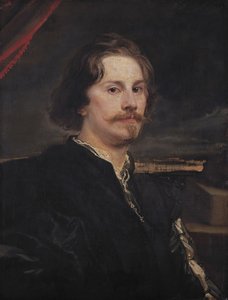
soutman, pieter
1593 - 1657 , Netherlands
Osnovne informacije
- Birth Date: 1593
- Birth Place: Haarlem, Netherlands
- Death Date: 1657
- Influenced:
- Cornelis Visscher
- Jacob Louys
- Pieter van Sompel
- Influenced By: Peter Paul Rubens
- Movement: Dutch Golden Age painting
- Name: Pieter Soutman
- Nationality: Dutch
- Notable Works:
- Portrait of a family
- Still life with fruit
- Equestrian Portrait of the King Władysław Zygmunt Waza
Povezani članci

The Dramatic Flourish: Exploring the Baroque Movement's Enduring Legacy in Art History
Explore the dramatic world of Baroque art! Discover iconic artists like Caravaggio & Rubens, defining techniques, and its lasting impact on art history. Expert insights for collectors & enthusiasts at ArtsDot.

Барокна драма: Уношење величине и емоција у савремене ентеријере
Откријте барокну драму и унесите величину у ваш ентеријер! ArtsDot нуди ручно насликане репродукције, персонализоване портрете и стручне консултације за љубитеље класичне уметности. Потражите савршено дело већ данас!

Barok Majstor dela: Top 10 Umjetničkih Remeka za Vaš Dom
Otkrijte 10 remek dela koja su definisala baroknu umetnost! Karavagio, Bernini i više – istražite priče iza ovih ikoničnih slika. Inspiracija za vaš dom? Pogledajte kolekciju na ArtsDot.com!

The Visceral Stage: Exploring Dramatic Narratives & Emotional Intensity in Baroque Art
Explore the dramatic world of Baroque art! Discover iconic masters like Caravaggio & Rembrandt, their techniques, and the movement's lasting impact. Expert insights for collectors & enthusiasts at ArtsDot.
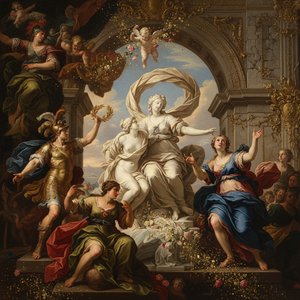
Theatricality & Triumph: Baroque Drama in Painting & Sculpture
Explore the dramatic world of Baroque art! Discover its history, defining characteristics, & lasting influence on painting & sculpture. Expert insights into Caravaggio, Zurbarán, and Bernini – plus high-quality reproductions at ArtsDot.