

 Pregledaj u prostoru
 Pošalji
 Podeli
 Detalji o delu

 Преузми
 Slični predmeti
 Rendgenski snimak
 Slajdovi
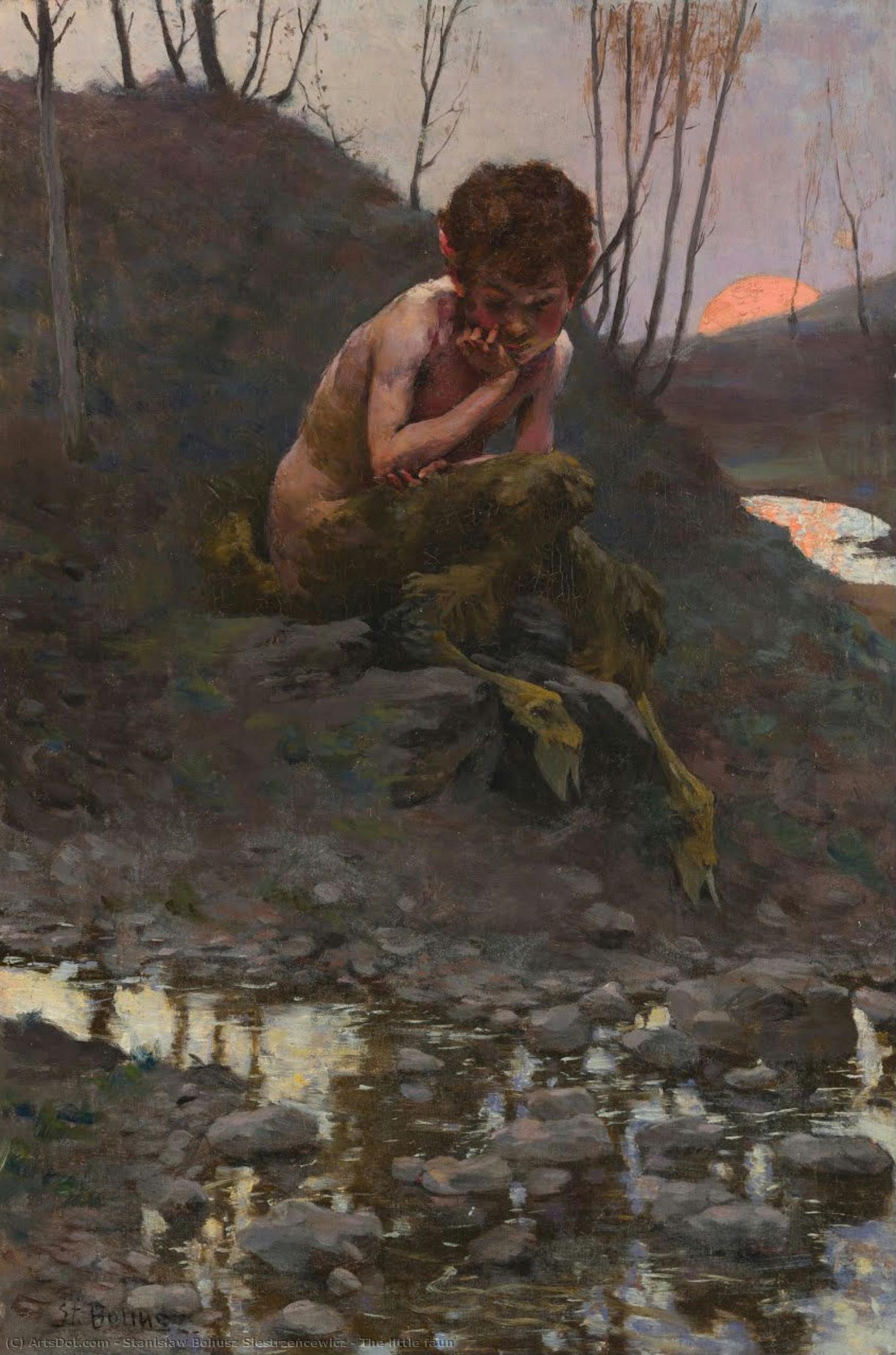
The little faun
 1900
1900 49.0 x 33.0 cm
 Lithuanian Art Fund
 Pročitaj više
Ručno rađena uljana reprodukcija
Ručno oslikano uljanim bojama na platnu u dimenzijama i okviru po vašem izboru, izrađeno po porudžbini od strane naših umetnika. ( Kupi print Kupi digitalnu sliku)




































Izaberite jednu od naših unapred definisanih veličina koje odgovaraju originalnim proporcijama umetničkog dela.

Можете унети сопствене димензије како бисте прилагодили дело одређеном оквиру или простору. Ако одабрана величина не одговара пропорцијама оригинала, слика ће бити исечена или проширена додатним елементима који се ручно насликавају. Дигитални prikaz ће вам бити послат на одобрење пре почетка производње.
Имајте на уму да преглед на екрану не одражава стварно исецање или проширење. Само приказ (mockup) ће тачно приказати коначну композицију.
Иако су доступне прилагођене величине, препоручујемо да одаберете димензију из дефинисане листе како бисте сачували оригиналне пропорције.
Nakon narudžbine, tim ArtsDot.com će klijentu putem e-pošte poslati uputstva i dostaviti prikaz predloženog rešenja
Isporuka širom sveta () za 3/4 nedelje umesto uobičajenih 5 nedelja. (30 август). Bez kompromisa po pitanju kvaliteta.

Besplatna ekspresna dostava širom sveta

Visokokvalitetno laneno platno

Kompletno osiguranje transporta

Garancija povraćaja carine i uvoznih dažbina

Garancija vernosti boja

Politika povrata u roku od 60 dana (samo u slučaju nedostataka)

Garancija povrata novca od 100%

Popust pri grupnoj kupovini
 Opcija sa staklom dostupna je samo za dimenzije manje od 110 cm

The little faun
Tehnika reprodukcije
Dimenzije reprodukcije
-


Konačna cena
$ 263
Srodna umetnička dela







Biografija umetnika
The Soul of the Lithuanian Landscape: The Life of Stanisław Bohusz Siestrzeńcewicz
To wander through the canvases of Stanisław Bohusz Siestrzeńcewicz is to embark on a nostalgic journey through the heart of rural Lithuania and Ukraine. Born in Vilnius on November 11, 1869, into a noble family, Siestrzeńcewicz possessed an innate sensitivity to the rhythms of nature and the quiet dignity of village life. His artistic vision was never merely about documentation; rather, he sought to capture what art historians often describe as a “constructed reality”—a blend of meticulous observation and a deeply felt, sometimes even fictitious, emotional truth. Through his brush, the small towns and sweeping landscapes of his homeland were transformed into evocative realms where every shadow and light flicker tells a story of tradition and continuity.
The artist’s technical mastery was forged in the most prestigious ateliers of Europe. His journey began at the Imperial Academy of Arts in Saint Petersburg, where he studied under the esteemed Bogdan Willewalde. This rigorous academic foundation provided him with the structural discipline required for his later, more fluid explorations. Seeking to breathe modern life into his classical training, he traveled to Paris to enroll at the Académie Julian, immersing himself in the vibrant, light-drenched atmosphere of Impressionism. This period was transformative, as it allowed him to integrate a sense of movement and atmospheric subtlety into his work. His education was further enriched by private lessons from the legendary Józef Brandt in Munich, a connection that would also lead to his marriage to Brandt’s daughter, Krystyna, creating a profound link to the great traditions of Polish-Lithuanian genre painting.
A Tapestry of Genre and Symbolism
Siestrzeńcewicz’s oeuvre is remarkably diverse, oscillating between the grounded reality of peasant life and the ethereal realms of symbolism. He became a master of genre scenes, capturing the lively, dynamic energy of everyday moments—the bustle of a marketplace, the quiet labor in a field, or the shared laughter of a village gathering. His ability to capture motion in a single moment gave his work a breathing, pulse-like quality that resonated deeply with audiences at the Towarzystwo Zachęty Sztuk Pięknych in Warsaw. Yet, beneath this surface realism, there often lay a deeper, more contemplative layer.
In certain works, such as the hauntingly beautiful “The Little Faun,” the artist drifted toward the Symbolist and Art Nouveau movements. In these pieces, the literal landscape recedes to make way for myth and melancholy. Here, the brushwork softens, and the subject matter invites the viewer into a world of mystery and unfathomable secrets. This duality—the ability to move from the sun-drenched reality of a Lithuanian farmstead to the misty, psychological depths of a mythological creature—is what defines his unique contribution to the turn-of-the-century art scene.
Legacy and Artistic Significance
Beyond his oil paintings, Siestrzeńcewicz was a prolific illustrator whose pen and ink drawings brought literary worlds to life. His illustrations for the works of Eliza Orzeszkowa demonstrated his ability to translate narrative tension into visual form, while his sketches and drawings, collected in a grand album in 1912, showcased his mastery of line and light. Despite facing significant personal tribulations, including the physical toll of tuberculosis and the emotional weight of a divorce, his dedication to his craft remained unshakable.
The historical significance of Stanisław Bohusz Siestrzeńcewicz lies in his role as a cultural bridge. He connected the academic traditions of Saint Petersburg and Munich with the modern sensibilities of Paris, all while remaining fiercely rooted in the local identity of the Vilnius region. His work serves as a vital visual record of a vanished era, preserving the essence of a landscape and a way of life that continues to captivate the hearts of art lovers today. Through his eyes, we do not just see the past; we feel its enduring spirit.
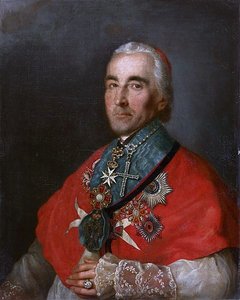
stanisław bohusz siestrzeńcewicz
1869 - 1927 , Lithuania
Osnovne informacije
- Artistic Movement Or Style: Genre scenes & Impressionism
- Artists Or Movements Influenced By This Artist: ['École de Barbizon']
- Artists Who Influenced This Artist: ['Bogdan Willewalde']
- Date Of Birth: November 11, 1869
- Date Of Death: May 24, 1927
- Full Name: Stanisław Bohusz Siestrzeńcewicz
- Nationality: Polish Lithuanian
- Notable Artworks:
- The Little Faun
- A Scene in the Hall
- Place Of Birth: Vilnius, Lithuania

