

 Pregledaj u prostoru
 Pošalji
 Podeli
 Detalji o delu

 Преузми
 Slični predmeti
 Rendgenski snimak
 Slajdovi
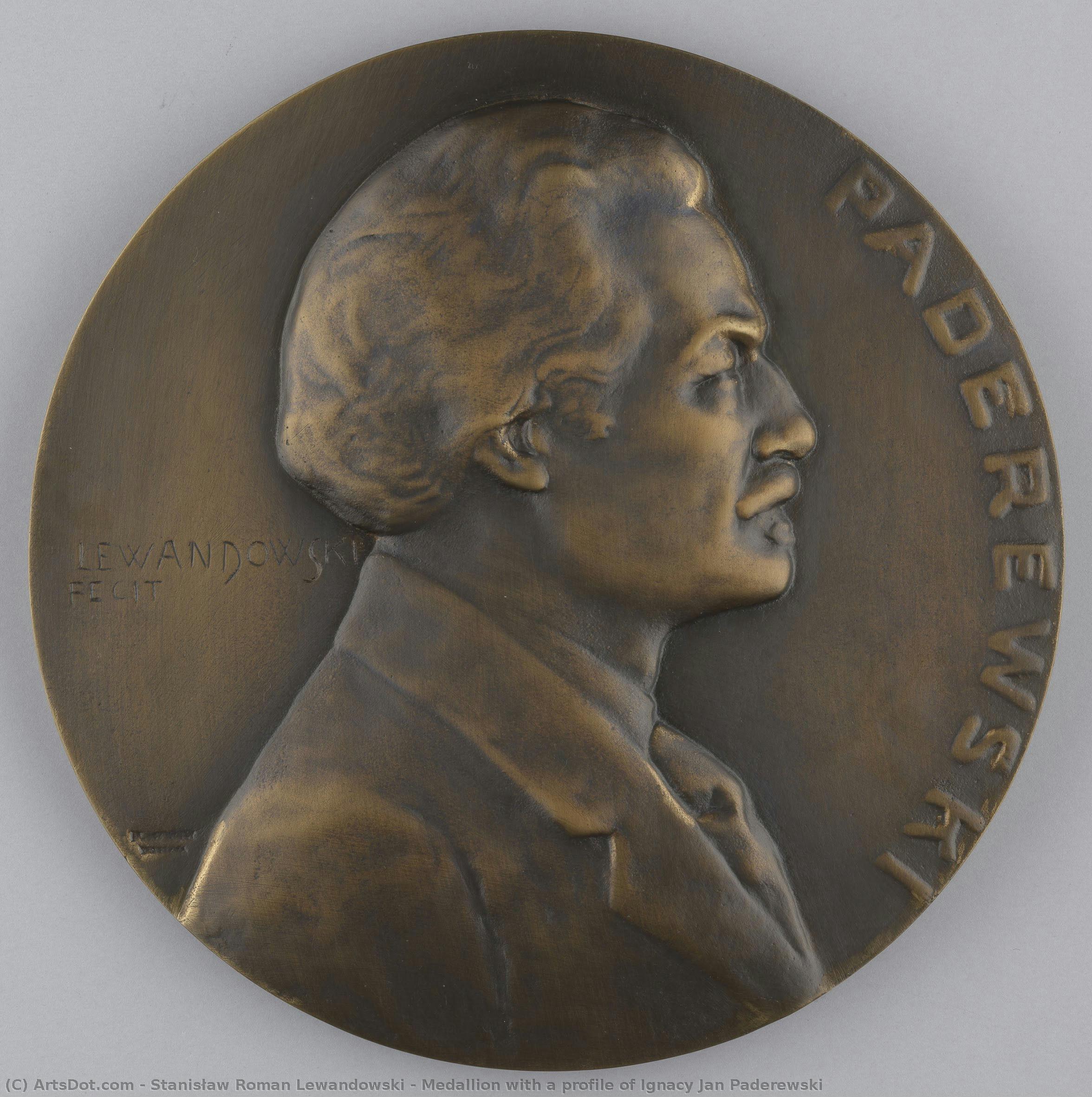
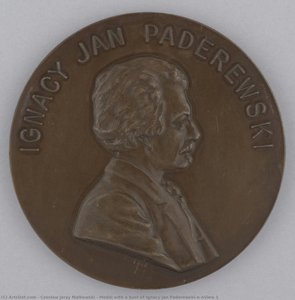
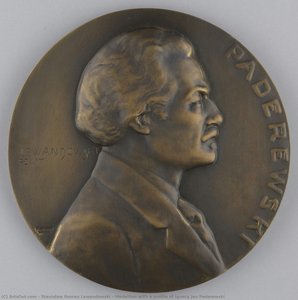
Medallion with a profile of Ignacy Jan Paderewski


 Pročitaj više
Ručno rađena uljana reprodukcija
Ručno oslikano uljanim bojama na platnu u dimenzijama i okviru po vašem izboru, izrađeno po porudžbini od strane naših umetnika. ( Kupi print Kupi digitalnu sliku)




































Izaberite jednu od naših unapred definisanih veličina koje odgovaraju originalnim proporcijama umetničkog dela.

Можете унети сопствене димензије како бисте прилагодили дело одређеном оквиру или простору. Ако одабрана величина не одговара пропорцијама оригинала, слика ће бити исечена или проширена додатним елементима који се ручно насликавају. Дигитални prikaz ће вам бити послат на одобрење пре почетка производње.
Имајте на уму да преглед на екрану не одражава стварно исецање или проширење. Само приказ (mockup) ће тачно приказати коначну композицију.
Иако су доступне прилагођене величине, препоручујемо да одаберете димензију из дефинисане листе како бисте сачували оригиналне пропорције.
Nakon narudžbine, tim ArtsDot.com će klijentu putem e-pošte poslati uputstva i dostaviti prikaz predloženog rešenja
Isporuka širom sveta () za 3/4 nedelje umesto uobičajenih 5 nedelja. (27 август). Bez kompromisa po pitanju kvaliteta.

Besplatna ekspresna dostava širom sveta

Visokokvalitetno laneno platno

Kompletno osiguranje transporta

Garancija povraćaja carine i uvoznih dažbina

Garancija vernosti boja

Politika povrata u roku od 60 dana (samo u slučaju nedostataka)

Garancija povrata novca od 100%

Popust pri grupnoj kupovini
 Opcija sa staklom dostupna je samo za dimenzije manje od 110 cm

Medallion with a profile of Ignacy Jan Paderewski
Tehnika reprodukcije
Dimenzije reprodukcije
-


Konačna cena
$ 263
Srodna umetnička dela


Biografija umetnika
The Sculptor of Polish Identity
In the twilight of the nineteenth century, as Poland navigated the turbulent currents of nationalism and cultural rebirth, the hands of Stanisław Roman Lewandowski were busy carving a permanent legacy into bronze and stone. Born in 1859 in Kotliny, Lewandowski emerged not merely as a craftsman, but as a visual poet of his nation’s soul. His formative years, shaped by the prestigious Academy of Fine Arts in Kraków and the refined traditions of Vienna, provided him with a technical foundation that bridged the gap between classical discipline and the burgeoning expressive energy of his era. Through his eyes, the rigid lines of Neoclassicism met the emotive depths of Romanticism, creating a style that was as much about historical reverence as it was about psychological truth.Lewandowski’s journey was one of profound engagement with the Polish spirit. He did not simply observe history; he sought to freeze its most vital moments in metal, ensuring that the dignity of his people would endure through the decades of political upheaval that defined his lifetime.
A Mastery of Detail and Emotion
Lewandowski’s artistry possessed a rare duality, capable of oscillating between the monumental and the miniature with breathtaking grace. He mastered the intricate lost-wax casting technique, allowing him to imbue even the smallest silver or bronze medallion with a sense of living breath. His tributes to Poland's musical and political giants serve as intimate windows into the serene and powerful countenances of these legends.His repertoire was remarkably diverse, showcasing a range that captured both the quietude of thought and the ferocity of action:
- The Chopin Medallions: Poignant tributes to Fryderyk Chopin that capture the pianist’s serene countenance through masterful detail.
- Paderewski Portraits: Bronze medallions celebrating the statesman and musician with classic realism.
- The Cossack: A dynamic, patinated bronze work that exemplifies his ability to convey movement and untamed spirit.
Monuments and the Intellectual Vanguard
Beyond the intimate scale of his medals, Lewandowski’s most enduring contribution to the landscape of Polish memory lies in his grand public monuments. The Adam Mickiewicz Monument in Rzeszów stands as a testament to this achievement; completed in 1928, the bronze figure captures the poet's brooding gaze and an aura of profound contemplation, anchoring the city’s identity in its literary heritage. This work exemplifies his commitment to honoring Poland’s cultural giants with uncompromising honesty.However, his influence extended far beyond the sculptor's studio. As a prolific writer and art critic, Lewandowski acted as a vital voice in the Polish press, championing the very artistic movements he helped define. He was a guardian of culture, using both the chisel and the pen to ensure that the triumphs of Polish art were recognized and celebrated. His life, spanning from the late nineteenth century until 1940, remains an inseparable part of the tapestry of Polish history, leaving behind a body of work that continues to resonate with the strength and dignity of a nation.
stanisław roman lewandowski
1859 - 1940 , Poland
Osnovne informacije
- Artistic Movement Or Style: Sculpture
- Artists Or Movements Influenced By This Artist: ['Romanticism']
- Artists Who Influenced This Artist: ['École Supérieure des Beaux-Arts']
- Date Of Birth: February 28, 1859
- Date Of Death: February 3, 1940
- Full Name: Stanisław Roman Lewandowski
- Nationality: Polish
- Notable Artworks:
- Adam Mickiewicz Monument
- Chopin Medals
- Paderewski Medallion
- Place Of Birth: Kotliny, Poland
Povezani članci

Bronze Age to Modern Masters: 10 Sculptures That Redefined Art | ArtsDot
Journey through art history with 10 legendary bronze sculptures – from Michelangelo's David to Rodin’s Thinker. Explore the stories, techniques & timeless beauty of these masterpieces. Find museum-quality reproductions & elevate your home decor on ArtsDot.com.

Bronze Sculptures That Defined Art History | ArtsDot
Journey through art history with our Top 10 bronze sculptures! Explore masterpieces by Rodin, Michelangelo & more. Discover stories behind iconic statues and find museum-quality reproductions for your home decor at ArtsDot.com.

The Enduring Legacy of Bronze: A Historical & Artistic Exploration for the Collector
Explore the rich history & enduring appeal of bronze sculpture with expert insights for collectors at ArtsDot. Learn about casting techniques, iconic artists, collecting tips & contemporary interpretations.
The Enduring Legacy of Bronze: History, Technique & Artistic Expression for the Collector
Explore the rich history & enduring appeal of bronze sculpture with expert insights for collectors at ArtsDot. Learn about casting techniques, iconic artists, and collecting tips.
The Enduring Legacy of Bronze Sculpture: A Collector's Guide to Form & Cultural Significance
Explore the rich history & enduring appeal of bronze sculpture with expert insights for collectors at ArtsDot. Learn about casting techniques, iconic artists, and collecting tips to build a discerning art collection.

