

 Pregledaj u prostoru
 Pošalji
 Podeli
 Detalji o delu

 Преузми
 Slični predmeti
 Rendgenski snimak
 Slajdovi
 Stats
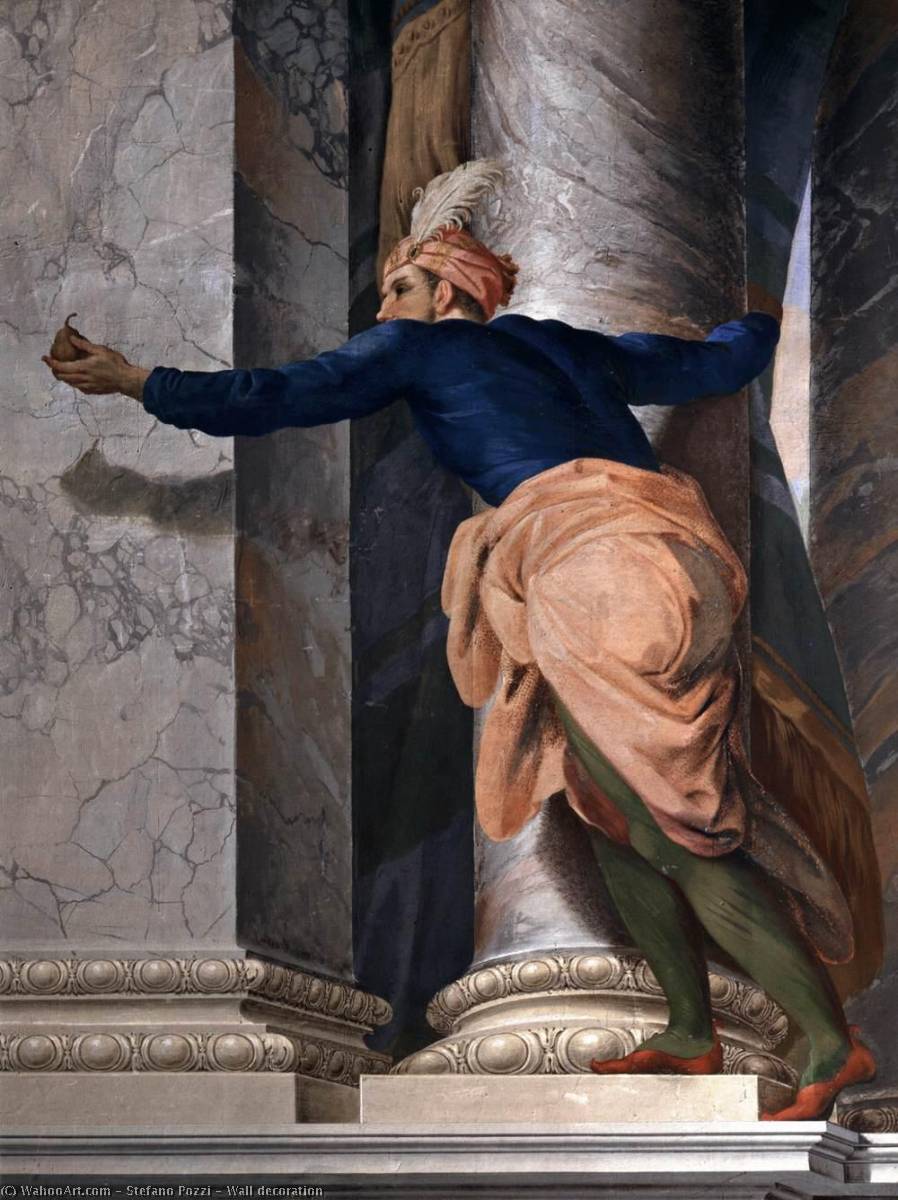
StatsWall decoration


 Pročitaj više
Ručno rađena uljana reprodukcija
Ručno oslikano uljanim bojama na platnu u dimenzijama i okviru po vašem izboru, izrađeno po porudžbini od strane naših umetnika. ( Switch to Print Switch to Digital Image)




































Izaberite jednu od naših unapred definisanih veličina koje odgovaraju originalnim proporcijama umetničkog dela.

Можете унети сопствене димензије како бисте прилагодили дело одређеном оквиру или простору. Ако одабрана величина не одговара пропорцијама оригинала, слика ће бити исечена или проширена додатним елементима који се ручно насликавају. Дигитални prikaz ће вам бити послат на одобрење пре почетка производње.
Имајте на уму да преглед на екрану не одражава стварно исецање или проширење. Само приказ (mockup) ће тачно приказати коначну композицију.
Иако су доступне прилагођене величине, препоручујемо да одаберете димензију из дефинисане листе како бисте сачували оригиналне пропорције.
Nakon narudžbine, tim ArtsDot.com će klijentu putem e-pošte poslati uputstva i dostaviti prikaz predloženog rešenja
Isporuka širom sveta () za 3/4 nedelje umesto uobičajenih 5 nedelja. (8 септембар). Bez kompromisa po pitanju kvaliteta.

Besplatna ekspresna dostava širom sveta

Visokokvalitetno laneno platno

Kompletno osiguranje transporta

Garancija povraćaja carine i uvoznih dažbina

Garancija vernosti boja

Politika povraćaja u roku od 100 dana (isključivo u slučaju nedostataka)

Garancija povrata novca od 100%

Popust pri grupnoj kupovini
 Opcija sa staklom dostupna je samo za dimenzije manje od 110 cm

Wall decoration
Tehnika reprodukcije
Dimenzije reprodukcije
-


Konačna cena
$ 263
Srodna umetnička dela
![Stanze Vaticane - The Liberation Of St Peter (detail) [01] — Rafael, High Renaissance](/media/artworks/images-thumb/56/b1/56b164228e527303d62222f1b9e9aa13.jpg)

![Stanze Vaticane - The Parnassus (detail) [04] — Rafael, High Renaissance](/media/artworks/images-thumb/a0/00/a000f9f03076a9992b960a7db3b9bf34.jpg)

Biografija umetnika
The Roman Baroque Master: The Life and Legacy of Stefano Pozzi
In the vibrant, sun-drenched streets of 18th-century Rome, a period defined by the theatrical grandeur of the Baroque and the emerging elegance of the Rococo, the name Stefano Pozzi resonated with the prestige of a true master. Born in 1699 into a family where creativity was as much a way of life as breathing, Pozzi was part of a remarkable lineage of talent. His father, Giovanni, an innkeeper by trade, presided over a household that nurtured three artist sons: Rocco, Andrea, and Giuseppe. This domestic atmosphere, steeped in the visual language of art, provided Stefano with an early and profound immersion into the aesthetics of his era, setting the stage for a career that would eventually decorate the most sacred spaces in Italy.
The artistic soul of Pozzi was forged in the prestigious ateliers of Rome’s most esteemed masters. He sought refinement under the guidance of Andrea Procaccini and Agostino Masucci, both of whom were distinguished disciples of the legendary Carlo Maratta. Through this lineage, Pozzi inherited a sophisticated command of classical principles, blended seamlessly with the dramatic, emotive techniques essential to the Baroque style. His formal education was further solidified through his admission to the Pontifical Academy of Fine Arts and Letters of the Virtuosi al Pantheon in 1732, where he eventually rose to the position of Regent, and his subsequent enrollment in the prestigious Accademia di San Luca. These institutions were not merely schools but gateways to the highest echelons of Roman society, granting him access to the powerful patrons who would fund his monumental visions.
A Vision in Fresco and Canvas
Pozzi’s body of work is a testament to his versatility as a painter, designer, draughtsman, and decorator. While he was equally adept at oil on canvas, it was in the sweeping, ethereal medium of fresco that he truly left his indelible mark upon the Roman landscape. His ability to manipulate light and color allowed him to transform architectural surfaces into celestial windows. One can almost feel the spiritual weight of his contributions to the Basilica of Santa Maria Maggiore, specifically within the Chapel of Blessed Niccolò Albergati, or the rhythmic beauty of the eight ovals he executed for San Silvestro al Quirinale.
His talent was not confined to the borders of Rome; his reputation traveled with him. In 1744, summoned to Naples by Cardinal Giuseppe Spinelli, Pozzi undertook a magnificent task: decorating the apse of the Cathedral of San Gennaro. Here, his mastery of large-scale composition was on full display, particularly in his large oil painting of SS Januarius and Agrippative Driving out the Saracens and his breathtaking fresco of a choir of angels upon the vault. This period of his life highlights his ability to harmonize with the architectural rhythms of great builders like Luigi Vanvitelli, as he contributed significant works for the Montemorcino Monastery, proving that his art was never an isolated element but a vital component of the very architecture it inhabited.
Historical Significance and Artistic Heritage
The significance of Stefano Pozzi lies in his role as a bridge between eras. He maintained the structural integrity and emotional depth of the Roman Baroque while embracing the lighter, more decorative sensibilities that would characterize the Rococo. His work served as a visual liturgy for the Catholic Church, translating complex theological narratives into accessible, breathtaking imagery that moved the faithful. Beyond his individual canvases, his influence extended through his collaborations with architects and his role within the academic institutions of Rome, helping to sustain the city's status as the epicenter of European art.
Though time has passed, the echoes of Pozzi’s brushstrokes remain visible in the silent majesty of the churches and monasteries he adorned. His legacy is not merely found in museums but in the very fabric of Roman history—a legacy of light, movement, and a profound devotion to the beauty of the divine. To study Stefano Pozzi is to witness the twilight of the Baroque era, captured through the eyes of an artist who understood that painting was not just about depicting reality, but about elevating the human spirit toward the heavens.
stefano pozzi
1699 - 1768
Osnovne informacije
- Artistic Movement Or Style: Roman Baroque & Rococo
- Artists Or Movements Influenced By This Artist: ['Francesco Pozzi']
- Artists Who Influenced This Artist:
- Carlo Maratta
- Andrea Procaccini
- Date Of Birth: November 9, 1699
- Date Of Death: June 11, 1768
- Full Name: Stefano Pozzi
- Nationality: Italian
- Notable Artworks:
- Blessed Niccolò Albergati
- Eight Ovals
- Death of St Joseph
- Sant'Apollinare in Gloria
- Place Of Birth: Rome, Italy