

 Pregledaj u prostoru
 Pošalji
 Podeli
 Detalji o delu

 Преузми
 Slični predmeti
 Rendgenski snimak
 Slajdovi
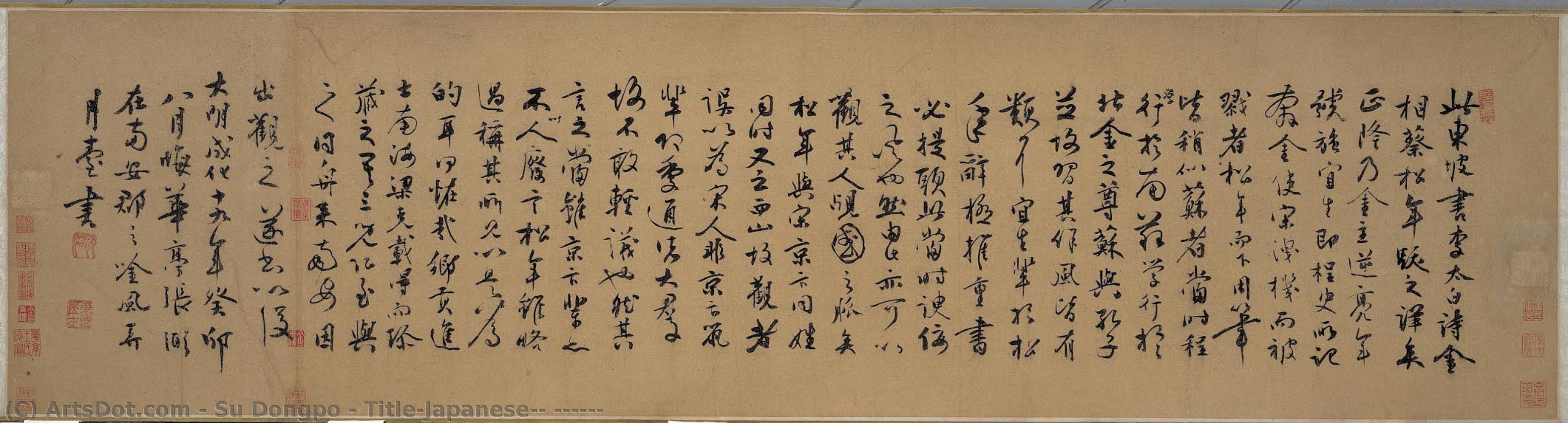
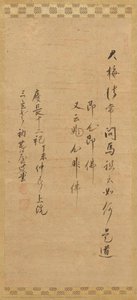
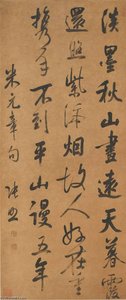
Title(Japanese): 行書李白仙詩
 Ink On Paper
 1093
1093- High Medieval
 111.0 x 34.0 cm
 Muzej lepih umetnosti grada Osake
 Pročitaj više
Kupite digitalnu sliku visoke rezolucije i poboljšanog kvaliteta, koja je znatno superiornija od onoga što vidite u online prikazu.
Svaka datoteka je pedantno pripremljena od strane naših stručnjaka koristeći napredne alate i profesionalnu ručnu retušu. Osiguravamo da svaka slika ima izuzetnu oštrinu, preciznu reprodukciju boja i fine detalje.
Konačna datoteka se dostavlja putem e-pošte u roku od 72 sata, optimizovana za neposrednu upotrebu u profesionalnim, izdavačkim i štamparskim okruženjima. To je isti kvalitet kojem veruju vrhunski studiji dizajna, izdavači i galerije.
Digitalna slika
Preuzmite datoteku visoke rezolucije za ličnu upotrebu, štampanje i kreativne projekte. ( Kupi print Kupi ručno naslikanu sliku)
Uključeno uz svaku porudžbinu digitalne slike
Profesionalna digitalna isporuka, zagarantovana
Kada odaberete ArtsDot.com, ne dobijate samo sliku – vi primate profesionalno unapređeno digitalno umetničko delo, izrađeno sa najvećom preciznošću i uz garanciju zadovoljstva. Evo svega što automatski dolazi uz vašu porudžbinu:

Brza dostava putem e-pošte
Vaša digitalna slika visoke rezolucije biće vam poslata putem e-pošte u roku od 72 sata od poručivanja – spremna za trenutnu upotrebu.

Digitalna datoteka unapređena veštačkom inteligencijom
Vaše umetničko delo je profesionalno optimizovano korišćenjem naprednih AI alata i ručne obrade, čime se osiguravaju maksimalni detalji, oštrina i preciznost boja.

Besplatna ponovna isporuka doživotno
Slučajno ste obrisali ili izgubili svoju datoteku? Ne brinite – poslaćemo vam je ponovo u bilo kom trenutku, potpuno besplatno.

Bez troškova uvoza – zauvek
Uživajte u svojim umetničkim delima trenutno, bez carine, dažbina ili troškova dostave – digitalni download je uvek bez poreza.

Garancija vernosti boja
Uz pomoć profesionalnih alata i upravljanja bojama, osiguravamo da vaša digitalna slika što vernije odražava originalne boje.

Garancija zadovoljstva u roku od 60 dana
Ako niste zadovoljni svojom digitalnom slikom, revidirat ćemo je ili vratiti 100% novca u roku od 60 dana – bez ikakvih pitanja.

100% garancija povrata novca
Niste zadovoljni? Obezbedite pun povrat novca u roku od 60 dana od trenutka kada ste primili svoju digitalnu datoteku – bez suvišnih pitanja.

Popusti na velike porudžbine
Kupite 3 slike, uštedite 10% - Kupite 5 slika, uštedite 15% - Kupite 10+ slika, uštedite 20%. Odlično za kreativne projekte, galerije i agencije.
Opis kolekcionarskog dela
The Dance of Ink and Spirit
In the delicate interplay of ink and paper, few works capture the raw, unbridled energy of the Song Dynasty quite like "行書李白仙詩" (Running Script: Li Bai's Immortal Poetry). Attributed to the legendary master Su Dongpo, this calligraphic masterpiece is not merely a collection of characters but a rhythmic performance frozen in time. Created around 1093, when Su Shi was fifty-eight years old, the work embodies the maturity of an artist who had moved beyond the rigid constraints of formal training to find a voice that was entirely his own. The brushwork possesses a "fully sweeping gait," moving across the paper with an unfettered grace that suggests a mind liberated from the trivialities of worldly concern.
The historical soul of this piece is deeply intertwined with the legends of China's greatest poets. According to historical colophons, Su Shi was inspired by a portrait of the "Immortal Poet" Li Bai, gifted to him during a meeting with the Taoist scholar Yao Anshi. While the specific verses of this poem have vanished from extant anthologies, their presence is felt through the sheer muscularity of the calligraphy. To gaze upon this scroll is to witness a dialogue between two eras: the exuberant, romantic spirit of Li Bai and the profound, philosophical strength of Su Dongpo. It is a piece that breathes with the weight of history and the lightness of poetic inspiration.
Mastery of the Brush and Motion
Technically, the work is a triumph of the Xingshu (running script) style. The viewer can trace the artist's hand through his signature "rising right corner" strokes, a hallmark of Su Shi’s developed technique that provides a sense of structural integrity amidst the fluid motion. There is a palpable tension in the ink; it is rich with brush power, alternating between thick, saturated deposits and wispy, translucent trails that reveal the texture of the paper beneath. This variation creates a visual pulse, a heartbeat that guides the eye in a continuous, undulating loop across the 111 x 34 cm expanse.
For the discerning collector or interior designer, this artwork offers more than just historical significance; it provides a profound emotional anchor. The composition’s horizontal orientation and rhythmic flow make it an ideal centerpiece for spaces designed for contemplation and intellectual depth. Whether housed in a minimalist modern gallery or a classic study adorned with fine textures, the piece commands attention through its organic energy. A high-quality reproduction of this work allows one to bring the meditative power of Song Dynasty calligraphy into a contemporary setting, offering a window into a world where every stroke is an expression of the soul's eternal movement.
Srodna umetnička dela
Biografija umetnika
Dieter Roth: A Life Sculpted from Chaos and Materials
Dieter Roth (1930 – 1998) emerged from the post-war art scene as a singular, relentlessly inventive force—an artist who fundamentally challenged the boundaries between art and life. His work, often startling in its physicality and process, wasn’t about creating polished objects but rather documenting and embodying the very act of making itself. Roth's trajectory is one of constant experimentation, embracing a dizzying array of materials – wood, cardboard, rope, metal, plastic, even found objects – transforming them into complex, evolving structures that seemed to breathe with their own internal logic. Born in Germany, his early artistic explorations were rooted in the burgeoning Fluxus movement, yet Roth quickly outgrew its constraints, forging a distinctly personal and often confrontational style. He wasn’t interested in simply joining a trend; he sought to dismantle established categories of art, inviting viewers into a world where the process was as vital—if not more so—than the finished product. His life itself became intertwined with his work, marked by periods of intense creativity punctuated by bouts of heavy drinking – a self-acknowledged struggle that fueled both his artistic drive and his often turbulent existence.Early Influences and Fluxus Connections
Roth’s early years were shaped by the political and social upheaval of post-war Germany, an experience that profoundly influenced his artistic sensibility. He initially studied at the Kunstakademie Düsseldorf, where he encountered the ideas of artists like Joseph Beuys, whose emphasis on social responsibility and the transformative power of art resonated deeply with Roth’s own concerns. Crucially, Roth became involved with Fluxus in the late 1960s, a loosely organized international network of artists who sought to disrupt traditional notions of artistic practice through performance, events, and collaborative projects. However, Roth's engagement with Fluxus was never purely aligned; he pushed beyond its conceptual framework, prioritizing physical action and material transformation above all else. Works like his “Rope Constructions” – intricate networks of rope meticulously woven into complex three-dimensional forms – exemplify this approach, demonstrating a fascination with the inherent properties of materials and the possibilities of their manipulation. These constructions weren’t simply decorative; they were dynamic systems, constantly shifting and evolving as the ropes settled and rearranged themselves under their own weight.The Rise of “Material Art” and Process-Based Sculpture
As Roth moved into the 1970s, his work began to coalesce around what is now often referred to as "material art." He abandoned traditional sculptural techniques in favor of a radical approach that embraced chance, accident, and the unpredictable behavior of materials. His “Wood Constructions” – towering assemblages of wood, cardboard, and other found objects – became increasingly elaborate and ambitious, reflecting his growing interest in structural mechanics and the inherent instability of these precarious structures. Roth viewed himself as a facilitator, guiding the materials rather than imposing a predetermined form upon them. He would build temporary scaffolding, carefully positioning the components, and then allow gravity to take over, resulting in sculptures that seemed to defy logic and convention. These works were not about creating beautiful objects; they were about documenting the process of construction, revealing the inherent tensions and contradictions within the materials themselves.Expanding Materials and Performance
Throughout the 1980s, Roth’s artistic practice expanded dramatically, incorporating an astonishing range of new materials – plastic sheeting, metal wire, rope, even discarded objects from his studio. He began to experiment with performance art, often creating elaborate installations that blurred the boundaries between sculpture and event. These performances were characterized by a sense of controlled chaos, involving the manipulation of materials, the creation of temporary structures, and the interaction between the artist and the audience. Roth’s work during this period became increasingly confrontational, challenging viewers to reconsider their assumptions about art and its role in society. His use of found objects—often discarded or overlooked—added another layer of complexity to his practice, suggesting a critique of consumer culture and a celebration of the beauty of imperfection.Legacy and Critical Reception
Dieter Roth died in 1998, leaving behind a remarkably diverse and challenging body of work. Initially, his art received mixed reviews, often dismissed as eccentric or even incomprehensible. However, over time, Roth’s influence has grown steadily, and he is now recognized as one of the most important artists of the late 20th century. His pioneering approach to material manipulation, his embrace of chance and accident, and his willingness to challenge conventional notions of art have had a profound impact on generations of artists. Roth's work continues to be exhibited internationally, and his sculptures are held in major museum collections around the world. He remains an artist who demands engagement, inviting viewers to contemplate the relationship between process, material, and meaning—a testament to the enduring power of artistic experimentation.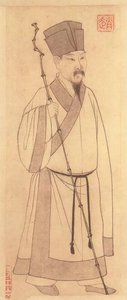
su dongpo
1037 - 1101 , China
Kratke činjenice
- Artistic Movement Or Style: Mixed-media organic art
- Artists Or Movements Influenced By This Artist: ['Dieter Roth']
- Artists Who Influenced This Artist:
- Fluxus
- Pop Art
- Arte Povera
- Date Of Death: 1998
- Full Name: Dieter Roth
- Nationality: German/Swiss
- Notable Artworks: ['Delirious Decay']

