

 Pregledaj u prostoru
 Pošalji
 Podeli
 Detalji o delu

 Преузми
 Slični predmeti
 Rendgenski snimak
 Slajdovi
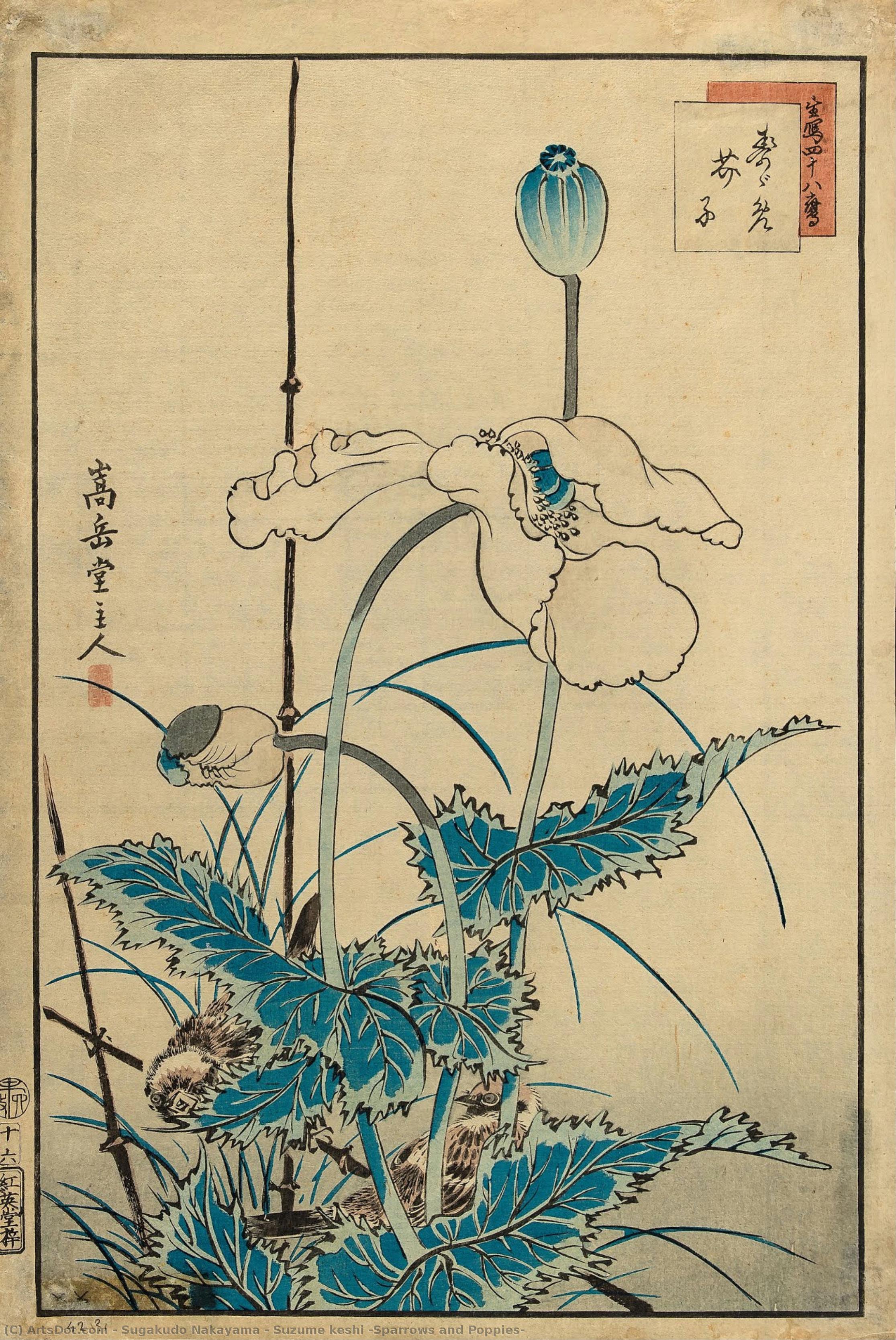
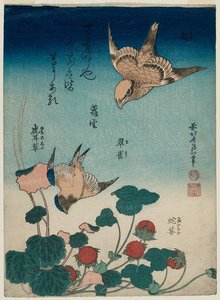
Suzume keshi (Sparrows and Poppies)

 Pročitaj više
Kupite digitalnu sliku visoke rezolucije i poboljšanog kvaliteta, koja je znatno superiornija od onoga što vidite u online prikazu.
Svaka datoteka je pedantno pripremljena od strane naših stručnjaka koristeći napredne alate i profesionalnu ručnu retušu. Osiguravamo da svaka slika ima izuzetnu oštrinu, preciznu reprodukciju boja i fine detalje.
Konačna datoteka se dostavlja putem e-pošte u roku od 72 sata, optimizovana za neposrednu upotrebu u profesionalnim, izdavačkim i štamparskim okruženjima. To je isti kvalitet kojem veruju vrhunski studiji dizajna, izdavači i galerije.
Digitalna slika
Preuzmite datoteku visoke rezolucije za ličnu upotrebu, štampanje i kreativne projekte. ( Kupi print Kupi ručno naslikanu sliku)
Uključeno uz svaku porudžbinu digitalne slike
Profesionalna digitalna isporuka, zagarantovana
Kada odaberete ArtsDot.com, ne dobijate samo sliku – vi primate profesionalno unapređeno digitalno umetničko delo, izrađeno sa najvećom preciznošću i uz garanciju zadovoljstva. Evo svega što automatski dolazi uz vašu porudžbinu:

Brza dostava putem e-pošte
Vaša digitalna slika visoke rezolucije biće vam poslata putem e-pošte u roku od 72 sata od poručivanja – spremna za trenutnu upotrebu.

Digitalna datoteka unapređena veštačkom inteligencijom
Vaše umetničko delo je profesionalno optimizovano korišćenjem naprednih AI alata i ručne obrade, čime se osiguravaju maksimalni detalji, oštrina i preciznost boja.

Besplatna ponovna isporuka doživotno
Slučajno ste obrisali ili izgubili svoju datoteku? Ne brinite – poslaćemo vam je ponovo u bilo kom trenutku, potpuno besplatno.

Bez troškova uvoza – zauvek
Uživajte u svojim umetničkim delima trenutno, bez carine, dažbina ili troškova dostave – digitalni download je uvek bez poreza.

Garancija vernosti boja
Uz pomoć profesionalnih alata i upravljanja bojama, osiguravamo da vaša digitalna slika što vernije odražava originalne boje.

Garancija zadovoljstva u roku od 60 dana
Ako niste zadovoljni svojom digitalnom slikom, revidirat ćemo je ili vratiti 100% novca u roku od 60 dana – bez ikakvih pitanja.

100% garancija povrata novca
Niste zadovoljni? Obezbedite pun povrat novca u roku od 60 dana od trenutka kada ste primili svoju digitalnu datoteku – bez suvišnih pitanja.

Popusti na velike porudžbine
Kupite 3 slike, uštedite 10% - Kupite 5 slika, uštedite 15% - Kupite 10+ slika, uštedite 20%. Odlično za kreativne projekte, galerije i agencije.
Srodna umetnička dela


Biografija umetnika
Sugakudo Nakayama: The Delicate Hand of Nature’s Echoes
Sugakudo Nakayama (c. 1850 – after 1860), a name perhaps less familiar than his master Hiroshige, stands as a quietly significant figure within the vibrant tapestry of Edo-period Japanese woodblock prints, specifically the celebrated genre of *kacho-e* – bird and flower art. Born into a world undergoing rapid transformation, Nakayama’s artistic journey was deeply intertwined with the currents of modernization sweeping through Japan, yet he steadfastly maintained a commitment to the traditional aesthetics and meticulous techniques that defined his era. His legacy resides primarily in his exquisite depictions of nature, imbued with a remarkable sensitivity to detail and a profound appreciation for the ephemeral beauty of the natural world.
Nakayama’s artistic lineage is firmly rooted in Hiroshige I (1797-1858), one of the most influential artists of the *Ukiyo-e* movement. He apprenticed under Hiroshige, absorbing not only the technical mastery required for woodblock printing but also a fundamental approach to capturing atmospheric perspective and conveying the essence of landscapes. However, while Hiroshige often focused on dramatic cityscapes and riverscapes, Nakayama’s work leaned heavily into the intimate portrayal of birds and flowers – a niche that would become his hallmark. This specialization suggests a deliberate choice, perhaps reflecting a personal inclination towards the delicate beauty he sought to render.
The Flowering of *Kacho-e*: A Masterclass in Detail
Nakayama’s most celebrated achievement is undoubtedly his series ‘Exact Reproductions of Forty-Eight Birds’ (1858) and ‘Birds and Flowers of the Four Seasons’ (1861). These works represent a pinnacle of *kacho-e* artistry, showcasing an unparalleled level of realism and technical skill. Each print is a testament to Nakayama's dedication to observation; he meticulously studied the plumage of birds, the textures of petals, and the subtle variations in light and shadow. The process itself was incredibly demanding – requiring not only artistic talent but also a deep understanding of woodblock printing techniques. The intricate embossing, achieved through careful carving of the blocks, adds a tactile dimension to the prints, further enhancing their visual impact.
What distinguishes Nakayama’s work from that of his contemporaries is perhaps his restraint in color. Unlike some of his peers who favored bold, saturated hues, Nakayama employed a more muted palette – primarily consisting of delicate greens, browns, and subtle pinks. This restrained approach allowed the details to shine through, creating an atmosphere of quiet contemplation and emphasizing the fragility of the natural subjects depicted. The use of Prussian blue, a relatively new pigment at the time, contributed significantly to the prints’ atmospheric depth and luminosity.
Symbolism and the Language of Flowers
As with many *kacho-e* artists of his era, Nakayama's work is rich in symbolic meaning. Each bird and flower was carefully chosen not merely for its aesthetic qualities but also for its association with specific virtues or emotions. For instance, the Japanese macchia (a type of flowering shrub) often symbolized longevity and good fortune, while certain birds represented themes of courage, loyalty, or beauty. Understanding these underlying symbolic layers adds another layer of appreciation to Nakayama’s prints, revealing a deeper engagement with Japanese cultural values and beliefs.
The ‘Birds and Flowers of the Four Seasons’ series is particularly noteworthy for its seasonal symbolism. Each print captures a specific moment in time – spring, summer, autumn, and winter – highlighting the cyclical nature of life and the beauty that can be found in every season. The careful selection of flora and fauna reflects the unique characteristics of each season, creating a rich tapestry of visual and symbolic meaning.
Legacy and Historical Context
Sugakudo Nakayama’s career coincided with a period of profound social and political upheaval in Japan – the Meiji Restoration (1868), which marked the end of the Tokugawa shogunate and the beginning of a new era of modernization. While many artists struggled to adapt to the changing times, Nakayama remained committed to his artistic principles, producing works that reflected both the traditions of the past and the realities of the present. His meticulous attention to detail and his unwavering dedication to capturing the beauty of nature served as a poignant reminder of Japan’s rich cultural heritage.
Although he did not achieve the same level of widespread fame as Hiroshige or Hokusai, Nakayama's work continues to be appreciated for its exquisite craftsmanship, delicate artistry, and profound connection to the natural world. His ‘Exact Reproductions of Forty-Eight Birds’ and ‘Birds and Flowers of the Four Seasons’ remain treasured examples of *kacho-e* art, offering a glimpse into the artistic sensibilities of a remarkable artist who quietly left an enduring mark on Japanese art history.
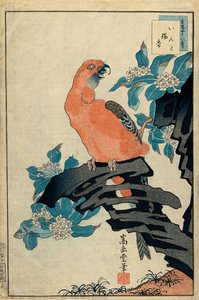
sugakudo nakayama
Japan
Kratke činjenice
- Artistic Movement Or Style: Ukiyo-e (Kacho-e)
- Artists Who Influenced This Artist: ['Hiroshige']
- Full Name: Sugakudo Nakayama
- Nationality: Japanese
- Notable Artworks:
- Suzume keshi
- Chicks, Bees and Tsuwabuki
- Inko mizuka
- Place Of Birth: Japan

