

 Pregledaj u prostoru
 Pošalji
 Podeli
 Detalji o delu

 Преузми
 Slični predmeti
 Rendgenski snimak
 Slajdovi
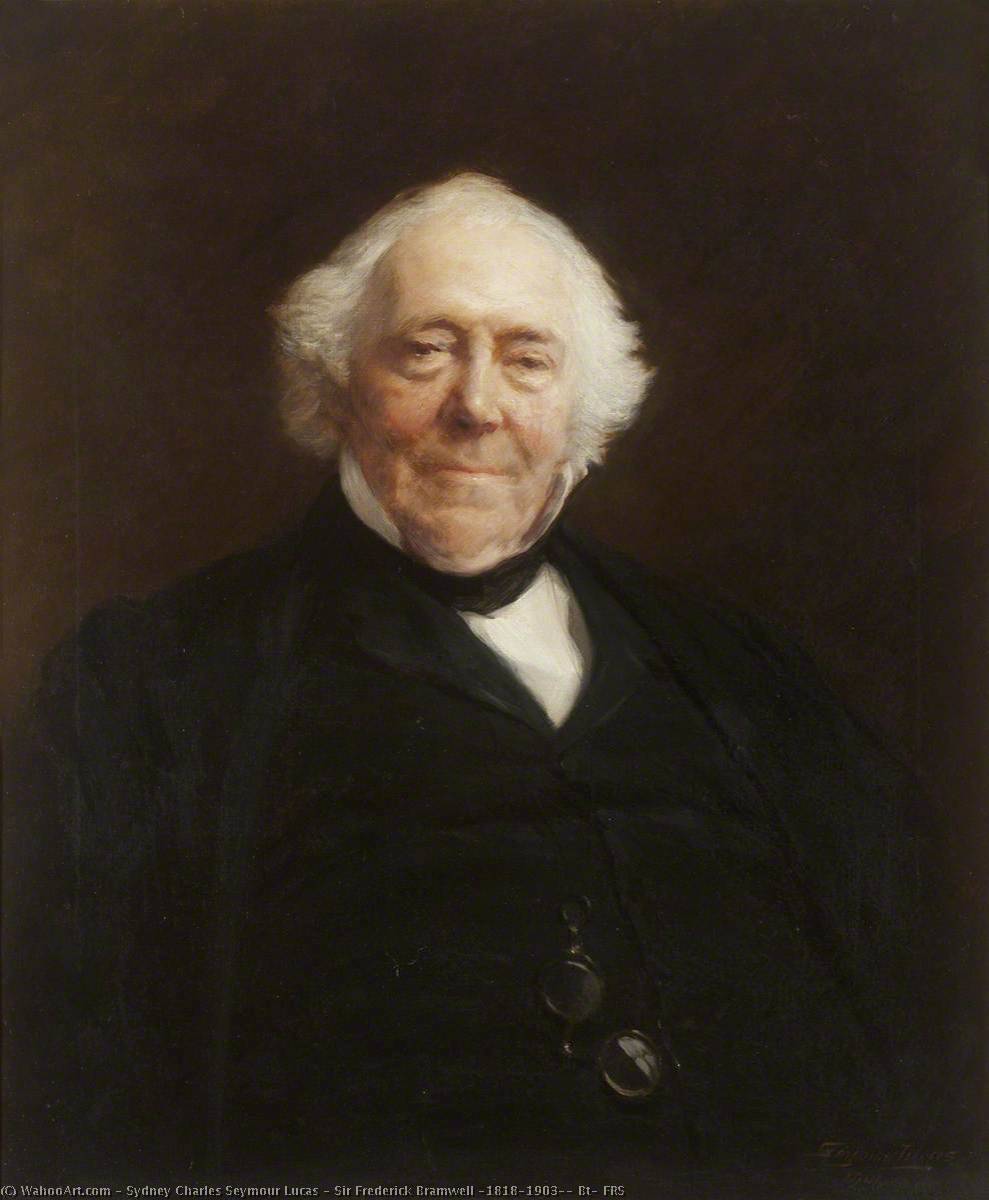
Sir Frederick Bramwell (1818–1903), Bt, FRS
 1901
1901 79.0 x 66.0 cm
 Royal Society of Arts
 Pročitaj više
Giclee štampa / Umetnički otisak
Giclée štampa ili print na platnu muzejskog kvaliteta uz brzu proizvodnju i fleksibilne opcije završne obrade. ( Kupi ručno naslikanu sliku Kupi digitalnu sliku)




































Izaberite jednu od naših unapred definisanih veličina koje odgovaraju originalnim proporcijama umetničkog dela.

Možete uneti sopstvene dimenzije kako biste umetničko delo prilagodili specifičnom okviru ili prostoru. Ako odabrani format ne odgovara proporcijama originalne slike, mi ćemo ili iscrtati deo dela ili proširiti sliku pomoću ogledane ivice ili jednobojnog popunjavanja. Digitalni prikaz će vam biti poslat na odobrenje pre početka proizvodnje.
Imajte na umu da pregled na ekranu ne odražava stvarno iscrtavanje ili proširivanje. Samo će prikaz (mockup) precizno pokazati finalnu kompoziciju.
Iako su prilagođene dimenzije dostupne, preporučujemo da odaberete dimenziju sa unapred definisane liste kako biste očuvali originalne proporcije.
Dostava širom sveta () za 2 nedelje umesto uobičajenih 4/5 nedelja. (1 септембар)

Besplatna ekspresna dostava širom sveta

Visokokvalitetno laneno platno

Kompletno osiguranje transporta

Garancija povraćaja carine i uvoznih dažbina

Garancija vernosti boja

Politika povrata u roku od 60 dana (samo u slučaju nedostataka)

Garancija povrata novca od 100%

Popust pri grupnoj kupovini
 Opcija sa staklom dostupna je samo za dimenzije manje od 110 cm

Sir Frederick Bramwell (1818–1903), Bt, FRS
Giclee štampa / Umetnički otisak
Dimenzije reprodukcije
-


Konačna cena
$ 62
Srodna umetnička dela








Biografija umetnika
Early Life and Artistic Foundations
Sydney Charles Seymour Lucas, born in London on May 11th, 1878, emerged from a family deeply rooted in the artistic traditions of Victorian England. His lineage was particularly distinguished through his uncle, John Seymour Lucas, a prominent historical painter who would become a significant early influence on the young artist’s development. Baptized at St John the Evangelist, Westminster, just weeks after his birth, Sydney's upbringing fostered an appreciation for both artistry and antiquarianism—a blend that would uniquely shape his career. While details of his earliest formal training remain somewhat elusive, it is known he benefited from a familial environment steeped in artistic practice, laying the groundwork for his future endeavors.
A Legacy of Realism and Historical Narrative
The shadow of John Seymour Lucas loomed large over Sydney’s early career. His uncle, a Royal Academician celebrated for vividly depicting British history—particularly scenes from the Tudor and Stuart periods—instilled in Sydney a commitment to realism and meticulous detail. John's influence extended beyond mere technique; he championed a narrative approach to painting, imbuing historical moments with dramatic tension and emotional resonance. This emphasis on storytelling would become a hallmark of Sydney’s own work. However, while deeply respectful of his uncle’s legacy, Sydney gradually carved out his distinct artistic identity, focusing more intently on scenes of rural life, sporting pursuits, and intimate portraiture.
Development of Style and Subject Matter
Sydney Charles Seymour Lucas distinguished himself through a captivating blend of realism and impressionistic techniques. His paintings are characterized by a remarkable ability to capture the essence of light and atmosphere, lending his works a sense of immediacy and vitality. He found particular success in depicting horses—a subject that resonated with both aristocratic patrons and a broader public fascinated by rural England. Beyond equine scenes, Lucas demonstrated a talent for portraiture, particularly portraits of women, often rendered with sensitivity and grace. His work from the 1930s showcases a refined style, balancing detailed observation with a painterly looseness that evokes mood and character.
Major Achievements and Artistic Recognition
Although not as widely celebrated as his uncle, Sydney Charles Seymour Lucas enjoyed consistent recognition throughout his career. His paintings were exhibited at prestigious venues and found their way into numerous private collections. Works like ‘Courtenay Barry’ (1916), a striking oil portrait of a soldier, exemplify his ability to capture both physical likeness and inner strength. Similarly, ‘Mrs Ernest Crofts’ (1937) showcases his skill in portraying character through subtle details and nuanced lighting. ‘Suffolk Punches, Mares and Foals’ (1938), a beautiful depiction of rural life, demonstrates his mastery of landscape and animal painting. His association with the Charles Allis Art Museum further solidifies his place within the broader art historical canon.
Historical Significance and Enduring Appeal
Sydney Charles Seymour Lucas occupies a fascinating position in British art history—a bridge between the Victorian traditions of narrative realism and the emerging sensibilities of the 20th century. His paintings offer a valuable glimpse into the social and cultural landscape of his time, reflecting both an appreciation for rural life and a keen interest in portraiture as a means of capturing individual identity. His work resonates today not only for its technical skill but also for its emotional depth and evocative atmosphere. The enduring appeal of Lucas’s paintings lies in their ability to transport viewers to another era—a time when artistry was valued, detail was prized, and the beauty of the natural world was celebrated.
Osnovne informacije
- Artistic Movement Or Style: Victorian Era Art
- Artists Or Movements Influenced By This Artist: ['Royal Academy']
- Artists Who Influenced This Artist: ['John Seymour Lucas']
- Date Of Birth: May 11, 1878
- Date Of Death: September 1954
- Full Name: Sydney Charles Seymour Lucas
- Nationality: British
- Notable Artworks:
- Suffolk Punches-Mares and Foals
- Portrait of Sheila de Quincey
- Place Of Birth: Holborn, London, UK

