

 Pregledaj u prostoru
 Pošalji
 Podeli
 Detalji o delu

 Преузми
 Slični predmeti
 Rendgenski snimak
 Slajdovi
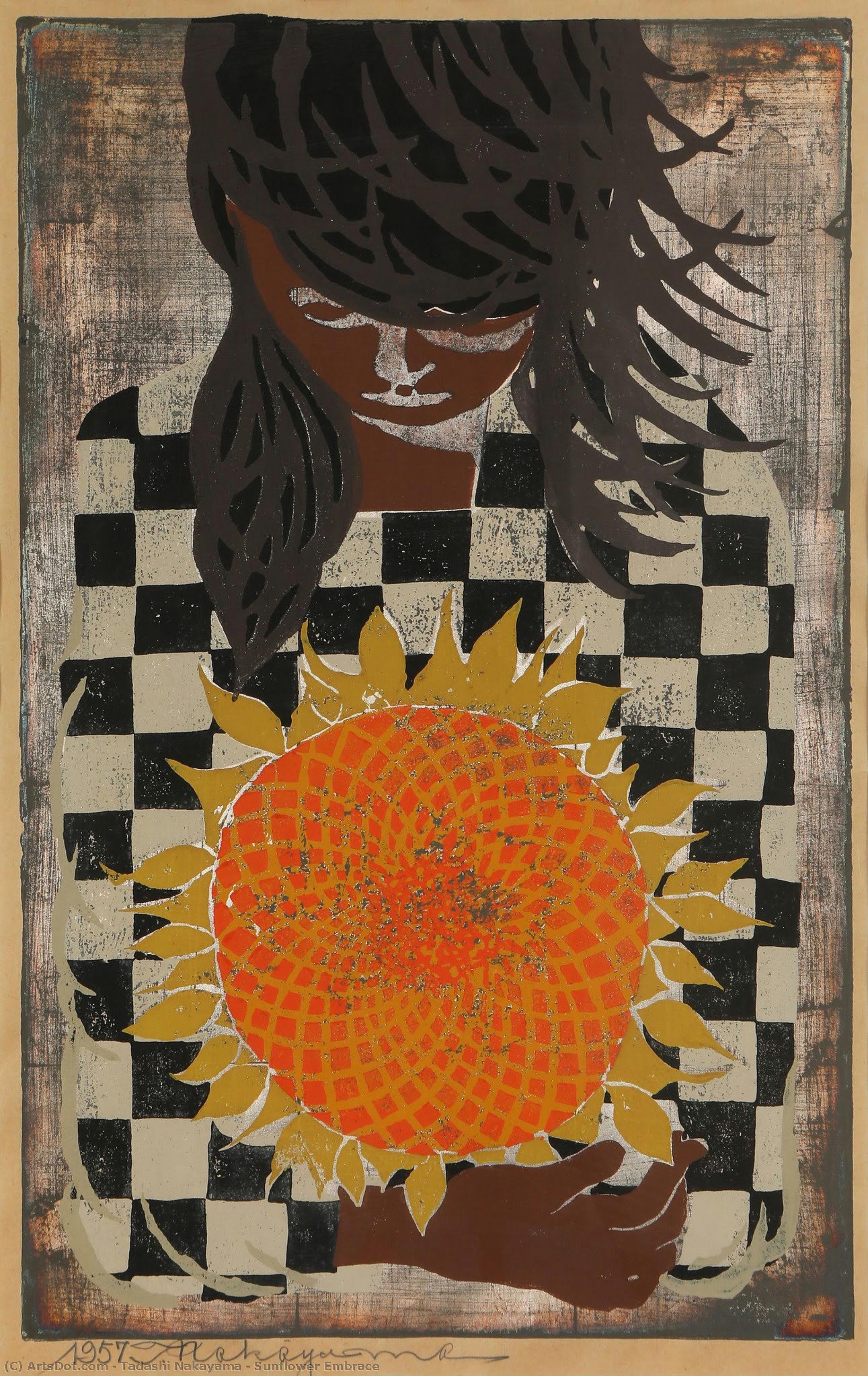
Sunflower Embrace
 1957
1957 80.0 x 55.0 cm
 Pročitaj više
Kupite digitalnu sliku visoke rezolucije i poboljšanog kvaliteta, koja je znatno superiornija od onoga što vidite u online prikazu.
Svaka datoteka je pedantno pripremljena od strane naših stručnjaka koristeći napredne alate i profesionalnu ručnu retušu. Osiguravamo da svaka slika ima izuzetnu oštrinu, preciznu reprodukciju boja i fine detalje.
Konačna datoteka se dostavlja putem e-pošte u roku od 72 sata, optimizovana za neposrednu upotrebu u profesionalnim, izdavačkim i štamparskim okruženjima. To je isti kvalitet kojem veruju vrhunski studiji dizajna, izdavači i galerije.
Digitalna slika
Preuzmite datoteku visoke rezolucije za ličnu upotrebu, štampanje i kreativne projekte. ( Kupi print Kupi ručno naslikanu sliku)
Uključeno uz svaku porudžbinu digitalne slike
Profesionalna digitalna isporuka, zagarantovana
Kada odaberete ArtsDot.com, ne dobijate samo sliku – vi primate profesionalno unapređeno digitalno umetničko delo, izrađeno sa najvećom preciznošću i uz garanciju zadovoljstva. Evo svega što automatski dolazi uz vašu porudžbinu:

Brza dostava putem e-pošte
Vaša digitalna slika visoke rezolucije biće vam poslata putem e-pošte u roku od 72 sata od poručivanja – spremna za trenutnu upotrebu.

Digitalna datoteka unapređena veštačkom inteligencijom
Vaše umetničko delo je profesionalno optimizovano korišćenjem naprednih AI alata i ručne obrade, čime se osiguravaju maksimalni detalji, oštrina i preciznost boja.

Besplatna ponovna isporuka doživotno
Slučajno ste obrisali ili izgubili svoju datoteku? Ne brinite – poslaćemo vam je ponovo u bilo kom trenutku, potpuno besplatno.

Bez troškova uvoza – zauvek
Uživajte u svojim umetničkim delima trenutno, bez carine, dažbina ili troškova dostave – digitalni download je uvek bez poreza.

Garancija vernosti boja
Uz pomoć profesionalnih alata i upravljanja bojama, osiguravamo da vaša digitalna slika što vernije odražava originalne boje.

Garancija zadovoljstva u roku od 100 dana
Ako niste zadovoljni svojom digitalnom slikom, revidirat ćemo je ili vratiti 100% novca u roku od 100 dana – bez ikakvih pitanja.

100% garancija povrata novca
Niste zadovoljni? Obezbedite pun povrat novca u roku od 100 dana od trenutka kada ste primili svoju digitalnu datoteku – bez suvišnih pitanja.

Popusti na velike porudžbine
Kupite 3 slike, uštedite 10% - Kupite 5 slika, uštedite 15% - Kupite 10+ slika, uštedite 20%. Odlično za kreativne projekte, galerije i agencije.
Srodna umetnička dela








Biografija umetnika
A Life Bridging Worlds: The Art of Tadashi Nakayama
Tadashi Nakayama, born in Niigata, Japan in 1927 and passing away in 2014, was an artist whose life and work embodied a beautiful synthesis of tradition and innovation. He wasn’t merely a woodblock printmaker; he was a cultural translator, seamlessly weaving the delicate aesthetics of *ukiyo-e* with the bold sensibilities of Western painting. His journey began with formal training in oil painting at Tama Art College, but even within that context, Nakayama felt a pull towards something deeper rooted in his heritage. He left the college in 1947, embarking on a path of self-discovery that would ultimately lead him to redefine Japanese woodblock printing for a modern audience. This wasn’t a rejection of Western techniques, however, but rather an informed choice to explore and elevate the artistic possibilities within the traditional methods he had grown up with.From Japan to Europe: A Period of Transformation
The pivotal years between 1962 and 1965 saw Nakayama venture beyond the shores of Japan, spending time in Milan, Italy, followed by a sojourn in England. This period proved transformative. Immersing himself in European art and culture wasn’t about adopting a new style wholesale; it was about refining his own vision through exposure to different perspectives. He absorbed the nuances of Renaissance composition, the vibrancy of Italian color palettes, and the expressive power of Western figurative painting. These influences didn't overshadow his Japanese roots but rather enriched them, creating a unique artistic language that resonated with both Eastern and Western sensibilities. He later became a respected educator, sharing his knowledge and passion as a teacher at Bath Academy of Arts, further solidifying his role as a bridge between cultures.Motifs and Meaning: A Symbolic Universe
Nakayama’s art is instantly recognizable for its recurring motifs – butterflies, horses, cranes, and graceful depictions of girls with long flowing hair. These weren't arbitrary choices; each symbol held deep cultural significance. The butterfly, a classic emblem in Japanese art, represents transformation, joy, and the ephemeral nature of life. Horses embody strength, freedom, and nobility, while cranes symbolize longevity, good fortune, and marital happiness. The girls with long flowing hair often evoke a sense of wistful beauty and feminine grace, drawing on traditional imagery but imbued with Nakayama’s own modern sensibility. His compositions are characterized by a delicate balance between detailed realism and stylized abstraction, creating an atmosphere that is both serene and emotionally evocative. He wasn't simply illustrating these symbols; he was using them to explore universal themes of beauty, mortality, and the human condition.Later Years and Artistic Evolution
As Nakayama’s career progressed, his artistic exploration expanded beyond traditional Japanese iconography. He began incorporating elements inspired by Persian miniatures, Byzantine mosaics, and Renaissance painting – a testament to his lifelong fascination with diverse art forms. This fusion of styles wasn't haphazard; it was a deliberate attempt to create something entirely new, a visual language that transcended cultural boundaries. His later pieces often feature intricate patterns, rich textures, and a heightened sense of color, demonstrating a mastery of woodblock printing techniques honed over decades. He pushed the boundaries of what *ukiyo-e* could be, proving that tradition wasn’t about rigid adherence to form but rather a foundation for innovation and personal expression.Legacy and Historical Significance
Tadashi Nakayama's contribution to Japanese art lies in his ability to revitalize the woodblock print tradition while simultaneously forging a unique artistic identity. He didn’t simply replicate the past; he reinterpreted it, infusing it with modern sensibilities and global influences.- He successfully bridged the gap between Eastern and Western aesthetics.
- His work introduced *ukiyo-e* to a wider international audience.
- Nakayama’s emphasis on symbolism and emotional depth elevated woodblock printing beyond mere craft.

tadashi nakayama
1927 - 2014 , Japan