

 Pregledaj u prostoru
 Pošalji
 Podeli
 Detalji o delu

 Преузми
 Slični predmeti
 Rendgenski snimak
 Slajdovi
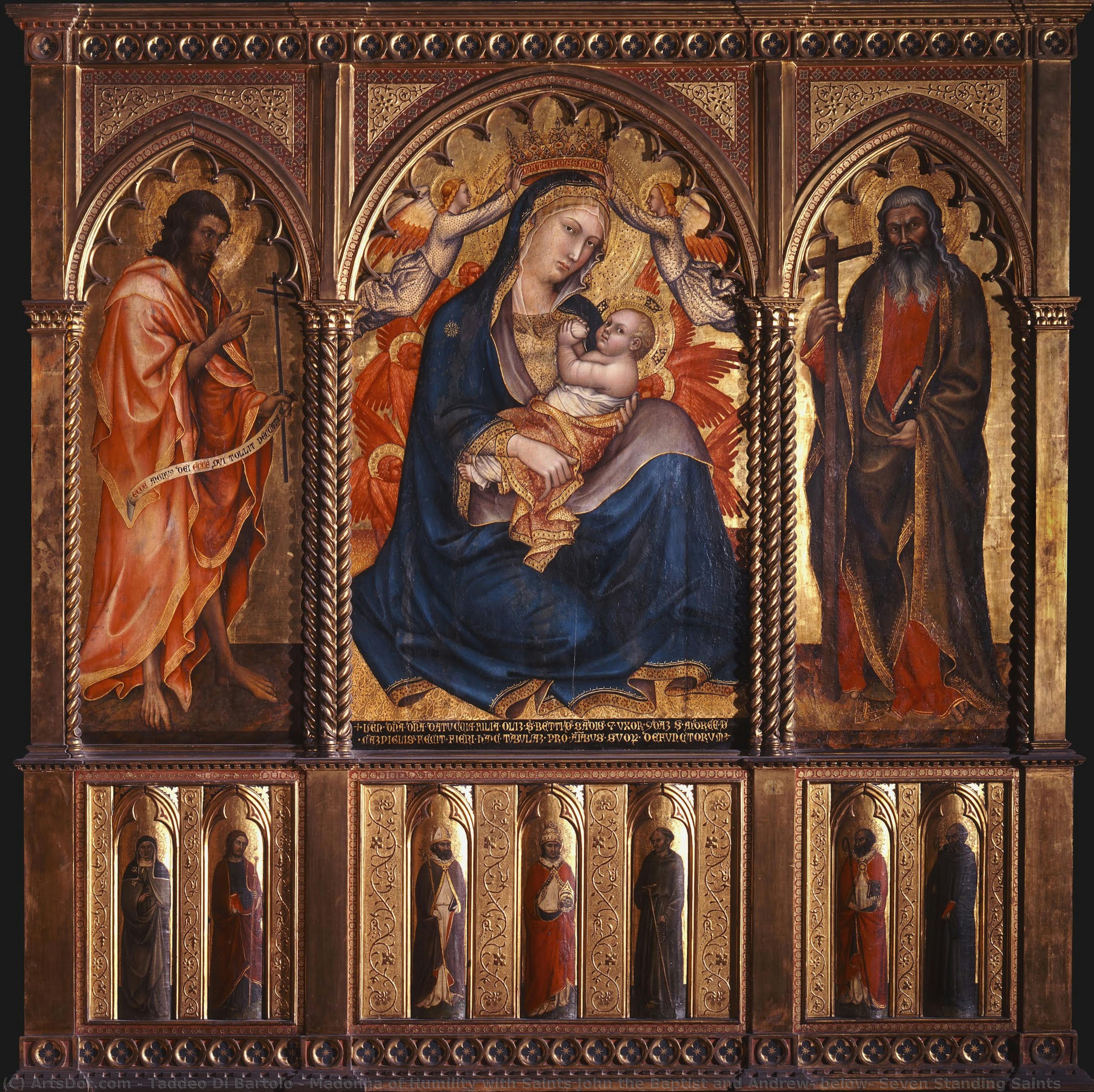
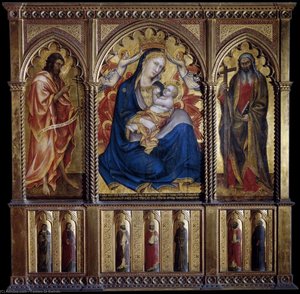
Madonna of Humility with Saints John the Baptist and Andrew; below: Seven Standing Saints
 Sienese School
 1395
1395 185.0 x 186.0 cm
 Музеј личних уметности Будимпешта
 Pročitaj više
Ručno rađena uljana reprodukcija
Ručno oslikano uljanim bojama na platnu u dimenzijama i okviru po vašem izboru, izrađeno po porudžbini od strane naših umetnika. ( Kupi print Kupi digitalnu sliku)




P118B $10

P118H $10

P118W $10

P438Z $10

P508JH $12

P508YH $12

P805H $10

P805Z $10

P919BZ $10

P919G $10

P919XJ $10

P959ZH $10

P968JZ $12

W106C $8

W218G $10

W218JH $8

W218Y $10

W307PJ $10

W316G $10

W316PJ $8

W316Y $10

W398PJ $8

W4111J $10

W500HY $15

W500JH $15

W692G $12

W849H $8

W940BG $15

W953PJ $8




Izaberite jednu od naših unapred definisanih veličina koje odgovaraju originalnim proporcijama umetničkog dela.

Можете унети сопствене димензије како бисте прилагодили дело одређеном оквиру или простору. Ако одабрана величина не одговара пропорцијама оригинала, слика ће бити исечена или проширена додатним елементима који се ручно насликавају. Дигитални prikaz ће вам бити послат на одобрење пре почетка производње.
Имајте на уму да преглед на екрану не одражава стварно исецање или проширење. Само приказ (mockup) ће тачно приказати коначну композицију.
Иако су доступне прилагођене величине, препоручујемо да одаберете димензију из дефинисане листе како бисте сачували оригиналне пропорције.
Nakon narudžbine, tim ArtsDot.com će klijentu putem e-pošte poslati uputstva i dostaviti prikaz predloženog rešenja
Isporuka širom sveta () za 3/4 nedelje umesto uobičajenih 5 nedelja. (25 август). Bez kompromisa po pitanju kvaliteta.

Besplatna ekspresna dostava širom sveta

Visokokvalitetno laneno platno

Kompletno osiguranje transporta

Garancija povraćaja carine i uvoznih dažbina

Garancija vernosti boja

Politika povrata u roku od 60 dana (samo u slučaju nedostataka)

Garancija povrata novca od 100%

Popust pri grupnoj kupovini
 Opcija sa staklom dostupna je samo za dimenzije manje od 110 cm

Madonna of Humility with Saints John the Baptist and Andrew; below: Seven Standing Saints
Tehnika reprodukcije
Dimenzije reprodukcije
-


Konačna cena
$ 263
Opis umetničkog dela
A Divine Embrace: Unveiling Taddeo di Bartolo’s Madonna of Humility
Taddeo di Bartolo's "Madonna of Humility with Saints John the Baptist and Andrew; below: Seven Standing Saints" is more than just a painting; it’s a profound meditation on faith, humility, and the divine feminine. Completed in 1395 during the early Renaissance in Siena, Italy, this tempera-on-panel artwork transcends its physical dimensions to offer a glimpse into the spiritual heart of the era. The piece immediately captivates with its luminous palette – rich golds, deep blues, and earthy reds—creating an atmosphere both serene and intensely devotional. It’s a work that speaks not just to the eye but directly to the soul, inviting contemplation on themes of grace, protection, and the interconnectedness of humanity and the divine.
- Compositional Harmony: The central focus is undeniably Mary, depicted in a pose of gentle authority, cradling the infant Jesus. Her serene expression and graceful posture radiate an aura of maternal love and spiritual wisdom. The arrangement of the surrounding saints—John the Baptist, Andrew, and seven unnamed figures—is meticulously balanced, creating a visual pyramid that draws the viewer’s eye upwards towards the central figure.
- Symbolic Richness: The painting is laden with symbolism. The title itself, "Madonna of Humility," alludes to a specific Marian devotion emphasizing Mary's willingness to accept God’s will without complaint. The presence of seven standing saints below represents the seven virtues – faith, hope, charity, prudence, justice, temperance, and fortitude—further reinforcing the theme of divine grace.
A Window into Sienese Art: The Renaissance in Miniature
Taddeo di Bartolo’s work is a quintessential example of the flourishing artistic scene in Siena during the late 14th century, a period often considered the apex of Sienese painting. Influenced by the legacy of Simone Martini and Ambrogio Lorenzetti—masters who championed elegance, lyricism, and intricate detail—Taddeo skillfully blended these traditions with emerging Renaissance ideals. The use of tempera on panel, a technique favored for its ability to produce vibrant colors and fine details, is particularly evident in the meticulous rendering of fabrics, jewelry, and facial features. The painting’s scale – 185 x 186 cm – suggests it was intended for a prominent religious setting, perhaps a chapel or altar within a wealthy family's home.
Vasari’s “Lives of the Most Excellent Painters” provides valuable insight into Taddeo’s artistic lineage, noting his uncle Domenico di Bartolo as a key influence. This familial connection highlights the importance of patronage and apprenticeship in shaping the careers of artists during this period.The Art of Detail: Technique and Materials
Close examination reveals the remarkable skill of Taddeo’s hand. The drapery, rendered with astonishing realism, flows with a sense of weight and volume, creating a tactile quality that invites the viewer to reach out and touch it. The gold leaf used in the background—a hallmark of Sienese painting—adds an ethereal glow, enhancing the overall sense of divinity. The artist’s mastery of perspective is subtly demonstrated through the careful arrangement of figures and objects, creating a believable illusion of depth within the frame. The use of layering and glazing techniques ensures that the colors remain luminous and vibrant even after centuries of exposure.
- Tempera on Panel: This medium allowed for precise color control and detail work, crucial to Taddeo’s meticulous style.
- Gold Leaf: The extensive use of gold not only adds visual splendor but also symbolizes divine light and wealth.
- Layered Glazes: These techniques created depth and luminosity in the colors, contributing to the painting's rich appearance.
A Legacy Enduring: The Painting’s Significance Today
Currently housed at the Museum of Fine Arts (Budapest, Hungary), “Madonna of Humility” remains a powerful testament to the artistic achievements of the early Renaissance. It serves as a poignant reminder of the enduring appeal of religious art—its ability to inspire faith, evoke emotion, and connect us to centuries of human experience. Reproductions of this masterpiece continue to grace homes and galleries worldwide, offering a tangible connection to a pivotal moment in Western art history. Its serene beauty and profound symbolism ensure that Taddeo di Bartolo’s legacy will endure for generations to come.
Srodna umetnička dela
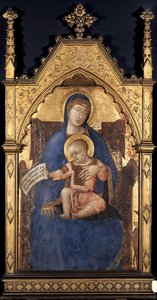
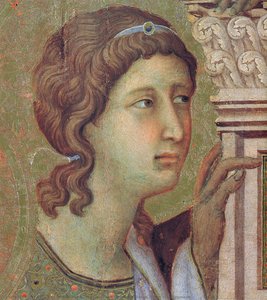
Biografija umetnika
The Dawn of a Sienese Master
In the golden twilight of the Trecento, as the medieval world began to stir toward the light of the Renaissance, Taddeo di Bartolo emerged as a transformative force within the Sienese School. Born in Siena around 1362, Taddeo was not merely a painter but a bridge between eras, a master capable of weaving the delicate, lyrical elegance of the Gothic tradition with a burgeoning sense of structural depth and emotional gravity. His life and work represent the very heartbeat of Siena during a period of profound cultural transition, where the spiritual intensity of religious iconography began to meet a more humanistic observation of the world.
The foundations of his artistry were laid in the fertile workshops of Tuscany, where the air was thick with the legacy of masters like Simone Martini and Ambrogio Lorenzetti. While much of his early training remains shrouded in the mists of history, it is widely believed that he absorbed the sculptural sensibilities of the Pisano lineage, which gifted his paintings a rare sense of tactile presence. This unique lineage allowed him to move beyond the flat, decorative surfaces of his predecessors, introducing a subtle weight and volume to his figures that would captivate both clergy and commoners alike.
A Tapestry of Devotion and Technique
Taddeo’s oeuvre is a magnificent testament to his versatility, ranging from monumental frescoes that breathe life into cathedral walls to intimate altarpieces that invite silent prayer. His mastery of the fresco technique allowed him to command vast architectural spaces, most notably in his breathtaking works within the Cappella Nuova in San Francesco di Assisi. In these large-scale narratives, he utilized an early understanding of atmospheric perspective and light to create illusionistic depths, guiding the viewer's eye through sacred histories with a fluid, cinematic grace.
Beyond the grand scale, his panel paintings reveal a meticulous devotion to detail and a sophisticated use of color. His compositions often feature:
- Luminous Pigments: A palette rich in ultramarine, vermilion, and gold leaf that reflects the divine splendor of his subjects.
- Emotional Resonance: A departure from static iconography toward faces that convey profound sorrow, joy, or contemplative peace.
- Architectural Precision: The use of structured backgrounds to ground holy figures within a tangible, albeit idealized, reality.
In works such as his Virgin and Child with Saints, one can witness the evolution of his hand—moving from the more rigid, ornamental patterns of the late Gothic style toward a more robust and naturalistic approach. This development was not merely a personal triumph but a reflection of the shifting artistic zeitgeist in Italy, where the pursuit of beauty became increasingly intertwined with the pursuit of truth.
Legacy and Historical Significance
The historical significance of Taddeo di Bartolo lies in his role as a custodian of Sienese identity during a period of immense change. As the Renaissance began to shift its center of gravity toward Florence, Taddeo ensured that Siena maintained its distinct, sophisticated voice—one characterized by grace, decorative splendor, and a deep, spiritual lyricism. He did not merely imitate the trends of his time; he synthesized them, creating a stylistic language that felt both ancient and remarkably modern.
His influence echoed through the workshops of his successors, providing a blueprint for how religious narrative could be rendered with both monumental scale and delicate intimacy. Today, as we gaze upon his surviving works in collections spanning from Siena to Budapest, we see more than just relics of the 14th century; we see the enduring spirit of an artist who captured the transition of an age. Taddeo di Bartolo remains a cornerstone of the Sienese Renaissance, a painter whose brushstrokes continue to illuminate the profound intersection of the human and the divine.
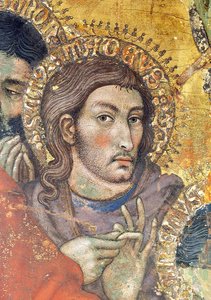
Taddeo di Bartolo
1362 - 1422 , Italy
Osnovne informacije
- Artistic Movement Or Style: Early Renaissance
- Artists Or Movements Influenced By This Artist: ['Gothic Art']
- Artists Who Influenced This Artist:
- Simone Martini
- Ambrogio Lorenzetti
- Date Of Birth: 1362
- Date Of Death: 1422
- Full Name: Taddeo di Bartolo
- Nationality: Italian
- Notable Artworks:
- Madonna of Humility with Saints John the Baptist and Andrew
- Head of an Angel in Full Face
- Christ and the Twelve Apostles
- Place Of Birth: Siena, Italy
Povezani članci

Giotto di Bondone: 25 Remek-dela koji definišu renesansu | ArtsDot
Istražite 25 remek-dela Giotta di Bondonea i otkrijte renesansnu umetnost u punom sjaju. Freske, oltarske slike & istorija italijanske umetnosti na ArtsDot.com! Reprodukcije vrhunskog kvaliteta za vaš dom.
Rafaela Sanzio: 25 Remek-dela Renesansnog Majstora za Vaš Dom | ArtsDot
Uronite u svet Rafaela Sanzija! Otkrijte 25 remek-dela renesansnog umetnika, od Madona do fresaka Vatikana. Inspiracija za dekoraciju enterijera i kupovina reprodukcija slika visoke rezolucije na ArtsDot.com.
Proto-Renaissance Masters: 10 Artworks That Changed History | ArtsDot
Journey back to the dawn of Renaissance art! Explore 10 iconic Proto-Renaissance masterpieces by Giotto, Cimabue & Duccio. Discover their stories, techniques & lasting impact. Find museum-quality reproductions for your home at ArtsDot.com
Top 25 dela sa Bijenala u Veneciji: Umetnička remekapela za vaš dom | ArtsDot.com
Istražite 25 remekapela sa Bijenala u Veneciji! Otkrijte priče iza poznatih slikara, stilova i tehnika. Reprodukcije slika vrhunskog kvaliteta za dekoraciju enterijera. Inspiracija & kupovina na ArtsDot.com
The Hague School: Realism, Atmosphere & the Dawn of Dutch Impressionism
Explore the Hague School's pivotal role in Dutch art history. Discover realism, atmospheric landscapes & its influence on Impressionism. Learn about key artists like Mauve & Maris with ArtsDot.

