

 Pregledaj u prostoru
 Pošalji
 Podeli
 Detalji o delu

 Преузми
 Slični predmeti
 Rendgenski snimak
 Slajdovi
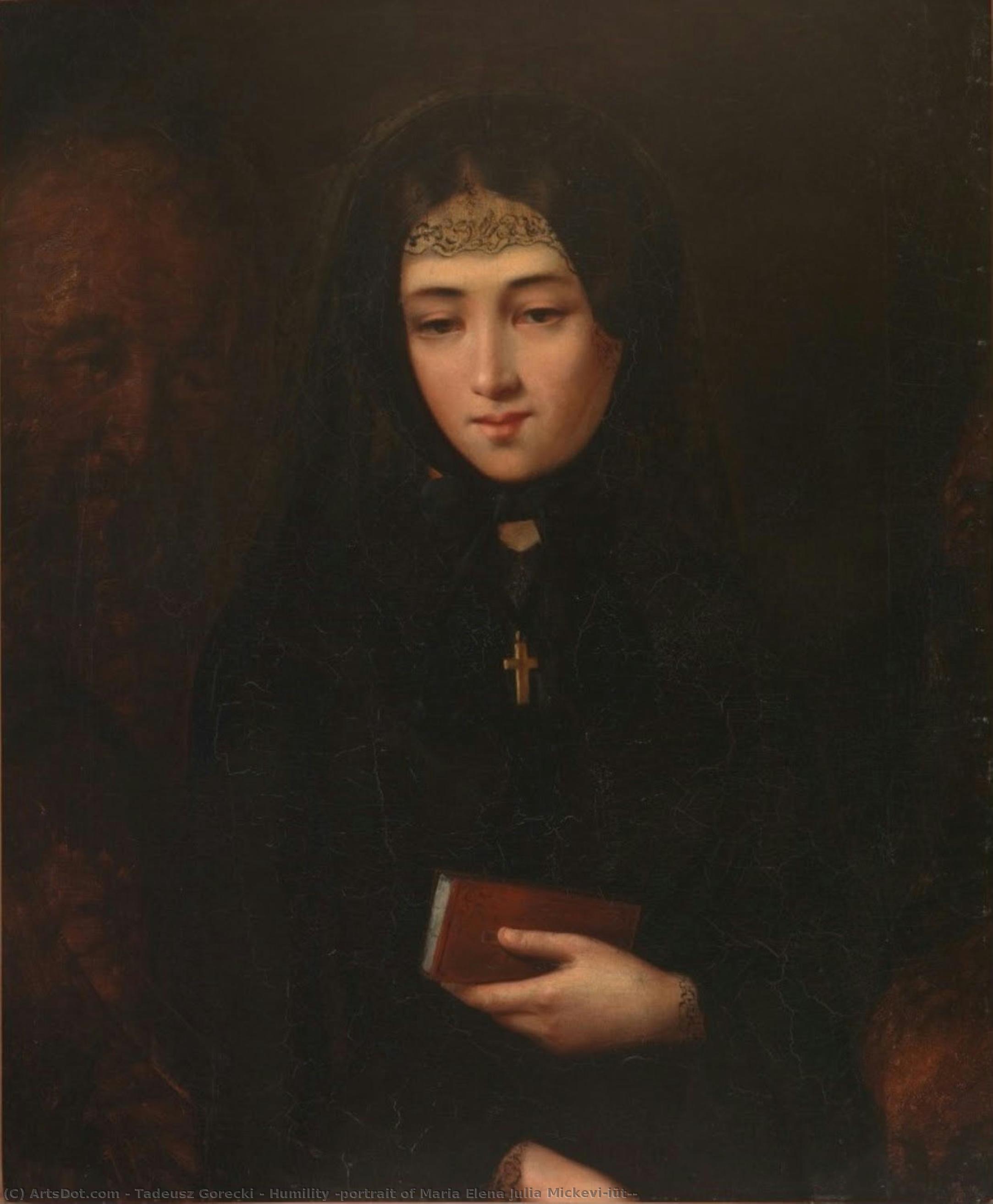
Humility (portrait of Maria Elena Julia Mickevičiūtė)


 Pročitaj više
Ručno rađena uljana reprodukcija
Ručno oslikano uljanim bojama na platnu u dimenzijama i okviru po vašem izboru, izrađeno po porudžbini od strane naših umetnika. ( Kupi print Kupi digitalnu sliku)




































Izaberite jednu od naših unapred definisanih veličina koje odgovaraju originalnim proporcijama umetničkog dela.

Можете унети сопствене димензије како бисте прилагодили дело одређеном оквиру или простору. Ако одабрана величина не одговара пропорцијама оригинала, слика ће бити исечена или проширена додатним елементима који се ручно насликавају. Дигитални prikaz ће вам бити послат на одобрење пре почетка производње.
Имајте на уму да преглед на екрану не одражава стварно исецање или проширење. Само приказ (mockup) ће тачно приказати коначну композицију.
Иако су доступне прилагођене величине, препоручујемо да одаберете димензију из дефинисане листе како бисте сачували оригиналне пропорције.
Nakon narudžbine, tim ArtsDot.com će klijentu putem e-pošte poslati uputstva i dostaviti prikaz predloženog rešenja
Isporuka širom sveta () za 3/4 nedelje umesto uobičajenih 5 nedelja. (7 септембар). Bez kompromisa po pitanju kvaliteta.

Besplatna ekspresna dostava širom sveta

Visokokvalitetno laneno platno

Kompletno osiguranje transporta

Garancija povraćaja carine i uvoznih dažbina

Garancija vernosti boja

Politika povraćaja u roku od 100 dana (isključivo u slučaju nedostataka)

Garancija povrata novca od 100%

Popust pri grupnoj kupovini
 Opcija sa staklom dostupna je samo za dimenzije manje od 110 cm

Humility (portrait of Maria Elena Julia Mickevičiūtė)
Tehnika reprodukcije
Dimenzije reprodukcije
-


Konačna cena
$ 263
Srodna umetnička dela







Biografija umetnika
A Life Forged in the Crucible of History
The life of Tadeusz Górecki (1825–1868) was a poignant reflection of the turbulent era in which he lived, a period where the boundaries of nations and identities were constantly being redrawn. Born in the manor of Dusenėtai near Vilnius, Górecki emerged from an aristocratic Polish-Lithuanian lineage that had been profoundly shaken by political upheaval. He was the son of the renowned poet Antoni Gorecki, whose flight to Paris following the November Uprising left the family’s possessions at the mercy of Russian authorities. This early encounter with loss and displacement infused his character with a certain soulful resilience, a quality that would later manifest in the emotive depth of his canvases. While his upbringing was marked by the shadows of political instability, his spirit was illuminated by an early, innate fascination for the visual arts, nurtured by the guidance of his cousin, Walenty Wañoski, and refined within the prestigious halls of the Imperial Academy of Fine Arts.
His artistic journey was significantly shaped by his apprenticeship under the legendary Karl Bryullov. Under this master’s tutelage, Górecki learned to navigate the delicate balance between the grandiosity of Neoclassicism and the burgeoning emotional intensity of Romanticism. This period of intense study at the Academy in Saint Petersburg provided him with a disciplined technical foundation, teaching him how to manipulate light and composition to achieve a sense of monumental scale. His early contributions to the decoration of Saint Isaac's Cathedral served as a testament to this mastery, proving that he could handle the weight of sacred, large-scale fresco work with both precision and dramatic flair.
The Wanderer’s Eye: A European Odyssey
Górecki was not merely a student of the academy but a true wanderer of the European landscape, whose travels served as a continuous expansion of his visual vocabulary. In 1850, he embarked on an ambitious expedition that would take him through the cultural heartlands of Warsaw, Berlin, and Paris, eventually reaching the sun-drenched landscapes of Spain and Italy. This journey was far more than a simple tour; it was a profound period of artistic osmosis. In Madrid, he spent invaluable hours within the halls of the Museo del Prado, meticulously copying the works of Old Masters such as Raphael. These exercises in imitation were, in reality, deep explorations of technique, allowing him to absorb the subtle nuances of color and form that define the pinnacle of Western art.
His time in Spain left an indelible mark on his palette and subject matter, particularly through his evocative depictions of the Alhambra. As he moved through Europe, his work began to bridge the gap between the idealized beauty taught by Bryullov and a more grounded, observational realism. This evolution allowed him to capture not only the grandeur of historical architecture but also the intimate, often tender, moments of human existence. His ability to blend the sweeping narratives of Romanticism with a meticulous, almost photographic attention to detail made his work uniquely captivating to an audience caught between two eras.
Legacy of Emotion and Intimacy
As his career matured, Górecki found himself increasingly drawn to themes of domestic ritual, religious devotion, and the quiet dignity of the human condition. His later years in Paris, where he settled permanently by 1857, saw him establishing himself as both a teacher and a respected contributor to the city's vibrant art scene. It was during this time that his personal life became intertwined with the highest echelons of Polish literary history, through his marriage to Maria Elena Julia Mickiewicz, the daughter of the legendary poet Adam Mickiewicz. This union not only connected him to a rich cultural heritage but also solidified his place within the broader narrative of the Polish-Lithuanian intelligentsia.
The enduring significance of Tadeusz Górecki lies in his ability to render the ephemeral moments of life with a sense of permanence. Whether through the heartbreaking vulnerability found in A Blind Beggar and a Boy or the solemn, heavy atmosphere of The Last Communion of a Dying Woman, his paintings resonate with a profound empathy. His oeuvre stands as a bridge between styles—a synthesis of classical discipline and Romantic passion. Even today, his works serve as vital windows into the 19th-century soul, reminding us of a time when art was used to navigate the complexities of faith, family, and the shifting tides of history.
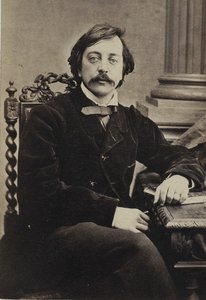
tadeusz gorecki
1825 - 1868 , Lithuania
Osnovne informacije
- Artistic Movement Or Style: Genre Painting Portrait Painting
- Artists Or Movements Influenced By This Artist:
- Vincent Van Gogh
- Leonardo Da Vinci
- Artists Who Influenced This Artist: ['Karl Bryullov']
- Date Of Birth: 1825 Vilnius Lithuania
- Date Of Death: 1868
- Full Name: Tadeusz Gorecki
- Nationality: Polish Lithuanian
- Notable Artworks:
- Humility
- Peter Klodt
- Place Of Birth: Dusienięta Lithuania