

 Pregledaj u prostoru
 Pošalji
 Podeli
 Detalji o delu

 Преузми
 Slični predmeti
 Rendgenski snimak
 Slajdovi
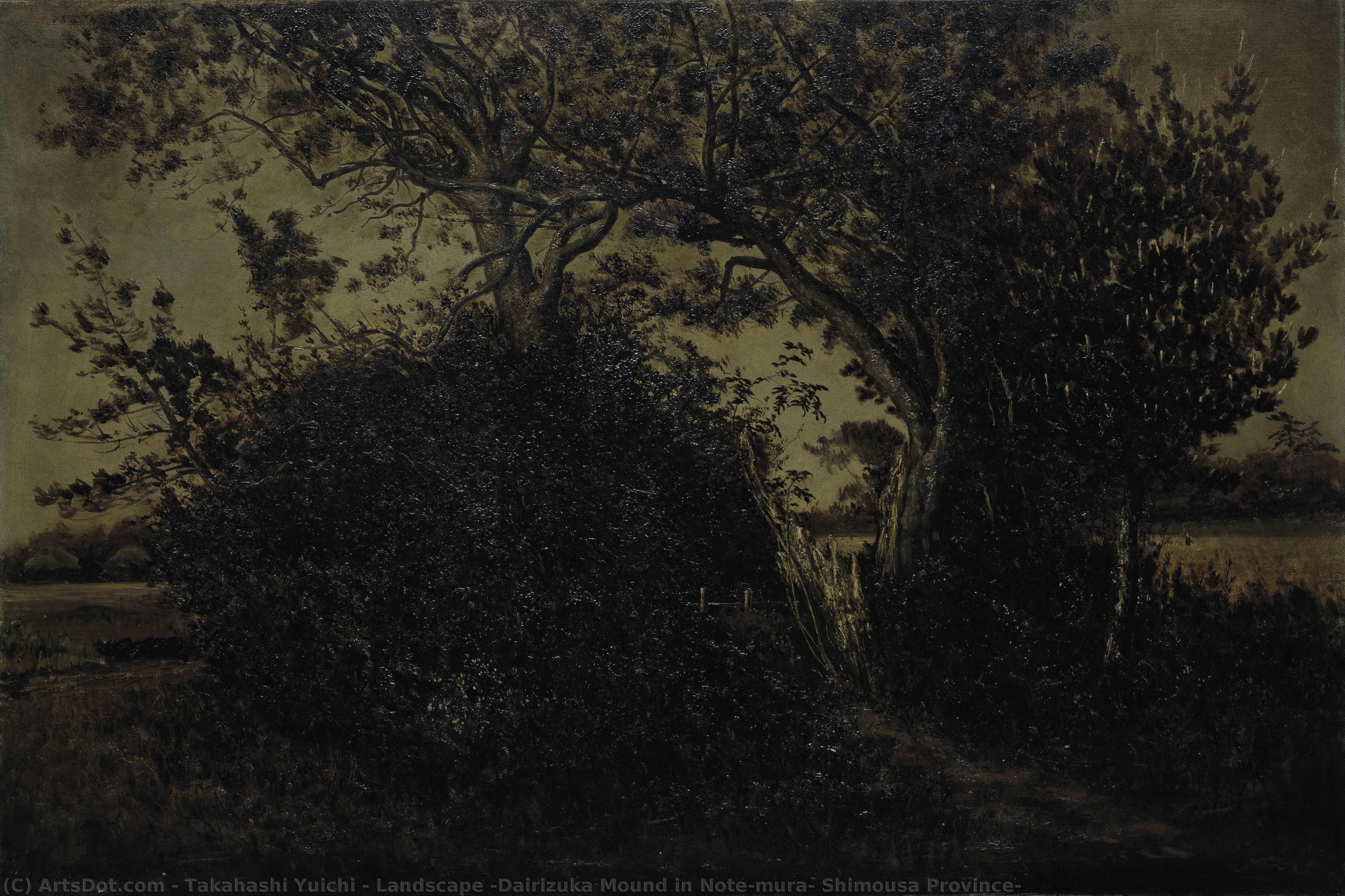
Landscape (Dairizuka Mound in Note-mura, Shimousa Province)

 Pročitaj više
Giclee štampa / Umetnički otisak
Giclée štampa ili print na platnu muzejskog kvaliteta uz brzu proizvodnju i fleksibilne opcije završne obrade. ( Kupi ručno naslikanu sliku Kupi digitalnu sliku)




































Izaberite jednu od naših unapred definisanih veličina koje odgovaraju originalnim proporcijama umetničkog dela.

Možete uneti sopstvene dimenzije kako biste umetničko delo prilagodili specifičnom okviru ili prostoru. Ako odabrani format ne odgovara proporcijama originalne slike, mi ćemo ili iscrtati deo dela ili proširiti sliku pomoću ogledane ivice ili jednobojnog popunjavanja. Digitalni prikaz će vam biti poslat na odobrenje pre početka proizvodnje.
Imajte na umu da pregled na ekranu ne odražava stvarno iscrtavanje ili proširivanje. Samo će prikaz (mockup) precizno pokazati finalnu kompoziciju.
Iako su prilagođene dimenzije dostupne, preporučujemo da odaberete dimenziju sa unapred definisane liste kako biste očuvali originalne proporcije.
Dostava širom sveta () za 2 nedelje umesto uobičajenih 4/5 nedelja. (28 август)

Besplatna ekspresna dostava širom sveta

Visokokvalitetno laneno platno

Kompletno osiguranje transporta

Garancija povraćaja carine i uvoznih dažbina

Garancija vernosti boja

Politika povrata u roku od 60 dana (samo u slučaju nedostataka)

Garancija povrata novca od 100%

Popust pri grupnoj kupovini
 Opcija sa staklom dostupna je samo za dimenzije manje od 110 cm

Landscape (Dairizuka Mound in Note-mura, Shimousa Province)
Giclee štampa / Umetnički otisak
Dimenzije reprodukcije
-


Konačna cena
$ 62
Srodna umetnička dela








Biografija umetnika
The Pioneer of Light and Shadow: The Life of Takahashi Yuichi
In the twilight of the Edo period and the dawn of a modernizing Japan, one man stood at the precipice of a profound cultural metamorphosis. Takahashi Yuichi (1828–1894) was not merely a painter; he was a visionary who dared to bridge the ancient traditions of the samurai class with the burgeoning realism of Western oil painting. Born into a prestigious lineage as a descendant of the Hotta clan, Yuichi’s early life was steeped in the disciplined aesthetics of the Kanō school. This foundation in meticulous brushwork and symbolic representation provided him with a technical rigor that would later serve as the bedrock for his revolutionary experiments with light, texture, and volume.
As Japan opened its borders during the Bakumatsu period, Yuichi became captivated by the arrival of European lithographs and Western artistic perspectives. This curiosity was not a rejection of his heritage but an expansion of it. While many of his contemporaries remained tethered to the flat, decorative elegance of traditional Japanese styles, Yuichi sought to capture the tangible essence of the physical world. His journey led him to the Bansho Shirabesho, where he studied under influential figures like Kawakami Togai and even received direct instruction from Westerners such as Charles Wirgament. This period of intense cross-cultural study allowed him to master the nuances of oil pigments, enabling him to translate the subtle gradations of shadow and the visceral textures of nature onto a canvas.
A Masterpiece of Realism: The Legacy of Salmon and Beauty
The true genius of Takahashi Yuichi lies in his ability to synthesize disparate worlds into a singular, cohesive language. His most iconic works serve as profound testaments to this synthesis. Consider his seminal still life, "Salmon" (Sake). In this breathtaking achievement, the artist moves beyond mere representation to capture the very soul of the subject. Through the masterful application of oil paint, he renders the glistening scales, the moist flesh, and the heavy, organic weight of the fish with a startling realism that was unprecedented in Japan. It is a work that demands the viewer acknowledge the physical presence of the object, marking a definitive departure from the more stylized depictions of the past.
In his portraiture, such as the hauntingly beautiful "Beauty (Courtesan)", Yuichi demonstrates an equally profound command over human form and atmosphere. Here, the influence of his traditional training meets the Western pursuit of anatomical accuracy and chiaroscuro. He does not merely paint a figure; he creates a presence that breathes within the frame, utilizing light to sculpt the delicate features and rich fabrics of his subject. His work during this era was characterized by a sense of yōga—a new way of seeing that embraced the depth and dimensionality of the Western tradition while retaining a uniquely Japanese sensibility toward composition and grace.
Architect of a New Artistic Era
Beyond the canvas, Takahashi Yuichi’s historical significance is found in his tireless advocacy for the institutionalization of modern art. He understood that for Western-style painting to flourish in Japan, it required more than individual talent; it required infrastructure. To this end, he took on roles as an educator and a promoter, opening his own painting school, Tenkairo, and publishing influential art magazines like Gayu Sekichin. His ambitions were grand, encompassing the dream of establishing dedicated art museums to foster public appreciation for these new techniques.
His achievements reached the global stage when he presented works such as Fugaku Taizu at the World Expo in Vienna and showcased his oil paintings at the Paris World Expo. These international engagements were crucial in asserting that Japanese artists could participate in the global artistic dialogue on equal footing. Even as he was commissioned to paint the portrait of the Meiji Emperor, Yuichi remained a pioneer who refused to be confined by borders—be they geographical or stylistic. His life remains a powerful narrative of innovation, proving that true progress is found when we honor our roots while fearlessly embracing the unknown.
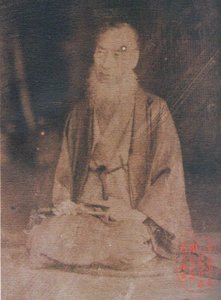
takahashi yuichi
1828 - 1894 , Japan
Osnovne informacije
- Artistic Movement Or Style: Yōga painting
- Artists Or Movements Influenced By This Artist: ['Shiba Kōkan']
- Artists Who Influenced This Artist: ['Kanō School']
- Date Of Birth: Tokyo, Japan (1828)
- Date Of Death: 1894
- Full Name: Takahashi Yuichi
- Nationality: Japanese
- Notable Artworks:
- Beauty (Courtesan)
- Salmon
- Place Of Birth: Tokyo

