

 Pregledaj u prostoru
 Pošalji
 Podeli
 Detalji o delu

 Преузми
 Slični predmeti
 Rendgenski snimak
 Slajdovi
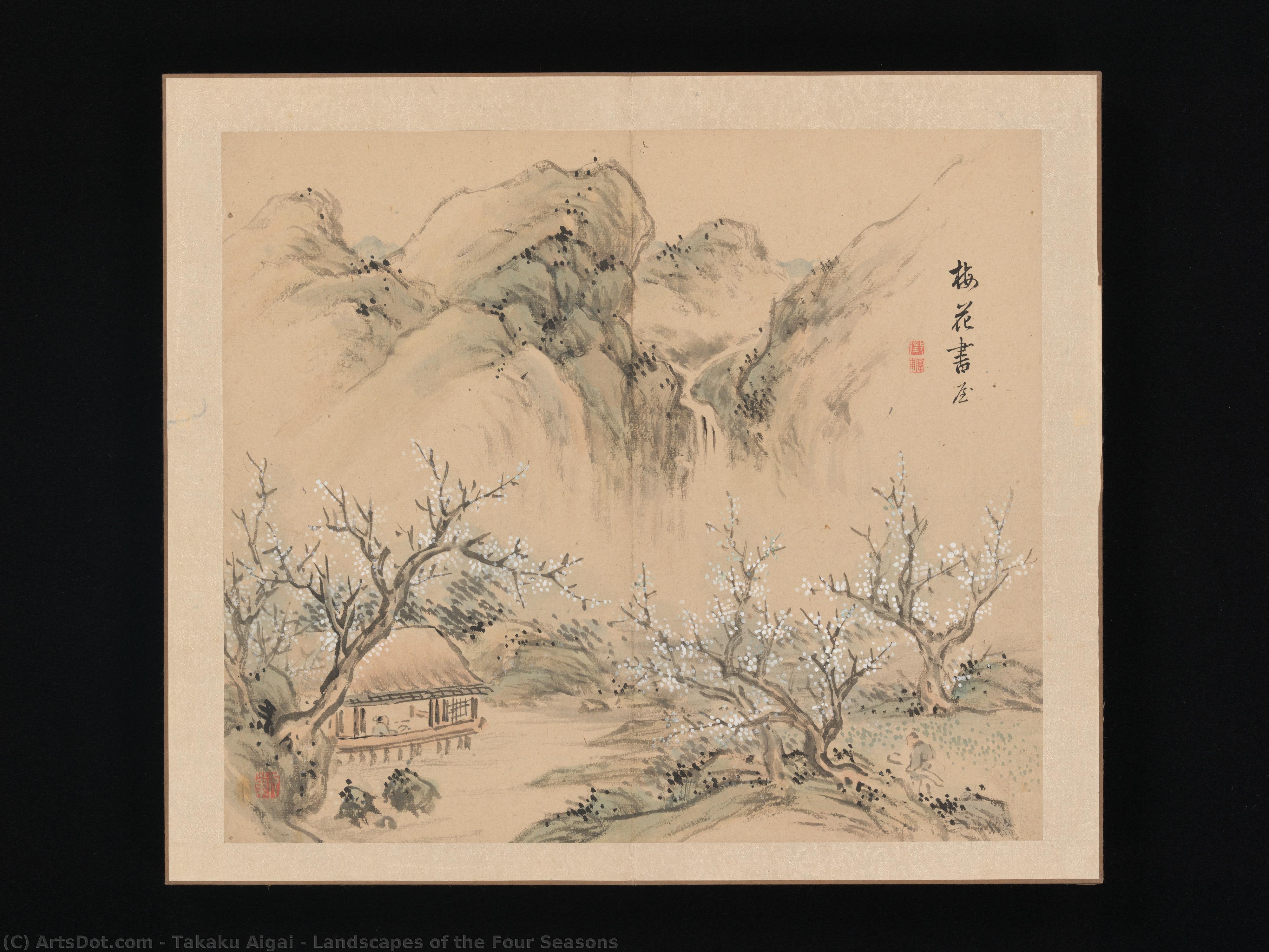
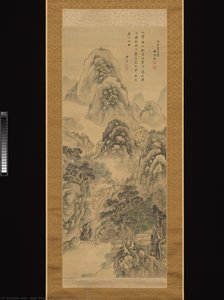
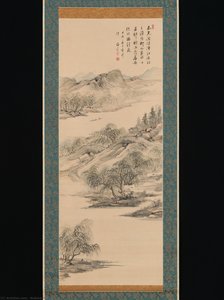
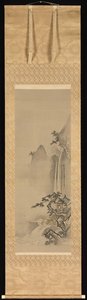
Landscapes of the Four Seasons


 Pročitaj više
Ručno rađena uljana reprodukcija
Ručno oslikano uljanim bojama na platnu u dimenzijama i okviru po vašem izboru, izrađeno po porudžbini od strane naših umetnika. ( Kupi print Kupi digitalnu sliku)




































Izaberite jednu od naših unapred definisanih veličina koje odgovaraju originalnim proporcijama umetničkog dela.

Можете унети сопствене димензије како бисте прилагодили дело одређеном оквиру или простору. Ако одабрана величина не одговара пропорцијама оригинала, слика ће бити исечена или проширена додатним елементима који се ручно насликавају. Дигитални prikaz ће вам бити послат на одобрење пре почетка производње.
Имајте на уму да преглед на екрану не одражава стварно исецање или проширење. Само приказ (mockup) ће тачно приказати коначну композицију.
Иако су доступне прилагођене величине, препоручујемо да одаберете димензију из дефинисане листе како бисте сачували оригиналне пропорције.
Nakon narudžbine, tim ArtsDot.com će klijentu putem e-pošte poslati uputstva i dostaviti prikaz predloženog rešenja
Isporuka širom sveta () za 3/4 nedelje umesto uobičajenih 5 nedelja. (27 август). Bez kompromisa po pitanju kvaliteta.

Besplatna ekspresna dostava širom sveta

Visokokvalitetno laneno platno

Kompletno osiguranje transporta

Garancija povraćaja carine i uvoznih dažbina

Garancija vernosti boja

Politika povrata u roku od 60 dana (samo u slučaju nedostataka)

Garancija povrata novca od 100%

Popust pri grupnoj kupovini
 Opcija sa staklom dostupna je samo za dimenzije manje od 110 cm

Landscapes of the Four Seasons
Tehnika reprodukcije
Dimenzije reprodukcije
-


Konačna cena
$ 263
Srodna umetnička dela
Biografija umetnika
A Life Immersed in Nature: The World of Takaku Aigai
Takaku Aigai, born in 1796 in the tranquil district of Nasu, Shimotsuke Province (present-day Kuroiso, Tochigi Prefecture), was a Japanese painter whose life and work were deeply intertwined with the natural world. His early years unfolded amidst the serene landscapes that would become his enduring muse. From a young age, Aigai demonstrated a profound inclination towards painting and calligraphy, an artistic calling nurtured by the traditions of his region and a burgeoning sensitivity to beauty in its most subtle forms. He embarked on a formal study under the esteemed painter Gion Nankai, absorbing the principles of literati painting – a style emphasizing intellectual expression and personal cultivation alongside technical skill. This foundational training proved pivotal, shaping not only Aigai’s technique but also his philosophical approach to art. He would later become an instructor himself, passing on this legacy to future generations.The Blossoming of a Unique Style
Aigai's artistic development was characterized by a delicate balance between tradition and innovation. While firmly rooted in the literati style, he didn’t merely replicate its conventions; instead, he infused it with his own distinct sensibility. His paintings are immediately recognizable for their exquisite brushwork – light, fluid strokes that capture the essence of form rather than meticulous detail. Elegant compositions were another hallmark, often featuring landscapes imbued with a quiet sense of atmosphere and contemplation. He excelled in several genres, including evocative landscapes, compelling figure studies, and particularly charming bird-and-flower paintings. These weren’t simply depictions of nature; they were expressions of his inner state, reflections on the harmony between humanity and the environment. His mastery extended to ink painting, where he skillfully employed varying shades and textures to create depth and mood.Influences and Artistic Philosophy
The influence of Tani Bunchō (1763-1840), a leading Nanga artist in Edo, is clearly visible in Aigai’s work. Bunchō's emphasis on capturing the spirit of his subjects resonated deeply with Aigai, who similarly sought to convey not just *what* he saw but *how* it felt to be immersed in nature. The principles of Zen Buddhism also played a significant role, encouraging a focus on simplicity, spontaneity, and direct experience. Aigai’s paintings often evoke a sense of stillness and tranquility, inviting viewers to pause and contemplate the beauty of the present moment. He embraced the Confucian value of righteousness, subtly reflected in his depictions of bamboo – a symbol of resilience and integrity. His art wasn't about grand narratives or elaborate symbolism; it was about finding profound meaning in the ordinary, celebrating the quiet dignity of nature and the human spirit.Legacy and Historical Significance
Although Aigai’s life was relatively short – he passed away in 1843 – his impact on Japanese painting during the 19th century was considerable. He became a respected figure within artistic circles, known for both his technical skill and his refined aesthetic sensibility. His work helped to bridge the gap between traditional literati painting and emerging styles, influencing subsequent generations of artists. A piece like “Landscapes of the Four Seasons” (1833) exemplifies his mastery of *Shanshui* style – a genre known for its atmospheric perspective and delicate brushwork. Even today, Aigai’s paintings are admired for their serene beauty and evocative power. His art serves as a reminder of the importance of connecting with nature, finding solace in simplicity, and expressing one's inner world through creative expression. His influence continues to be felt in contemporary Japanese painting, solidifying his place as a significant figure in the nation’s artistic heritage.Selected Works & Collections
- Landscapes of the Four Seasons (1833): A prime example of his *Shanshui* style, showcasing delicate brushwork and atmospheric perspective.
- Bamboo and Rocks by a Stream (1832): Held in the collection of The Metropolitan Museum of Art, this folding fan exemplifies his skill in depicting bamboo as a symbol of resilience and righteousness. The signature reveals a dedication to Rinsai, highlighting the importance of artistic relationships.
- Ink paintings of birds and flowers: Numerous examples demonstrate his ability to capture the essence of nature with minimal strokes, conveying both beauty and tranquility.
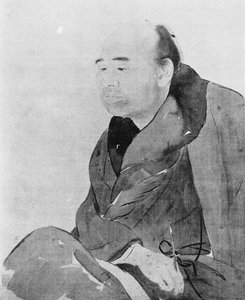
takaku aigai
1796 - 1843 , Japan
Osnovne informacije
- Artistic Movement Or Style: Literati painting
- Artists Or Movements Influenced By This Artist: 19th-century painting
- Artists Who Influenced This Artist:
- Gion Nankai
- Tani Bunchō
- Date Of Birth: 1796
- Date Of Death: 1843
- Full Name: Takaku Aigai
- Nationality: Japanese
- Notable Artworks:
- Landscapes of the Four Seasons
- Bamboo and Rocks by a Stream
- Place Of Birth: Nasu, Japan
Povezani članci

Katsushika Hokusai: 25 Remek-dela Japanskog Umetnika za Vaš Dom | ArtsDot
Uronite u svet Katsushike Hokusaija! Otkrijte 25 remek-dela japanskog umetnika, uključujući čuveni 'Veliki talas'. Ukiyo-e štampe, pejzaži i istorija iza svakog dela. Pronađite inspiraciju za dekor enterijera i kupite reprodukcije slika vrhunskog kvaliteta na ArtsDot.com.
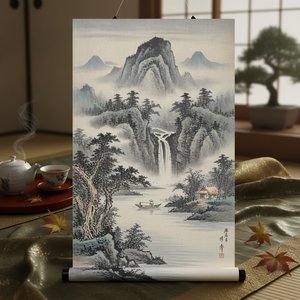
Serenity on Canvas: A Guide to the Timeless Beauty of Japanese Landscape Painting
Discover the serene beauty of Japanese landscape painting. From Hokusai's iconic woodblock prints to meditative sumi-e ink washes, explore a visual journey through the 'floating world' and learn how to bring this timeless Zen aesthetic into your modern home decor.

Glavna dela koja su definisala Romantični pejzaž: 10 remek-dela za vaš dom
Otkrijte 10 remek-dela romantičnog pejzažnog slikarstva! Uronite u svet Claude Lorraina, Caspara David Friedricha i Turnera. Ispričane priče umetnosti, inspiracija za dekoraciju doma. Kvalitetne reprodukcije na ArtsDot.com – istražite celu kolekciju online!

Evocations of Place: A Historical Journey Through Landscape Art
Explore the rich history of landscape art with ArtsDot. Discover renowned artists, movements like Impressionism & Romanticism, and expert guidance for collecting timeless pieces. Find your perfect serene escape today!
Serene Visions: Exploring Themes of Tranquility in Art History & Contemporary Practice
Explore the history of serene landscape art & discover artists who evoke tranquility. Find the perfect calming artwork for your home with expert guidance from ArtsDot.

