

 Pregledaj u prostoru
 Pošalji
 Podeli
 Detalji o delu

 Преузми
 Slični predmeti
 Rendgenski snimak
 Slajdovi
 Stats
StatsOde to Youth


 Pročitaj više
Ručno rađena uljana reprodukcija
Ručno oslikano uljanim bojama na platnu u dimenzijama i okviru po vašem izboru, izrađeno po porudžbini od strane naših umetnika. ( Switch to Print Switch to Digital Image)




P118B $10

P118H $10

P118W $10

P438Z $10

P508JH $12

P508YH $12

P805H $10

P805Z $10

P919BZ $10

P919G $10

P919XJ $10

P959ZH $10

P968JZ $12

W106C $8

W218G $10

W218JH $8

W218Y $10

W307PJ $10

W316G $10

W316PJ $8

W316Y $10

W398PJ $8

W4111J $10

W500HY $15

W500JH $15

W692G $12

W849H $8

W940BG $15

W953PJ $8




Izaberite jednu od naših unapred definisanih veličina koje odgovaraju originalnim proporcijama umetničkog dela.

Можете унети сопствене димензије како бисте прилагодили дело одређеном оквиру или простору. Ако одабрана величина не одговара пропорцијама оригинала, слика ће бити исечена или проширена додатним елементима који се ручно насликавају. Дигитални prikaz ће вам бити послат на одобрење пре почетка производње.
Имајте на уму да преглед на екрану не одражава стварно исецање или проширење. Само приказ (mockup) ће тачно приказати коначну композицију.
Иако су доступне прилагођене величине, препоручујемо да одаберете димензију из дефинисане листе како бисте сачували оригиналне пропорције.
Nakon narudžbine, tim ArtsDot.com će klijentu putem e-pošte poslati uputstva i dostaviti prikaz predloženog rešenja
Isporuka širom sveta () za 3/4 nedelje umesto uobičajenih 5 nedelja. (8 септембар). Bez kompromisa po pitanju kvaliteta.

Besplatna ekspresna dostava širom sveta

Visokokvalitetno laneno platno

Kompletno osiguranje transporta

Garancija povraćaja carine i uvoznih dažbina

Garancija vernosti boja

Politika povraćaja u roku od 100 dana (isključivo u slučaju nedostataka)

Garancija povrata novca od 100%

Popust pri grupnoj kupovini
 Opcija sa staklom dostupna je samo za dimenzije manje od 110 cm

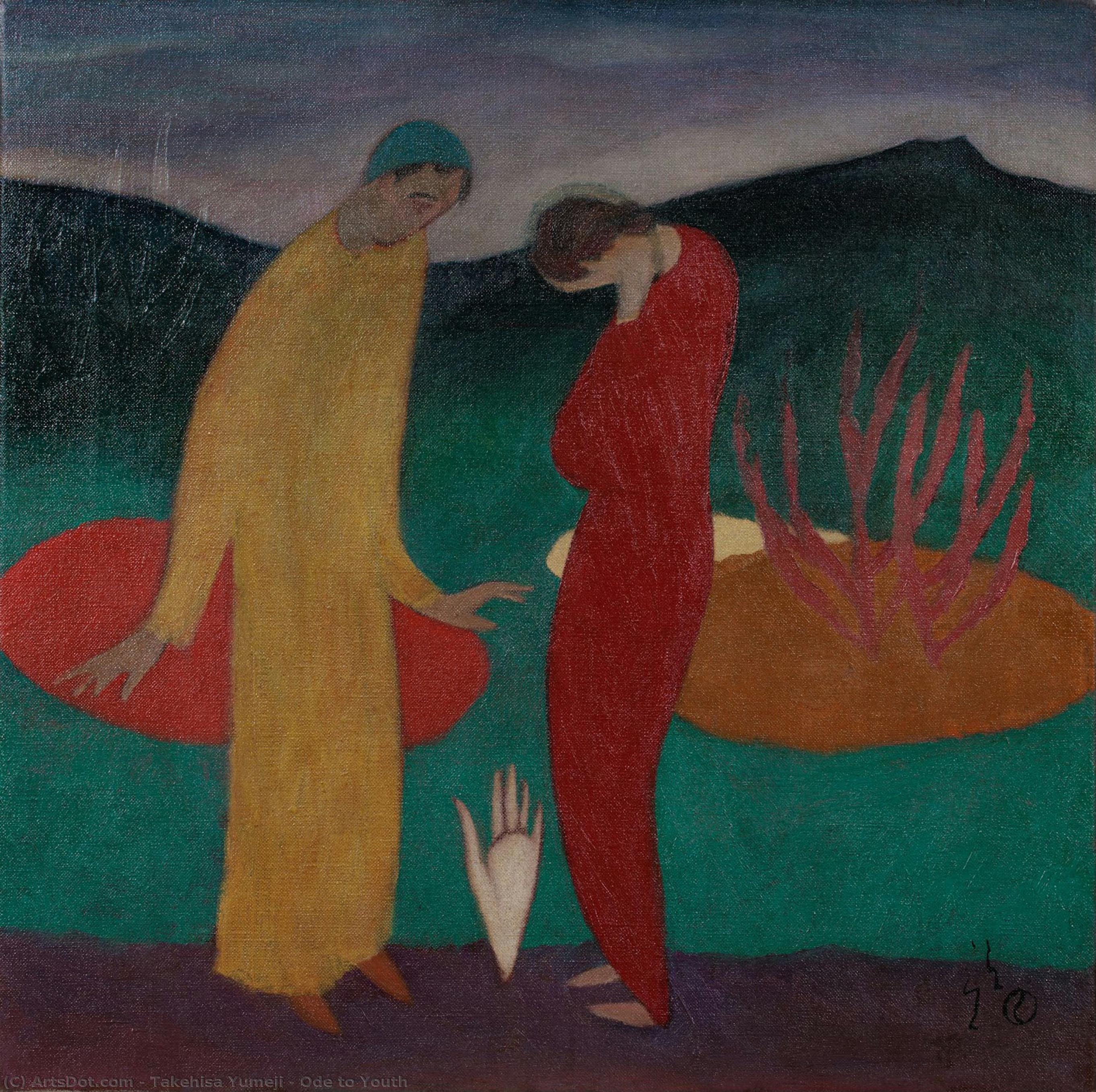
Ode to Youth
Tehnika reprodukcije
Dimenzije reprodukcije
-


Konačna cena
$ 263
A Poetic Encounter in Color
In the delicate strokes of Takehisa Yumeji’s Ode to Youth, we find ourselves transported to a moment suspended in time, where the ephemeral beauty of the Taisho era meets a profound sense of nostalgia. This evocative piece captures a quiet, shared intimacy between two figures set against the majestic backdrop of a distant mountain. On one side, a man holds a surfboard, a symbol of leisure and the rhythmic pulse of the sea, while beside him, a woman in a striking red dress gazantly looks downward. The composition is anchored by a collection of seemingly disparate objects—a skateboard, a handbag, and scattered remnants of youth—that weave a narrative of modern life intersecting with classical grace. It is a painting that does not merely depict a scene but invites the viewer to inhabit a memory.
The technique employed here is a masterful display of Yumeji’s unique Nihonga influence, blended with a romanticized, illustrative sensibility. His brushwork possesses a soft, almost dreamlike quality that blurs the lines between reality and impression. The way the light interacts with the vibrant red of the woman's attire creates a focal point that draws the eye inward, toward the shared gaze of the subjects. There is a rhythmic flow to the composition, where the depth provided by the mountain range serves to push the foreground elements toward the viewer, creating an immersive experience. For the collector, this piece offers a sophisticated interplay of texture and color that commands attention without overwhelming the space.
Symbolism and the Spirit of an Era
Beyond its visual charm, Ode to Youth serves as a poignant meditation on the fleeting nature of vitality. The title itself suggests a tribute to the vigor and innocence of early life, yet the presence of objects like the skateboard and surfboard hints at a burgeoning modernity that was reshaping Japan in the early 20th century. Yumeji, a master of capturing the bijin (beautiful women), imbues his subjects with a soulful melancholy, a hallmark of his style. The downward gaze of the figures suggests a moment of introspection or perhaps a shared secret, making the artwork feel deeply personal and emotionally resonant.
For interior designers and art enthusiasts, this reproduction offers more than just decoration; it provides a conversational centerpiece that evokes a sense of timelessness. Whether placed in a contemporary gallery-style living room or a classic study, the painting’s ability to blend historical Japanese aesthetics with universal themes of companionship and nostalgia makes it an invaluable addition to any curated collection. It is a work that breathes life into a room, offering a window into a world where every object tells a story and every shadow holds a memory.
Srodna umetnička dela



Biografija umetnika
The Ethereal Spirit of Taisho Romanticism
Born amidst the tranquil and scenic landscapes of the Seto Inland Sea in 1884, Takehisa Yumeji emerged as a profound architect of the Japanese soul during the transformative Taisho period. His life and work were inextricably linked to the romanticism of his era, a time characterized by a delicate tension between traditional Japanese values and the burgeoning influences of Western modernity. As both a poet and a painter, Yumeji possessed an uncanny ability to capture the ephemeral—the fleeting glance of a maiden, the soft light of dusk, and the quiet melancholy that resides in the heart of beauty. His artistry was not merely a visual pursuit but a lyrical expression of a nation in transition, weaving together the classical elegance of Nihonga with a modern, emotive sensibility that resonated deeply with the public consciousness.The Grace of the Bijin-ga
Central to Yumeji’s enduring legacy is his mastery of bijin-ga, the art of depicting beautiful women and girls. His illustrations are celebrated for their soft, flowing lines and a certain dreamy, almost nostalgic quality that has become synonymous with his name. These figures often possess an air of wistful longing, their eyes reflecting a depth of emotion that transcends simple portraiture. Through his use of Nihonga techniques, he achieved a delicate balance of color and form, creating characters that felt both timeless and intimately connected to the contemporary spirit of his day. His creative vision was remarkably versatile, allowing his aesthetic to permeate various mediums, including:- Exquisite book covers that transformed literature into visual poetry.
- Serial newspaper illustrations that brought storytelling to the masses.
- Delicate postcards and furoshiki patterns that turned everyday objects into canvases of beauty.
- Intricate designs on patterned washi paper.
A Lasting Impression on Japanese Modernity
The significance of Takehisa Yumeji lies in his ability to democratize art, making it an accessible and cherished part of the cultural fabric. By applying his unique aesthetic to mass-produced items and popular media, he bridged the gap between high art and everyday life. His influence can be felt in the way modern Japanese design continues to embrace a blend of nostalgia and contemporary flair. Though his life was cut short in 1934, the visual language he created—marked by its romanticism, its gentle melancholy, and its profound respect for the beauty found in the subtle details of existence—continues to inspire artists and collectors alike, ensuring that the spirit of Yumeji remains eternally vibrant within the annals of Japanese art history.
takehisa yumeji
1884 - 1934 , Japan
Osnovne informacije
- Artistic Movement Or Style: Nihonga, Taisho Romanticism
- Artists Or Movements Influenced By This Artist: Modern Japanese art
- Date Of Birth: 1884
- Date Of Death: 1934
- Full Name: Takehisa Yumeji
- Nationality: Japanese
- Place Of Birth: Seto Inland Sea, Japan
Povezani članci

Crimson Threads of Narrative: Exploring Symbolism & Representation in Artworks Featuring the Red Dress
Explore the rich symbolism of the red dress in art history! From ancient power displays to iconic portraits like Cézanne’s 'Madame Cezanne', discover the cultural and artistic significance behind this captivating color. Expert analysis & insights.

Glavna dela koja su definisala Romantični pejzaž: 10 remek-dela za vaš dom
Otkrijte 10 remek-dela romantičnog pejzažnog slikarstva! Uronite u svet Claude Lorraina, Caspara David Friedricha i Turnera. Ispričane priče umetnosti, inspiracija za dekoraciju doma. Kvalitetne reprodukcije na ArtsDot.com – istražite celu kolekciju online!
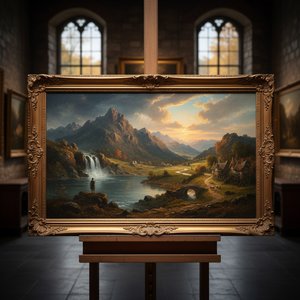
The Sublime and the Picturesque: Exploring Emotion & Nature in Romantic Landscape Painting
Explore the emotional power of Romantic landscape painting! Discover the sublime & picturesque traditions, key artists like Friedrich & Cole, and find your perfect artwork at ArtsDot.

Evocations of Place: A Historical Journey Through Landscape Art
Explore the rich history of landscape art with ArtsDot. Discover renowned artists, movements like Impressionism & Romanticism, and expert guidance for collecting timeless pieces. Find your perfect serene escape today!

25 Remek-dela Džona Konstebla: Lepota Engleske na Platnu | ArtsDot
Uronite u svet Džona Konstebla! Otkrijte 25 remek-dela engleskog pejzaža, romantizma i seoske idile. Kupite reprodukcije slika vrhunskog kvaliteta za dekoraciju enterijera na ArtsDot.com.