

 Pregledaj u prostoru
 Pošalji
 Podeli
 Detalji o delu

 Преузми
 Slični predmeti
 Rendgenski snimak
 Slajdovi
 Stats
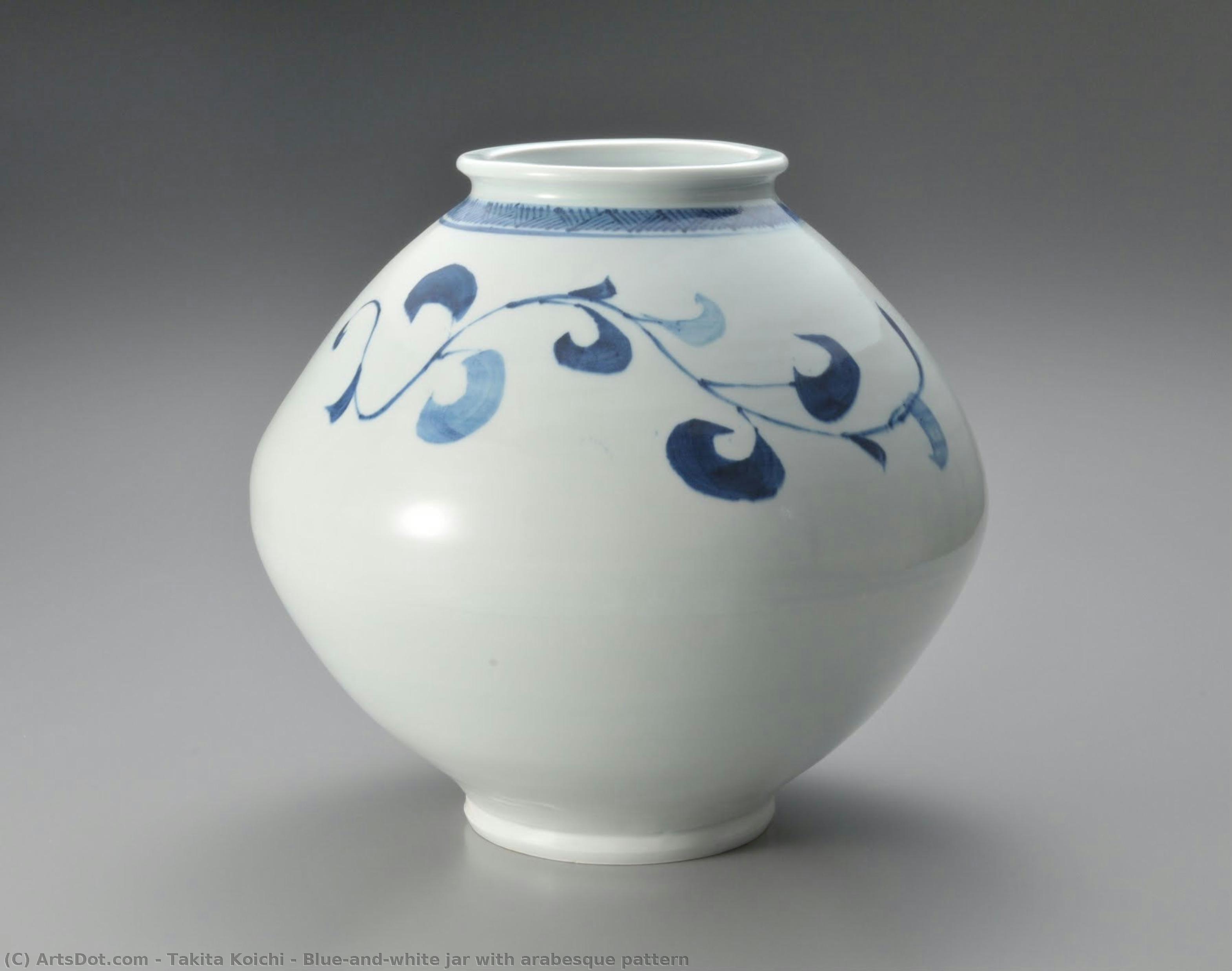
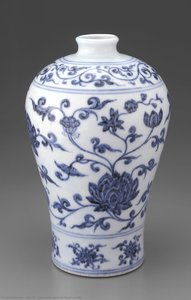
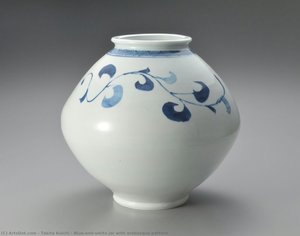
StatsBlue-and-white jar with arabesque pattern

 Pročitaj više
Ručno rađena uljana reprodukcija
Ručno oslikano uljanim bojama na platnu u dimenzijama i okviru po vašem izboru, izrađeno po porudžbini od strane naših umetnika. ( Switch to Print Switch to Digital Image)




































Izaberite jednu od naših unapred definisanih veličina koje odgovaraju originalnim proporcijama umetničkog dela.

Можете унети сопствене димензије како бисте прилагодили дело одређеном оквиру или простору. Ако одабрана величина не одговара пропорцијама оригинала, слика ће бити исечена или проширена додатним елементима који се ручно насликавају. Дигитални prikaz ће вам бити послат на одобрење пре почетка производње.
Имајте на уму да преглед на екрану не одражава стварно исецање или проширење. Само приказ (mockup) ће тачно приказати коначну композицију.
Иако су доступне прилагођене величине, препоручујемо да одаберете димензију из дефинисане листе како бисте сачували оригиналне пропорције.
Nakon narudžbine, tim ArtsDot.com će klijentu putem e-pošte poslati uputstva i dostaviti prikaz predloženog rešenja
Isporuka širom sveta () za 3/4 nedelje umesto uobičajenih 5 nedelja. (7 септембар). Bez kompromisa po pitanju kvaliteta.

Besplatna ekspresna dostava širom sveta

Visokokvalitetno laneno platno

Kompletno osiguranje transporta

Garancija povraćaja carine i uvoznih dažbina

Garancija vernosti boja

Politika povraćaja u roku od 100 dana (isključivo u slučaju nedostataka)

Garancija povrata novca od 100%

Popust pri grupnoj kupovini
 Opcija sa staklom dostupna je samo za dimenzije manje od 110 cm

Blue-and-white jar with arabesque pattern
Tehnika reprodukcije
Dimenzije reprodukcije
-


Konačna cena
$ 263
Srodna umetnička dela






Biografija umetnika
Takita Koichi: A Life Woven in Porcelain
Born in Aizuwakayama, Japan, in 1927, Takita Koichi’s life and artistic journey are inextricably linked to the spirit of *mingei* – Japanese folk crafts. His early years were shaped by a profound respect for tradition and a deep connection to the earth, qualities that would profoundly influence his distinctive ceramic style. He began his apprenticeship under Hamada Shoji, a pivotal figure in the *mingei* movement and a master of ash-glazed pottery, an experience that instilled within him a reverence for simplicity, functionality, and the inherent beauty of natural materials.
Shoji’s influence is immediately apparent in Takita's work. Like his mentor, he eschews ostentation, prioritizing understated elegance and a direct connection to everyday life. Takita’s pieces aren’t meant for grand displays; rather, they are designed to be quietly integrated into the domestic sphere, offering a sense of serenity and grounding. His signature style revolves around plant motifs – delicate blossoms, stylized leaves, and subtle floral patterns – rendered with remarkable precision and a deep understanding of botanical forms. These designs aren't merely decorative; they evoke a connection to nature, reflecting a core philosophy within *mingei* aesthetics.
The Pursuit of Harmony: Influences and Techniques
Takita’s artistic development wasn’t solely defined by Hamada Shoji. He also studied with Tomimoto Ken, another legendary potter known for his mastery of *hakuji*, a technique involving white slip applied to the surface of porcelain to create cloud-like patterns. This influence is evident in many of Takita's works, particularly those featuring the ethereal, almost dreamlike quality of *hakuji*. The subtle variations in texture and tone achieved through this method contribute significantly to the contemplative mood of his pieces.
Beyond *hakuji*, Takita’s technical skill encompasses a wide range of ceramic techniques. He skillfully employs overglaze enamels (uwa-etsuke), creating luminous accents that add depth and richness to his surfaces. He also utilizes lapis lazuli glaze, resulting in striking cobalt blue hues reminiscent of earlier Korean porcelains – a deliberate nod to the historical lineage of Japanese ceramics. The potter’s command of brushwork extends beyond the porcelain itself; he is equally adept at creating delicate paintings on canvas, demonstrating a holistic approach to artistic expression.
A Teacher and a Visionary: Shaping Future Generations
Takita's impact extends far beyond his own studio practice. In 1978, he assumed the role of the first teacher at the Department of Ceramics Design at NCA (Lahore), Pakistan – a remarkable opportunity to introduce Japanese ceramic traditions to students from diverse cultural backgrounds. This experience broadened his perspective and allowed him to share his philosophy of understated beauty and functional artistry with a new generation of artists. His time in Lahore further solidified his belief that pottery should be deeply rooted in practicality, serving as a harmonious partner in daily life.
He continues to exhibit his work internationally, solidifying his reputation as one of Japan’s most respected ceramicists. His pieces are held in numerous museums and private collections worldwide, testament to the enduring appeal of his quiet elegance and profound connection to *mingei* principles. Takita's mantra – “To be modest in creation, to be reserved in pattern, no intimidation in form, avoid ornate color tones” – serves as a guiding principle throughout his artistic life, reflecting a commitment to simplicity, humility, and the inherent beauty of the craft.
Legacy and Significance
Takita Koichi’s work represents more than just beautiful ceramics; it embodies a philosophy. He sought to create objects that were both aesthetically pleasing and deeply meaningful, reminding us of our connection to nature, tradition, and the simple pleasures of everyday life. His dedication to *mingei* principles – emphasizing functionality, humility, and an avoidance of excessive ornamentation – has left an indelible mark on the world of ceramics. As a teacher and mentor, he fostered a new generation of artists committed to preserving and expanding upon these timeless values. Takita Koichi’s legacy is one of quiet grace, profound artistry, and a steadfast belief in the transformative power of clay.
takita koichi
1927 - , Japan
Osnovne informacije
- Artistic Movement Or Style: Porcelain art
- Artists Or Movements Influenced By This Artist: ['Mingei']
- Artists Who Influenced This Artist: ['Hamada Shoji']
- Date Of Birth: 1927
- Full Name: Takita Koichi
- Nationality: Japanese
- Notable Artworks:
- Plant motif pottery
- Serene ceramic works
- Blue and white pottery
- Place Of Birth: Aizuwakayama, Japan