

 Pregledaj u prostoru
 Pošalji
 Podeli
 Detalji o delu

 Преузми
 Slični predmeti
 Rendgenski snimak
 Slajdovi
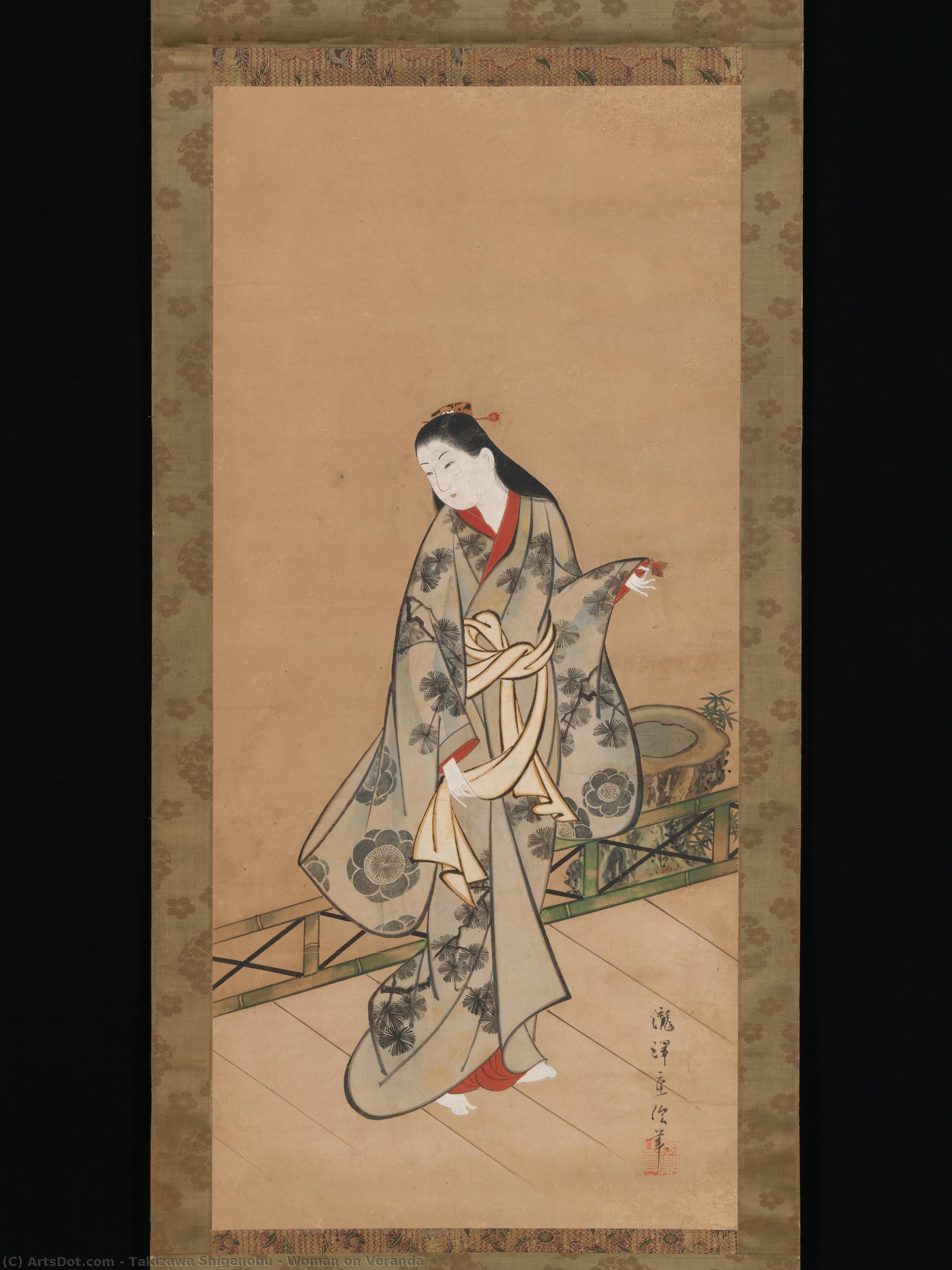
Woman on Veranda
 1730
1730 102.0 x 47.0 cm
 Pročitaj više
Ručno rađena uljana reprodukcija
Ručno oslikano uljanim bojama na platnu u dimenzijama i okviru po vašem izboru, izrađeno po porudžbini od strane naših umetnika. ( Kupi print Kupi digitalnu sliku)




































Izaberite jednu od naših unapred definisanih veličina koje odgovaraju originalnim proporcijama umetničkog dela.

Можете унети сопствене димензије како бисте прилагодили дело одређеном оквиру или простору. Ако одабрана величина не одговара пропорцијама оригинала, слика ће бити исечена или проширена додатним елементима који се ручно насликавају. Дигитални prikaz ће вам бити послат на одобрење пре почетка производње.
Имајте на уму да преглед на екрану не одражава стварно исецање или проширење. Само приказ (mockup) ће тачно приказати коначну композицију.
Иако су доступне прилагођене величине, препоручујемо да одаберете димензију из дефинисане листе како бисте сачували оригиналне пропорције.
Nakon narudžbine, tim ArtsDot.com će klijentu putem e-pošte poslati uputstva i dostaviti prikaz predloženog rešenja
Isporuka širom sveta () za 3/4 nedelje umesto uobičajenih 5 nedelja. (24 август). Bez kompromisa po pitanju kvaliteta.

Besplatna ekspresna dostava širom sveta

Visokokvalitetno laneno platno

Kompletno osiguranje transporta

Garancija povraćaja carine i uvoznih dažbina

Garancija vernosti boja

Politika povrata u roku od 60 dana (samo u slučaju nedostataka)

Garancija povrata novca od 100%

Popust pri grupnoj kupovini
 Opcija sa staklom dostupna je samo za dimenzije manje od 110 cm

Woman on Veranda
Tehnika reprodukcije
Dimenzije reprodukcije
-


Konačna cena
$ 263
Srodna umetnička dela








Biografija umetnika
A Brush with Edo Elegance: The World of Takizawa Shigenobu
Takizawa Shigenobu remains a somewhat enigmatic figure in the landscape of Edo period Japanese art, yet his contributions to *bijin-ga* (pictures of beautiful women) and *surimono* (woodblock prints designed as New Year’s greetings or gifts) are undeniably significant. Active primarily between 1720 and 1740, Shigenobu flourished during a period of relative peace and prosperity in Japan, which allowed for the blossoming of urban culture and artistic expression. While biographical details about his life are scarce—a common trait among many *ukiyo-e* artists whose work was often prioritized over personal fame—his paintings and prints offer compelling insights into the aesthetic sensibilities of the time and his own distinctive style. He wasn’t a prolific artist in terms of sheer volume, but the quality and refinement of his surviving works have secured his place as a respected master.Early Influences and Artistic Development
Shigenobu's artistic lineage is not definitively known, which adds to the intrigue surrounding his career. However, scholars suggest he was deeply influenced by the Kanō school’s traditions of decorative painting, particularly in his use of vibrant color palettes and elegant compositions. The influence of earlier *bijin-ga* artists like Ishikawa Yoshimune can also be detected in his early works, characterized by a focus on portraying women from various social classes with grace and sophistication. He quickly moved beyond mere imitation, developing a unique approach that emphasized the delicate beauty of facial features, intricate patterns in kimono designs, and atmospheric backgrounds. His paintings often depict women engaged in everyday activities—reading poetry, playing musical instruments, or simply enjoying moments of quiet contemplation—offering glimpses into the lives and aspirations of Edo society.The Bijin-ga Master: Capturing the Essence of Feminine Beauty
Shigenobu’s reputation rests primarily on his *bijin-ga*. He possessed an exceptional talent for capturing not just physical beauty, but also the inner character and emotional state of his subjects. His women are rarely idealized; instead, they appear as real individuals with distinct personalities and subtle expressions. The artist's skillful use of color—often employing rich blues, greens, and purples—creates a sense of depth and luminosity in his paintings. He was particularly adept at rendering the textures of silk and brocade, meticulously detailing the patterns and folds of kimono fabrics. Woman on Veranda, one of his most celebrated works held by The Metropolitan Museum of Art, exemplifies these qualities. The painting showcases a woman seated indoors, lost in thought, her gaze directed towards an unseen world beyond the veranda. The delicate brushwork, harmonious color scheme, and evocative atmosphere create a captivating portrait of feminine grace and introspection.Surimono Prints: A Celebration of Seasonal Delights
Beyond his paintings, Shigenobu also made significant contributions to the art of *surimono*. These prints, often commissioned as New Year’s gifts or for special occasions, were characterized by their small size, elaborate designs, and poetic themes. Shigenobu's *surimono* frequently depicted scenes from classical literature, historical events, or seasonal motifs—cherry blossoms in spring, autumn leaves in fall, snowscapes in winter. He collaborated with skilled woodblock carvers and printers to achieve remarkable levels of detail and color gradation in his prints. Paragons of Dynasties and Xianyang Palace (Right-hand screen), for example, demonstrates his ability to translate complex compositions into the delicate medium of woodblock printing. The print showcases a scene from Chinese history, rendered with exquisite precision and vibrant colors.Legacy and Historical Significance
While Takizawa Shigenobu’s career was relatively short, his impact on Edo period art is undeniable. His refined style and masterful technique influenced subsequent generations of *bijin-ga* artists, including Kitao Shigemasa and Kiyocho. He helped to elevate the status of *surimono* prints from mere greeting cards to works of artistic merit. In a broader sense, Shigenobu’s art reflects the cultural values of Edo society—a fascination with beauty, elegance, and the fleeting moments of life. His paintings and prints continue to captivate audiences today, offering a glimpse into a world of refined aesthetics and enduring charm. He stands as a testament to the power of artistic skill to capture not just appearances, but also the essence of human emotion and experience.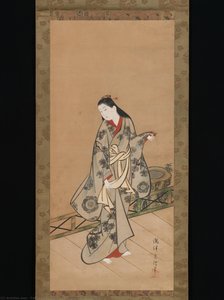
Osnovne informacije
- Artistic Movement Or Style: Edo period painting
- Date Of Death: Living
- Full Name: Takizawa Shigenobu
- Nationality: Japanese
- Notable Artworks:
- Woman on Veranda
- Paragons of Dynasties…

