

 Pregledaj u prostoru
 Pošalji
 Podeli
 Detalji o delu

 Преузми
 Slični predmeti
 Rendgenski snimak
 Slajdovi
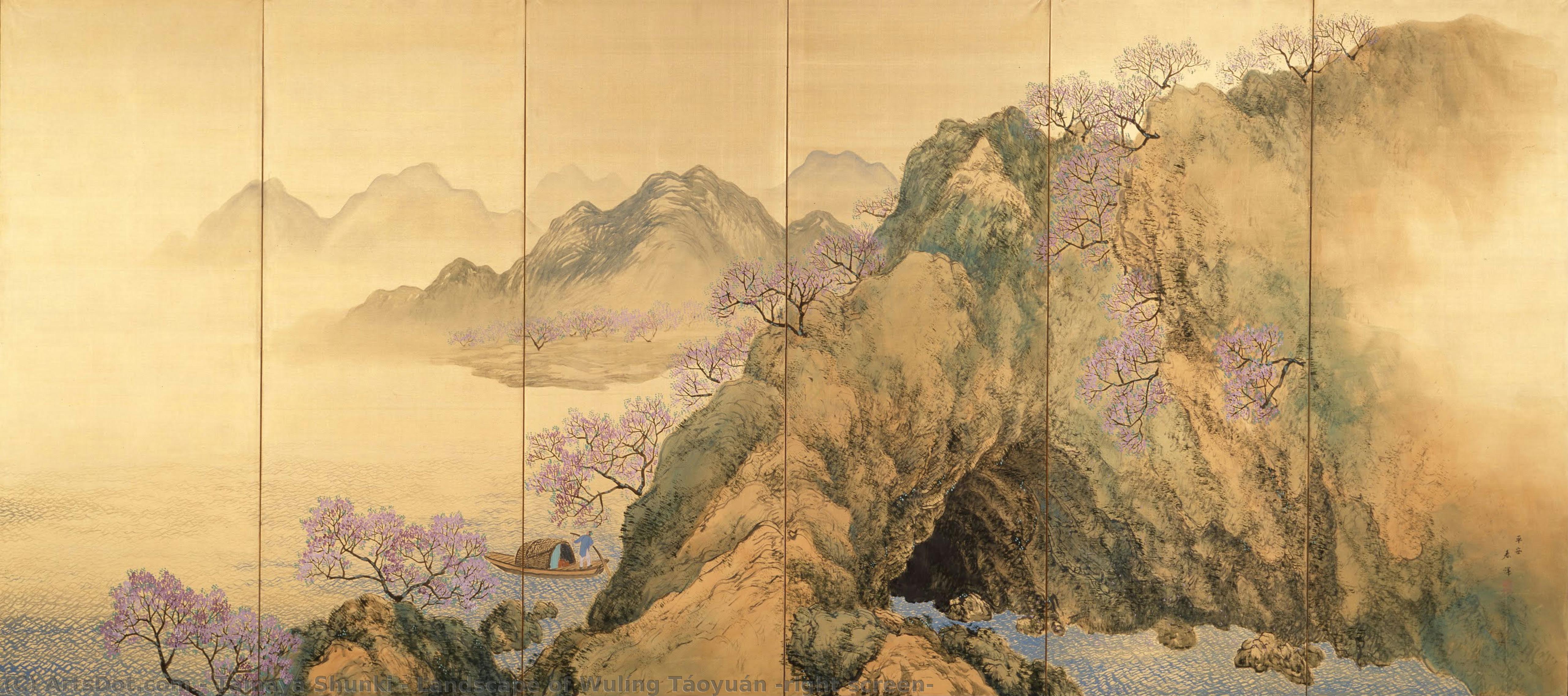
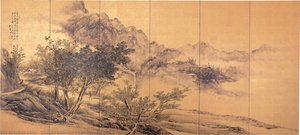
Landscape of Wulíng Táoyuán (right screen)
 1921
1921 166.0 x 370.0 cm
 Pročitaj više
Kupite digitalnu sliku visoke rezolucije i poboljšanog kvaliteta, koja je znatno superiornija od onoga što vidite u online prikazu.
Svaka datoteka je pedantno pripremljena od strane naših stručnjaka koristeći napredne alate i profesionalnu ručnu retušu. Osiguravamo da svaka slika ima izuzetnu oštrinu, preciznu reprodukciju boja i fine detalje.
Konačna datoteka se dostavlja putem e-pošte u roku od 72 sata, optimizovana za neposrednu upotrebu u profesionalnim, izdavačkim i štamparskim okruženjima. To je isti kvalitet kojem veruju vrhunski studiji dizajna, izdavači i galerije.
Digitalna slika
Preuzmite datoteku visoke rezolucije za ličnu upotrebu, štampanje i kreativne projekte. ( Kupi print Kupi ručno naslikanu sliku)
Uključeno uz svaku porudžbinu digitalne slike
Profesionalna digitalna isporuka, zagarantovana
Kada odaberete ArtsDot.com, ne dobijate samo sliku – vi primate profesionalno unapređeno digitalno umetničko delo, izrađeno sa najvećom preciznošću i uz garanciju zadovoljstva. Evo svega što automatski dolazi uz vašu porudžbinu:

Brza dostava putem e-pošte
Vaša digitalna slika visoke rezolucije biće vam poslata putem e-pošte u roku od 72 sata od poručivanja – spremna za trenutnu upotrebu.

Digitalna datoteka unapređena veštačkom inteligencijom
Vaše umetničko delo je profesionalno optimizovano korišćenjem naprednih AI alata i ručne obrade, čime se osiguravaju maksimalni detalji, oštrina i preciznost boja.

Besplatna ponovna isporuka doživotno
Slučajno ste obrisali ili izgubili svoju datoteku? Ne brinite – poslaćemo vam je ponovo u bilo kom trenutku, potpuno besplatno.

Bez troškova uvoza – zauvek
Uživajte u svojim umetničkim delima trenutno, bez carine, dažbina ili troškova dostave – digitalni download je uvek bez poreza.

Garancija vernosti boja
Uz pomoć profesionalnih alata i upravljanja bojama, osiguravamo da vaša digitalna slika što vernije odražava originalne boje.

Garancija zadovoljstva u roku od 60 dana
Ako niste zadovoljni svojom digitalnom slikom, revidirat ćemo je ili vratiti 100% novca u roku od 60 dana – bez ikakvih pitanja.

100% garancija povrata novca
Niste zadovoljni? Obezbedite pun povrat novca u roku od 60 dana od trenutka kada ste primili svoju digitalnu datoteku – bez suvišnih pitanja.

Popusti na velike porudžbine
Kupite 3 slike, uštedite 10% - Kupite 5 slika, uštedite 15% - Kupite 10+ slika, uštedite 20%. Odlično za kreativne projekte, galerije i agencije.
Srodna umetnička dela




Biografija umetnika
Tamaya Shunki: A Master of Traditional Japanese Painting
Tamaya Shunki, also known as Shunki Tamaya, was a pivotal figure in the late 19th and early 20th century Japanese art world. Born in Gifu Prefecture in 1880 and passing away in 1948, his life’s work embodies the rich traditions of Nihonga (Japanese-style painting) while simultaneously absorbing and innovating within established artistic lineages. Shunki's journey as an artist was shaped by rigorous training under esteemed masters – Kono Bairei, Nomura Bunkyo, and Mori Kansai – ultimately establishing him as a respected professor at the Kyoto School of Fine Arts, where he profoundly influenced generations of aspiring artists. His paintings are characterized by a meticulous attention to detail, a deep understanding of color theory, and a masterful command of traditional techniques, particularly those derived from the influential Kanō school.Early Influences and Artistic Training
Shunki’s artistic foundation began in Gifu, a region steeped in centuries of Japanese art history. His early exposure to the local craft traditions likely instilled within him a respect for meticulous execution and symbolic representation – qualities that would later become hallmarks of his style. Crucially, he sought formal training under three of Japan's most prominent artists of the era. Kono Bairei, a leading figure in the Kanō school, imparted a deep appreciation for classical Chinese painting techniques, including precise brushwork, layered washes, and the use of gold leaf to create luminous effects. Nomura Bunkyo further honed Shunki’s skills in landscape painting, emphasizing atmospheric perspective and capturing the subtle nuances of nature. Mori Kansai, known for his vibrant colors and dynamic compositions, encouraged Shunki to explore bolder approaches within the traditional framework. These diverse influences coalesced into a unique artistic voice that skillfully blended established conventions with personal expression.The Kanō School’s Legacy and Shunki's Style
Shunki’s work is inextricably linked to the legacy of the Kanō school, a movement dedicated to reviving and adapting classical Chinese painting techniques in Japan. The Kanō school emphasized meticulous brushwork, layered washes (sumi-e), and the extensive use of gold leaf – elements that are vividly present in Shunki's paintings. However, unlike many artists who simply replicated traditional styles, Shunki infused his work with a distinctly Japanese sensibility. He skillfully integrated motifs from Japanese folklore, landscapes, and daily life, creating images that resonated deeply with contemporary audiences. His compositions often feature delicate arrangements of flowers – particularly morning glories – rendered with exquisite detail and imbued with symbolic meaning. The use of bold outlines, vibrant colors, and the strategic application of gold leaf contribute to a visual impact that is both impressive and luxurious, mirroring the aesthetic ideals of the Kanō school while simultaneously expressing Shunki’s individual artistic vision.Notable Works and Exhibitions
Shunki's paintings have been recognized in several prominent collections, including the Seiji Togo Memorial Yasuda Kasai Museum of Art. His work has also been featured on the Nihonga art movement page, highlighting his contribution to this significant artistic tradition. Some notable examples of his oeuvre include “Morning Glories,” a stunning depiction of these iconic flowers rendered with remarkable precision and delicate color variations; "Rabbit and Roses," which masterfully blends traditional Chinese techniques – particularly in its composition and use of symbolism – with uniquely Japanese sensibilities; and “Winter Landscape,” an exemplary demonstration of Shunki’s skill in ink monochrome, showcasing his ability to evoke atmosphere and mood through subtle tonal shifts. These works demonstrate a remarkable range of technical proficiency and artistic vision.Legacy and Impact on Japanese Art
Tamaya Shunki's legacy extends far beyond the individual paintings he created. As a professor at the Kyoto School of Fine Arts, he played a crucial role in shaping the artistic styles of countless students, ensuring the continuation of traditional Japanese painting techniques for future generations. His dedication to preserving and innovating within the established framework solidified his position as a leading figure in the Nihonga movement. Shunki’s influence can be seen not only in his own work but also in the art of his pupils, who carried forward his artistic principles and contributed to the ongoing evolution of Japanese painting. He remains an important artist whose dedication to traditional techniques and innovative spirit continues to inspire artists today.
tamaya shunki
1880 - 1948 , Japan
Kratke činjenice
- Artistic Movement Or Style: Traditional Japanese style
- Artists Or Movements Influenced By This Artist: ['Kanō school style']
- Artists Who Influenced This Artist:
- Kono Bairei
- Nomura Bunkyo
- Mori Kansai
- Date Of Birth: 1880
- Date Of Death: 1948
- Full Name: Tamaya Shunki
- Nationality: Japanese
- Notable Artworks:
- Morning glories
- Rabbit and roses
- Winter landscape
- Place Of Birth: Gifu, Japan

