

 Pregledaj u prostoru
 Pošalji
 Podeli
 Detalji o delu

 Преузми
 Slični predmeti
 Rendgenski snimak
 Slajdovi
 Stats
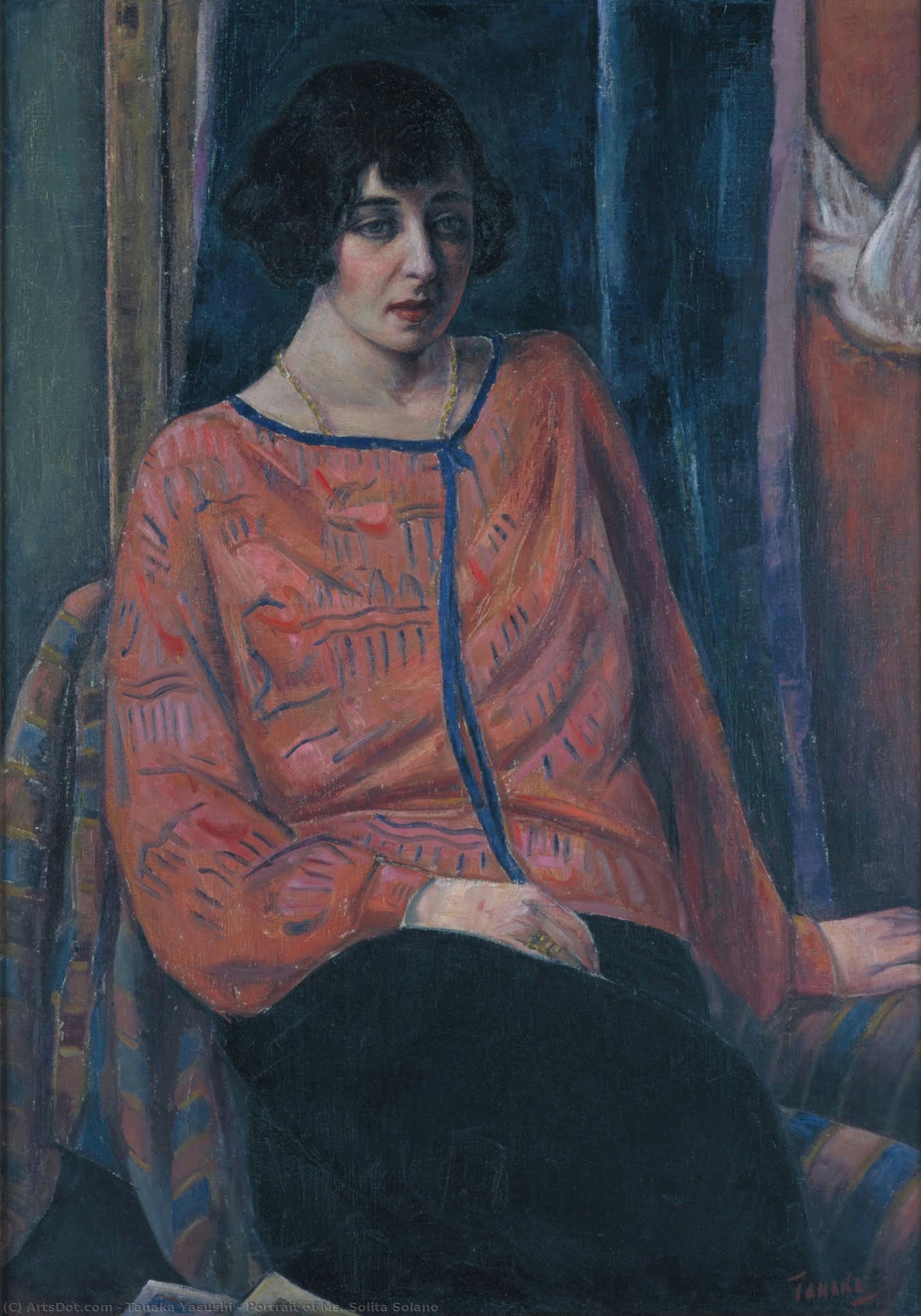
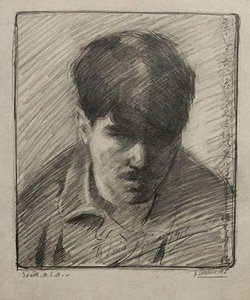
StatsPortrait of Ms. Solita Solano
 1923
1923 103.0 x 73.0 cm
 Nagoya City Art Museum
 Pročitaj više
Giclee štampa / Umetnički otisak
Giclée štampa ili print na platnu muzejskog kvaliteta uz brzu proizvodnju i fleksibilne opcije završne obrade. ( Kupi ručno naslikanu sliku Switch to Digital Image)




































Izaberite jednu od naših unapred definisanih veličina koje odgovaraju originalnim proporcijama umetničkog dela.

Možete uneti sopstvene dimenzije kako biste umetničko delo prilagodili specifičnom okviru ili prostoru. Ako odabrani format ne odgovara proporcijama originalne slike, mi ćemo ili iscrtati deo dela ili proširiti sliku pomoću ogledane ivice ili jednobojnog popunjavanja. Digitalni prikaz će vam biti poslat na odobrenje pre početka proizvodnje.
Imajte na umu da pregled na ekranu ne odražava stvarno iscrtavanje ili proširivanje. Samo će prikaz (mockup) precizno pokazati finalnu kompoziciju.
Iako su prilagođene dimenzije dostupne, preporučujemo da odaberete dimenziju sa unapred definisane liste kako biste očuvali originalne proporcije.
Dostava širom sveta () za 2 nedelje umesto uobičajenih 4/5 nedelja. (8 септембар)

Besplatna ekspresna dostava širom sveta

Visokokvalitetno laneno platno

Kompletno osiguranje transporta

Garancija povraćaja carine i uvoznih dažbina

Garancija vernosti boja

Politika povraćaja u roku od 100 dana (isključivo u slučaju nedostataka)

Garancija povrata novca od 100%

Popust pri grupnoj kupovini
 Opcija sa staklom dostupna je samo za dimenzije manje od 110 cm

Portrait of Ms. Solita Solano
Giclee štampa / Umetnički otisak
Dimenzije reprodukcije
-


Konačna cena
$ 62
Srodna umetnička dela







Biografija umetnika
Yasushi Tanaka: A Life in Art
Yasushi Tanaka (田中保; 13 May 1886 – 24 April 1941) was a Japanese-born artist and art teacher, best known for his evocative portraits of women and figurative works. His life story is one of cross-cultural exchange and artistic dedication, navigating the challenges of establishing an artistic identity between Japan, America, and Europe.
Early Life and Education
Tanaka’s early life was marked by hardship. Following the death of his father in 1902, his family faced financial ruin. He left home soon after completing primary education and bravely emigrated to Seattle, Washington, in 1904. There, he supported himself through various jobs – washing dishes and selling peanuts – while diligently studying English and pursuing self-taught painting lessons.
A pivotal moment came when Tanaka secured formal instruction under the Dutch painter Fokko Tadama, who became a crucial patron and mentor. This mentorship proved invaluable, shaping his artistic trajectory and connecting him with other Japanese artists in Seattle like Shimizu Toshi.
Artistic Development & Influences
Tanaka’s early work was exhibited locally, including a solo show at the Seattle Public Library in 1915 and participation in the Panama–Pacific International Exposition. However, his initial nude portraits faced considerable criticism. This experience prompted a move to Paris in 1920 with his wife, Louise Gebhard Cann, an American writer and art critic.
In Paris, Tanaka immersed himself in the European art scene, exhibiting at prestigious venues like the Société Nationale des Beaux-Arts, Salon d'Automne, and Salon des Tuileries. His style evolved under the influence of Western artistic traditions, particularly those emphasizing realism and figurative representation. He blended these influences with his Japanese sensibility, creating a unique aesthetic.
Major Achievements & Recognition
Tanaka achieved notable recognition during his time in Paris. One of his paintings was purchased by the French government, and several were acquired by members of the Japanese Imperial family – Prince Naruhiko Higashikuni and Prince Yasuhiko Asaka. He also sold a painting to the Musée du Luxembourg.
Despite facing challenges during World War II (remaining in Paris due to his American wife), Tanaka continued to work until his death in 1941. A retrospective of his work was held at the Marseille Gallery in Paris after the war, but his art remained largely unknown in Japan until 1976.
Themes and Style
Tanaka’s oeuvre primarily focuses on portraits, particularly those of women, and nude figures. His paintings are characterized by:
- Oil Painting Technique: He skillfully employed oil paints to achieve realistic textures and subtle gradations of light and shadow.
- Figurative Realism: A strong emphasis on accurate anatomical representation and lifelike portrayals.
- Western Influence: Evident in his compositional approaches and use of perspective, reflecting the European art traditions he studied.
- Subtle Sensuality: His nudes are often imbued with a quiet dignity and understated sensuality.
Historical Significance & Legacy
Yasushi Tanaka’s story represents a fascinating intersection of cultures and artistic movements. He navigated the complexities of being an artist caught between his Japanese heritage and Western influences, ultimately forging a distinctive style that blended both traditions.
While not widely known during his lifetime, Tanaka's work has gained increasing recognition in recent decades. His paintings are now held in prominent museums including:
- Yamagata Museum of Art
- Matsuoka Museum of Art
- Artizon Museum
His legacy lies in his ability to bridge artistic boundaries and create compelling works that reflect a unique personal vision. His papers are preserved at the Archives of American Art, offering further insight into his life and creative process.
tanaka yasushi
1886 - 1941 , Japan
Osnovne informacije
- Birth Date: 1886
- Birth Place: Japan
- Death Date: 1941
- Influenced By: ['Fokko Tadama']
- Movement:
- Modern Japanese art
- Western Influenced
- Name: Yasushi Tanaka
- Nationality: Japanese
- Notable Works:
- Nude with a Vase
- Portrait of Ms. Solita Solano