

 Pregledaj u prostoru
 Pošalji
 Podeli
 Detalji o delu

 Преузми
 Slični predmeti
 Rendgenski snimak
 Slajdovi
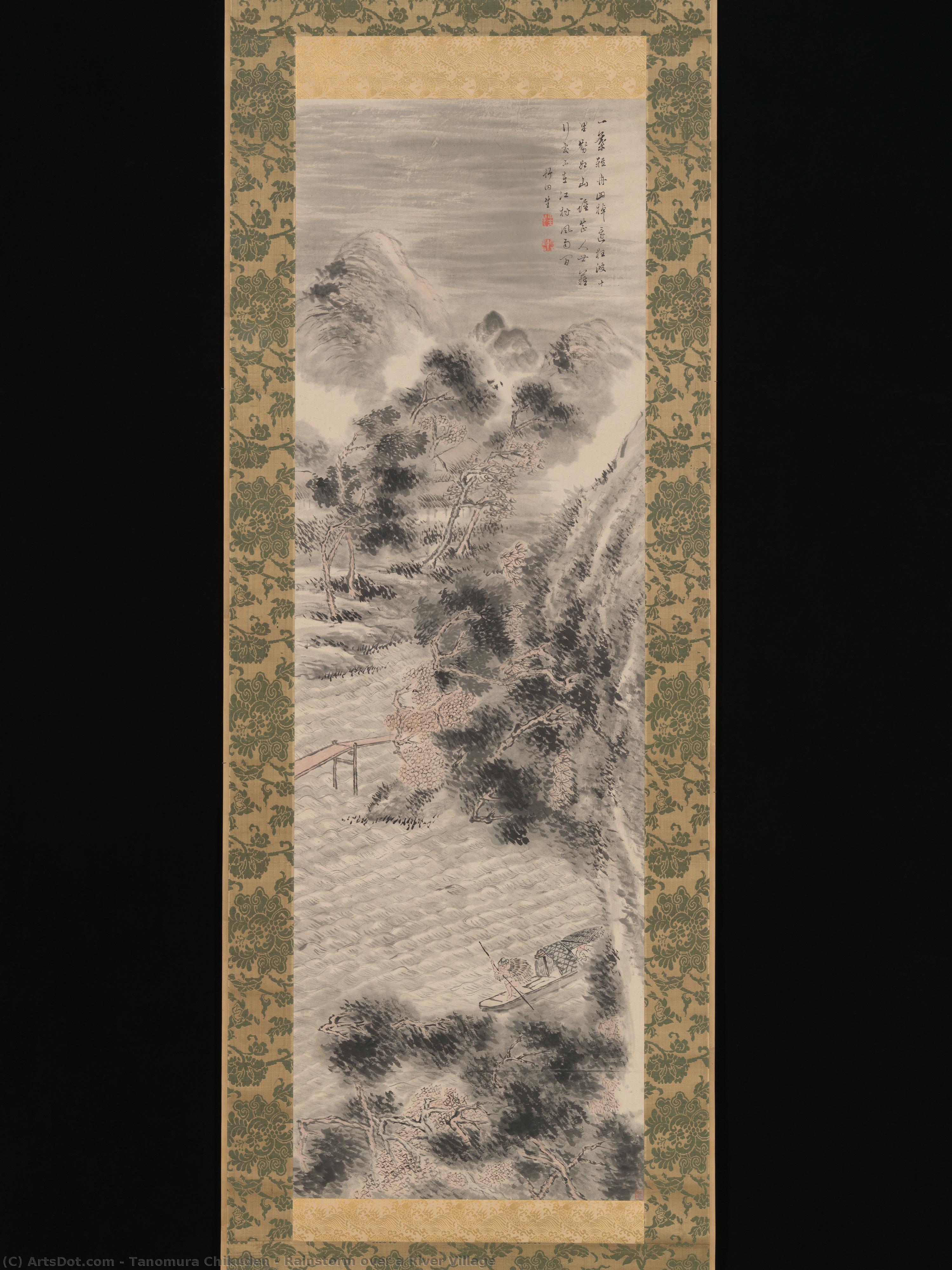
Rainstorm over a River Village
 801
801 132.0cm x 42.0cm
 Pročitaj više
Ručno rađena uljana reprodukcija
Ručno oslikano uljanim bojama na platnu u dimenzijama i okviru po vašem izboru, izrađeno po porudžbini od strane naših umetnika. ( Kupi print Kupi digitalnu sliku)




































Izaberite jednu od naših unapred definisanih veličina koje odgovaraju originalnim proporcijama umetničkog dela.

Можете унети сопствене димензије како бисте прилагодили дело одређеном оквиру или простору. Ако одабрана величина не одговара пропорцијама оригинала, слика ће бити исечена или проширена додатним елементима који се ручно насликавају. Дигитални prikaz ће вам бити послат на одобрење пре почетка производње.
Имајте на уму да преглед на екрану не одражава стварно исецање или проширење. Само приказ (mockup) ће тачно приказати коначну композицију.
Иако су доступне прилагођене величине, препоручујемо да одаберете димензију из дефинисане листе како бисте сачували оригиналне пропорције.
Nakon narudžbine, tim ArtsDot.com će klijentu putem e-pošte poslati uputstva i dostaviti prikaz predloženog rešenja
Isporuka širom sveta () za 3/4 nedelje umesto uobičajenih 5 nedelja. (25 август). Bez kompromisa po pitanju kvaliteta.

Besplatna ekspresna dostava širom sveta

Visokokvalitetno laneno platno

Kompletno osiguranje transporta

Garancija povraćaja carine i uvoznih dažbina

Garancija vernosti boja

Politika povrata u roku od 60 dana (samo u slučaju nedostataka)

Garancija povrata novca od 100%

Popust pri grupnoj kupovini
 Opcija sa staklom dostupna je samo za dimenzije manje od 110 cm

Rainstorm over a River Village
Tehnika reprodukcije
Dimenzije reprodukcije
-


Konačna cena
$ 263
Srodna umetnička dela







Biografija umetnika
Charles-Joseph Natoire: A Life of Grace and Grandeur
Born in 1700, Charles-Joseph Natoire’s life spanned a pivotal era in French art – the waning years of the Rococo and the burgeoning rise of Neoclassicism. Though his early career was deeply rooted in the opulent style of his mentor, François Lemoyne, Natoire ultimately forged a distinctive path, blending delicate grace with dramatic intensity. His story is one of artistic evolution, marked by both critical acclaim and periods of relative obscurity, yet ultimately remembered for his contributions to history painting, tapestry design, and the vibrant artistic circles of Rome.
Natoire’s formal training began under Louis Galloche, a prominent painter at the Académie Royale de Peinture et de Sculpture in Paris. However, it was François Lemoyne who truly shaped his style, instilling in him a love for elegant lines, pastel colors, and a focus on aristocratic subjects. This early influence is evident in his initial works, characterized by a refined elegance and a meticulous attention to detail. In 1721, Natoire’s talent was recognized when he won the prestigious Prix de Rome with “The Sacrifice of Manoah to Obtain a Son,” a subject that showcased his burgeoning skill in depicting classical narratives.
His time at the French Academy in Rome (1723-1751) proved transformative. Here, Natoire immersed himself in the artistic traditions of antiquity, studying the works of masters like Pietro da Cortona and absorbing the ideals of Roman art. He produced a stunning copy of Cortona’s “Rape of the Sabine Women,” demonstrating his ability to emulate and reinterpret classical themes. He also created "Moses Returning from Sinai," earning him a first prize from the Accademia di San Luca, solidifying his reputation as one of Rome's most promising painters. During this period, he was commissioned by the Prince de Polignac to paint “The Expulsion of the Money-Changers from the Temple,” a work that exemplifies his growing mastery of composition and dramatic storytelling.
The Patronage of Germain Boffrand and the *Psyche* Cycle
Natoire’s most enduring legacy lies in his monumental series of paintings for Germain Boffrand's oval salon de la Princesse in the Hôtel de Soubise, Paris. Commissioned between 1745 and 1752, this ambitious project involved a cycle of twelve scenes depicting the myth of Psyche, exploring themes of love, beauty, and transformation. These paintings are remarkable for their exquisite detail, delicate color palettes, and graceful figures – a testament to Natoire’s skill in capturing the ethereal quality of mythological subjects.
The *Psyche* cycle represents a significant departure from the more rigid formality of earlier Rococo works. Natoire infused the scenes with a sense of intimacy and emotional depth, portraying Psyche's journey with a nuanced understanding of human experience. The paintings were lauded by contemporary critics who recognized Natoire’s ability to elevate mythological narratives into profound meditations on love and loss.
Tapestry Cartoons and the *Don Quixote* Series
Beyond his easel paintings, Natoire made an invaluable contribution to the world of tapestry design. He was commissioned by the Beauvais tapestry manufacture to create cartoons for a series depicting the adventures of Don Quixote. These elaborate designs, filled with dynamic compositions and expressive figures, served as the basis for a stunning collection of tapestries that adorned numerous palaces throughout Europe. The *Don Quixote* tapestries are particularly noteworthy for their vibrant colors, dramatic lighting, and masterful depiction of Cervantes’ iconic hero.
Natoire's work on the *Don Quixote* series showcased his versatility as a designer, demonstrating his ability to translate complex narratives into visually compelling forms suitable for textile production. The tapestries themselves are now treasured examples of 18th-century French craftsmanship and artistic achievement.
A Legacy in Transition
As the Rococo style began to yield to the more austere principles of Neoclassicism, Natoire’s work underwent a subtle shift. While he retained his characteristic grace and elegance, he increasingly incorporated elements of classical restraint and clarity into his compositions. His later works, such as “The Death of Cicero,” reflect this evolving aesthetic sensibility.
Charles-Joseph Natoire died in 1777, leaving behind a rich and varied body of work that continues to captivate viewers today. His paintings, tapestries, and designs represent a crucial link between the Rococo era and the Neoclassical movement, embodying the artistic spirit of a transformative period in French history. His legacy endures not only through his individual masterpieces but also as a testament to his enduring influence on generations of artists.
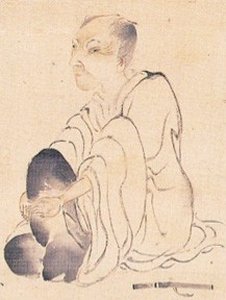
tanomura chikuden
1777 - 1835 , Japan
Osnovne informacije
- Artistic Movement Or Style: Rococo
- Artists Or Movements Influenced By This Artist:
- Germain Boffrand
- Beauvais tapestry
- Artists Who Influenced This Artist:
- François Lemoyne
- François Boucher
- Date Of Birth: March 3, 1700
- Date Of Death: August 23, 1777
- Full Name: Charles-Joseph Natoire
- Nationality: French
- Notable Artworks:
- History of Psyche
- Expulsion of Money-Changers
- Place Of Birth: Nîmes, France

