

 Pregledaj u prostoru
 Pošalji
 Podeli
 Detalji o delu

 Преузми
 Slični predmeti
 Rendgenski snimak
 Slajdovi
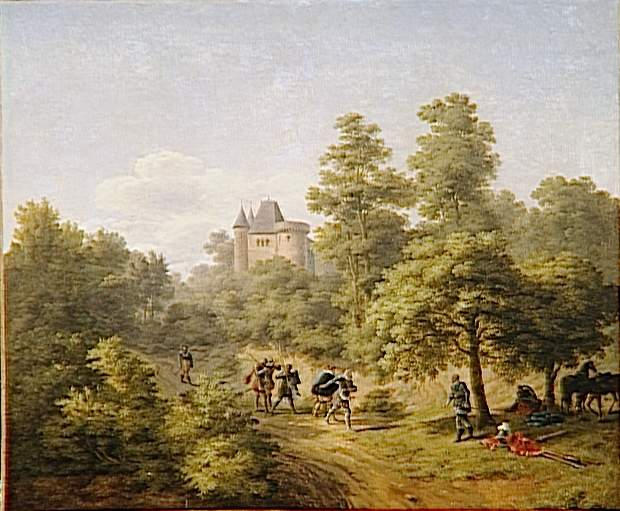
Halte d'Henri IV en forêt
 Pročitaj više
Kupite digitalnu sliku visoke rezolucije i poboljšanog kvaliteta, koja je znatno superiornija od onoga što vidite u online prikazu.
Svaka datoteka je pedantno pripremljena od strane naših stručnjaka koristeći napredne alate i profesionalnu ručnu retušu. Osiguravamo da svaka slika ima izuzetnu oštrinu, preciznu reprodukciju boja i fine detalje.
Konačna datoteka se dostavlja putem e-pošte u roku od 72 sata, optimizovana za neposrednu upotrebu u profesionalnim, izdavačkim i štamparskim okruženjima. To je isti kvalitet kojem veruju vrhunski studiji dizajna, izdavači i galerije.
Digitalna slika
Preuzmite datoteku visoke rezolucije za ličnu upotrebu, štampanje i kreativne projekte. ( Kupi print Kupi ručno naslikanu sliku)
Uključeno uz svaku porudžbinu digitalne slike
Profesionalna digitalna isporuka, zagarantovana
Kada odaberete ArtsDot.com, ne dobijate samo sliku – vi primate profesionalno unapređeno digitalno umetničko delo, izrađeno sa najvećom preciznošću i uz garanciju zadovoljstva. Evo svega što automatski dolazi uz vašu porudžbinu:

Brza dostava putem e-pošte
Vaša digitalna slika visoke rezolucije biće vam poslata putem e-pošte u roku od 72 sata od poručivanja – spremna za trenutnu upotrebu.

Digitalna datoteka unapređena veštačkom inteligencijom
Vaše umetničko delo je profesionalno optimizovano korišćenjem naprednih AI alata i ručne obrade, čime se osiguravaju maksimalni detalji, oštrina i preciznost boja.

Besplatna ponovna isporuka doživotno
Slučajno ste obrisali ili izgubili svoju datoteku? Ne brinite – poslaćemo vam je ponovo u bilo kom trenutku, potpuno besplatno.

Bez troškova uvoza – zauvek
Uživajte u svojim umetničkim delima trenutno, bez carine, dažbina ili troškova dostave – digitalni download je uvek bez poreza.

Garancija vernosti boja
Uz pomoć profesionalnih alata i upravljanja bojama, osiguravamo da vaša digitalna slika što vernije odražava originalne boje.

Garancija zadovoljstva u roku od 60 dana
Ako niste zadovoljni svojom digitalnom slikom, revidirat ćemo je ili vratiti 100% novca u roku od 60 dana – bez ikakvih pitanja.

100% garancija povrata novca
Niste zadovoljni? Obezbedite pun povrat novca u roku od 60 dana od trenutka kada ste primili svoju digitalnu datoteku – bez suvišnih pitanja.

Popusti na velike porudžbine
Kupite 3 slike, uštedite 10% - Kupite 5 slika, uštedite 15% - Kupite 10+ slika, uštedite 20%. Odlično za kreativne projekte, galerije i agencije.
Srodna umetnička dela









Biografija umetnika
A Legacy of Grandeur: The Life and Art of Jean-Charles Tardieu
In the turbulent yet magnificent era spanning the Napoleonic Empire and the Bourbon Restoration, few artists captured the shifting tides of French identity as effectively as Jean-Charles Tardieu. Known to many as Tardieu-Cochin, he was a painter whose brush danced between the dramatic shadows of the Baroque tradition and the disciplined clarity of Neoclassicism. Born in Paris on September 3, 1765, Tardieu was not merely an observer of history but a descendant of it; his lineage was deeply rooted in the prestigious world of French engraving. As the son of Jacques-Nicolas Tardieu and the grandson of the celebrated Nicolas-Henri Tardieu, he grew up surrounded by the meticulous precision of the King's engravers, a heritage that undoubtedly informed his profound respect for detail and anatomical accuracy.
Tardieu’s artistic evolution was shaped by a rigorous academic foundation. While early influences from the Baroque movement—likely through studies under Jean-Baptiste Camille Bouchardy—instilled in him a love for dynamic composition and emotional depth, his formal training under Jean-Bapiste Regnault anchored him in the prestigious Neoclassical style. This period of his life was marked by both struggle and triumph; though he narrowly missed the prestigious Grand Prix de Rome, his achievement of the second prize in 1790 signaled his arrival as a formidable talent in the Parisian art scene. His work began to reflect a unique synthesis: the sweeping, theatrical energy of the old masters blended with the rational, idealized beauty championed by contemporaries like Jacques-Louis David.
Mastery of History and the Royal Canvas
The true brilliance of Tardieu lay in his ability to transform historical narratives into living, breathing spectacles. He was a master of the tableau, creating large-scale works that did more than just document events—they celebrated them. His repertoire was vast, ranging from sweeping historical chronicles to intimate portraits and serene landscapes. During the reigns of Napoleon, Louis XVIII, and Charles X, Tardieu became a preferred chronicler for the French state. Much of his most significant output was commissioned by the government, destined for the most hallowed halls of French power, including the palaces of Versailles, Saint-Cloud, Fontainebleau, and Compiègne.
His technical prowess allowed him to navigate various genres with ease:
- Historical Narratives: Works such as Henri IV devant Paris showcased his ability to capture the gravity of political turning points through dramatic lighting and complex figure arrangements.
- Religious and Mythological Subjects: Drawing from his Baroque roots, he utilized expressive brushwork to imbue sacred scenes with a sense of divine movement and human emotion.
- Landscape and Genre Painting: In his later years, Tardieu turned toward the more tranquil realms of nature and everyday life, as seen in vibrant depictions like Une Scène du Marché des Innocents, where he captured the rhythmic pulse of Parisian commerce.
Historical Significance and Enduring Impression
Beyond the mere aesthetic beauty of his canvases, Tardieu’s work serves as a vital visual record of a France in transition. To look upon a Tardieu painting is to witness the tension between the old world of monarchical splendor and the new era of imperial ambition. His ability to secure commissions for major cathedrals, such as those in Rouen, Nîmes, and Lons-le-Saulnier, speaks to a level of trust and recognition that few artists of his generation achieved. He was an artist who could speak to both the crown and the church, bridging the gap between secular glory and spiritual devotion.
As he moved through the decades, his style matured into a sophisticated realism, characterized by a meticulous attention to texture and light that made his figures appear almost tactile. Though he passed away in Paris on April 3, 1830, leaving behind a legacy of works that continue to grace the halls of France's greatest museums, his impact remains. Jean-Charles Tardieu stands as a quintessential artist of his age—a painter who took the fragmented pieces of a changing nation and wove them into a cohesive, grand, and enduring tapestry of French art history.
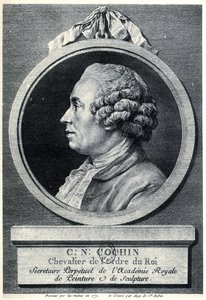
tardieu jean charles (cochin)
1765 - 1830
Kratke činjenice
- Artistic Movement Or Style: Baroque Realism
- Date Of Birth: 1765
- Date Of Death: 1830
- Full Name: Jean-Charles Tardieu
- Nationality: French
- Notable Artworks:
- Une Scene du Marche des Innocents
- Female Figure. Study for the drawing ‘Birth of Louis XV’
- HENRI IV DEVANT PARIS.
- Place Of Birth: Paris, France

