

 Pregledaj u prostoru
 Pošalji
 Podeli
 Detalji o delu

 Преузми
 Slični predmeti
 Rendgenski snimak
 Slajdovi
 Stats
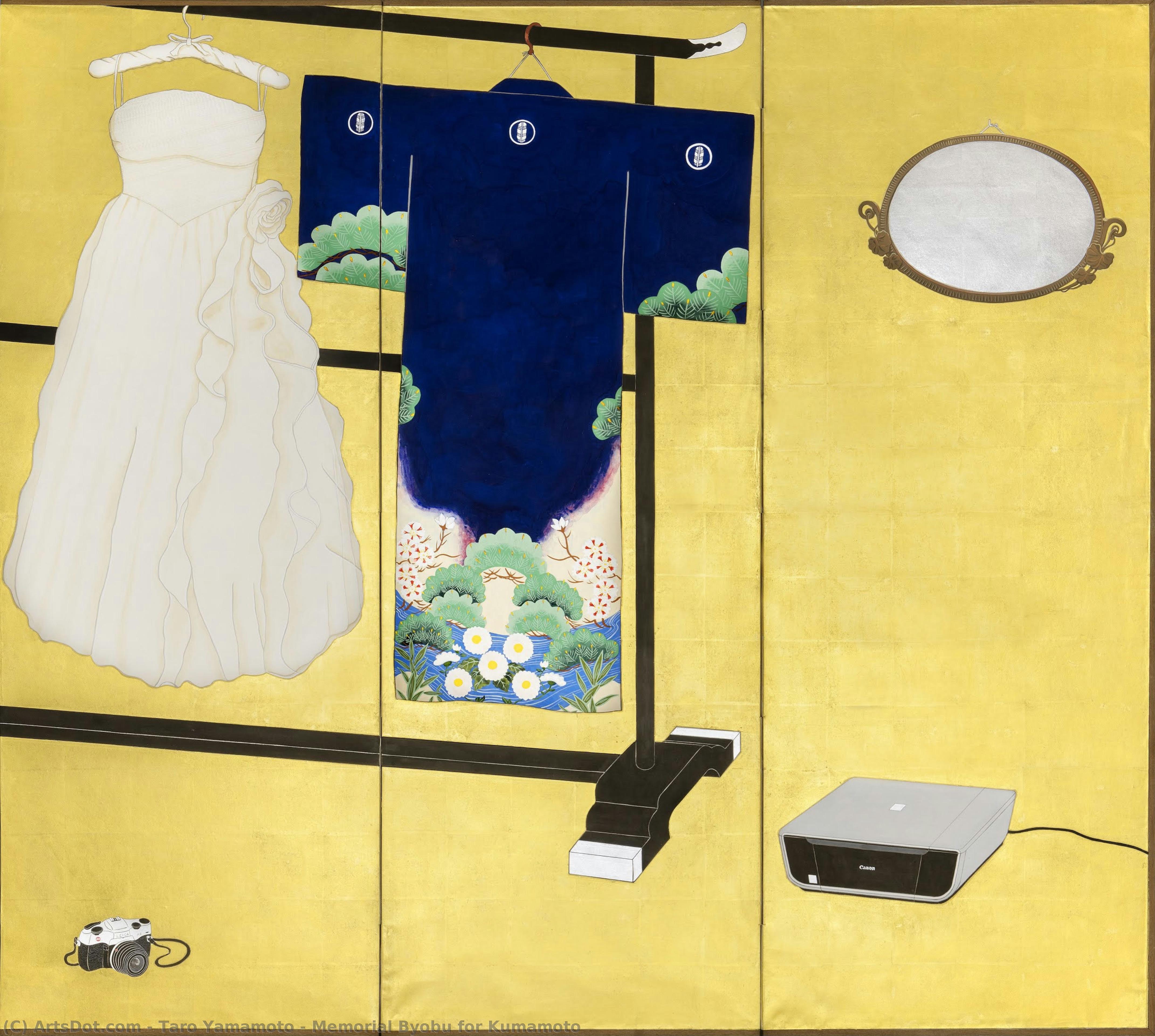
StatsMemorial Byobu for Kumamoto
 Painting
- Abstract Expressionism
 2017
2017- Contemporary
 168.0 x 186.0 cm
 Meiji Jingu Forest Festival of Art
 Pročitaj više
Ručno rađena uljana reprodukcija
Ručno oslikano uljanim bojama na platnu u dimenzijama i okviru po vašem izboru, izrađeno po porudžbini od strane naših umetnika. ( Switch to Print Switch to Digital Image)




































Izaberite jednu od naših unapred definisanih veličina koje odgovaraju originalnim proporcijama umetničkog dela.

Можете унети сопствене димензије како бисте прилагодили дело одређеном оквиру или простору. Ако одабрана величина не одговара пропорцијама оригинала, слика ће бити исечена или проширена додатним елементима који се ручно насликавају. Дигитални prikaz ће вам бити послат на одобрење пре почетка производње.
Имајте на уму да преглед на екрану не одражава стварно исецање или проширење. Само приказ (mockup) ће тачно приказати коначну композицију.
Иако су доступне прилагођене величине, препоручујемо да одаберете димензију из дефинисане листе како бисте сачували оригиналне пропорције.
Nakon narudžbine, tim ArtsDot.com će klijentu putem e-pošte poslati uputstva i dostaviti prikaz predloženog rešenja
Isporuka širom sveta () za 3/4 nedelje umesto uobičajenih 5 nedelja. (8 септембар). Bez kompromisa po pitanju kvaliteta.

Besplatna ekspresna dostava širom sveta

Visokokvalitetno laneno platno

Kompletno osiguranje transporta

Garancija povraćaja carine i uvoznih dažbina

Garancija vernosti boja

Politika povraćaja u roku od 100 dana (isključivo u slučaju nedostataka)

Garancija povrata novca od 100%

Popust pri grupnoj kupovini
 Opcija sa staklom dostupna je samo za dimenzije manje od 110 cm

Memorial Byobu for Kumamoto
Tehnika reprodukcije
Dimenzije reprodukcije
-


Konačna cena
$ 263
A Tapestry of Memory and Tradition
In the evocative masterpiece Memorial Byobu for Kumamoto, the viewer is invited into a deeply personal sanctuary where the boundaries between the material world and the realm of memory blur. This striking work presents a domestic tableau that feels both intimate and monumental, centered around the poignant juxtaposition of a pristine white wedding dress and a traditional Japanese kimono. The composition breathes with a quiet, contemplative energy, as if capturing a fleeting moment of stillness in a room filled with the echoes of a life lived across two cultures. The interplay of textures—the delicate lace of the gown against the structured elegance of the blue-accented silk—creates a visual dialogue that speaks to the intersection of Western and Eastern identities.
The painting transcends mere still life, functioning as a narrative window into a curated existence. As the eye wanders through the scene, it encounters unexpected fragments of daily life: a pair of scissors resting in the lower corner, a handbag placed with care at the bottom center, and even the modern presence of a remote control and a clock hanging above. These elements serve as anchors to reality, grounding the ethereal beauty of the garments in the tangible, lived experience of the present. This layering of objects suggests a profound exploration of how we preserve our history through the things we surround ourselves with, turning a simple domestic setting into a sacred space of remembrance.
The Legacy of Abstract Expressionism and Cultural Synthesis
While the subject matter presents a recognizable scene, the soul of the work is deeply rooted in the artistic lineage of Taro Yamamoto. As a significant figure within the New York School, Yamamoto’s approach to this piece reflects his mastery of blending Japanese heritage with the bold, innovative spirit of postwar Abstract Expressionism. Though the composition possesses a figurative clarity, there is an underlying tension and a rhythmic quality to the arrangement that hints at the gestural freedom found in his more abstract works. The way light interacts with the folds of the fabric and the shadows cast against the wall suggests a painterly depth that invites prolonged study.
For the discerning collector or interior designer, Memorial Byobu for Kumamoto offers much more than visual appeal; it provides an emotional anchor for a sophisticated space. The piece possesses a unique ability to command attention through its quietude rather than through loud, aggressive colors. Its palette—dominated by the purity of white and the serene depths of blue—makes it an ideal centerpiece for rooms designed for reflection, such as a library, a study, or a formal lounge. To possess a high-quality reproduction of this work is to bring into one's home a piece of art history that celebrates the beautiful complexity of a multicultural legacy, making it a timeless addition to any curated collection.
Srodna umetnička dela
Biografija umetnika
Taro Yamamoto: A Life in Abstract Expressionism
Early Life and Education
Taro Yamamoto (born October 29, 1919, in Hollywood, California – died 1994) was a significant figure within the New York School of Abstract Expressionist artists. His early life was marked by a unique cultural experience; he lived in Japan from the age of six to nineteen, an upbringing that would profoundly influence his artistic vision.
- Born in California but deeply connected to Japanese culture.
- Served in the U.S. Army during World War II (November 7, 1941 – February 23, 1946).
Artistic Development and Influences
Following his military service, Yamamoto dedicated himself to formal artistic training. He studied at several prestigious institutions:
- Santa Monica City College (1949).
- The Art Students League of New York (1950-1952), under the guidance of Yasuo Kuniyoshi, Morris Kantor, Byron Browne, and Vaclav Vytlacil.
- Hans Hofmann School of Fine Arts in New York City (1951-1953).
The teachings of Hans Hofmann were particularly influential, shaping Yamamoto’s understanding of color and form. His exposure to the vibrant art scene of post-war New York further solidified his commitment to abstract expressionism.
Key Achievements and Recognition
- Won the John Sloan Memorial Fellowship at The Art Students League of New York in 1952.
- Received the Edward G. McDowell Traveling Fellowship in 1953, allowing him to study art in Europe.
Yamamoto’s work gained recognition within the burgeoning Abstract Expressionist movement, exhibiting alongside prominent artists like Jackson Pollock and Willem de Kooning.
Artistic Style and Themes
Yamamoto's paintings are characterized by a dynamic interplay of abstract forms, bold colors, and layered textures. While rooted in the principles of Abstract Expressionism, his work often reveals subtle references to Japanese aesthetics and cultural motifs.
His pieces frequently explore themes of memory, identity, and the intersection of Eastern and Western artistic traditions.Historical Significance
Taro Yamamoto played a vital role in bridging the gap between American Abstract Expressionism and Japanese artistic sensibilities. As part of the New York School, he contributed to the movement’s international acclaim during the post-World War II era. His work demonstrates the power of art to transcend cultural boundaries and express universal human experiences.
Though not as widely celebrated as some of his contemporaries, Yamamoto's contributions remain significant in understanding the diversity and complexity of Abstract Expressionism.

Taro Yamamoto
1919 - 1994 , United States of America
Osnovne informacije
- Birth Date: October 29, 1919
- Birth Place: Hollywood, California, USA
- Death Date: 1994
- Influenced By:
- Yasuo Kuniyoshi
- Morris Kantor
- Byron Browne
- Vaclav Vytlacil
- Hans Hofmann
- Movement: Abstract Expressionism, New York School
- Name: Taro Yamamoto
- Nationality: American
- Notable Works:
- Untitled (1961)
- Memorial Byobu for Kumamoto
- Shigeyama Sennojo Ⅲ's Suo Costume for the Kyogen Play Hanago
- MARIO and LUIGI Rimpa Screen
- Hagoromo Balloons
- 2 (1970)
- 4 (1970)
Povezani članci

Ljubav na platnu: Izbor savršenog umetničkog stila za vaš svadbeni portret
Pronađite savršen umetnički stil za vaš svadbeni portret! Eksperti vam pomažu da odaberete idealan realizam, impresionizam ili apstraktni dizajn. Kreirajte večno sećanje sa ručno oslikanim portretom po narudžbini.

White on Canvas: 10 Masterpieces & Timeless Elegance for Your Home Decor
Explore 10 iconic white paintings by Monet, Whistler & Rothko! Discover the stories behind these serene masterpieces and their impact on art history. Find museum-quality reproductions for your home decor at .
Više od knjige gostiju: Personalizovana umetnost za nezaboravnu svadbu
Preтворите своју свадбену причу у незаборавну уметничку успомену! Откријте креативне идеје за персонализоване портрете и ручно сликане слике које ће вас подсетити на најлепше тренутке. Савети стручњака и гаранција квалитета.
Vazdan trajna sećanja: Besprekorno oslikavanje ambijenta venčanja za nezaboravne uspomene
Stvorite venčanje iz snova! Ekskluzivni vodič za besprekorno oslikavanje ambijenta, od palete boja do personalizovanih detalja. Hvatajte večnu ljubav kroz nezaboravne uspomene. Inspiracija i saveti stručnjaka.
Slate Blue Masterpieces: 10 Iconic Paintings & Timeless Home Decor Ideas
Immerse yourself in the captivating world of slate blue! Explore 10 iconic paintings by Monet, Van Gogh & Renoir. Discover their stories, techniques & find museum-quality art reproductions for your home at .