

 Pregledaj u prostoru
 Pošalji
 Podeli
 Detalji o delu

 Преузми
 Slični predmeti
 Rendgenski snimak
 Slajdovi
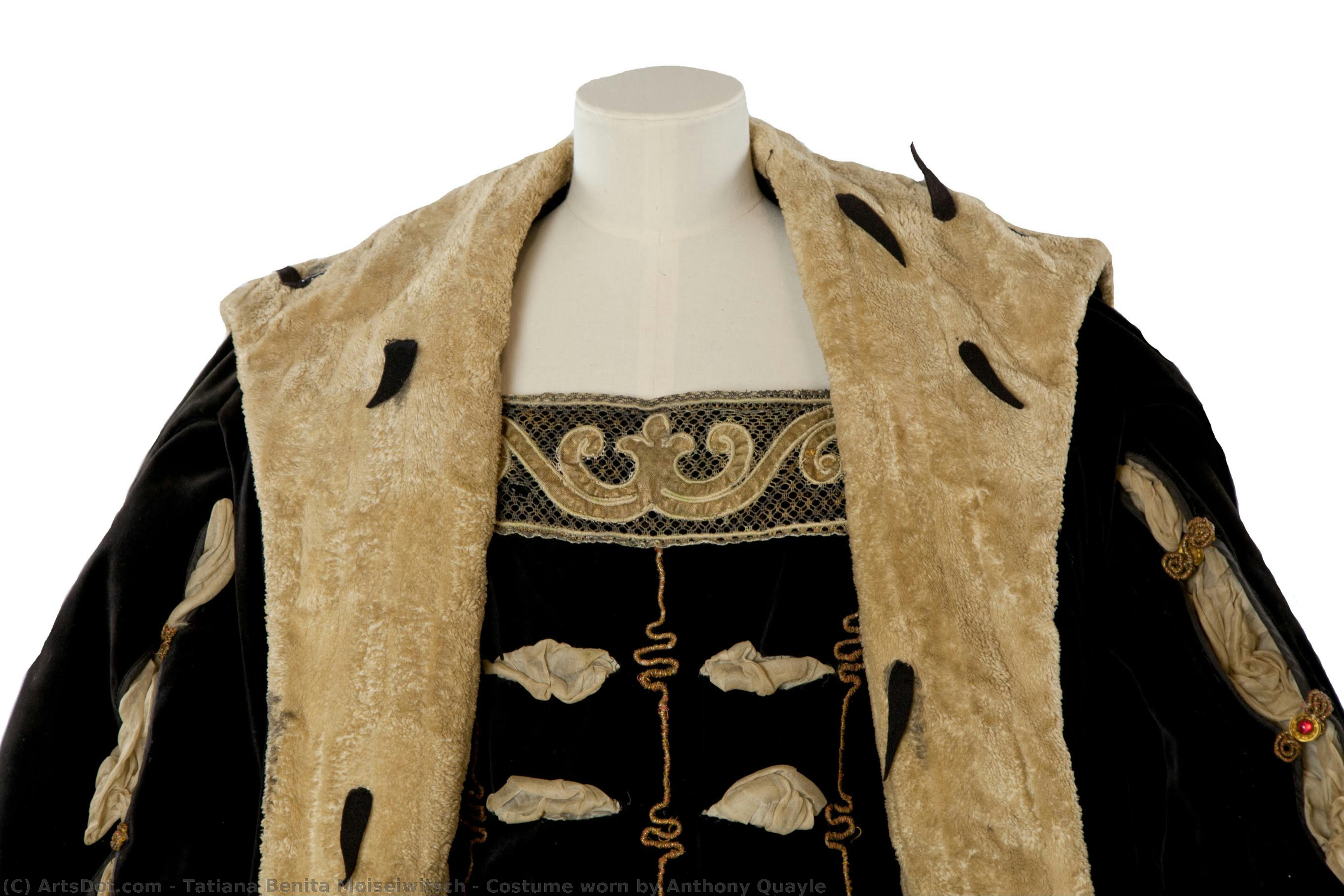
Costume worn by Anthony Quayle


 Pročitaj više
Kupite digitalnu sliku visoke rezolucije i poboljšanog kvaliteta, koja je znatno superiornija od onoga što vidite u online prikazu.
Svaka datoteka je pedantno pripremljena od strane naših stručnjaka koristeći napredne alate i profesionalnu ručnu retušu. Osiguravamo da svaka slika ima izuzetnu oštrinu, preciznu reprodukciju boja i fine detalje.
Konačna datoteka se dostavlja putem e-pošte u roku od 72 sata, optimizovana za neposrednu upotrebu u profesionalnim, izdavačkim i štamparskim okruženjima. To je isti kvalitet kojem veruju vrhunski studiji dizajna, izdavači i galerije.
Digitalna slika
Preuzmite datoteku visoke rezolucije za ličnu upotrebu, štampanje i kreativne projekte. ( Kupi print Kupi ručno naslikanu sliku)
Uključeno uz svaku porudžbinu digitalne slike
Profesionalna digitalna isporuka, zagarantovana
Kada odaberete ArtsDot.com, ne dobijate samo sliku – vi primate profesionalno unapređeno digitalno umetničko delo, izrađeno sa najvećom preciznošću i uz garanciju zadovoljstva. Evo svega što automatski dolazi uz vašu porudžbinu:

Brza dostava putem e-pošte
Vaša digitalna slika visoke rezolucije biće vam poslata putem e-pošte u roku od 72 sata od poručivanja – spremna za trenutnu upotrebu.

Digitalna datoteka unapređena veštačkom inteligencijom
Vaše umetničko delo je profesionalno optimizovano korišćenjem naprednih AI alata i ručne obrade, čime se osiguravaju maksimalni detalji, oštrina i preciznost boja.

Besplatna ponovna isporuka doživotno
Slučajno ste obrisali ili izgubili svoju datoteku? Ne brinite – poslaćemo vam je ponovo u bilo kom trenutku, potpuno besplatno.

Bez troškova uvoza – zauvek
Uživajte u svojim umetničkim delima trenutno, bez carine, dažbina ili troškova dostave – digitalni download je uvek bez poreza.

Garancija vernosti boja
Uz pomoć profesionalnih alata i upravljanja bojama, osiguravamo da vaša digitalna slika što vernije odražava originalne boje.

Garancija zadovoljstva u roku od 60 dana
Ako niste zadovoljni svojom digitalnom slikom, revidirat ćemo je ili vratiti 100% novca u roku od 60 dana – bez ikakvih pitanja.

100% garancija povrata novca
Niste zadovoljni? Obezbedite pun povrat novca u roku od 60 dana od trenutka kada ste primili svoju digitalnu datoteku – bez suvišnih pitanja.

Popusti na velike porudžbine
Kupite 3 slike, uštedite 10% - Kupite 5 slika, uštedite 15% - Kupite 10+ slika, uštedite 20%. Odlično za kreativne projekte, galerije i agencije.
Srodna umetnička dela









Biografija umetnika
Marc Chagall: A Life Painted in Dreams
Born Moishe Chagall in Vitebsk, Belarus (then part of the Russian Empire) on July 7, 1887, Marc Chagall’s life was a vibrant tapestry woven with threads of Jewish heritage, artistic experimentation, and profound emotional expression. His early years were marked by poverty and upheaval – his family moved frequently, reflecting the shifting borders of Eastern Europe. This itinerant existence instilled in him a deep appreciation for movement and a keen awareness of human experience. His formal education was interrupted at a young age, but he found solace and inspiration in art through informal study with local painters like Jehuda Pen, setting the stage for his future revolutionary style.
Chagall’s artistic journey began in Saint Petersburg, where he enrolled in several academies, absorbing the techniques of academic painting. However, it was his time in Paris in 1911 that proved transformative. Exposed to the radical innovations of Fauvism and Cubism – movements championed by artists like Matisse and Picasso – Chagall embraced their bold colors and fragmented forms, incorporating them into a distinctly personal vision. He joined the vibrant artistic community of Montparnasse, rubbing shoulders with luminaries such as Léger, Soutine, Apollinaire, and Max Jacob, all contributing to his evolving style.
The First World War dramatically altered Chagall’s life. His family was scattered, and he remained in Vitebsk, a city ravaged by conflict. This period of instability fueled a surge of creativity, marked by emotionally charged works like “I and the Village” (1915), which captures the anxieties and uncertainties of the era. Following the Russian Revolution, Chagall briefly served as Director of Fine Arts at Vitebsk, hoping to use art to promote social change. However, his efforts were met with resistance from the new authorities, leading him to relocate to Moscow in 1920. Despite facing material hardship, this period produced some of his most powerful and evocative paintings, including “Promenade,” a testament to the resilience of the human spirit.
In 1922, Chagall returned to Paris, seeking stability and artistic renewal. He established himself as a major figure in the international art world, exhibiting widely and receiving critical acclaim. His work during this period explored themes of memory, faith, and love, often drawing upon his Jewish heritage and personal experiences. The influence of Russian folklore and symbolism is particularly evident in paintings like “The Fiddler” (1917-18) and "Icarus" (1923), which are imbued with a dreamlike quality and a sense of timelessness.
The ‘Russian Years’ and the Rise of Surrealism
The years between 1915 and 1922, often referred to as his “Russian years,” represent a pivotal period in Chagall's artistic development. His marriage to Bella Rosenfeld in 1914 provided him with a profound source of inspiration, and she frequently appears in his paintings alongside him, rendered in vibrant colors and symbolic gestures. This era witnessed the emergence of a uniquely personal style characterized by flattened perspectives, distorted figures, and an imaginative use of color – elements that would later contribute to his association with Surrealism.
Chagall’s engagement with Russian avant-garde movements like Suprematism (led by Kazimir Malevich) and Constructivism was complex. While he admired their radical experimentation, he ultimately forged his own distinct path, blending these influences with elements of Cubism, Fauvism, and Byzantine iconography. His work during this time is deeply rooted in the emotional landscape of Russia – its history, culture, and spiritual traditions.
The decoration of the Jewish Theatre in Moscow (1927-1930) stands as a monumental achievement of this period, showcasing Chagall’s mastery of color, composition, and narrative. The elaborate murals depict scenes from the Bible and Jewish folklore, reflecting his deep connection to his heritage.
Technique and Style: A Symphony of Color and Symbolism
Chagall's artistic style is instantly recognizable for its distinctive blend of dreamlike imagery, vibrant color palettes, and symbolic gestures. He frequently employed a flattened perspective, creating an illusion of depth through the juxtaposition of shapes and colors rather than traditional linear techniques. His figures are often distorted and fragmented, conveying a sense of movement and emotional intensity.
Color plays a crucial role in Chagall’s work, serving as both a decorative element and a means of expressing emotion. He favored bold, saturated hues – reds, blues, yellows, and greens – often using them in unexpected combinations to create a visually arresting effect. His use of gold leaf adds an ethereal quality to many of his paintings, evoking the richness and splendor of religious iconography.
Symbolism is deeply embedded within Chagall’s imagery. Recurring motifs include stars, circles, musical instruments (particularly the violin), and biblical figures. These symbols are not always literal but rather function as metaphors for deeper themes – faith, love, loss, and the search for meaning. His paintings frequently evoke a sense of mystery and invite multiple interpretations.
Legacy and Influence
Marc Chagall (1887-1983) left an indelible mark on 20th-century art. His innovative style influenced generations of artists, including Pablo Picasso, Max Ernst, and Joan Miró. His work continues to resonate with audiences today due to its emotional depth, imaginative power, and enduring relevance.
Chagall’s paintings are held in major museums around the world, including the Museum of Modern Art (MoMA) in New York, the Centre Pompidou in Paris, and the State Russian Museum in St. Petersburg. His legacy extends beyond the art world, as he was also a celebrated designer, sculptor, and printmaker. Chagall’s life and work serve as a testament to the power of art to transcend cultural boundaries and express the deepest human emotions.
tatiana benita moiseiwitsch
1914 - 2003 , United Kingdom
Kratke činjenice
- Artistic Movement Or Style: Fauvism, Cubism
- Artists Or Movements Influenced By This Artist:
- Expressionism
- Surrealism
- Artists Who Influenced This Artist:
- Picasso
- Matisse
- Date Of Birth: July 7, 1887
- Date Of Death: 1983
- Full Name: Marc Chagall
- Nationality: French/Russian
- Notable Artworks:
- I and the Village
- Maternity
- The Four Seasons
- Place Of Birth: Witebsk (Belarus)

