

 Pregledaj u prostoru
 Pošalji
 Podeli
 Detalji o delu

 Преузми
 Slični predmeti
 Rendgenski snimak
 Slajdovi
 Stats
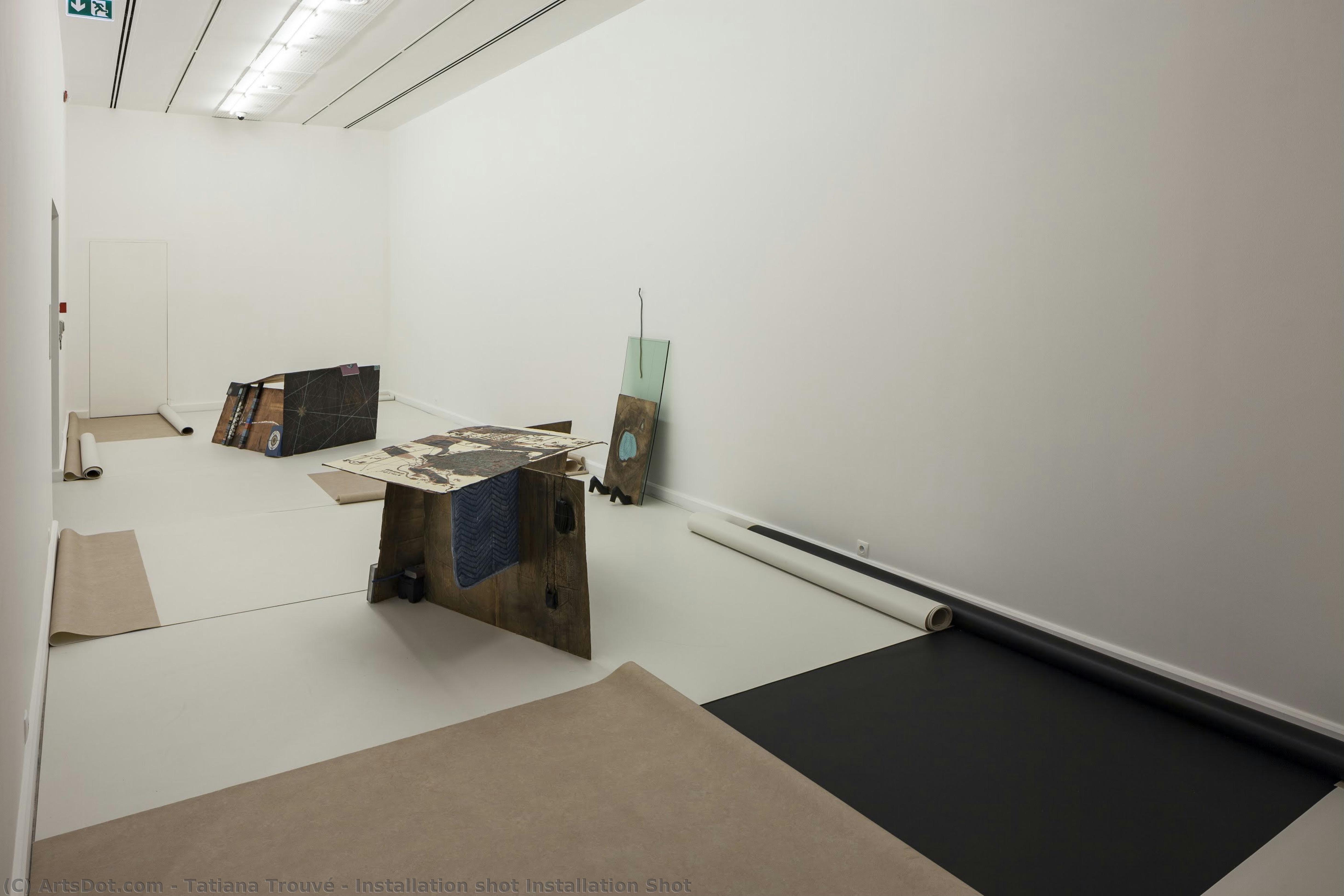
StatsInstallation shot Installation Shot


 Pročitaj više
Kupite digitalnu sliku visoke rezolucije i poboljšanog kvaliteta, koja je znatno superiornija od onoga što vidite u online prikazu.
Svaka datoteka je pedantno pripremljena od strane naših stručnjaka koristeći napredne alate i profesionalnu ručnu retušu. Osiguravamo da svaka slika ima izuzetnu oštrinu, preciznu reprodukciju boja i fine detalje.
Konačna datoteka se dostavlja putem e-pošte u roku od 72 sata, optimizovana za neposrednu upotrebu u profesionalnim, izdavačkim i štamparskim okruženjima. To je isti kvalitet kojem veruju vrhunski studiji dizajna, izdavači i galerije.
Digitalna slika
Preuzmite datoteku visoke rezolucije za ličnu upotrebu, štampanje i kreativne projekte. ( Switch to Print Kupi ručno naslikanu sliku)
Uključeno uz svaku porudžbinu digitalne slike
Profesionalna digitalna isporuka, zagarantovana
Kada odaberete ArtsDot.com, ne dobijate samo sliku – vi primate profesionalno unapređeno digitalno umetničko delo, izrađeno sa najvećom preciznošću i uz garanciju zadovoljstva. Evo svega što automatski dolazi uz vašu porudžbinu:

Brza dostava putem e-pošte
Vaša digitalna slika visoke rezolucije biće vam poslata putem e-pošte u roku od 72 sata od poručivanja – spremna za trenutnu upotrebu.

Digitalna datoteka unapređena veštačkom inteligencijom
Vaše umetničko delo je profesionalno optimizovano korišćenjem naprednih AI alata i ručne obrade, čime se osiguravaju maksimalni detalji, oštrina i preciznost boja.

Besplatna ponovna isporuka doživotno
Slučajno ste obrisali ili izgubili svoju datoteku? Ne brinite – poslaćemo vam je ponovo u bilo kom trenutku, potpuno besplatno.

Bez troškova uvoza – zauvek
Uživajte u svojim umetničkim delima trenutno, bez carine, dažbina ili troškova dostave – digitalni download je uvek bez poreza.

Garancija vernosti boja
Uz pomoć profesionalnih alata i upravljanja bojama, osiguravamo da vaša digitalna slika što vernije odražava originalne boje.

Garancija zadovoljstva od 100 dana
Ako niste zadovoljni svojom digitalnom slikom, izvršićemo reviziju ili ćemo vam vratiti 100% novca u roku od 100 dana – bez ikakvih pitanja.

100% garancija povrata novca
Niste zadovoljni? Dobijte puni povraćaj novca u roku od 100 dana od prijema digitalne datoteke – bez suvišnih pitanja.

Popusti na velike porudžbine
Kupite 3 slike, uštedite 10% - Kupite 5 slika, uštedite 15% - Kupite 10+ slika, uštedite 20%. Odlično za kreativne projekte, galerije i agencije.
Srodna umetnička dela






Biografija umetnika
A Life Between Worlds: The Enigmatic Practice of Tatiana Trouvé
Born in Cosenza, Italy, in 1968, Tatiana Trouvé’s artistic journey is one deeply rooted in displacement and the search for identity. Her childhood years spent in Dakar, Senegal—where her father worked as an architect—instilled a profound sensitivity to space, memory, and the subtle interplay between cultures. This early exposure to a vibrant, yet unfamiliar environment would become a foundational element of her artistic vocabulary, shaping her exploration of belonging, alienation, and the construction of personal narratives. The move back to Europe, followed by studies at Villa Arson in Nice and a formative residency at De Ateliers in Amsterdam, further broadened her perspective, exposing her to diverse artistic approaches and solidifying her commitment to sculpture and installation. However, it was her time working as a guard at the Centre Pompidou in Paris that proved particularly pivotal, offering intimate access to a vast collection of modern masterpieces and sparking a lifelong dialogue with art history.The Bureau d’Activités Implicites: Inventing a Self
Trouvé's breakthrough came with the inception of the Bureau d’Activités Implicites (B.A.I.) in 1997—a sprawling, fictional archive comprised of invented documents, personal effects, and architectural modules. This ambitious project wasn’t merely a collection of objects; it was an attempt to construct a self through the very act of documentation, or rather, *fabricated* documentation. The B.A.I. introduced many of the themes that would come to define her practice: fragmented narratives, the psychological weight of space, and the elusive nature of identity. Each module—dedicated to activities like archiving, copying, writing, or even “slips of the tongue”—became a microcosm of Trouvé’s creative process, blurring the lines between reality and invention. The work questioned the authenticity of self-representation and the inherent instability of memory, anticipating contemporary concerns about digital identity and the curated nature of online personas. It was an early exploration of how we build our narratives, often through incomplete or deliberately altered fragments.Sculpting Absence: Space, Time, and Materiality
Trouvé’s sculptures are rarely monumental in scale, yet they possess a remarkable presence—a quiet intensity that draws the viewer into their enigmatic world. She works with materials like bronze, copper, glass, and stone, often employing casting techniques to create objects that appear both solid and ephemeral. Her series Polders, begun in 2000, depicts miniature or inaccessible interior spaces—fragments of domesticity suspended in time. These are not simply representations of rooms; they are psychological landscapes, evoking a sense of longing, isolation, and the haunting beauty of abandoned places. The use of mirrors and windows further complicates our perception, creating an illusion of depth while simultaneously denying access. Similarly, The Guardian series—featuring personal objects juxtaposed with empty sculpted chairs—suggests the ghostly presence of benevolent protectors, hinting at themes of loss, memory, and the enduring power of human connection. Her work isn’t about filling space; it's about sculpting absence, creating voids that resonate with emotional weight.Drawing as a Mental Landscape
While sculpture forms the core of her practice, drawing is equally integral to Trouvé’s artistic vision. Her large-scale graphite works are not sketches or preparatory studies but complex mental landscapes—layered compositions of imagery, visual memory, and fragments drawn from her studio environment. Series like Intranquillité, Remanence, and Les dessouvenus delve into the subconscious realm, exploring the fluidity of time, the fragility of perception, and the elusive nature of dreams. These drawings are not intended to be deciphered; they are invitations to wander through a labyrinthine world of associations, where personal memories intertwine with collective histories. They represent an attempt to capture the internal experience of inhabiting space and time—the fleeting thoughts, emotions, and sensations that shape our understanding of reality.Recognition and Legacy
Tatiana Trouvé’s work has garnered widespread critical acclaim, earning her numerous awards including the prestigious Paul Ricard Prize (2001) and the Marcel Duchamp Prize (2007). Her exhibitions at major institutions worldwide—including the Venice Biennale, Centre Georges Pompidou, and Migros Museum für Gegenwartskunst—have solidified her position as a leading figure in contemporary art. In 2020, she was awarded France's Officier de l’Ordre des Arts et des Lettres, recognizing her significant contribution to French culture. Trouvé’s legacy lies in her ability to create works that are both intellectually rigorous and emotionally resonant—works that challenge our perceptions of space, time, and identity while simultaneously inviting us to contemplate the mysteries of the human condition. Her exploration of memory, imagination, and the uncertain boundary between fiction and reality continues to inspire a new generation of artists, cementing her place as a pivotal voice in contemporary sculpture and installation art.
tatiana trouvé
1968 - , Italy
Kratke činjenice
- Artistic Movement Or Style: Contemporary sculpture/Installation
- Artists Who Influenced This Artist:
- Alighiero Boetti
- Eva Hesse
- Marcel Duchamp
- Date Of Birth: 1968
- Full Name: Tatiana Trouvé
- Nationality: Italian-French
- Notable Artworks:
- Bureau d’Activités Implicites
- Polders
- Il Grande Ritratto
- Place Of Birth: Cosenza, Italy