

 Pregledaj u prostoru
 Pošalji
 Podeli
 Detalji o delu

 Преузми
 Slični predmeti
 Rendgenski snimak
 Slajdovi
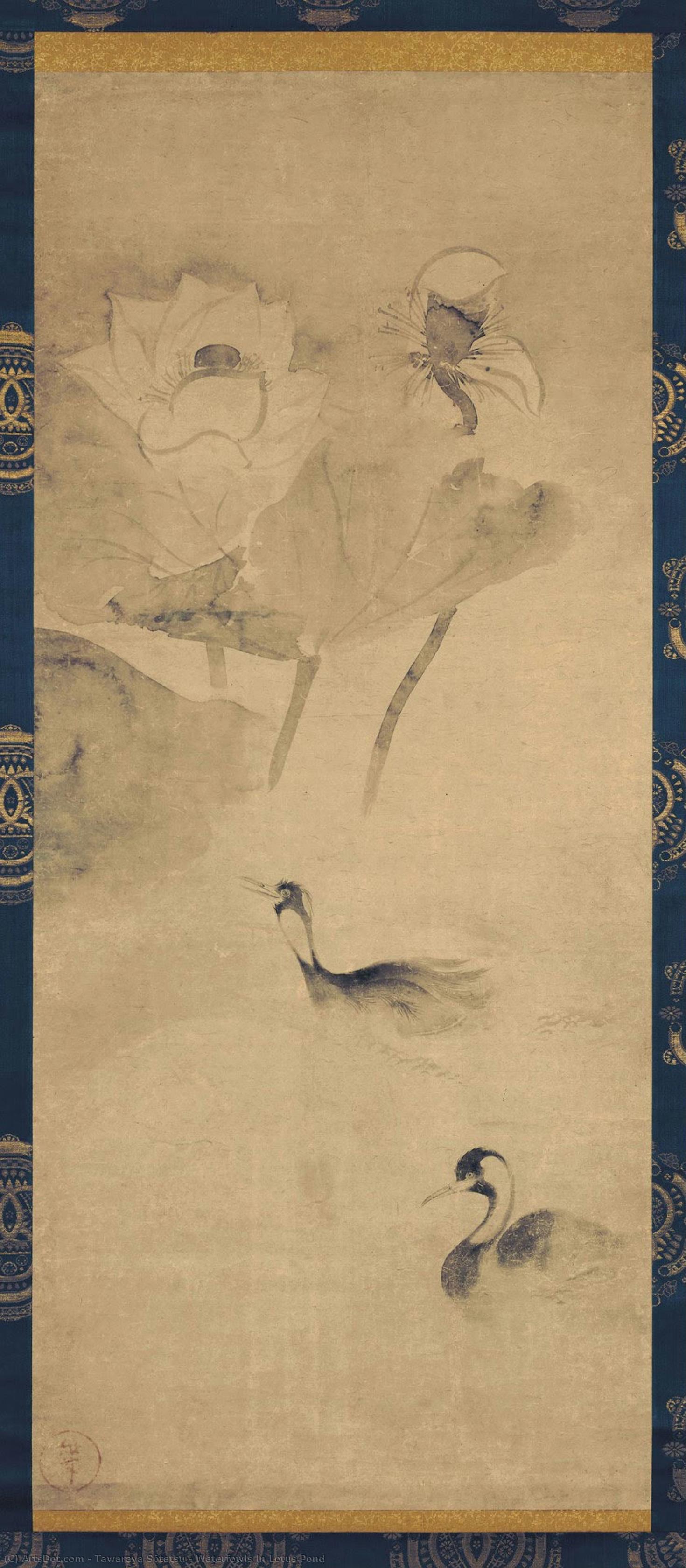
Waterfowls in Lotus Pond
 Pročitaj više
Ručno rađena uljana reprodukcija
Ručno oslikano uljanim bojama na platnu u dimenzijama i okviru po vašem izboru, izrađeno po porudžbini od strane naših umetnika. ( Kupi print Kupi digitalnu sliku)




































Izaberite jednu od naših unapred definisanih veličina koje odgovaraju originalnim proporcijama umetničkog dela.

Можете унети сопствене димензије како бисте прилагодили дело одређеном оквиру или простору. Ако одабрана величина не одговара пропорцијама оригинала, слика ће бити исечена или проширена додатним елементима који се ручно насликавају. Дигитални prikaz ће вам бити послат на одобрење пре почетка производње.
Имајте на уму да преглед на екрану не одражава стварно исецање или проширење. Само приказ (mockup) ће тачно приказати коначну композицију.
Иако су доступне прилагођене величине, препоручујемо да одаберете димензију из дефинисане листе како бисте сачували оригиналне пропорције.
Nakon narudžbine, tim ArtsDot.com će klijentu putem e-pošte poslati uputstva i dostaviti prikaz predloženog rešenja
Isporuka širom sveta () za 3/4 nedelje umesto uobičajenih 5 nedelja. (29 август). Bez kompromisa po pitanju kvaliteta.

Besplatna ekspresna dostava širom sveta

Visokokvalitetno laneno platno

Kompletno osiguranje transporta

Garancija povraćaja carine i uvoznih dažbina

Garancija vernosti boja

Politika povrata u roku od 60 dana (samo u slučaju nedostataka)

Garancija povrata novca od 100%

Popust pri grupnoj kupovini
 Opcija sa staklom dostupna je samo za dimenzije manje od 110 cm

Waterfowls in Lotus Pond
Tehnika reprodukcije
Dimenzije reprodukcije
-


Konačna cena
$ 263
Srodna umetnička dela



Biografija umetnika
The Genesis of a Visual Revolution
In the transformative era of the early Edo period, as Japan emerged from the shadows of civil war into a time of unprecedented cultural flourishing, the artistic landscape was forever altered by the hand of Tawaraya Sōtatsu. Though the precise details of his early life remain shrouded in the mists of history, scholars trace his origins to around 1570 in Nantou, Japan. Born into a family of skilled craftsmen specializing in the intricate art of lacquerware, Sōtatsu possessed an innate understanding of material, texture, and the interplay of light and surface. This foundational connection to craftsmanship would later become the bedrock of his painterly genius, allowing him to approach the canvas not merely as a storyteller, but as a designer of profound aesthetic impact. His early exposure to the meticulous demands of lacquerwork instilled in him a reverence for bold, decorative elements that would eventually define the Rinpa school.A Symbiosis of Spirit and Form
The trajectory of Sōtatsu’s career was irrevocably changed through his legendary collaboration with the visionary Hon'ami Kōetsu. This partnership was far more than a mere professional alliance; it was a creative crucible where calligraphy, design, and painting merged into a singular, revolutionary language. Together, they pioneered an aesthetic that moved away from the rigid traditions of the past toward something much more dynamic and ornamental. Sōlarity and movement became hallmarks of their work, as Sōtatsu applied his masterful designs to Kōetsu’s calligraphic masterpieces. This era saw the birth of a style characterized by lavish use of gold leaf, vibrant pigments, and a rhythmic composition that felt both ancient and startlingly modern. Through this synergy, the duo helped establish the Rinpa movement, an artistic lineage that would influence Japanese visual culture for centuries to come.Technique as Transcendence
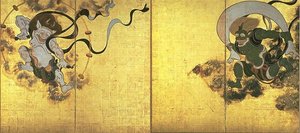
Beyond his collaborative triumphs, Sōtatsu’s individual technical innovations set him apart as a true master of illusion. He is perhaps most celebrated for the development of the tarashikomi technique—a method in which a second layer of wet pigment is dropped into a still-damp first layer. This process creates unpredictable, bleeding edges and ethereal textures that mimic the organic spontaneity of nature, such as the frothing crest of a wave or the delicate veins of a leaf. This mastery of fluid motion is nowhere more evident than in his iconic Wind God and Thunder God folding screens, which stand as National Treasures of Japan. In these works, the divine forces of nature are captured with a breathtaking balance of stylized power and atmospheric grace.An Enduring Legacy
The impact of Tawaraya Sōtatsu extends far beyond the borders of the Edo period. His ability to weave narrative depth with decorative splendor is seen in his evocative paintings from The Tale of Genji, where he transformed literary elegance into visual poetry. Whether through the rhythmic energy of his coastal landscapes or the intricate patterns of his furniture designs, Sōtatsu’s work continues to resonate with a sense of timelessness. His legacy remains etched in the very fabric of Japanese art, reminding us that true mastery lies in the ability to find the infinite within the beautifully designed.- Key Contributions:
- Co-founding the Rinpa school of painting.
- Pioneering the tarashikomi technique for organic textures.
- Revolutionizing the use of gold leaf and bold, decorative compositions in byōbu screens.
Tawaraya Sōtatsu
Japan
Osnovne informacije
- Artistic Movement Or Style: Rinpa school
- Artists Or Movements Influenced By This Artist:
- Ogata Kōrin
- Ogata Kenzan
- Sakai Hōitsu
- Artists Who Influenced This Artist: ["Hon'ami Kōetsu"]
- Date Of Birth: c. 1570
- Date Of Death: c. 1640
- Full Name: Tawaraya Sōtatsu
- Nationality: Japanese
- Notable Artworks:
- Wind God and Thunder God
- Sekiya chapters from The Tale of Genji
- Place Of Birth: Nantou, Japan

