

 Pregledaj u prostoru
 Pošalji
 Podeli
 Detalji o delu

 Преузми
 Slični predmeti
 Rendgenski snimak
 Slajdovi
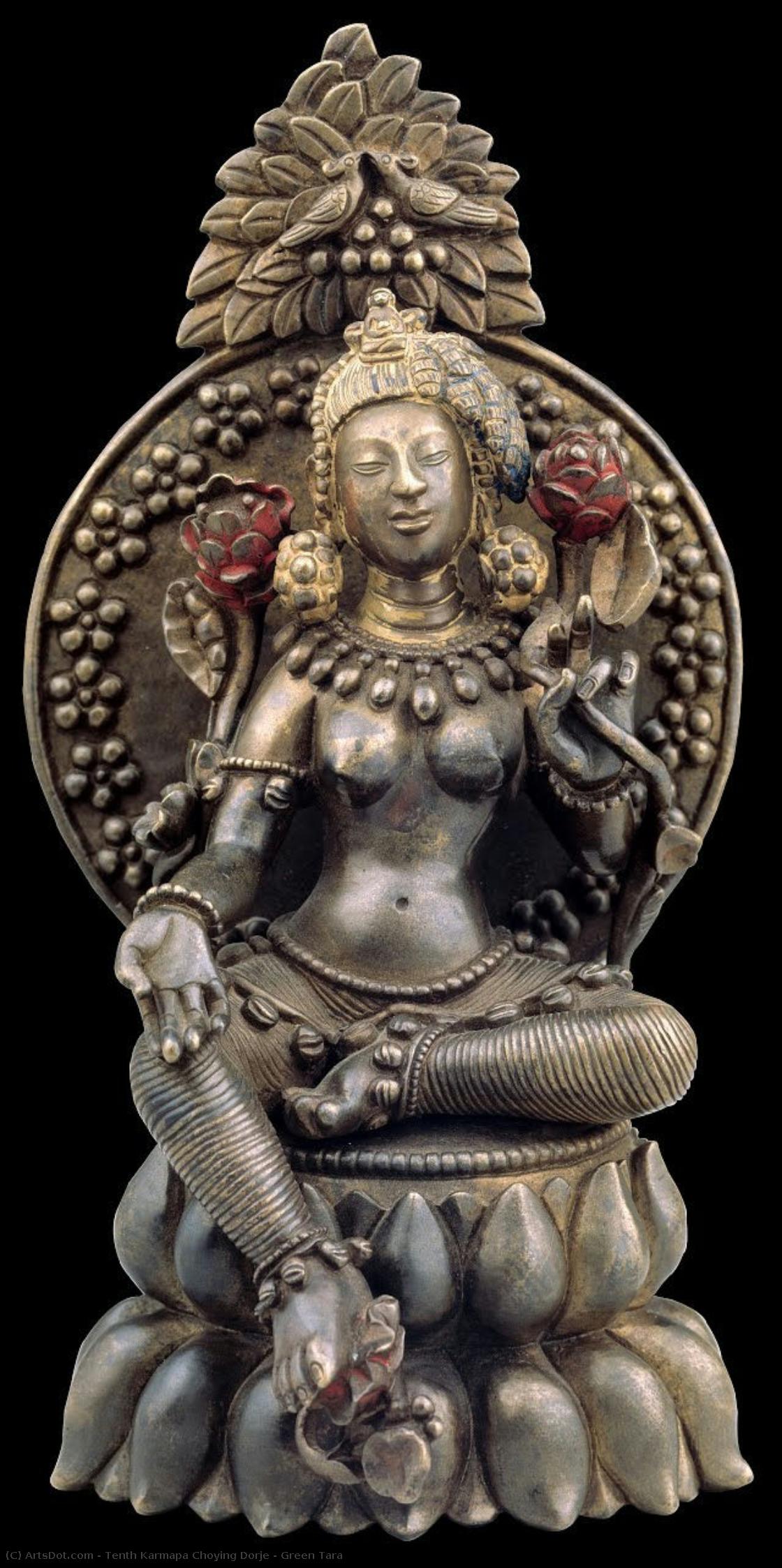
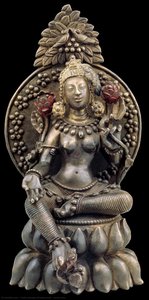
Green Tara


 Pročitaj više
Giclee štampa / Umetnički otisak
Giclée štampa ili print na platnu muzejskog kvaliteta uz brzu proizvodnju i fleksibilne opcije završne obrade. ( Kupi ručno naslikanu sliku Kupi digitalnu sliku)




































Izaberite jednu od naših unapred definisanih veličina koje odgovaraju originalnim proporcijama umetničkog dela.

Možete uneti sopstvene dimenzije kako biste umetničko delo prilagodili specifičnom okviru ili prostoru. Ako odabrani format ne odgovara proporcijama originalne slike, mi ćemo ili iscrtati deo dela ili proširiti sliku pomoću ogledane ivice ili jednobojnog popunjavanja. Digitalni prikaz će vam biti poslat na odobrenje pre početka proizvodnje.
Imajte na umu da pregled na ekranu ne odražava stvarno iscrtavanje ili proširivanje. Samo će prikaz (mockup) precizno pokazati finalnu kompoziciju.
Iako su prilagođene dimenzije dostupne, preporučujemo da odaberete dimenziju sa unapred definisane liste kako biste očuvali originalne proporcije.
Dostava širom sveta () za 2 nedelje umesto uobičajenih 4/5 nedelja. (7 септембар)

Besplatna ekspresna dostava širom sveta

Visokokvalitetno laneno platno

Kompletno osiguranje transporta

Garancija povraćaja carine i uvoznih dažbina

Garancija vernosti boja

Politika povraćaja u roku od 100 dana (isključivo u slučaju nedostataka)

Garancija povrata novca od 100%

Popust pri grupnoj kupovini
 Opcija sa staklom dostupna je samo za dimenzije manje od 110 cm

Green Tara
Giclee štampa / Umetnički otisak
Dimenzije reprodukcije
-


Konačna cena
$ 62
Srodna umetnička dela







Biografija umetnika
The Enigmatic Visionary: Tenth Karmapa Choying Dorje
The 17th-century Tibetan Buddhist master, tenth Karmapa Chöying Dorje (1604-1674), remains a figure of profound mystery and artistic brilliance. Born in the remote Golok region of eastern Tibet amidst political turmoil and sectarian conflict, his life was one of exile, relentless spiritual practice, and an astonishingly innovative approach to painting. Often overshadowed by later Karmapas known for their opulent lifestyles and political influence, Chöying Dorje’s legacy lies primarily in his artistic output – a body of work that defied convention, drawing inspiration from both traditional Tibetan iconography and the vibrant visual culture of India and China. His story is not simply one of a religious leader; it's a testament to resilience, creativity, and an unwavering commitment to preserving the essence of the Kagyu lineage.
A Life Forged in Exile
Chöying Dorje’s early life was marked by instability. The rise of the Gelug school under the Fifth Dalai Lama led to a suppression of other traditions, including the Kagyu, and the young Karmapa was forced into hiding. At just eight years old, he was recognized as the reincarnation of the ninth Karmapa by Shamarpa Chökyi Wangchuk, receiving the complete Kagyu transmission – a monumental responsibility for such a young boy. However, Tibet’s political landscape shifted dramatically when Mongol forces, led by Goshir Khan, invaded and instigated further conflict. The Karmapa was compelled to flee his homeland, embarking on a decades-long journey through Nepal, Burma, and eventually China, seeking refuge from persecution. During this period of exile, he established numerous monasteries along the way, not just as places of worship but also as centers for preserving and transmitting Buddhist teachings. This nomadic existence profoundly shaped his artistic vision – a synthesis of diverse influences and a deep connection to the landscapes he traversed.
The Art of Transformation: Style and Technique
Chöying Dorje’s paintings stand apart from the established conventions of Tibetan art. While rooted in traditional iconography, particularly the depiction of Tārā (the goddess of compassion) and Avalokiteśvara (the bodhisattva of mercy), his works are characterized by a strikingly modern sensibility. He drew heavily on Kashmiri painting – known for its vibrant colors, dynamic compositions, and expressive figures – as well as Chinese painting traditions, incorporating elements of narrative storytelling and theatricality. His Tārā paintings, in particular, are renowned for their intense emotionalism; the goddesses appear not as serene deities but as passionate, almost turbulent beings, radiating a palpable sense of urgency and compassion. He employed bold color palettes—often utilizing pigments he himself extracted from local minerals—and dynamic brushwork to convey movement and emotion. His sculptures, though less numerous than his paintings, shared this same spirit of innovation, blending traditional Tibetan forms with influences from Indian sculpture.
- Color Palette: Bold, vibrant hues derived from natural pigments.
- Composition: Dynamic and unconventional, often featuring dramatic perspectives and flowing lines.
- Subject Matter: Primarily Tārā and Avalokiteśvara, but also incorporating elements of Buddhist cosmology and narrative scenes.
- Technique: A distinctive blend of Tibetan, Kashmiri, and Chinese painting styles.
A Legacy of Innovation and Preservation
Despite facing immense challenges during his exile, Chöying Dorje remained steadfast in his commitment to preserving the Kagyu lineage. Upon his return to Tibet in 1672, he identified Yeshe Nyingpo as his successor, entrusting him with the complete transmission of the teachings and practices. His influence extended far beyond his own lifetime, shaping the artistic direction of subsequent Karmapas and contributing significantly to the development of Tibetan painting during a period of profound change. His paintings are now treasured for their beauty, emotional depth, and unique stylistic blend – offering a rare glimpse into the mind of a visionary artist who navigated political upheaval and spiritual hardship with remarkable grace and creativity. The rediscovery and study of his work continue to illuminate the rich tapestry of Tibetan art history and provide valuable insights into the life and legacy of this enigmatic master.
Further Exploration
- Green Tara Paintings: A key example of Chöying Dorje’s distinctive style.
- The Tenth Karmapa, Chöying Dorje - Wikipedia: https://en.wikipedia.org/wiki/10th_Karmapa,_Ch%C3%B6ying_Dorje
- Ian Alsop: The Sculpture of Chöying Dorjé, Tenth Karmapa:https://www.asianart.com/articles/10karmapa/index.html
- The Treasury of Lives: The Tenth Karmapa, Chöying Dorje:https://treasuryoflives.org/zh/biographies/view/The-Tenth-Karmapa-Choying-Dorje/2662
tenth karmapa choying dorje
1604 - 1674 , China
Osnovne informacije
- Artistic Movement Or Style: Kagyu School Art
- Artists Or Movements Influenced By This Artist:
- Kagyu School
- Tibetan Buddhism
- Artists Who Influenced This Artist: ['Shamarpa Chökyi Wangchuk']
- Date Of Birth: April 26, 1604
- Date Of Death: 1674
- Full Name: Chöying Dorje
- Nationality: Tibetan
- Notable Artworks:
- Green Tara Paintings
- Dorje Sculpture
- Place Of Birth: Khaytri Tang, Golok, Tibet