

 Pregledaj u prostoru
 Pošalji
 Podeli
 Detalji o delu

 Преузми
 Slični predmeti
 Rendgenski snimak
 Slajdovi
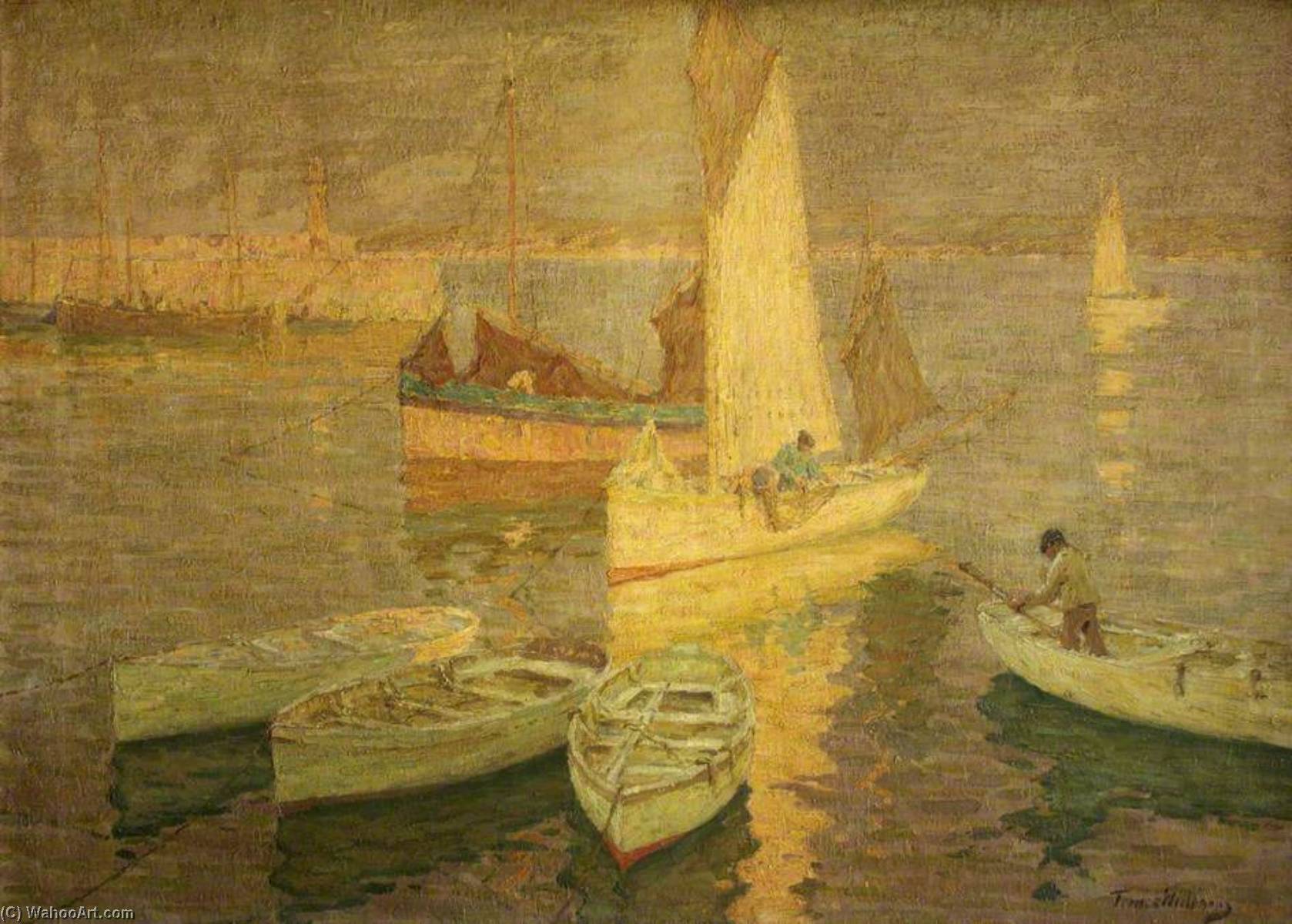
Sunset Glow, St Ives
 Oil
Oil- WallArt
- Impressionism
 1925
1925- Modern
 90.0 x 126.0 cm
 Bristol Museum - Art Gallery
 Pročitaj više
Ručno rađena uljana reprodukcija
Ručno oslikano uljanim bojama na platnu u dimenzijama i okviru po vašem izboru, izrađeno po porudžbini od strane naših umetnika. ( Kupi print Kupi digitalnu sliku)




P118B $10

P118H $10

P118W $10

P438Z $10

P508JH $12

P508YH $12

P805H $10

P805Z $10

P919BZ $10

P919G $10

P919XJ $10

P959ZH $10

P968JZ $12

W106C $8

W218G $10

W218JH $8

W218Y $10

W307PJ $10

W316G $10

W316PJ $8

W316Y $10

W398PJ $8

W4111J $10

W500HY $15

W500JH $15

W692G $12

W849H $8

W940BG $15

W953PJ $8




Izaberite jednu od naših unapred definisanih veličina koje odgovaraju originalnim proporcijama umetničkog dela.

Можете унети сопствене димензије како бисте прилагодили дело одређеном оквиру или простору. Ако одабрана величина не одговара пропорцијама оригинала, слика ће бити исечена или проширена додатним елементима који се ручно насликавају. Дигитални prikaz ће вам бити послат на одобрење пре почетка производње.
Имајте на уму да преглед на екрану не одражава стварно исецање или проширење. Само приказ (mockup) ће тачно приказати коначну композицију.
Иако су доступне прилагођене величине, препоручујемо да одаберете димензију из дефинисане листе како бисте сачували оригиналне пропорције.
Nakon narudžbine, tim ArtsDot.com će klijentu putem e-pošte poslati uputstva i dostaviti prikaz predloženog rešenja
Isporuka širom sveta () za 3/4 nedelje umesto uobičajenih 5 nedelja. (24 август). Bez kompromisa po pitanju kvaliteta.

Besplatna ekspresna dostava širom sveta

Visokokvalitetno laneno platno

Kompletno osiguranje transporta

Garancija povraćaja carine i uvoznih dažbina

Garancija vernosti boja

Politika povrata u roku od 60 dana (samo u slučaju nedostataka)

Garancija povrata novca od 100%

Popust pri grupnoj kupovini
 Opcija sa staklom dostupna je samo za dimenzije manje od 110 cm

Sunset Glow, St Ives
Tehnika reprodukcije
Dimenzije reprodukcije
-


Konačna cena
$ 263
Opis umetničkog dela
A Symphony of Light and Tide
In the quiet transition between day and night, Terrick John Williams captures a moment of profound stillness in Sunset Glow, St Ives. This 1925 masterpiece serves as a window into the soul of the Cornish coast, where the receding tide leaves behind a mirror-like sheen on the sand, reflecting the dying embers of the sun. The painting is not merely a depiction of a landscape; it is an invitation to experience the rhythmic breathing of the ocean. As the warm, amber hues of the sunset bleed into soft pastel clouds, the viewer is transported to a world where time seems to suspend itself, caught in that fleeting, golden interval before the twilight settles.
The composition is masterfully layered, guiding the eye from the intimate details of the foreground to the distant, nostalgic silhouette of the coastal village. Small, weathered boats rest upon the damp sand, their presence suggesting a day’s labor concluded and a well-earned repose. Further out, larger fishing vessels moored near the water's edge provide a sense of scale and depth, anchoring the scene in the reality of maritime life. The architecture of the distant town, with its quaint, old-world charm, whispers stories of generations of seafaring families, adding a layer of historical continuity to the ephemeral beauty of the sunset.
Impressionistic Mastery and Emotional Resonance
Williams employs a loose, impressionistic technique that prioritizes the sensation of light over rigid anatomical precision. His brushstrokes are visible and energetic, lending a tactile quality to the canvas that mimics the movement of wind and water. This deliberate lack of sharp outlines allows the colors to bleed into one another, creating a dreamy, atmospheric haze that is characteristic of his most celebrated works. The interplay between the warm oranges and yellows of the sky and the cool, muted tones of the wet sand creates a visual harmony that is both stimulating and deeply soothing.
For the discerning collector or interior designer, this piece offers more than just aesthetic beauty; it provides an emotional anchor for a space. The painting evokes a sense of tranquility, nostalgia, and peace, making it an ideal centerpiece for rooms designed for relaxation and contemplation. Whether placed in a sun-drenched living area or a quiet study, the warm glow of St Ives radiates a welcoming energy. A high-quality reproduction of this work allows the timeless magic of Williams’s vision to inhabit modern interiors, bringing the enduring romance of the British coastline into the heart of the home.
Srodna umetnička dela
![Legend Of St Francis - [23] - St Francis Mourned By St Clare — Đijoto Di Bondone, Gothic](/media/artworks/images-thumb/17/1c/171c284c41dc3ef8bca83e51c1e1e531.jpg)


Biografija umetnika
The Luminous Legacy of Terrick John Williams
Terrick John Williams (1860–1936) stands as a pivotal figure in British marine landscape painting, a master whose brush captured the ephemeral dance of light upon water with unparalleled sensitivity. Born in Liverpool on July 20, 1860, Williams was the son of a businessman involved in the diverse trades of perfumery and soap making. While his family envisioned a future for him within the steady world of commerce, the young artist possessed an unyielding devotion to the canvas. This determination led him away from the expected paths of industry toward a transformative journey through the great artistic hubs of Europe, a voyage that would ultimately define his aesthetic language and secure his place within the canon of British art history.
His formal education was as much a product of wanderlust as it was of rigorous discipline. In 1885, Williams embarked upon a period of intense study that saw him traversing the continent to absorb the diverse techniques of the era's masters. In Antwerp, he sought the guidance of Charles Verlat, and later, in the vibrant atmosphere of Paris, he immersed himself in the prestigious Académie Julian. Under the tutelage of luminaries such as Jean-Joseph Benjamin-Constant, William-Adolphe Bouguereau, and Tony Robert-Fleury, Williams honed a style that blended classical precision with an emerging Impressionistic fascination for atmospheric effects. These formative years instilled in him a lifelong dedication to capturing the transient beauty of the natural world—the way a sudden mist might soften a coastline or how the setting sun might ignite a canal.
Venetian Splendor and Cornish Echoes
The heart of Williams’s oeuvre lies in his ability to translate geographical landscapes into emotional experiences. He is perhaps most celebrated for his luminous renderings of Venice, where he drew profound inspiration from the Venetian School masters, including Claude Lorrain and Nicolas Punctual. His canvases of the Italian city are characterized by a vibrant, pulsating palette; he utilized rich yellows, oranges, and golds to mirror the sun-drenched facades and the shimmering reflections of the canals. Through the skillful application of glazing techniques, Williams achieved a remarkable depth of color, creating a sense of luminosity that seems to radiate from within the painting itself, inviting the viewer to feel the warmth of the Mediterranean light.
Yet, while Venice provided him with a stage for grand, sun-soaked vistas, the rugged coastlines of Cornwall offered a more intimate, rhythmic counterpart to his work. Settling in St. Ives in 1890, Williams became deeply entwied with the local landscape, alternating between this coastal sanctuary and his London residence. His Cornish scenes, such as the evocative Sunset Glow, St Ives, demonstrate a profound mastery of the quiet transitions of nature. In these works, the receding tide leaves behind mirror-like sheens on the sand, reflecting the dying embers of the day. This ability to capture the "rhythmic breathing" of the ocean allowed him to bridge the gap between the monumental and the intimate, making the landscape feel both epic and deeply personal.
Artistic Recognition and Enduring Significance
Throughout his prolific career, Williams earned significant acclaim on the international stage, proving that his vision resonated far beyond the shores of England. His technical prowess was formally recognized by the prestigious Paris Salon, where he was awarded a third-class medal in 1908 and a second-class medal in 1911. This period of success also saw him honored with a second-class medal in Barcelona, further cementing his reputation as a painter of international caliber. His work was not confined to European galleries; he also exhibited at the Carnegie Institute in Philadelphia, bringing his unique interpretation of light and maritime atmosphere to an American audience.
As a member of the Royal Academy, Williams contributed to the evolution of British landscape painting during a period of significant stylistic transition. His ability to weave together the historical weight of Romanticism with the fleeting, sensory focus of Impressionism allowed him to create works that felt both timeless and contemporary. Whether depicting the industrial grit of a coal mine in Mining or the architectural grandeur of a historical reconstruction like The Rebuilding of St Mary Redcliffe, his work remains a testament to the power of light as a narrative tool. Today, the legacy of Terrick John Williams lives on through his ability to freeze moments of profound stillness and beauty, offering a window into a world where the elements of earth, water, and sky converge in perfect, luminous harmony.
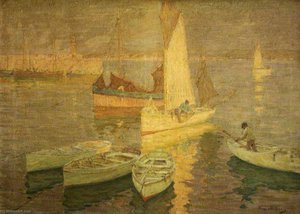
terrick john williams
1860 - 1936
Osnovne informacije
- Artistic Movement Or Style: Impressionist
- Artists Or Movements Influenced By This Artist: ['John Varley I']
- Artists Who Influenced This Artist: ['Charles Verlat']
- Date Of Birth: 1860-07-20
- Date Of Death: 1936-07-20
- Full Name: Terrick John Williams
- Nationality: British
- Notable Artworks: ['The Quayside, Concarneu']
- Place Of Birth: Liverpool, England
Povezani članci
The Allure of the Horizon: A Comprehensive Exploration of Seascape Art Through History & Emotion
Explore the captivating world of seascape art! Discover its history, key artists & movements – from Dutch Masters to Impressionism. Expert insights for collectors and enthusiasts at ArtsDot.
Pierre-Auguste Renoir: 25 Remek-Dela Impresionizma za Vaš Dom | ArtsDot
Uronite u svet Pierre-Auguste Renoara! Otkrijte 25 remek-dela impresionizma, priče iza slika i tehničke detalje. Reprodukcije vrhunskog kvaliteta za vaš dom dostupne na ArtsDot.com. Istražite celu kolekciju online!

The Subtleties of Pastel: A Comprehensive Exploration of Technique, History & Emotional Resonance
Explore the captivating world of pastel art! Discover its rich history, Impressionistic masters like Degas, emotional power & unique techniques. Find museum-quality reproductions at ArtsDot.
Golden Hours: Sunset Motifs in Western Art History
Explore the captivating history of sunset motifs in Western art! Discover iconic paintings by Monet, Van Gogh & Kuindzhi. Learn about Romanticism, Impressionism & collecting these timeless masterpieces. Expert insights at ArtsDot.

The Subdued Radiance of Pastel: Exploring Nuance & Emotion in Art
Explore the nuanced world of pastel art! Discover its history, techniques & emotional power with expert insights from ArtsDot.com. Find museum-quality reproductions and learn about collecting this delicate medium.

