

 Pregledaj u prostoru
 Pošalji
 Podeli
 Detalji o delu

 Преузми
 Slični predmeti
 Rendgenski snimak
 Slajdovi
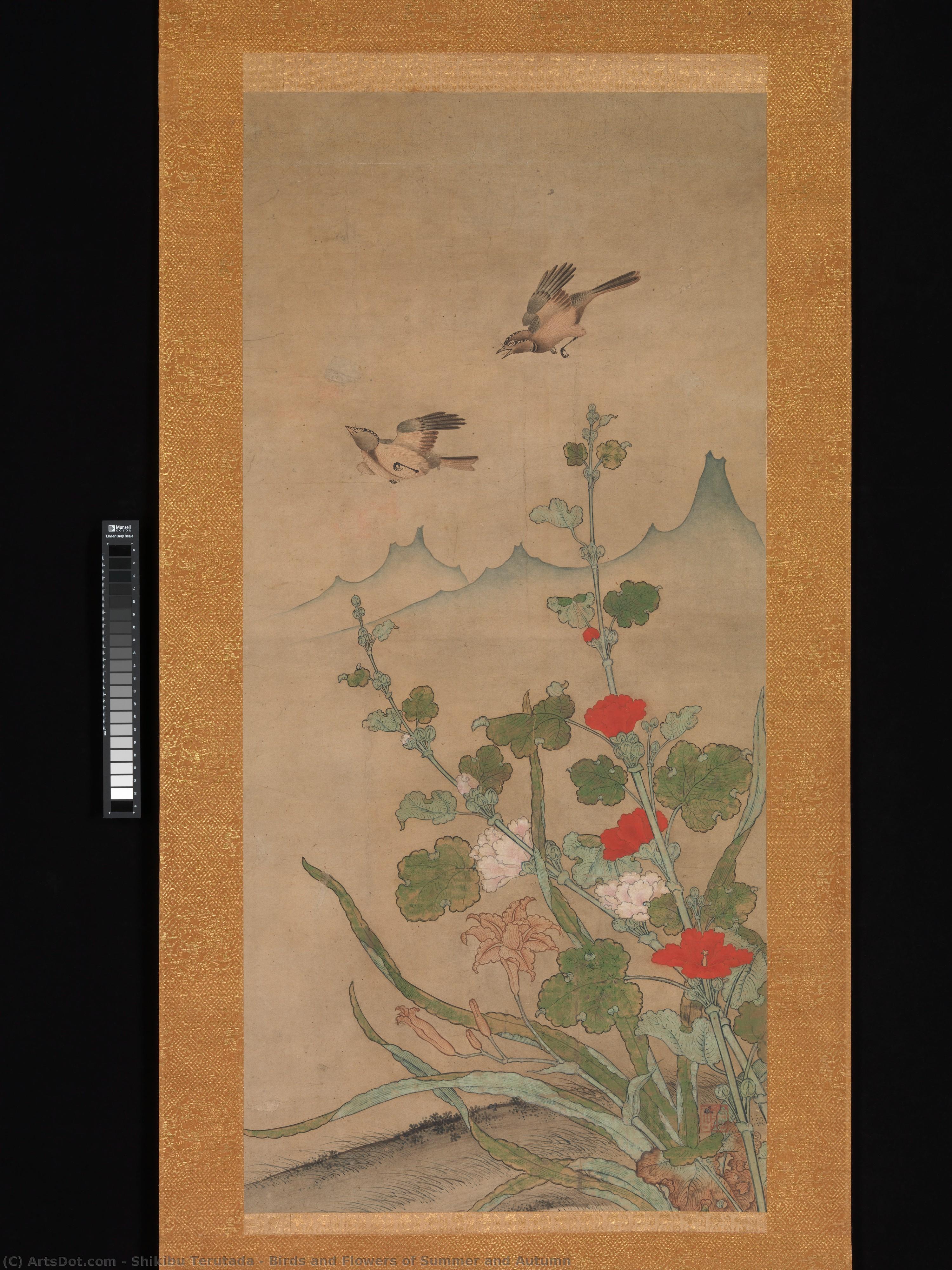
Birds and Flowers of Summer and Autumn
 501
501 96.0cm x 45.0cm
 Pročitaj više
Ručno rađena uljana reprodukcija
Ručno oslikano uljanim bojama na platnu u dimenzijama i okviru po vašem izboru, izrađeno po porudžbini od strane naših umetnika. ( Kupi print Kupi digitalnu sliku)




































Izaberite jednu od naših unapred definisanih veličina koje odgovaraju originalnim proporcijama umetničkog dela.

Можете унети сопствене димензије како бисте прилагодили дело одређеном оквиру или простору. Ако одабрана величина не одговара пропорцијама оригинала, слика ће бити исечена или проширена додатним елементима који се ручно насликавају. Дигитални prikaz ће вам бити послат на одобрење пре почетка производње.
Имајте на уму да преглед на екрану не одражава стварно исецање или проширење. Само приказ (mockup) ће тачно приказати коначну композицију.
Иако су доступне прилагођене величине, препоручујемо да одаберете димензију из дефинисане листе како бисте сачували оригиналне пропорције.
Nakon narudžbine, tim ArtsDot.com će klijentu putem e-pošte poslati uputstva i dostaviti prikaz predloženog rešenja
Isporuka širom sveta () za 3/4 nedelje umesto uobičajenih 5 nedelja. (2 септембар). Bez kompromisa po pitanju kvaliteta.

Besplatna ekspresna dostava širom sveta

Visokokvalitetno laneno platno

Kompletno osiguranje transporta

Garancija povraćaja carine i uvoznih dažbina

Garancija vernosti boja

Politika povrata u roku od 60 dana (samo u slučaju nedostataka)

Garancija povrata novca od 100%

Popust pri grupnoj kupovini
 Opcija sa staklom dostupna je samo za dimenzije manje od 110 cm

Birds and Flowers of Summer and Autumn
Tehnika reprodukcije
Dimenzije reprodukcije
-


Konačna cena
$ 263
Shikibu Terutada was a prolific painter active in the Kantō region of eastern Japan during the Edo period (1603-1868). He is known for his detailed depictions of birds and flowers, as well as his familiarity with Kano-school styles and compositions. One of his most famous works is 'Birds and Flowers of Summer and Autumn', a painting that showcases the beauty of nature in different seasons.
The Painting
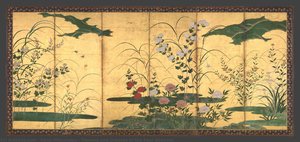
Birds and Flowers of Summer and Autumn (View painting) is a scroll painting that measures 95.8cm x 44.8cm. It features a profusion of detail, with hollyhocks and lilies blooming in the right scroll, countered by cotton roses, chrysanthemums, and eulalia grass in the left scroll. The painting is a testament to Terutada's skill as an artist, showcasing his ability to capture the beauty of nature with precision and detail.
The Artist
Terutada was born in the Kantō region of eastern Japan and began his career emulating the style of Kenkō Shōkei, a central figure of painting circles in late medieval Kantō. His many extant works reveal a familiarity with Kano-school styles and compositions, but he is thought to have begun his career emulating Shōkei's style. The pair of black-backed wagtails flying at the upper right and the oriole standing sentinel at the left in 'Birds and Flowers of Summer and Autumn', for example, are identical to motifs found in paintings by Shōkei and his numerous followers.
The Significance
'Birds and Flowers of Summer and Autumn' is a significant work in the Nanga art movement, also known as the Southern School of painting. This Japanese art movement emerged during the Edo period (1603-1868) and was heavily influenced by Chinese literati painting and calligraphy, which emphasized individual expression and the pursuit of personal enlightenment. Terutada's work is a testament to the beauty and significance of this art movement, showcasing the unique texture and beauty of Japanese paper.
Conclusion
'Birds and Flowers of Summer and Autumn' by Shikibu Terutada is a beautiful and significant work in the Nanga art movement. It showcases the beauty of nature in different seasons, as well as Terutada's skill as an artist. The painting is a testament to the significance of Japanese art and its unique texture and beauty. To learn more about Japanese art and ArtsDot.com's collection, visit The Art of Japanese Paper.
Srodna umetnička dela









Biografija umetnika
The Enigmatic Brush of Terutada Shikibu
In the annals of Japanese art history, few figures possess the haunting allure of Terutada Shikibu. A name whispered through the centuries, he remains a figure shrouded in artistic mystery, largely due to the scarcity of verifiable biographical details and the difficulty surrounding his historical identification. While some scholars once mistakenly conflated him with other masters, it is now understood that Shikibu was a distinct and vital presence, primarily active in the Kantō region of Eastern Japan during the transition between the Muromachi and Edo periods. Though his early life remains obscured by the mists of time, his work serves as a luminous window into the refined aesthetic sensibilities and spiritual currents that defined his era.
The essence of Shikibu’s artistry lies in his ability to capture the ephemeral beauty of the natural world with both precision and profound poetic resonance. He was a master of the Kacho-ga (bird and flower) genre, creating works that were far more than mere botanical studies. His paintings—most notably his celebrated seasonal landscapes—function as meditations on the passage of time and the cyclical nature of existence. Through a meticulous observation of flora and fauna, he achieved an idealized representation of nature that transcends simple realism, inviting the viewer into a space of quiet contemplation and spiritual depth.
Artistic Lineage and Stylistic Evolution
The development of Shikibu’s style is a fascinating study in the synthesis of tradition and individual innovation. While his precise training remains a subject of scholarly debate, there is strong evidence that he emerged from the influence of Kenkō Shōkei, a central figure in the late medieval painting circles of the Kantō region. By emulating the complex brushstrokes and structured compositions of Shōkei, Shikibu built a foundation of technical mastery that allowed him to later integrate the bold, vigorous elements of the Kano school.
This stylistic evolution is particularly evident in his more dynamic compositions. In works such as Monkeys Playing Among Trees and Rocks, one can observe a breathtaking duality: the soft, delicate touch reminiscent of the Song-dynasty master Muqi meets the dense, powerful compositional methods characteristic of the Kano tradition. This ability to blend the delicate with the robust allowed him to appeal to a wide range of patrons, from the austere temples of the Muromachi period to the powerful Imagawa family, lords of the Suruga province. It has even been suggested by some historians that his prolific output of fan paintings indicates he may have led a dedicated workshop, further cementing his influence on the regional artistic landscape.
Symbolism and the Spirit of the Seasons
To gaze upon a work by Terutada Shikibu is to engage with a complex language of symbols. His landscapes are rarely just scenery; they are tapestries of meaning woven from the threads of Zen Buddhism and classical Japanese poetry. In his masterful pair, Birds and Flowers of Summer and Autumn, every element carries a weight of significance:
- The Flora: The presence of lilies and hollyhocks evokes themes of purity and seasonal vitality, while the chrysanthemum serves as a timeless emblem of longevity and endurance.
- The Fauna: Birds such as the black-backed wagtail or the watchful oriole are not merely decorative; they symbolize freedom, aspiration, and the harmonious balance of the natural order.
- The Seasonal Cycle: Through his depiction of changing landscapes—from the blossoming mountains of spring to the snow-covered retreats of winter—Shikibu captures the Buddhist concept of impermanence, reminding the viewer of the fleeting yet beautiful nature of all life.
Ultimately, the historical significance of Terutada Shikibu lies in his role as a bridge between eras. He carried the refined, spiritual traditions of the Muromachi period into the burgeoning cultural landscape of the Edo period, ensuring that the delicate echoes of tranquility found in his floral landscapes would continue to resonate through the centuries.
terutada shikibu
Japan
Osnovne informacije
- Artistic Movement Or Style: Muromachi Period Landscape Painting
- Date Of Birth: Living
- Full Name: Terutada Shikibu
- Nationality: Japanese
- Notable Artworks:
- Landscape of the four seasons, one of a pair
- Birds and Flowers of Summer and Autumn
- Place Of Birth: Kyoto, Japan

