

 Pregledaj u prostoru
 Pošalji
 Podeli
 Detalji o delu

 Преузми
 Slični predmeti
 Rendgenski snimak
 Slajdovi
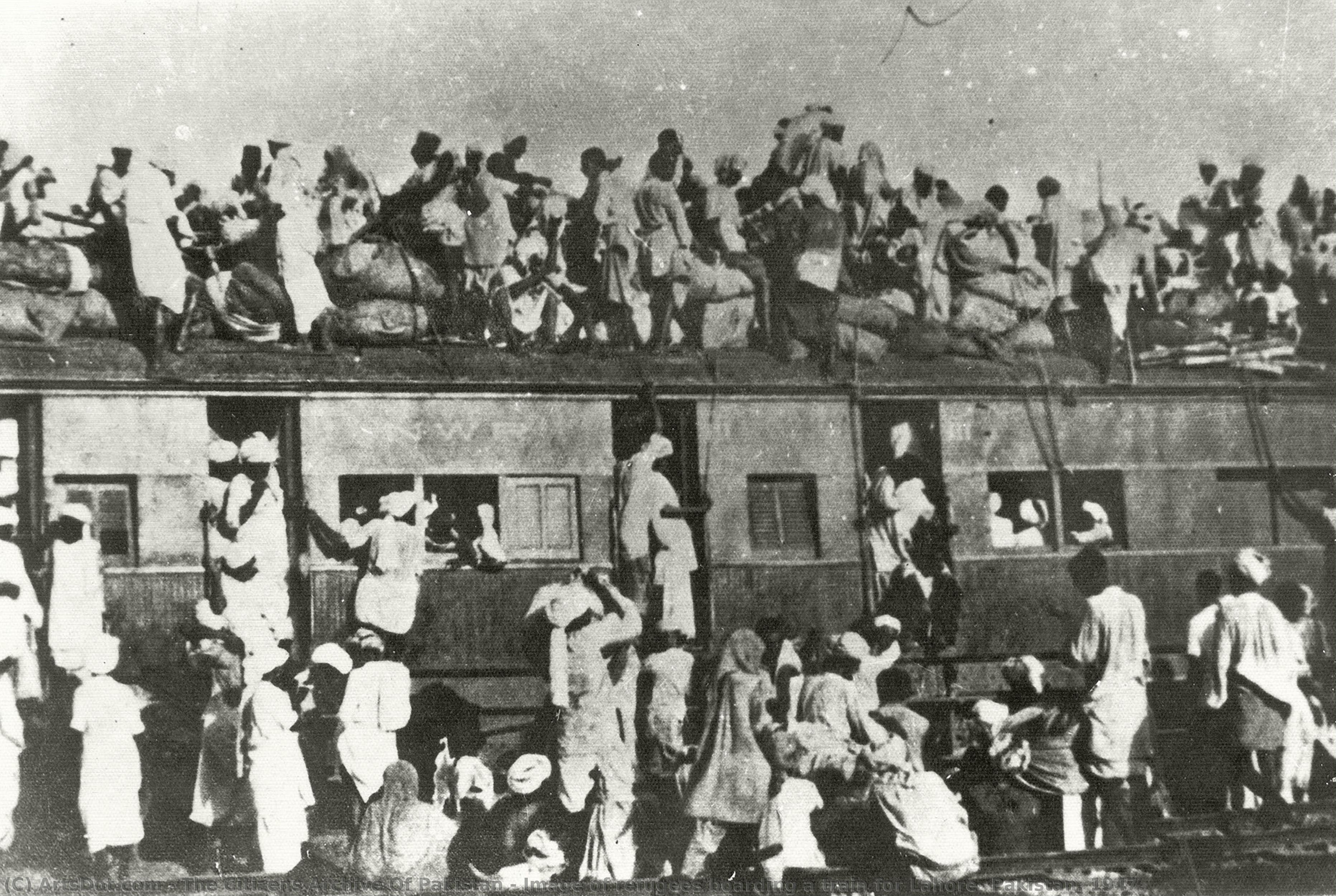
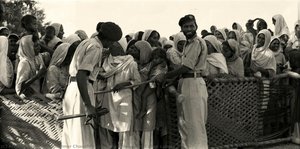
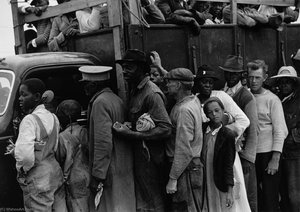
Image of refugees boarding a train for Lahore, Pakistan. 1947.


 Pročitaj više
Giclee štampa / Umetnički otisak
Giclée štampa ili print na platnu muzejskog kvaliteta uz brzu proizvodnju i fleksibilne opcije završne obrade. ( Kupi ručno naslikanu sliku Kupi digitalnu sliku)




































Izaberite jednu od naših unapred definisanih veličina koje odgovaraju originalnim proporcijama umetničkog dela.

Možete uneti sopstvene dimenzije kako biste umetničko delo prilagodili specifičnom okviru ili prostoru. Ako odabrani format ne odgovara proporcijama originalne slike, mi ćemo ili iscrtati deo dela ili proširiti sliku pomoću ogledane ivice ili jednobojnog popunjavanja. Digitalni prikaz će vam biti poslat na odobrenje pre početka proizvodnje.
Imajte na umu da pregled na ekranu ne odražava stvarno iscrtavanje ili proširivanje. Samo će prikaz (mockup) precizno pokazati finalnu kompoziciju.
Iako su prilagođene dimenzije dostupne, preporučujemo da odaberete dimenziju sa unapred definisane liste kako biste očuvali originalne proporcije.
Dostava širom sveta () za 2 nedelje umesto uobičajenih 4/5 nedelja. (4 септембар)

Besplatna ekspresna dostava širom sveta

Visokokvalitetno laneno platno

Kompletno osiguranje transporta

Garancija povraćaja carine i uvoznih dažbina

Garancija vernosti boja

Politika povrata u roku od 60 dana (samo u slučaju nedostataka)

Garancija povrata novca od 100%

Popust pri grupnoj kupovini
 Opcija sa staklom dostupna je samo za dimenzije manje od 110 cm

Image of refugees boarding a train for Lahore, Pakistan. 1947.
Giclee štampa / Umetnički otisak
Dimenzije reprodukcije
-


Konačna cena
$ 62
Srodna umetnička dela

Biografija umetnika
Preserving Pakistan’s Soul: The Citizens Archive of Pakistan
The Citizens Archive of Pakistan (CAP) is more than an organization; it's a vital act of national memory, a dedicated effort to safeguard the rich and often-fragile tapestry of Pakistani history and culture. Founded on the principle that a nation’s identity resides in its stories—particularly those whispered through generations—CAP has emerged as a unique force in Pakistan’s cultural landscape. Unlike traditional state-run archives, CAP operates as an independent, not-for-profit entity, allowing it to pursue a more inclusive and nuanced approach to historical preservation. Its origins lie in a critical need: the absence of readily accessible, unbiased records documenting pivotal moments like the Partition of India in 1947, a period often overshadowed by political rhetoric and selective narratives. The organization recognized that the most powerful accounts were held not within official institutions but within the personal collections and oral histories of ordinary citizens.The Oral History Project: A Nation’s Voices
At the heart of CAP's mission is the Oral History Project (OHP), a monumental undertaking to collect, digitize, and preserve the testimonies of those who lived through defining events in Pakistan’s past. Launched with an urgency born from the realization that this generation was dwindling, the OHP has amassed over 5000 oral histories—a remarkable feat considering the challenges inherent in documenting personal experiences decades after they occurred. These aren't simply recordings of facts and dates; they are intimate portraits of resilience, loss, displacement, and hope. The project’s scope extends beyond Partition, encompassing a wide range of themes including the 1971 War, social movements, cultural traditions, and everyday life in Pakistan throughout the 20th and 21st centuries. The sheer scale of the archive—over 650,000 photographs from both private and public collections alongside the oral histories—makes it an unparalleled resource for researchers, educators, and anyone seeking a deeper understanding of Pakistani identity. The OHP actively seeks out diverse voices, ensuring that marginalized communities and underrepresented perspectives are included in the national narrative.Beyond Documentation: Education and Outreach
CAP’s commitment extends far beyond simply collecting and storing historical materials. The organization recognizes that an archive is only as valuable as its accessibility. A core tenet of CAP's philosophy is to actively engage with the community, fostering awareness of Pakistan’s history and instilling a sense of pride in its heritage. This manifests through a robust educational program designed for schools, universities, and the general public. CAP develops innovative educational products based on its archive—exhibitions, workshops, documentaries, and online resources—that bring history to life in engaging and thought-provoking ways. These initiatives are not merely about imparting knowledge; they aim to cultivate critical thinking skills and encourage a deeper appreciation for the complexities of Pakistan’s past. The organization frequently hosts festivals and exhibitions that showcase its collection, attracting thousands of visitors eager to connect with their nation's stories.Influences and Artistic Collaborations
While CAP is primarily an archival institution, it has increasingly engaged in artistic collaborations that amplify the impact of its work. The organization understands the power of art to evoke emotion, spark dialogue, and reach new audiences. A notable example is the project with artist Onkar Kular for Alchemy 2014 at the Southbank Centre, which drew upon commissioned works and existing archival material from CAP’s collection to revisit the Partition through a gendered lens. This collaboration transformed the archive into a dynamic space for oral history recordings, personal document archiving, and public discussion—effectively turning historical preservation into a “living history” experience. These partnerships demonstrate CAP's willingness to experiment with new forms of storytelling and its commitment to making Pakistani history accessible on an international stage. The use of graphic language inspired by Pakistani truck art in the Alchemy project further exemplifies this dedication to celebrating local aesthetics and cultural expressions.Historical Significance and Future Vision
The Citizens Archive of Pakistan occupies a unique position within the landscape of historical preservation, particularly in a nation where state-controlled narratives have often dominated public discourse. By prioritizing oral histories and independent documentation, CAP has created a vital counterpoint to official accounts, offering a more nuanced and inclusive understanding of Pakistan’s past. Its work is especially significant given the ongoing challenges of censorship and political instability within the country. The organization's commitment to preserving diverse perspectives—including those of religious minorities, women, and marginalized communities—is crucial for fostering national reconciliation and building a more equitable future. CAP envisions itself as the foremost library and heritage center of Pakistani history, a place where citizens can connect with their past, celebrate their culture, and shape their nation’s identity. Through its unwavering dedication to preserving Pakistan's soul, CAP is not merely documenting history; it is actively shaping it. The organization stands as a testament to the power of collective memory and the enduring importance of storytelling in defining a nation’s character.
Osnovne informacije
- Artistic Movement Or Style: Archival preservation
- Date Of Death: Living
- Full Name: The Citizens Archive Of Pakistan
- Nationality: Pakistani
- Notable Artworks:
- Image of refugees boarding a train
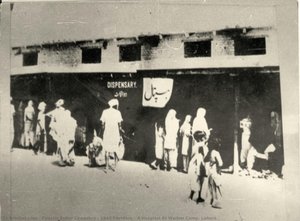
- Images of Sindh High Court
- A movie still of Murad and Shabnam
Povezani članci
Documentary Photography's Defining Moments: 10 Masterpieces for Your Home |
Explore 10 defining documentary photography masterpieces – from Dorothea Lange to Robert Capa. Discover powerful stories, iconic images & timeless art for your home. Museum-quality prints at .
Resurrecting Memories: Artistic Reconstruction of Low-Resolution Photographs into High-Fidelity Oil Paintings
Transform cherished low-resolution photos into stunning, high-fidelity oil paintings. Expert restoration & museum-quality reproductions by skilled artists. Preserve your memories with lasting beauty.
Aaron Siskind: Deconstructing Reality – A Photographic Exploration of Texture, Form & the Abstract Landscape
Explore the transformative journey of Aaron Siskind, from social realism to pioneering abstract photography. Discover his iconic series & lasting influence on modern art. A guide for collectors.
Berenice Abbott: Documenting a Changing America Through Photographic Vision
Explore the groundbreaking work of Berenice Abbott, a pioneer of documentary photography. Discover her iconic images of New York City, portraits, and scientific studies. Learn about her unique style & lasting legacy at ArtsDot.
Beyond the Lens: Photography's Enduring Influence on Modern & Contemporary Art
Explore photography's pivotal role in shaping modern & contemporary art. Discover key movements, influential artists like Stieglitz, and expert collecting advice from ArtsDot.

