

 Pregledaj u prostoru
 Pošalji
 Podeli
 Detalji o delu

 Преузми
 Slični predmeti
 Rendgenski snimak
 Slajdovi
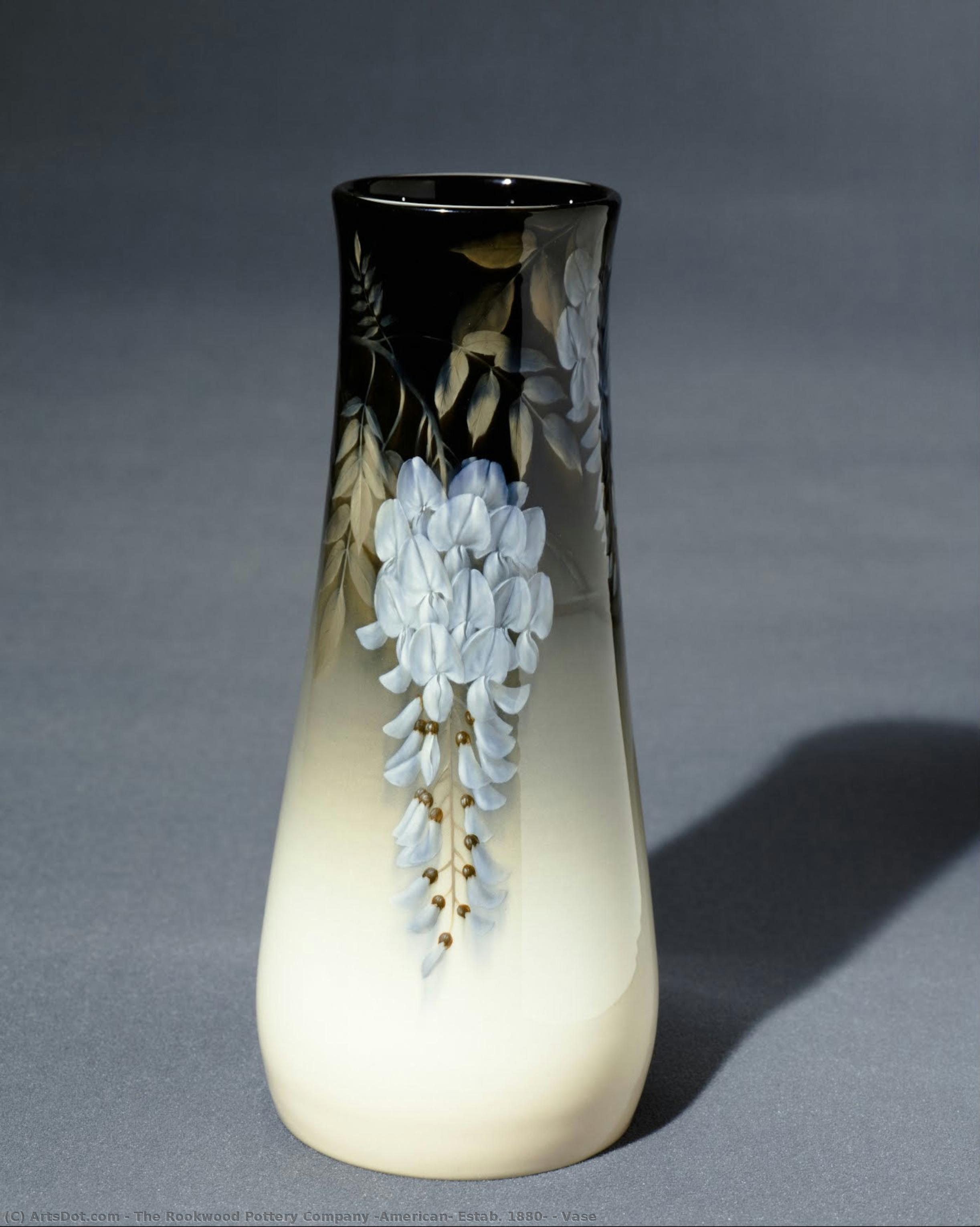
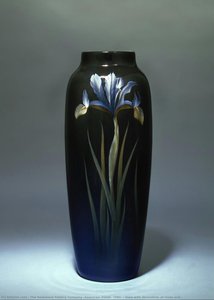
Vase
 Art Nouveau
 1907
1907 36.0 x 15.0 cm
 Pročitaj više
Giclee štampa / Umetnički otisak
Giclée štampa ili print na platnu muzejskog kvaliteta uz brzu proizvodnju i fleksibilne opcije završne obrade. ( Kupi ručno naslikanu sliku Kupi digitalnu sliku)




































Izaberite jednu od naših unapred definisanih veličina koje odgovaraju originalnim proporcijama umetničkog dela.

Možete uneti sopstvene dimenzije kako biste umetničko delo prilagodili specifičnom okviru ili prostoru. Ako odabrani format ne odgovara proporcijama originalne slike, mi ćemo ili iscrtati deo dela ili proširiti sliku pomoću ogledane ivice ili jednobojnog popunjavanja. Digitalni prikaz će vam biti poslat na odobrenje pre početka proizvodnje.
Imajte na umu da pregled na ekranu ne odražava stvarno iscrtavanje ili proširivanje. Samo će prikaz (mockup) precizno pokazati finalnu kompoziciju.
Iako su prilagođene dimenzije dostupne, preporučujemo da odaberete dimenziju sa unapred definisane liste kako biste očuvali originalne proporcije.
Dostava širom sveta () za 2 nedelje umesto uobičajenih 4/5 nedelja. (30 август)

Besplatna ekspresna dostava širom sveta

Visokokvalitetno laneno platno

Kompletno osiguranje transporta

Garancija povraćaja carine i uvoznih dažbina

Garancija vernosti boja

Politika povrata u roku od 60 dana (samo u slučaju nedostataka)

Garancija povrata novca od 100%

Popust pri grupnoj kupovini
 Opcija sa staklom dostupna je samo za dimenzije manje od 110 cm

Vase
Giclee štampa / Umetnički otisak
Dimenzije reprodukcije
-


Konačna cena
$ 62
Srodna umetnička dela
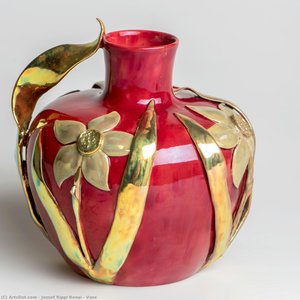
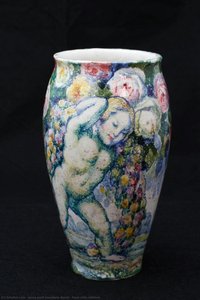
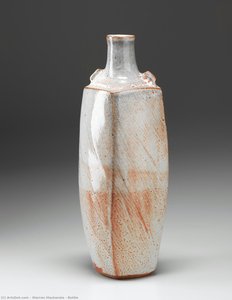
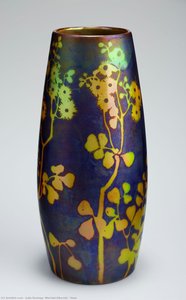
Biografija umetnika
The Dawn of American Art Pottery: Rookwood and the Cincinnati Renaissance
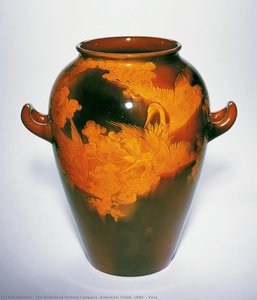
The story of The Rookwood Pottery Company is inextricably linked to the burgeoning Arts and Crafts movement in late 19th-century America, a period yearning for authenticity and handmade quality in contrast to the increasingly mechanized world. Founded in 1880 by Maria Longworth Storer Keyes in Cincinnati, Ohio, Rookwood wasn’t merely a pottery factory; it was an ambitious attempt to establish an American artistic identity, one that rivaled the esteemed ceramic traditions of Europe and Asia. Keyes, a wealthy socialite with a passion for art and a keen eye for design, envisioned a space where local artists could flourish, creating unique pieces inspired by the surrounding landscape and imbued with a distinctly American sensibility. The initial impetus came from her frustration with the lack of high-quality pottery available domestically – everything beautiful was imported. She began experimenting in her family’s estate, eventually leading to the establishment of the Rookwood studio, named after her ancestral home. This wasn't simply about replicating existing styles; it was a deliberate effort to forge something new, rooted in American soil and talent. The early years were marked by experimentation with glazes and forms, drawing inspiration from both European majolica and Japanese ceramics, but quickly evolving into a style all its own.Early Innovations and the Rise of Standard Glazes
The first decades of Rookwood’s existence were defined by a relentless pursuit of technical mastery and artistic innovation. Keyes hired talented decorators and potters, fostering an environment of collaboration and creative exchange. One of the most significant early achievements was the development of a range of “standard glazes” – distinctive color palettes that became synonymous with the Rookwood name. These weren’t accidental discoveries; they were the result of painstaking research and experimentation led by chemist William Bloor. The standard glazes, including Sea Green, Matte Green, Oxblood, and Rose Pink, provided a consistent foundation for artists to build upon, allowing them to focus on design and decoration without constantly battling unpredictable firing results. The company’s commitment to marking each piece with an impressed Rookwood logo and the artist's initials ensured both quality control and recognition of individual craftsmanship. This practice was revolutionary at the time, elevating the status of pottery from a functional object to a collectible art form. The early work often featured floral motifs, landscapes, and geometric patterns, reflecting the influence of contemporary Aestheticism and Japanese design principles. The emphasis on naturalistic forms and subtle color harmonies resonated with a public increasingly disillusioned with Victorian excess.The Influence of Frederick Rhead and the Shift in Style
A pivotal moment in Rookwood’s history arrived with the arrival of Frederick Rhead in 1903. Rhead, an English ceramic artist with extensive experience in both England and America, brought a new energy and direction to the studio. He championed a more painterly approach to decoration, encouraging artists to embrace bolder designs and more complex compositions. Under Rhead’s leadership, Rookwood began experimenting with highly textured surfaces, iridescent glazes, and increasingly abstract forms. The “Standard Glaze” period gradually gave way to a new era of experimentation, characterized by the introduction of overglaze decorations, including elaborate landscapes, portraits, and scenes inspired by American folklore. Rhead also introduced the use of shapes that were more sculptural than functional, pushing the boundaries of what pottery could be. His influence extended beyond design; he streamlined production processes and expanded Rookwood’s market reach, making the company's wares accessible to a wider audience. The introduction of numbered limited editions further enhanced the collectibility of Rookwood pieces, solidifying its reputation as a premier art pottery manufacturer.The Jazz Age and Beyond: Adapting to Changing Tastes
As America entered the Jazz Age in the 1920s, Rookwood responded to the changing cultural landscape with a series of innovative designs that reflected the era’s spirit of modernity and exuberance. Artists began incorporating geometric patterns, stylized floral motifs, and vibrant colors into their work, embracing Art Deco influences. The company also experimented with new techniques, such as lithographic transfers and silk-screen printing, to create more complex and detailed decorations. Despite facing economic challenges during the Great Depression, Rookwood continued to produce high-quality pottery, albeit on a smaller scale. The focus shifted towards more affordable pieces and functional wares, but the company remained committed to its core values of craftsmanship and artistic excellence. The later years saw a gradual decline in production as consumer tastes evolved and competition from overseas manufacturers increased. However, Rookwood’s legacy endured, inspiring generations of ceramic artists and collectors.Historical Significance and Enduring Legacy
The Rookwood Pottery Company holds an unparalleled position in the history of American art. It was one of the first companies to successfully establish a distinctively American style of pottery, breaking away from European traditions and embracing local talent and inspiration. Rookwood’s commitment to artist recognition, quality control, and innovative design set a new standard for the industry. The company's wares are highly sought after by collectors today, representing not only artistic beauty but also a significant chapter in American cultural history. The influence of Rookwood can be seen in countless ceramic studios and art pottery manufacturers that followed, cementing its place as a pioneer of the Arts and Crafts movement.- Rookwood pieces are featured in major museums across the country, including the Metropolitan Museum of Art and the Smithsonian Institution.
- The company’s archives provide valuable insights into the development of American ceramic art and design.
- Rookwood continues to operate today, producing limited-edition pieces that honor the legacy of its founders and artists.
Povezani članci
The Alchemy of Clay: A Collector's Guide to the Mastery, Texture, and Timeless Form of Ceramic Art
Discover the profound beauty of ceramic art. Our expert guide explores the alchemy of clay, texture, and glaze, offering collectors deep insights into mastering earth and fire to create timeless, sculptural masterpieces for any curated collection.

The Flowing Line & Flourishing Form: Exploring Art Nouveau's Aesthetic Legacy
Explore the captivating world of Art Nouveau! Discover its origins, key artists like Horta & Mucha, regional styles, innovative techniques, and lasting influence on architecture & design. A comprehensive guide for art enthusiasts.
Art Nouveau: 10 Remek Dela Koja Su Definisala Pokret - Elegancija Za Vaš Dom
Otkrijte 10 remek dela Art Nouveau pokreta! Uronite u svet Alfonsa Muche, Gustava Klimta i drugih genijalaca. Istorija umetnosti, inspiracija za dekoraciju doma i reprodukcije vrhunskog kvaliteta na ArtsDot.com. Istražite celu kolekciju online!
Luca della Robbia: Renaissance Sculpture & the Innovation of Terracotta Glazing
Discover the innovative terracotta glazing techniques of Luca della Robbia, a Renaissance master sculptor. Explore his iconic works, legacy, and collecting tips with ArtsDot.

Alphonse Mucha: A Comprehensive Exploration of Art Nouveau's Master of Decorative Symbolism
Explore the life & art of Alphonse Mucha, master of Art Nouveau! Discover his iconic posters, stunning illustrations, and the monumental Slav Epic. A comprehensive guide for collectors & enthusiasts.

