

 Pregledaj u prostoru
 Pošalji
 Podeli
 Detalji o delu

 Преузми
 Slični predmeti
 Rendgenski snimak
 Slajdovi
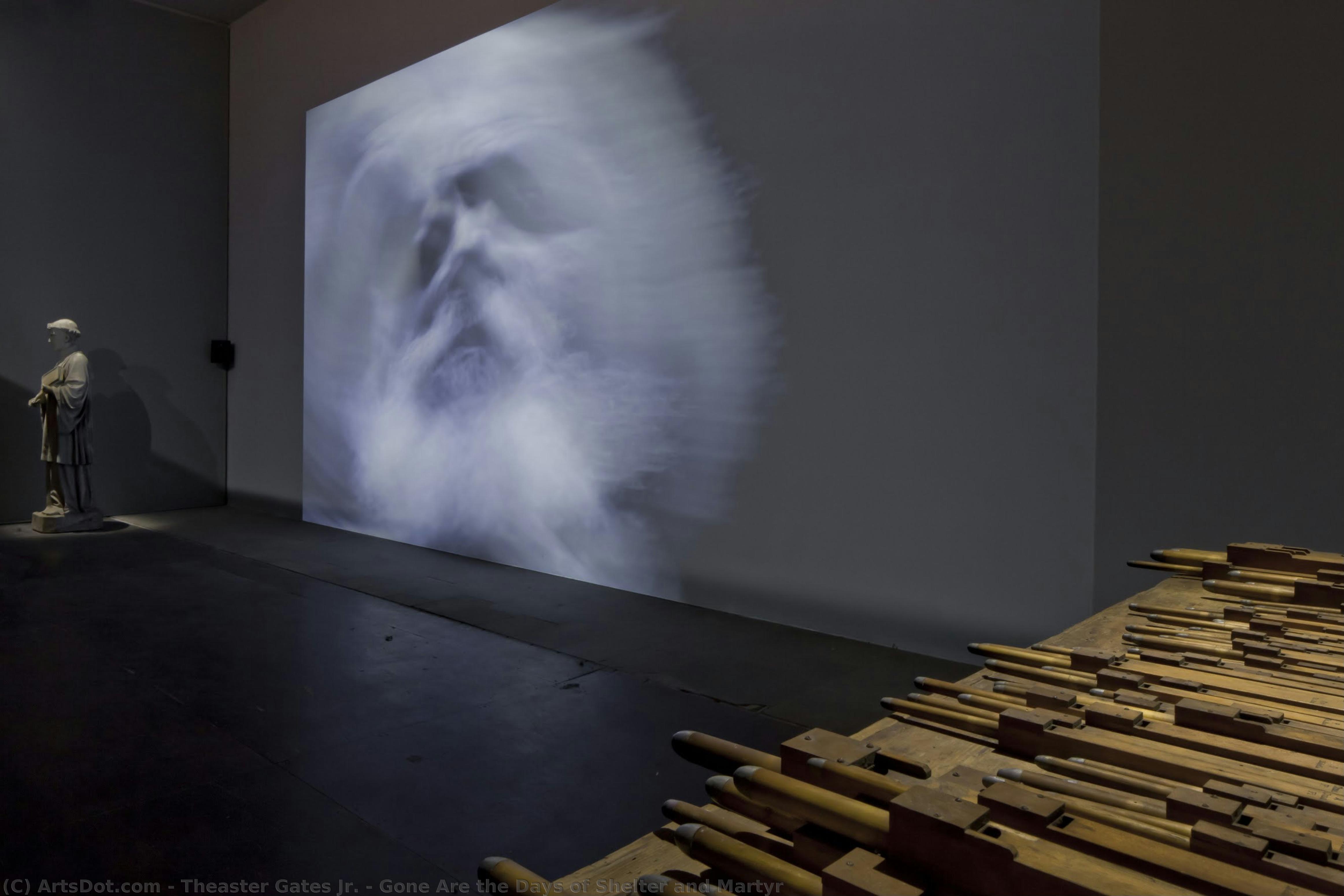
Gone Are the Days of Shelter and Martyr


 Pročitaj više
Giclee štampa / Umetnički otisak
Giclée štampa ili print na platnu muzejskog kvaliteta uz brzu proizvodnju i fleksibilne opcije završne obrade. ( Kupi ručno naslikanu sliku Kupi digitalnu sliku)




P118B $10

P118H $10

P118W $10

P438Z $10

P508JH $12

P508YH $12

P805H $10

P805Z $10

P919BZ $10

P919G $10

P919XJ $10

P959ZH $10

P968JZ $12

W106C $8

W218G $10

W218JH $8

W218Y $10

W307PJ $10

W316G $10

W316PJ $8

W316Y $10

W398PJ $8

W4111J $10

W500HY $15

W500JH $15

W692G $12

W849H $8

W940BG $15

W953PJ $8




Izaberite jednu od naših unapred definisanih veličina koje odgovaraju originalnim proporcijama umetničkog dela.

Možete uneti sopstvene dimenzije kako biste umetničko delo prilagodili specifičnom okviru ili prostoru. Ako odabrani format ne odgovara proporcijama originalne slike, mi ćemo ili iscrtati deo dela ili proširiti sliku pomoću ogledane ivice ili jednobojnog popunjavanja. Digitalni prikaz će vam biti poslat na odobrenje pre početka proizvodnje.
Imajte na umu da pregled na ekranu ne odražava stvarno iscrtavanje ili proširivanje. Samo će prikaz (mockup) precizno pokazati finalnu kompoziciju.
Iako su prilagođene dimenzije dostupne, preporučujemo da odaberete dimenziju sa unapred definisane liste kako biste očuvali originalne proporcije.
Dostava širom sveta () za 2 nedelje umesto uobičajenih 4/5 nedelja. (29 август)

Besplatna ekspresna dostava širom sveta

Visokokvalitetno laneno platno

Kompletno osiguranje transporta

Garancija povraćaja carine i uvoznih dažbina

Garancija vernosti boja

Politika povrata u roku od 60 dana (samo u slučaju nedostataka)

Garancija povrata novca od 100%

Popust pri grupnoj kupovini
 Opcija sa staklom dostupna je samo za dimenzije manje od 110 cm

Gone Are the Days of Shelter and Martyr
Giclee štampa / Umetnički otisak
Dimenzije reprodukcije
-


Konačna cena
$ 62
A Concrete Requiem: The Weight of History in Theaster Gates Jr.’s “Gone Are the Days of Shelter and Martyr”
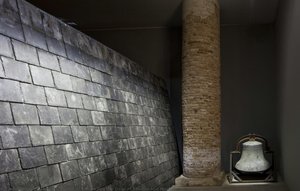
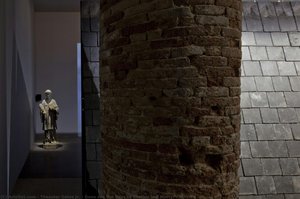
The artwork, "Gone Are the Days of Shelter and Martyr," by Theaster Gates Jr., isn’t merely a painting; it's an embodied meditation on loss, resilience, and the enduring spirit of community. Born in 2014 and presented at the Venice Biennale, this imposing piece immediately commands attention with its raw materiality – a substantial construction primarily composed of concrete fragments salvaged from the demolished St. Laurence Catholic Church in Chicago’s South Side. This isn't an attempt to recreate a sacred space; rather, it’s a deliberate excavation of memory, a tangible record of a neighborhood’s history and the slow erosion of its vital institutions.
Deconstructing Faith: Technique and Materiality
- The technique employed is strikingly direct. Gates Jr. doesn't employ traditional brushstrokes or layering; instead, he meticulously arranges and stacks the concrete pieces, creating a fractured, almost geological surface. The rough edges and uneven textures speak to the inherent instability of the site – both physically and historically. The deliberate lack of polish emphasizes the work’s honesty and its connection to the tangible remains of the church.
- Crucially, the artist incorporates original artifacts recovered from the demolition: a weathered bell, fragments of the organ pipes, and even a portion of the statue of St. Laurence himself. These elements aren't simply added; they’re integrated into the structure, becoming integral components of the artwork’s narrative. The inclusion of these specific objects anchors the piece firmly within its Chicago context, grounding it in the lived experiences of the community.
- The color palette is deliberately muted – primarily shades of gray and brown – reflecting the somber nature of the subject matter and echoing the architectural decay that characterized the neighborhood. However, subtle variations in tone and texture reveal the inherent beauty within the discarded materials, hinting at a potential for rebirth.
Echoes of Wabi-Sabi: Symbolism and Spiritual Resonance
Gates Jr.’s work deeply resonates with the Japanese aesthetic philosophy of *wabi-sabi*, which finds beauty in imperfection, transience, and the acceptance of decay. The deliberate use of salvaged materials – remnants of a once-vibrant church – speaks to this principle directly. The fractured nature of the concrete, mirroring the broken promises and systemic failures that have plagued Black communities for generations, is presented not as an ending but as a stage in a continuous cycle of rebuilding.
Furthermore, the title itself, “Gone Are the Days of Shelter and Martyr,” carries significant weight. It references both the physical loss of the church – a vital community hub – and the metaphorical sacrifice endured by residents facing disinvestment and systemic oppression. The "martyr" element evokes a sense of enduring suffering and unwavering faith in the face of adversity.
A Legacy Reclaimed: Context and Emotional Impact
The St. Laurence Catholic Church’s demolition represents more than just the loss of a building; it symbolizes the broader pattern of urban decline that has disproportionately affected Black neighborhoods in Chicago and across America. Gates Jr.’s work serves as a poignant reminder of this history, prompting viewers to confront uncomfortable truths about systemic inequality and the importance of community preservation. The piece’s imposing scale and raw materiality evoke a sense of both grief and determination – a recognition of past wounds while simultaneously offering a glimmer of hope for the future. “Gone Are the Days of Shelter and Martyr” is not simply an artwork; it's a powerful statement about memory, resilience, and the enduring spirit of place.
Srodna umetnička dela

Biografija umetnika
The Alchemy of Urban Renewal: The Visionary World of Theaster Gates Jr.
In the heart of Chicago, where the echoes of industrial history meet the pressing realities of modern urban life, the work of Theaster Gates Jr. emerges as a profound dialogue between destruction and rebirth. Born in 1973, Gates did not merely observe the decay of his native city; he integrated its very marrow into his artistic practice. His journey is one of radical transformation, moving from the rhythmic spirituals of Black churches to the disciplined precision of pottery and urban planning. This unique trajectory has allowed him to develop a language where the boundaries between fine art, social activism, and architectural intervention dissolve, creating a singular form of social practice that seeks to heal the fractured landscapes of the American Midwest.
The essence of Gates’s work lies in his ability to find sanctity within the discarded. He operates with the soul of an alchemist, utilizing materials that carry the weight of history—tar, clay, fire hoses, and even the salvaged bricks of demolished structures. These are not merely medium choices; they are vessels of memory. By repurposing the fragments of abandoned buildings, Gates engages in a process of spatial reclamation, turning the debris of disinvestment into sculptural monuments of resilience. His practice is deeply informed by the concept of wabi-sabi—the beauty of imperfection and impermanence—allowing him to honor the scars of urban neglect while simultaneously celebrating the potential for new growth.
Architectural Interventions and the Rebuild Foundation
Beyond the gallery walls, Gates’s most significant contributions are found in the physical revitalization of Chicago’s South Side. Through his non-profit organization, the Rebuild Foundation, he has pioneered a model where art serves as the primary engine for community development. His projects are not merely aesthetic improvements but profound institutional shifts. He has transformed neglected spaces into vibrant cultural hubs, such as the Stony Island Arts Bank, which serves as a sanctuary for Black archives and communal gathering. In these spaces, the distinction between an art installation and a community center vanishes, replaced by a living, breathing ecosystem of cultural preservation.
This commitment to "building" extends to his use of architectural theory to address social justice. Influenced by thinkers like Henri Lefebvre, Gates views space as a political construct that can be reclaimed through intentional use. His work often involves:
- Repurposing Sacred Spaces: Transforming fragments of defunct churches into meditative installations that explore faith and endurance.
- Material Narratives: Using tar and salvaged wood to create "paintings" that function as tactile histories of labor and industry.
- Community Stewardship: Creating permanent infrastructures like the Black Cinema House and Archive House to protect endangered Black histories.
A Legacy of Resilience and Social Progress
The historical significance of Theaster Gates Jr. lies in his refusal to let art remain a passive observer of social struggle. His work embodies a "virtuous circle" where the proceeds from fine art sales are reinvested into the rehabilitation of entire city blocks, effectively turning the art market into a tool for urban planning. This revolutionary approach has earned him international acclaim, including the Smithsonian American Ingenuity Award and the Kurt Schwitters Prize. Yet, despite these accolades, his heart remains rooted in the transformative power of the local.
As a professor and a practitioner, Gates continues to challenge the conventional hierarchies of the art world. He reminds us that the most powerful art is often found not in the pristine white cube of a museum, but in the reclaimed brick of a community center or the soulful resonance of a choral performance by his ensemble, the Black Monks of Mississippi. His legacy is one of profound hope—a testament to the idea that through creativity, we can strip away the layers of neglect to reveal the enduring strength and beauty inherent in our shared human history.

theaster gates jr.
1973 - , United States of America
Osnovne informacije
- Artistic Movement Or Style: Social practice art; Urban planning
- Artists Or Movements Influenced By This Artist: ['Color field painting']
- Artists Who Influenced This Artist: ['Philip Guston']
- Date Of Birth: 1973
- Full Name: Theaster Gates Jr.
- Nationality: American
- Notable Artworks: ['Gone Are the Days of Shelter and Martyr']
- Place Of Birth: Chicago, United States
Povezani članci
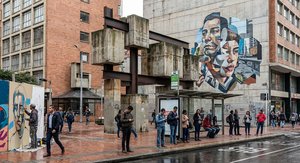
Concrete Narratives: Exploring Urban Life in Modern & Contemporary Art
Explore the evolution of cityscape painting with ArtsDot. Discover key artists from Realism to contemporary movements & invest in timeless urban visions. Expert guidance, museum-quality reproductions.

Concrete Visions: Exploring Representations of Urban Life in Modern & Contemporary Art
Explore the evolution of cityscape painting from Realism to contemporary art. Discover key artists & invest in timeless urban visions with ArtsDot's expert guidance and museum-quality reproductions.

Concrete Visions: Exploring the Urban Landscape in Painting – From Realism to Contemporary Art
Explore the evolution of cityscape painting from Realism to contemporary art with ArtsDot. Discover key artists & invest in timeless urban visions. Expert guidance, museum-quality reproductions.
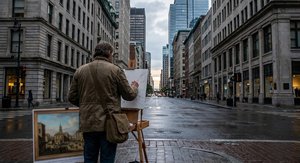
Urban Visions: A Historical & Artistic Exploration of the Cityscape in Painting
Explore the evolution of cityscape painting from historical maps to Impressionist masterpieces. Discover artists like Caillebotte & Utrillo. Find museum-quality reproductions at ArtsDot.

Iznad Emotikona: Iskorišćavanje Ekskluzivne Umetnosti za Izgradnju Zajednice i Angažovanje Fanova na Twitchu
Podignite svoj Twitch kanal na viši nivo! Saveti stručnjaka za angažovanje publike kroz ekskluzivnu umetnost, pronalaženje talenata i izgradnju prepoznatljivog brenda. Kvalitetni dizajn garantovan.

