

 Pregledaj u prostoru
 Pošalji
 Podeli
 Detalji o delu

 Преузми
 Slični predmeti
 Rendgenski snimak
 Slajdovi
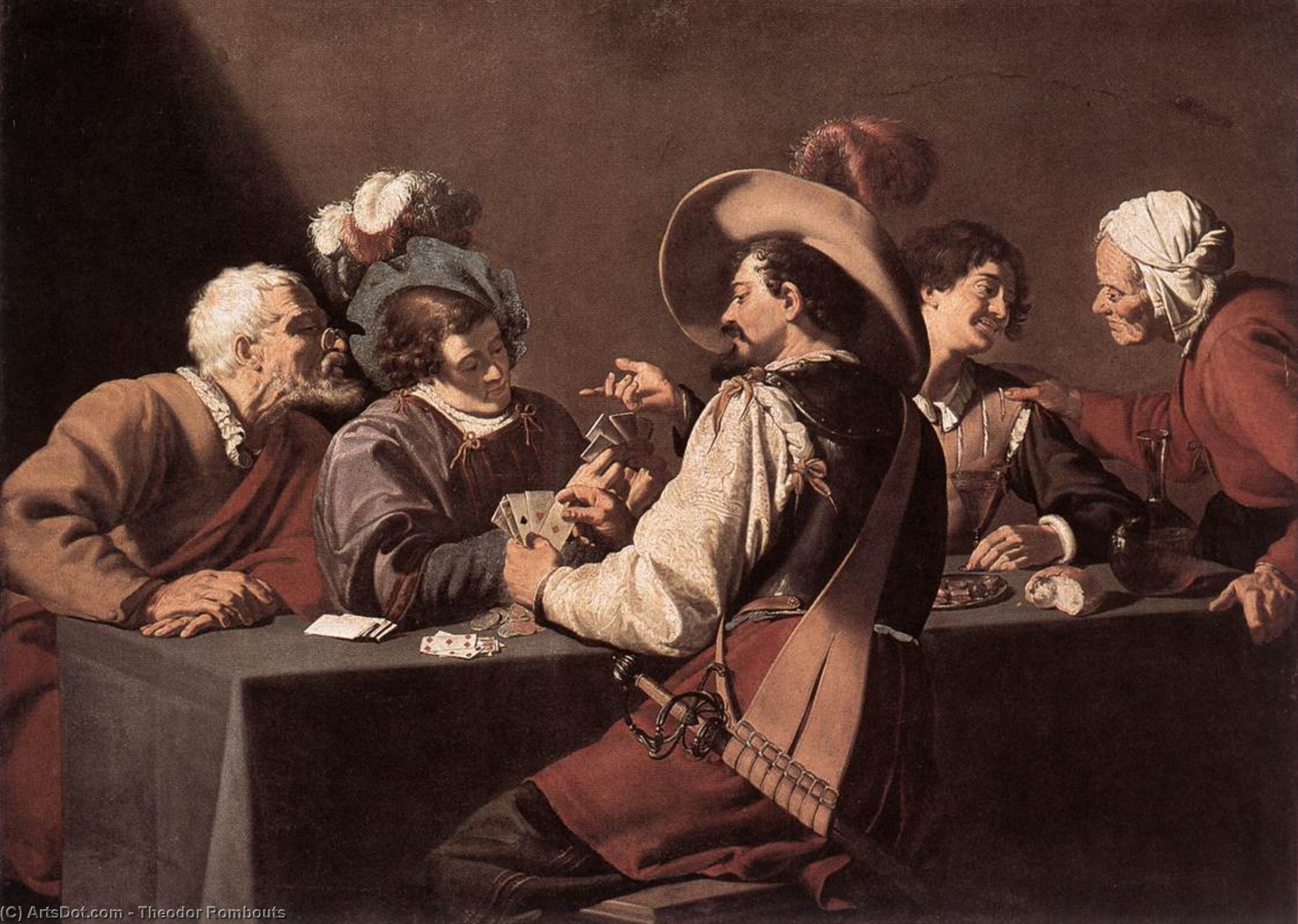
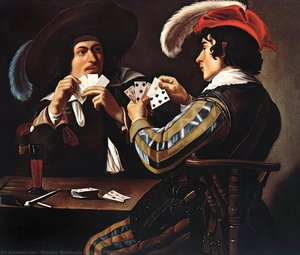
The Card Players
 Oil On Canvas
- WallArt
- Caravaggismo
 152.0 x 206.0 cm
 Koninklijk Museum voor Schone Kunsten
 Pročitaj više
Ručno rađena uljana reprodukcija
Ručno oslikano uljanim bojama na platnu u dimenzijama i okviru po vašem izboru, izrađeno po porudžbini od strane naših umetnika. ( Kupi print Kupi digitalnu sliku)




P118B $10

P118H $10

P118W $10

P438Z $10

P508JH $12

P508YH $12

P805H $10

P805Z $10

P919BZ $10

P919G $10

P919XJ $10

P959ZH $10

P968JZ $12

W106C $8

W218G $10

W218JH $8

W218Y $10

W307PJ $10

W316G $10

W316PJ $8

W316Y $10

W398PJ $8

W4111J $10

W500HY $15

W500JH $15

W692G $12

W849H $8

W940BG $15

W953PJ $8




Izaberite jednu od naših unapred definisanih veličina koje odgovaraju originalnim proporcijama umetničkog dela.

Можете унети сопствене димензије како бисте прилагодили дело одређеном оквиру или простору. Ако одабрана величина не одговара пропорцијама оригинала, слика ће бити исечена или проширена додатним елементима који се ручно насликавају. Дигитални prikaz ће вам бити послат на одобрење пре почетка производње.
Имајте на уму да преглед на екрану не одражава стварно исецање или проширење. Само приказ (mockup) ће тачно приказати коначну композицију.
Иако су доступне прилагођене величине, препоручујемо да одаберете димензију из дефинисане листе како бисте сачували оригиналне пропорције.
Nakon narudžbine, tim ArtsDot.com će klijentu putem e-pošte poslati uputstva i dostaviti prikaz predloženog rešenja
Isporuka širom sveta () za 3/4 nedelje umesto uobičajenih 5 nedelja. (21 август). Bez kompromisa po pitanju kvaliteta.

Besplatna ekspresna dostava širom sveta

Visokokvalitetno laneno platno

Kompletno osiguranje transporta

Garancija povraćaja carine i uvoznih dažbina

Garancija vernosti boja

Politika povrata u roku od 60 dana (samo u slučaju nedostataka)

Garancija povrata novca od 100%

Popust pri grupnoj kupovini
 Opcija sa staklom dostupna je samo za dimenzije manje od 110 cm

The Card Players
Tehnika reprodukcije
Dimenzije reprodukcije
-


Konačna cena
$ 263
Opis umetničkog dela
A Window into 17th-Century Life: Theodoor Rombouts’ “The Card Players”
Theodoor Rombouts' "The Card Players," painted circa 1630, isn’t merely a depiction of a game; it’s a meticulously crafted tableau vivant – a snapshot of everyday life in the Netherlands during the turbulent years leading up to the Thirty Years’ War. Rombouts, a pivotal figure within the Flemish Caravaggism movement, masterfully captures a moment of quiet contemplation and shared experience amongst a group of men, their faces etched with concentration as they engage in a game of cards. The painting immediately draws the viewer into its intimate scene, utilizing dramatic chiaroscuro – the stark contrast between light and shadow – to sculpt the figures and imbue the composition with an almost theatrical intensity. The earthy palette, dominated by browns, ochres, and deep reds, evokes the warmth of a tavern or a private home, grounding the scene in a tangible reality while simultaneously hinting at the underlying drama of human interaction.
Rombouts’ technical skill is evident in every detail. The figures are rendered with remarkable realism, from the meticulously draped fabrics to the subtle nuances of expression on their faces. Note the careful attention paid to the textures – the rough wool of the garments, the smooth sheen of the cards, and the worn surfaces of the table. The artist’s use of perspective creates a sense of depth, drawing the viewer into the scene and inviting them to become an unseen observer within this intimate gathering. The composition itself is carefully balanced, with the central figures anchoring the scene while the surrounding men contribute to the overall dynamism.
Caravaggism's Influence: Light, Shadow, and Human Drama
Rombouts’ work firmly places him within the burgeoning Caravaggist movement, a style characterized by its dramatic use of light and shadow – known as *tenebrismo* – and its focus on portraying human emotion with raw intensity. Inspired by the Italian painter Michelangelo Merisi da Caravaggio, Rombouts adopted his technique of highlighting key figures against dark backgrounds, creating a sense of immediacy and drawing the viewer’s eye to the most important elements of the scene. This is particularly evident in the way the light falls upon the hands of the players as they manipulate the cards, emphasizing their concentration and skill.
Beyond mere technical proficiency, Rombouts' painting speaks volumes about the social dynamics of the time. The card game itself was a popular pastime, offering an opportunity for men to socialize, compete, and perhaps even engage in a bit of friendly rivalry. The scene suggests a moment of respite from the hardships of daily life, a chance to momentarily escape into the world of games and camaraderie. The lack of overt celebration or boisterous laughter hints at a more subdued atmosphere, suggesting a shared understanding and quiet respect among the players.
Symbolism and Emotional Resonance
While seemingly simple in its subject matter, “The Card Players” is rich with symbolic meaning. The cards themselves can be interpreted as metaphors for life – chance, risk, and reward. The game represents a microcosm of human experience, reflecting the complexities of relationships, competition, and fate. The men’s downcast eyes suggest introspection and perhaps a degree of melancholy, hinting at the uncertainties of life beyond the confines of the game.
The painting's enduring appeal lies in its ability to evoke a sense of familiarity and connection. It captures a universal human experience – the simple pleasure of gathering with friends for a shared activity – and transforms it into a timeless work of art. The quiet intensity of the scene, combined with Rombouts’ masterful technique, creates an emotional resonance that continues to captivate viewers centuries after its creation. It is a poignant reminder of the importance of human connection in a world often characterized by isolation and distraction.
High-quality reproductions of “The Card Players” are available at ArtsDot.com, allowing art lovers to bring this iconic masterpiece into their homes and offices. Consider it not just a painting, but a window into the past – a glimpse into the lives and experiences of those who came before us.
Srodna umetnička dela






Biografija umetnika
rani život i umetničko obrazovanje
Theodoor Rombouts, istaknuti flamanski slikar, rođen je u Antverpenu 1597. godine. Kao sin bogatog krojača Bartholomeusa Romboutsa i Barbare de Greve, odrastao je u okruženju koje mu je pružilo temelje za budući umetnički uspeh. Njegov rani put ka umetničkom vrhuncu počeo je pod mentorstvom Francisa (Franca) van Lanckvelta još 1608. godine, nakon čega su usledile studije kod Abrahama Janssensa, a verovatno i kod Nicolasa Régniera u samom srcu Antverpena.italijanski uticaj i caravaggeski stil
Godine 1lık16, Rombouts je kročio u Rim, grad koji će mu zauvek promeniti umetnički pogled. Tamo je bio izložen moćnim delima Caravaggia i njegovih sledbenika, što je duboko prodrlo u njegov stvaralački duh. Ovo iskustvo je postalo ključni katalizator njegovog stila, pretvarajući ga u jednu od najvažnijih figura pokreta flamanskog caravaggizma. Theodoor Rombouts se danas smatra primarnim i najoriginalnijim predstavnikom ovog dramatičnog umetničkog pravca.istaknuta dela i stil
Nakon povratka u Antverpen 1625. godine, Rombouts je postao priznati majstor u Svetoj Luci, čime je potvrdio svoj status u umetničkom svetu. Njegova dela iz ovog perioda prepoznatljiva su po neverovatnoj energiji i tehnici koja fascinira generacije:- Musical Company with Bacchus (oko 1630. godine), delo koje blistavo prikazuje upotrebu živopisnih boja i snažnih kontrasta, što je zaštitni znak caravaggeskog stila.
- Igrači karata i bekara: Svađa oko karata (oko 1620–1630. godine), koje svedoči o njegovoj sposobnosti da uhvati najdramatičnije trenutke uz pomoć intenzivnog osvetljenja.
- Lutista (oko 1620. godine), vrhunski primer njegovih portreta pojedinačnih muzičara, snažno inspirisan delima Manfredija i Valentina de Boulogne.
muzeji i kolekcije
Romboutsova umetnost danas živi kroz prestižne svetske kolekcije, a njegova dela možete pronaći u brojnim muzejima, uključujući:- Kraljevski muzeji lepih umetnosti u Belgiji (Bruselj, Belgija), koji čuvaju opsežnu zbirku njegovih slika.
- Kremerska kolekcija (Amsterdam, Holandija), koja u svom bogatstvu čuva neka od njegovih najznačajnijih dela, poput slike Musical Company with Bacchus.
nasleđe i uticaj
Theodoor Rombouts odigrao je sudbonosnu ulogu u oblikovanju flamanskog caravaggizma. Njegov umetnički pečat jasno se vidi u radovima kasnijih majstora kao što su Jacob Jordaens, Gonzales Coques, Jan Cossiers i Gillis Remeeus.
Teodor Rombouts
1597 - 1637 , Belgija
Osnovne informacije
- Artistic Movement Or Style: Karavazizam
- Artists Or Movements Influenced By This Artist: Jakob Jordens, Gonzalo Koks
- Artists Who Influenced This Artist: Karavađo
- Date Of Birth: 1597 Antverpen, Belgija
- Date Of Death: 1637
- Full Name: Teodor Rombouts
- Nationality: Flamanski
- Notable Artworks:
- Muzičko društvo sa Bakhom
- Igrači karata i bekara
- Svađa oko karata
- Lutista
- Place Of Birth: Antverpen, Belgija
Povezani članci

Dutch Baroque Masters: 10 Paintings That Shaped an Era | ArtsDot
Journey through the Golden Age with our guide to the Top 10 Dutch Baroque masterpieces! Explore iconic paintings by Rembrandt, Vermeer & Frans Hals. Find museum-quality art reproductions and elevate your home decor at ArtsDot.com.

Golden Age Reflections: Dutch Baroque Painting & Cultural Innovation
Explore the Dutch Golden Age of painting! Discover key artists like Vermeer & ter Borch, their innovative techniques, and the rich cultural context behind these Baroque masterpieces. Learn about collecting & appreciating this iconic art period.

Barok Majstor dela: Top 10 Umjetničkih Remeka za Vaš Dom
Otkrijte 10 remek dela koja su definisala baroknu umetnost! Karavagio, Bernini i više – istražite priče iza ovih ikoničnih slika. Inspiracija za vaš dom? Pogledajte kolekciju na ArtsDot.com!

Decoding Baroque Grandeur: A Guide to the Drama and Emotion of 17th-Century Art
Explore the breathtaking drama of 17th-century Baroque art. Our expert guide decodes the use of chiaroscuro, emotional intensity, and historical grandeur to help you appreciate and curate timeless masterpieces for your collection.

The Dramatic Flourish: Exploring the Baroque Movement's Enduring Legacy in Art History
Explore the dramatic world of Baroque art! Discover iconic artists like Caravaggio & Rubens, defining techniques, and its lasting impact on art history. Expert insights for collectors & enthusiasts at ArtsDot.

