

 Pregledaj u prostoru
 Pošalji
 Podeli
 Detalji o delu

 Преузми
 Slični predmeti
 Rendgenski snimak
 Slajdovi
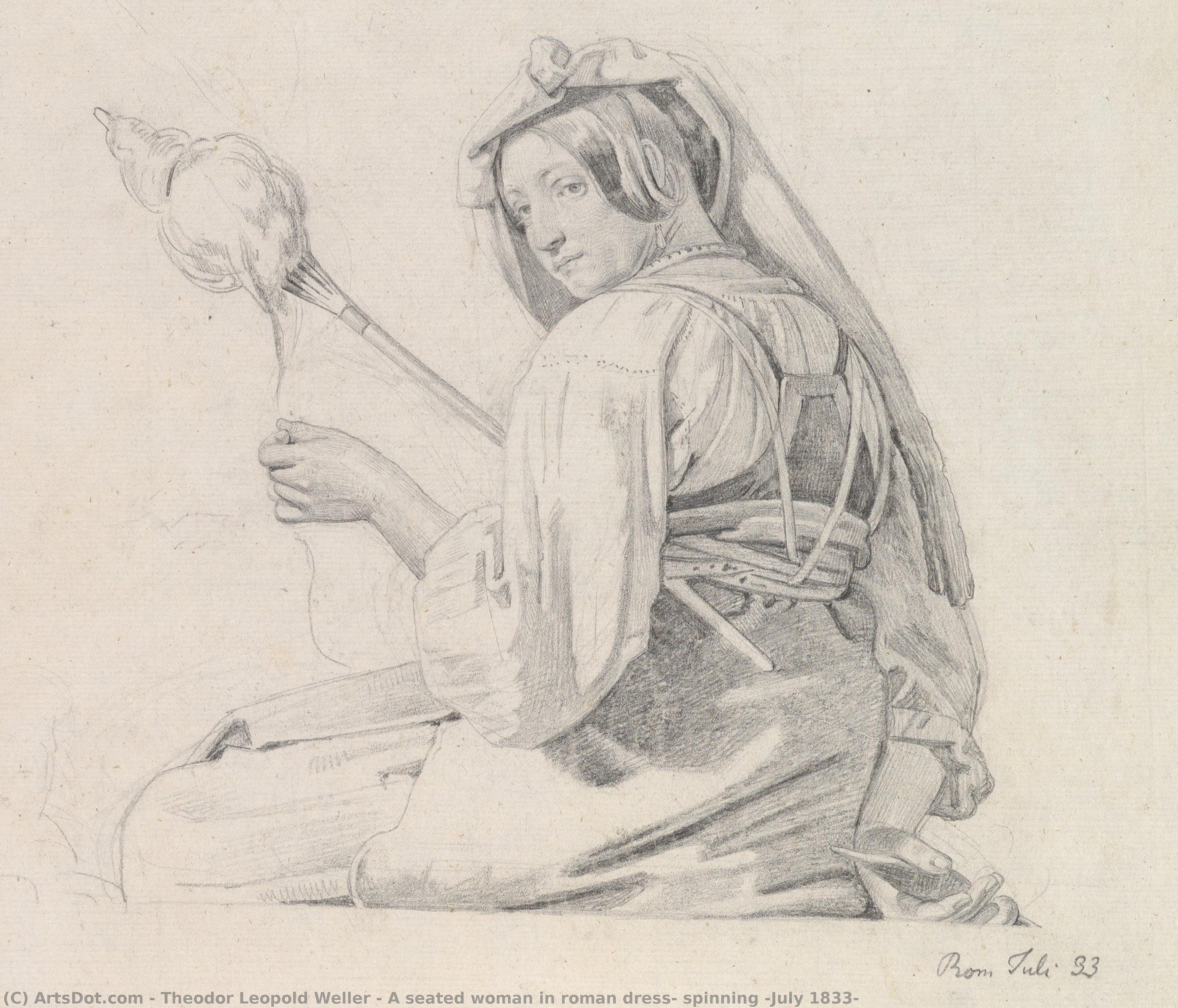
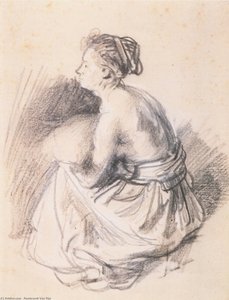
A seated woman in roman dress, spinning (July 1833)
 Graphite
- Romanticism
 1833
1833- 19th Century
 29.0 x 27.0 cm
 Metropolitan Museum of Art
 Pročitaj više
Ručno rađena uljana reprodukcija
Ručno oslikano uljanim bojama na platnu u dimenzijama i okviru po vašem izboru, izrađeno po porudžbini od strane naših umetnika. ( Kupi print Kupi digitalnu sliku)




P118B $10

P118H $10

P118W $10

P438Z $10

P508JH $12

P508YH $12

P805H $10

P805Z $10

P919BZ $10

P919G $10

P919XJ $10

P959ZH $10

P968JZ $12

W106C $8

W218G $10

W218JH $8

W218Y $10

W307PJ $10

W316G $10

W316PJ $8

W316Y $10

W398PJ $8

W4111J $10

W500HY $15

W500JH $15

W692G $12

W849H $8

W940BG $15

W953PJ $8




Izaberite jednu od naših unapred definisanih veličina koje odgovaraju originalnim proporcijama umetničkog dela.

Можете унети сопствене димензије како бисте прилагодили дело одређеном оквиру или простору. Ако одабрана величина не одговара пропорцијама оригинала, слика ће бити исечена или проширена додатним елементима који се ручно насликавају. Дигитални prikaz ће вам бити послат на одобрење пре почетка производње.
Имајте на уму да преглед на екрану не одражава стварно исецање или проширење. Само приказ (mockup) ће тачно приказати коначну композицију.
Иако су доступне прилагођене величине, препоручујемо да одаберете димензију из дефинисане листе како бисте сачували оригиналне пропорције.
Nakon narudžbine, tim ArtsDot.com će klijentu putem e-pošte poslati uputstva i dostaviti prikaz predloženog rešenja
Isporuka širom sveta () za 3/4 nedelje umesto uobičajenih 5 nedelja. (6 септембар). Bez kompromisa po pitanju kvaliteta.

Besplatna ekspresna dostava širom sveta

Visokokvalitetno laneno platno

Kompletno osiguranje transporta

Garancija povraćaja carine i uvoznih dažbina

Garancija vernosti boja

Politika povrata u roku od 100 dana (samo u slučaju nedostataka)

Garancija povrata novca od 100%

Popust pri grupnoj kupovini
 Opcija sa staklom dostupna je samo za dimenzije manje od 110 cm

A seated woman in roman dress, spinning (July 1833)
Tehnika reprodukcije
Dimenzije reprodukcije
-


Konačna cena
$ 263
A Portrait of Everyday Life: Theodor Leopold Weller’s “A Seated Woman in Roman Dress, Spinning”
Theodor Leopold Weller’s “A seated woman in roman dress, spinning (July 1833)” stands as a cornerstone of the Munich School—a movement dedicated to elevating the commonplace into profound artistic expression. Completed in 1833, this graphite drawing transcends mere depiction; it embodies a deliberate rejection of grand historical narratives favored by many contemporaries and instead focuses on capturing the quiet dignity and meticulous observation characteristic of Weller’s oeuvre. More than just an image, it's a testament to his belief that beauty could be found within the rhythms of daily existence and the natural world—a conviction that cemented his place as one of Germany’s most influential artists of the Romantic era.Composition & Technique: Embracing Detail Through Line
The artwork’s visual impact derives largely from its masterful composition and execution. Weller employs a relatively simple arrangement, centering on the figure of a woman seated comfortably, engaged in the traditional craft of spinning—a task deeply rooted in German rural tradition. Positioned slightly off-center, her gaze directs towards the viewer, fostering a connection that transcends time. Crucially, Weller achieves remarkable depth and texture through painstaking hatching and crosshatching techniques – a hallmark of academic drawing—allowing for an astonishing level of tonal gradation. Delicate lines delineate contours while denser strokes build up shading, conveying not only form but also subtle nuances of light and shadow. The minimal background serves to amplify the central figure’s presence, emphasizing her stillness and concentrating attention on the act itself.Historical Context & Romantic Ideals
“A seated woman in roman dress, spinning” emerged during a period marked by significant intellectual ferment—the Romantic movement—which championed emotion, imagination, and individualism as antidotes to Enlightenment rationalism. Weller’s artistic choices reflect these prevailing sensibilities. The inclusion of Roman attire isn't merely decorative; it subtly evokes classical ideals of virtue and contemplation, aligning with the Romantic fascination for antiquity and its perceived moral authority. Furthermore, the depiction of a woman performing a humble task—spinning yarn—represents a deliberate counterpoint to aristocratic pursuits, celebrating the dignity of labor and the beauty inherent in rural life. Weller’s intention was to portray not just what he saw but also what he felt – an ethos that resonated deeply with his fellow artists and solidified his legacy as a champion of realism and psychological insight.Symbolism & Emotional Resonance: Capturing Inner Tranquility
Beyond its formal elements, “A seated woman in roman dress, spinning” possesses considerable symbolic depth. The act of spinning itself symbolizes perseverance, patience, and the transformation of raw material into something beautiful—themes central to Romantic thought. More profoundly, Weller captures a state of serene contemplation – an inner tranquility conveyed through the woman’s posture and gaze. The artist's careful rendering of light and shadow contributes significantly to this emotional impact, creating an atmosphere of quiet intimacy and inviting viewers to contemplate the beauty of simplicity. It is precisely this ability to distill complex ideas into visual form that distinguishes Weller’s work from more overtly theatrical styles, securing its place as a timeless masterpiece of Romantic art.Provenance & Legacy: A Reproduction Worthy of Distinction
Currently housed at The Metropolitan Museum of Art (2008.603), “A seated woman in roman dress, spinning” exemplifies Weller's unwavering commitment to portraying the human condition with sensitivity and precision. Its graphite medium ensures exceptional detail and tonal richness—qualities that translate beautifully into high-quality reproductions. Collectors and interior designers alike appreciate its understated elegance and its ability to evoke a profound connection to both artistic tradition and the enduring values of rural life. Exploring this evocative artwork offers an unparalleled glimpse into the spirit of Romanticism and Weller’s singular vision for elevating everyday observation into lasting art.Srodna umetnička dela


Biografija umetnika
Theodor Leopold Weller: A Master of Everyday Life
Theodor Leopold Weller (May 29, 1802 – December 10, 1880), born in Mannheim, Germany, stands as a pivotal figure within the Munich School of painting—a movement dedicated to portraying scenes from ordinary life with remarkable precision and psychological insight. Initially envisioned for a legal profession by his father, Weller’s passion for art swiftly took precedence, embarking on formal studies at the Academy of Fine Arts in Munich under Johann Peter von Langer, where he encountered the influential Peter von Cornelius, brought to Munich by Ludwig II to oversee the Glyptothek. Unlike many of his contemporaries who pursued grand historical narratives or mythological subjects, Weller deliberately gravitated towards depictions of daily existence and the natural world—a decision that profoundly shaped his artistic trajectory.- Early Influences & Training: Langer’s guidance instilled in Weller a foundational understanding of academic painting principles, while Cornelius's presence exposed him to the burgeoning Romantic spirit prevalent in Munich.
- The Pursuit of Detail: Weller honed his technique under Peter von Hess, mastering meticulous observation and rendering—a characteristic that would become synonymous with his oeuvre.
- Roman Exploration & Artistic Growth: Weller’s journey to Rome in 1825 alongside Ernst Fries marked a crucial period of artistic maturation, fostering an appreciation for classical ideals and broadening his visual vocabulary. He diligently documented his travels through Italy, including Naples, capturing the essence of Italian landscapes and culture.
Career Highlights & Artistic Output
Returning to Mannheim in 1833, Weller established himself as a respected artist and educator, accepting the role of Director of the Mannheim Kunstverein (Art Association) from 1839 to 1848. During this tenure, he served on the board for twenty-three years and diligently curated the Verein’s collection—resulting in a comprehensive catalog documenting 124 of his own works. This catalogue serves as invaluable evidence of Weller's prolific output and demonstrates his unwavering commitment to capturing the subtleties of human experience within accessible subjects.- Directorate & Artistic Legacy: Weller’s leadership at the Kunstverein solidified his reputation as a champion of German Romanticism and fostered an environment conducive to artistic innovation.
- Notable Paintings: His extensive body of work includes captivating genre scenes—such as “Studies on a Bagpiper” (1851) and “Standing Woman in the Costume of Cervara,” showcasing his mastery of watercolor and capturing nuanced emotional states.
The Munich School & Weller’s Contribution Weller's dedication to portraying everyday life—combined with his meticulous technique—established him as a cornerstone of the Munich School, alongside artists like Cornelius and Hess. He championed realism within Romanticism, prioritizing psychological depth over mere visual spectacle. His paintings offer poignant glimpses into the lives of ordinary people—reflecting the social consciousness of his time while simultaneously elevating genre painting to new heights of artistic accomplishment. Weller’s legacy continues to inspire artists today who strive for authenticity and emotional resonance in their depictions of human experience.
Concluding Remarks Theodor Leopold Weller passed away peacefully in Mannheim on December 10, 1880, succumbing to a stroke—a tragic end for an artist whose life’s work embodied the spirit of observation, empathy, and artistic excellence. His enduring influence can be seen in subsequent generations of German painters who embraced his commitment to portraying the human condition with sensitivity and unwavering detail.
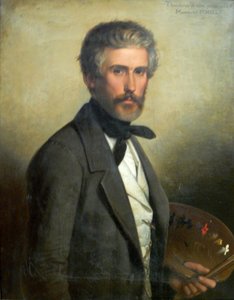
Theodor Leopold Weller
1802 - 1880 , Germany
Osnovne informacije
- Artistic Movement Or Style: Munich School
- Artists Or Movements Influenced By This Artist: ['Romanticism']
- Artists Who Influenced This Artist: ['Peter von Hess']
- Date Of Birth: May 29, 1802
- Date Of Death: December 10, 1880
- Full Name: Theodor Leopold Weller
- Nationality: German
- Notable Artworks:
- Studies on a Bagpiper
- Studies with lying child
- Place Of Birth: Mannheim, Germany
Povezani članci
German Expressionism's 10 Defining Masterpieces | Art for Your Home
Explore 10 defining German Expressionism masterpieces – from Munch's 'The Scream' to Kandinsky’s abstracts. Discover the artists, stories & bold colors behind this powerful art movement. Find museum-quality reproductions at ArtsDot.com.

Crimson Threads of Narrative: Exploring Symbolism & Representation in Artworks Featuring the Red Dress
Explore the rich symbolism of the red dress in art history! From ancient power displays to iconic portraits like Cézanne’s 'Madame Cezanne', discover the cultural and artistic significance behind this captivating color. Expert analysis & insights.

Anton von Werner: Imperial Painter, Historical Witness & Shifting German Identity
Explore the life & work of Anton von Werner, Imperial Germany's leading painter. Discover his dramatic depictions of war, unification, and court life – a fascinating insight into 19th-century German history & art.
The Subtleties of Shade: Exploring Monochrome's Enduring Power in Art History & Contemporary Practice
Explore the captivating world of monochrome painting! Discover its rich history, from Renaissance chiaroscuro to contemporary minimalism. Uncover the emotional power and artistic techniques behind this enduring art form.
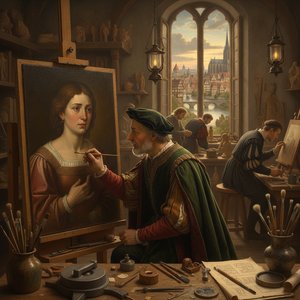
The Northern Awakening: Artistic Innovation & Cultural Transformation in the German Renaissance
Explore the artistic innovation of the German Renaissance! Discover Dürer, the Danube School & Reformation art. Learn about techniques, materials & lasting influence. Find museum-quality reproductions at ArtsDot.