

 Pregledaj u prostoru
 Pošalji
 Podeli
 Detalji o delu

 Преузми
 Slični predmeti
 Rendgenski snimak
 Slajdovi
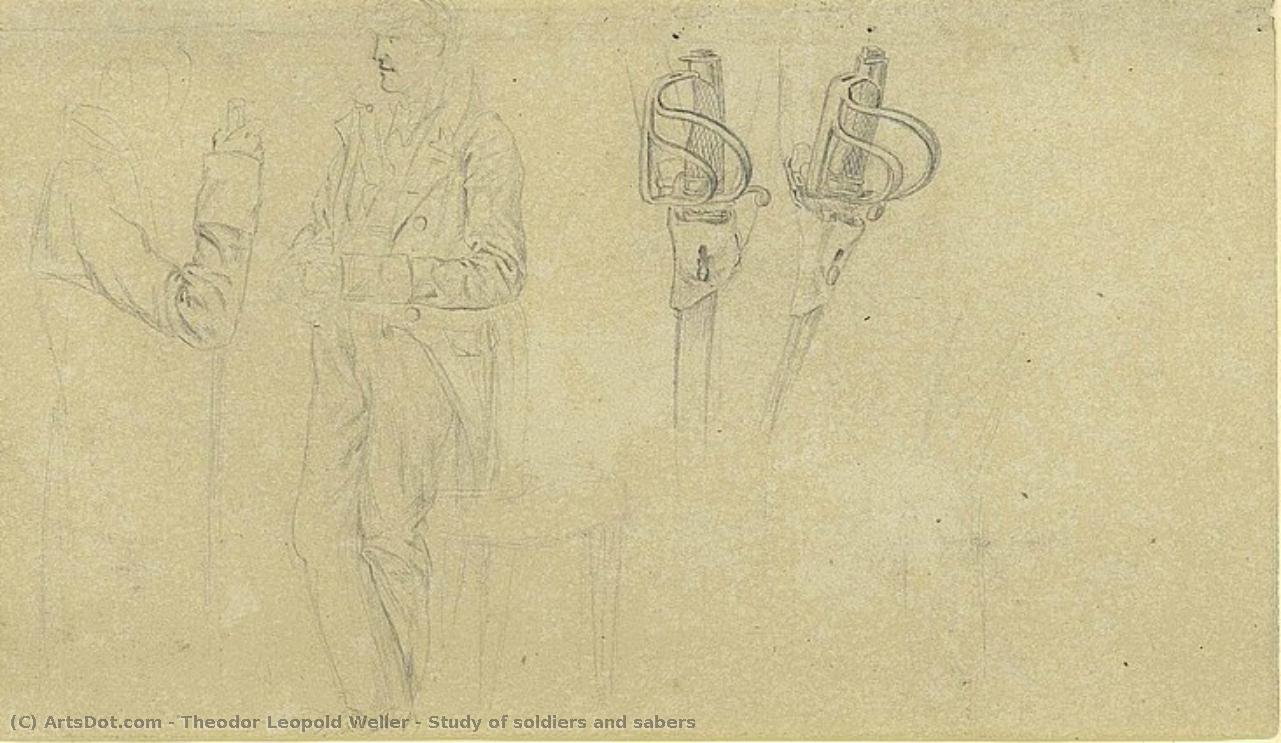
Study of soldiers and sabers
 Romanticism
 12.0 x 20.0 cm
 Pročitaj više
Giclee štampa / Umetnički otisak
Giclée štampa ili print na platnu muzejskog kvaliteta uz brzu proizvodnju i fleksibilne opcije završne obrade. ( Kupi ručno naslikanu sliku Kupi digitalnu sliku)




































Izaberite jednu od naših unapred definisanih veličina koje odgovaraju originalnim proporcijama umetničkog dela.

Možete uneti sopstvene dimenzije kako biste umetničko delo prilagodili specifičnom okviru ili prostoru. Ako odabrani format ne odgovara proporcijama originalne slike, mi ćemo ili iscrtati deo dela ili proširiti sliku pomoću ogledane ivice ili jednobojnog popunjavanja. Digitalni prikaz će vam biti poslat na odobrenje pre početka proizvodnje.
Imajte na umu da pregled na ekranu ne odražava stvarno iscrtavanje ili proširivanje. Samo će prikaz (mockup) precizno pokazati finalnu kompoziciju.
Iako su prilagođene dimenzije dostupne, preporučujemo da odaberete dimenziju sa unapred definisane liste kako biste očuvali originalne proporcije.
Dostava širom sveta () za 2 nedelje umesto uobičajenih 4/5 nedelja. (3 септембар)

Besplatna ekspresna dostava širom sveta

Visokokvalitetno laneno platno

Kompletno osiguranje transporta

Garancija povraćaja carine i uvoznih dažbina

Garancija vernosti boja

Politika povrata u roku od 60 dana (samo u slučaju nedostataka)

Garancija povrata novca od 100%

Popust pri grupnoj kupovini
 Opcija sa staklom dostupna je samo za dimenzije manje od 110 cm

Study of soldiers and sabers
Giclee štampa / Umetnički otisak
Dimenzije reprodukcije
-


Konačna cena
$ 62
Srodna umetnička dela



Biografija umetnika
Theodor Leopold Weller: A Master of Everyday Life
Theodor Leopold Weller (May 29, 1802 – December 10, 1880), born in Mannheim, Germany, stands as a pivotal figure within the Munich School of painting—a movement dedicated to portraying scenes from ordinary life with remarkable precision and psychological insight. Initially envisioned for a legal profession by his father, Weller’s passion for art swiftly took precedence, embarking on formal studies at the Academy of Fine Arts in Munich under Johann Peter von Langer, where he encountered the influential Peter von Cornelius, brought to Munich by Ludwig II to oversee the Glyptothek. Unlike many of his contemporaries who pursued grand historical narratives or mythological subjects, Weller deliberately gravitated towards depictions of daily existence and the natural world—a decision that profoundly shaped his artistic trajectory.- Early Influences & Training: Langer’s guidance instilled in Weller a foundational understanding of academic painting principles, while Cornelius's presence exposed him to the burgeoning Romantic spirit prevalent in Munich.
- The Pursuit of Detail: Weller honed his technique under Peter von Hess, mastering meticulous observation and rendering—a characteristic that would become synonymous with his oeuvre.
- Roman Exploration & Artistic Growth: Weller’s journey to Rome in 1825 alongside Ernst Fries marked a crucial period of artistic maturation, fostering an appreciation for classical ideals and broadening his visual vocabulary. He diligently documented his travels through Italy, including Naples, capturing the essence of Italian landscapes and culture.
Career Highlights & Artistic Output
Returning to Mannheim in 1833, Weller established himself as a respected artist and educator, accepting the role of Director of the Mannheim Kunstverein (Art Association) from 1839 to 1848. During this tenure, he served on the board for twenty-three years and diligently curated the Verein’s collection—resulting in a comprehensive catalog documenting 124 of his own works. This catalogue serves as invaluable evidence of Weller's prolific output and demonstrates his unwavering commitment to capturing the subtleties of human experience within accessible subjects.- Directorate & Artistic Legacy: Weller’s leadership at the Kunstverein solidified his reputation as a champion of German Romanticism and fostered an environment conducive to artistic innovation.
- Notable Paintings: His extensive body of work includes captivating genre scenes—such as “Studies on a Bagpiper” (1851) and “Standing Woman in the Costume of Cervara,” showcasing his mastery of watercolor and capturing nuanced emotional states.
The Munich School & Weller’s Contribution Weller's dedication to portraying everyday life—combined with his meticulous technique—established him as a cornerstone of the Munich School, alongside artists like Cornelius and Hess. He championed realism within Romanticism, prioritizing psychological depth over mere visual spectacle. His paintings offer poignant glimpses into the lives of ordinary people—reflecting the social consciousness of his time while simultaneously elevating genre painting to new heights of artistic accomplishment. Weller’s legacy continues to inspire artists today who strive for authenticity and emotional resonance in their depictions of human experience.
Concluding Remarks Theodor Leopold Weller passed away peacefully in Mannheim on December 10, 1880, succumbing to a stroke—a tragic end for an artist whose life’s work embodied the spirit of observation, empathy, and artistic excellence. His enduring influence can be seen in subsequent generations of German painters who embraced his commitment to portraying the human condition with sensitivity and unwavering detail.
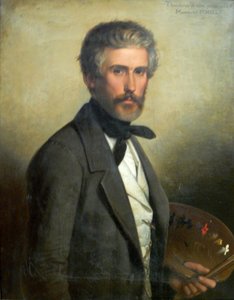
Theodor Leopold Weller
1802 - 1880 , Germany
Osnovne informacije
- Artistic Movement Or Style: Munich School
- Artists Or Movements Influenced By This Artist: ['Romanticism']
- Artists Who Influenced This Artist: ['Peter von Hess']
- Date Of Birth: May 29, 1802
- Date Of Death: December 10, 1880
- Full Name: Theodor Leopold Weller
- Nationality: German
- Notable Artworks:
- Studies on a Bagpiper
- Studies with lying child
- Place Of Birth: Mannheim, Germany

