 Pregledaj u prostoru
 Pošalji
 Podeli
 Detalji o delu

 Преузми
 Slični predmeti
 Rendgenski snimak
 Slajdovi
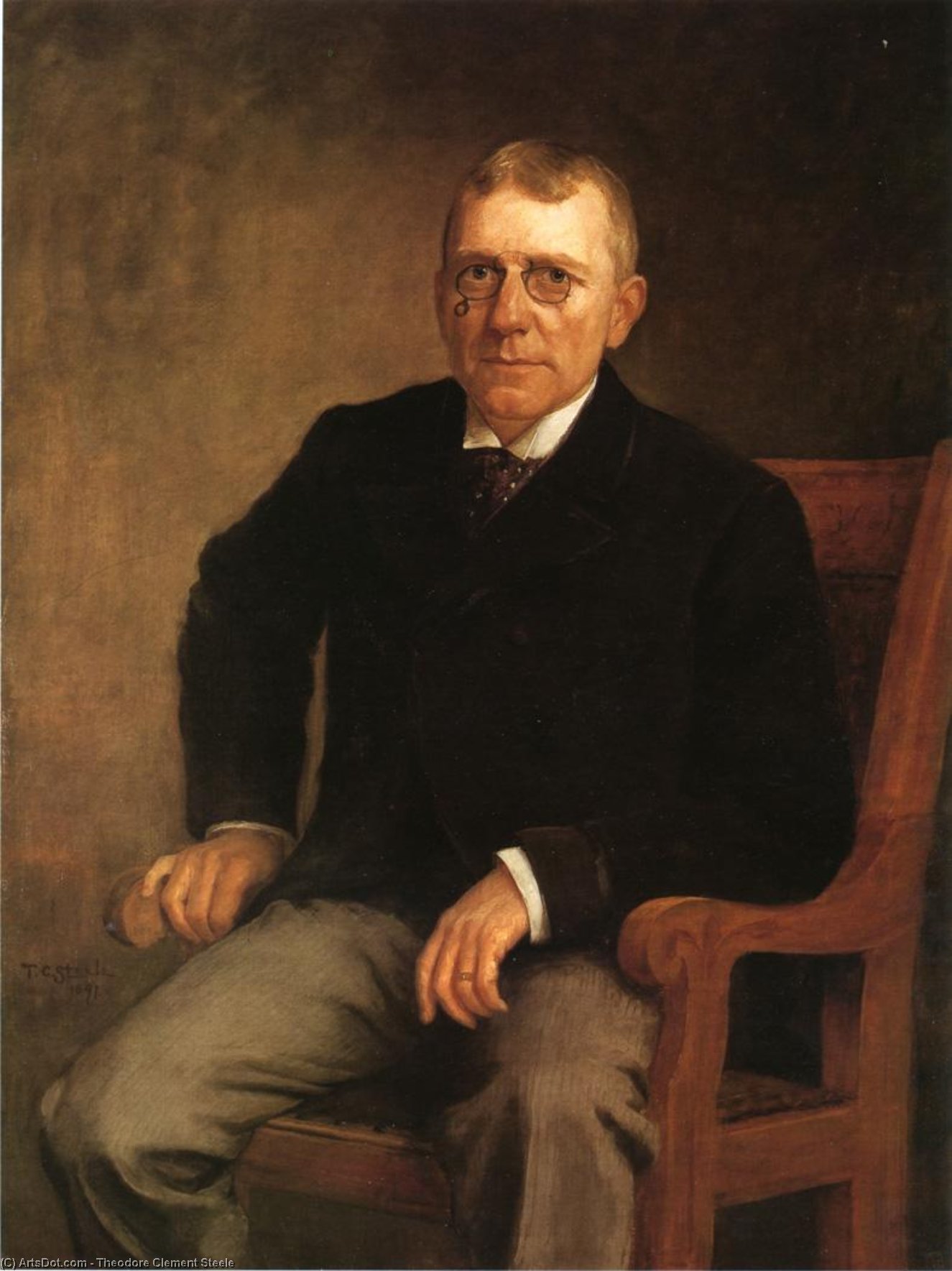
Portrait of James Whitcomb Riley


 Pročitaj više
Ručno rađena uljana reprodukcija
Ručno oslikano uljanim bojama na platnu u dimenzijama i okviru po vašem izboru, izrađeno po porudžbini od strane naših umetnika. ( Kupi print Kupi digitalnu sliku)




P118B $10

P118H $10

P118W $10

P438Z $10

P508JH $12

P508YH $12

P805H $10

P805Z $10

P919BZ $10

P919G $10

P919XJ $10

P959ZH $10

P968JZ $12

W106C $8

W218G $10

W218JH $8

W218Y $10

W307PJ $10

W316G $10

W316PJ $8

W316Y $10

W398PJ $8

W4111J $10

W500HY $15

W500JH $15

W692G $12

W849H $8

W940BG $15

W953PJ $8




Izaberite jednu od naših unapred definisanih veličina koje odgovaraju originalnim proporcijama umetničkog dela.

Можете унети сопствене димензије како бисте прилагодили дело одређеном оквиру или простору. Ако одабрана величина не одговара пропорцијама оригинала, слика ће бити исечена или проширена додатним елементима који се ручно насликавају. Дигитални prikaz ће вам бити послат на одобрење пре почетка производње.
Имајте на уму да преглед на екрану не одражава стварно исецање или проширење. Само приказ (mockup) ће тачно приказати коначну композицију.
Иако су доступне прилагођене величине, препоручујемо да одаберете димензију из дефинисане листе како бисте сачували оригиналне пропорције.
Nakon narudžbine, tim ArtsDot.com će klijentu putem e-pošte poslati uputstva i dostaviti prikaz predloženog rešenja
Isporuka širom sveta () za 3/4 nedelje umesto uobičajenih 5 nedelja. (27 август). Bez kompromisa po pitanju kvaliteta.

Besplatna ekspresna dostava širom sveta

Visokokvalitetno laneno platno

Kompletno osiguranje transporta

Garancija povraćaja carine i uvoznih dažbina

Garancija vernosti boja

Politika povrata u roku od 60 dana (samo u slučaju nedostataka)

Garancija povrata novca od 100%

Popust pri grupnoj kupovini
 Opcija sa staklom dostupna je samo za dimenzije manje od 110 cm

Portrait of James Whitcomb Riley
Tehnika reprodukcije
Dimenzije reprodukcije
-


Konačna cena
$ 263
Opis umetničkog dela
Portrait of James Whitcomb Riley – A Hoosier Soul Captured in Light
The year is 1891. Indianapolis, Indiana, a burgeoning Midwestern city brimming with ambition and the spirit of westward expansion, finds itself captivated by the poetry of James Whitcomb Riley. It’s within this vibrant context that Theodore Clement Steele, a young artist deeply rooted in the landscape of his native state, immortalizes the poet in oil on canvas – a portrait not merely of a man, but of an era and a distinctly American voice. This is more than just a likeness; it's a distillation of Riley’s character, his gentle wisdom, and the quiet dignity that defined his enduring legacy. Steele, having spent formative years studying in Munich’s prestigious Academy, brought back with him a refined understanding of Impressionistic techniques, yet he skillfully adapted them to capture the unique qualities of the American Midwest. The painting isn't rendered with photographic precision; instead, it’s imbued with a palpable sense of warmth and intimacy, achieved through subtle shifts in light and color – a hallmark of Steele’s distinctive style.The Palette of the Heartland
Steele’s masterful use of color is central to the portrait’s power. He employs a muted palette dominated by earthy browns, soft greens, and gentle blues, reflecting the natural hues of Indiana's rolling hills and expansive skies. Notice how the light catches the folds of Riley’s suit, creating a delicate interplay of shadows that lend depth and texture to the fabric. The background is deliberately indistinct, suggesting not a specific location but rather the broader landscape of Riley’s life – the familiar comforts and enduring beauty of his home state. The artist avoids harsh contrasts, favoring instead a harmonious blend of tones that evoke a sense of tranquility and understated elegance. This careful attention to color demonstrates Steele's commitment to capturing the essence of his subject, rather than simply creating a realistic representation.A Window into a Poet’s Soul
Riley himself is depicted in a pose of quiet contemplation, seated comfortably in a chair. His spectacles, perched on his nose, suggest an intellectual curiosity and a deep engagement with the world around him. The slight furrow of his brow hints at the thoughtful process behind his poetic craft. Steele doesn't attempt to portray Riley as a grand figure or a heroic hero; instead, he presents him as a relatable human being – a man of simple pleasures, honest observations, and profound empathy. The artist’s focus is on capturing the poet’s inner life—his gentle spirit, his connection to the land, and the quiet wisdom gleaned from a lifetime spent observing and reflecting. The portrait invites us to step into Riley's world and share in his contemplative gaze.Symbolism of Place and Identity
The choice of setting – a simple chair within an undefined interior – is laden with symbolic meaning. It speaks to Riley’s rootedness in the Midwest, his connection to the land, and his identification with the common people of Indiana. The portrait becomes a visual embodiment of the “Hoosier” identity—a region defined by its agricultural heritage, its strong sense of community, and its rich literary tradition. Steele's decision to paint Riley in a familiar setting reinforces this theme, suggesting that the poet’s voice is inextricably linked to the landscape and culture of his home state. The portrait isn’t just a representation of an individual; it’s a celebration of a place and a people.A Legacy of Light and Sentiment
“Portrait of James Whitcomb Riley” remains a powerful testament to Steele's artistic vision and his deep appreciation for the American Midwest. It is a painting that transcends mere portraiture, offering viewers a glimpse into the soul of a poet and the spirit of an era. Reproductions of this iconic work continue to resonate with audiences today, evoking a sense of nostalgia for a bygone time and reminding us of the enduring power of poetry to capture the human experience. It’s a piece that speaks volumes about the beauty of simplicity, the importance of connection to place, and the timeless appeal of a gentle, thoughtful spirit.Srodna umetnička dela

Biografija umetnika
A Luminary of the American Landscape: The Life and Art of Theodore Clement Steele
Theodore Clement Steele, a name synonymous with the blossoming of American Impressionism, stands as a pivotal figure in the nation’s artistic heritage. Born in 1847 amidst the rolling hills of Owen County, Indiana, Steele's journey was one of dedicated study, transatlantic influence, and ultimately, a profound commitment to capturing the unique beauty of his native land. His life unfolded against a backdrop of rapid change – a period where American art sought to define itself, moving beyond mere imitation of European masters towards an authentic visual language reflective of its own identity. From humble beginnings sketching in rural Indiana, Steele embarked on a path that would lead him to Munich’s prestigious Royal Academy and back again, forever transformed by his experiences yet deeply rooted in the landscapes he held dear. He wasn't simply painting what he saw; he was translating an emotional connection with nature onto canvas, imbuing each work with a sense of serene contemplation.European Training and the Embrace of Impressionism
Steele’s early artistic inclinations were nurtured through initial studies at Indiana State University, providing him with a foundational skillset in drawing and painting. However, recognizing the need for more rigorous training, he ventured to Europe in 1880, settling in Munich – a vibrant hub for artistic innovation. It was here that Steele truly came into his own, immersing himself in the burgeoning Impressionist movement. The influence of French masters like Monet and Pissarro is palpable in his evolving style; a shift away from the darker, more academic palettes towards brighter, more luminous colors and broken brushstrokes. This wasn’t merely a technical adoption, but a philosophical one. Steele began to prioritize capturing the fleeting effects of light and atmosphere, seeking to convey not just *what* he saw, but *how* it felt to be present in a particular moment. His time in Munich instilled within him a dedication to plein air painting – working outdoors directly from nature – a practice that would become central to his artistic process. This commitment allowed him to translate the immediacy of experience onto canvas with remarkable fidelity and emotional resonance.The Hoosier Group and a Distinctly American Vision
Upon returning to Indiana in 1885, Steele became a leading figure within the “Hoosier Group,” a collective of artists dedicated to establishing a distinctly American style of painting. Alongside contemporaries like William Forsyth, J. Ottis Adams, Richard B. Gruelle, and Otto Stark, he championed landscape painting that celebrated the beauty of the Midwest. While influenced by European techniques, Steele and his colleagues were determined to depict *American* subjects – the rolling hills, lush forests, and tranquil waterways of their homeland. He skillfully balanced the lessons learned abroad with a deep-seated love for Indiana’s natural splendor. This synthesis resulted in works that possessed both technical sophistication and an authentic sense of place. His portraits also garnered recognition, including commissions to paint official portraits of several Indiana governors, demonstrating his versatility as an artist. However, it was his landscapes – such as *Indian Summer* and *The Artist's Garden* – that truly captured the public’s imagination and cemented his reputation as a master of American Impressionism.Notable Works and Artistic Technique
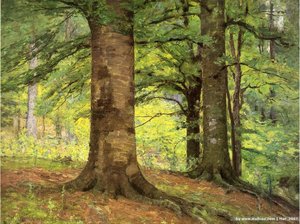
Steele’s artistic technique was characterized by meticulous observation combined with expressive brushwork. He meticulously studied the subtleties of light and color, striving to reproduce them accurately on canvas while simultaneously conveying their emotional impact. His canvases are renowned for their luminous quality—a hallmark of Impressionism—achieved through the use of thin layers of paint applied in short, broken strokes. These strokes allowed him to capture the shimmering effects of sunlight filtering through foliage or reflecting off water surfaces. He skillfully blended complementary colors – such as blue and orange – to create vibrant harmonies that enhanced the visual richness of his paintings. His compositions were often carefully arranged to guide the viewer’s eye across the canvas, emphasizing key elements and creating a sense of depth and perspective. Works like *Beech Trees* exemplify this approach, demonstrating Steele's mastery of tonal gradation and textural variation.Legacy and The House of the Singing Winds
Steele’s influence extended beyond his paintings; he was also an educator, lecturer, and advocate for the arts within his community. He actively participated in art juries, helping to shape the direction of artistic exhibitions both nationally and internationally. In 1907, Steele and his second wife, Selma Neubacher Steele, established “The House of the Singing Winds” in Brown County, Indiana – a home and studio that became a focal point for artists and a catalyst for the development of the renowned Brown County Art Colony. This idyllic setting provided him with endless inspiration and allowed him to fully immerse himself in his artistic pursuits. Today, The House of the Singing Winds stands as a State Historic Site, preserving Steele’s legacy and offering visitors a glimpse into the life and work of this remarkable artist. His contribution wasn't just about creating beautiful paintings; it was about fostering a vibrant artistic community and championing the importance of art in society. He remains an enduring symbol of American artistic achievement, inspiring generations of artists to embrace their own vision and capture the beauty that surrounds them. His ability to translate light, color, and emotion onto canvas ensures his place as a true luminary in the history of American art.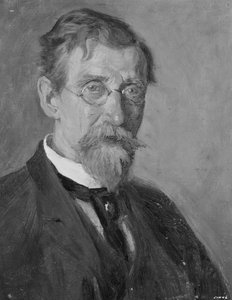
Теодоре Клемент Стелл
1847 - 1926 , Sjedinjene Američke Države
Osnovne informacije
- Artistic Movement Or Style: Американски импресионизам
- Artists Or Movements Influenced By This Artist: ['Амерички импресионисти']
- Artists Who Influenced This Artist: ['Француски импресионисти']
- Date Of Birth: Септембар 11, 1847
- Date Of Death: јули 24, 1926
- Full Name: Theodore Clement Steele
- Nationality: Америка
- Notable Artworks:
- Индијан Суммер
- Художникев сад
- Бич Три
- Place Of Birth: Овен Каунти, САУ
Povezani članci
Džems Abbot MekNil Whistler: 25 Remek-dela Majstora Tonalizma | ArtsDot
Istražite 25 remek-dela Džemsa Abota MekNila Whistler-a! Uronite u svet Tonalizma, portreta i prelepog pejzaža. Kupite vrhunske reprodukcije slika na ArtsDot.com i obogatite svoj enterijer luksuznom umetnošću.
Sir Alfred Munnings' Masterpieces: 25 Paintings That Define Equine Art | ArtsDot
Explore 25 iconic Sir Alfred Munnings paintings! Discover the beauty of British Impressionism, equine art & rural England. Find museum-quality reproductions and elevate your home decor with ArtsDot. Explore the full collection online.
Theodore Clement Steele: American Impressionism's Hoosier Visionary – A Comprehensive Exploration of Life, Art, and Legacy
Explore the life & art of Theodore Clement Steele, a leading American Impressionist painter. Discover his luminous Indiana landscapes, contributions to the Hoosier Group, and enduring legacy. A comprehensive guide for art enthusiasts.
Impressionism's Masterpieces: 10 Paintings That Defined a Movement | ArtsDot
Journey through Impressionism's heart with 10 iconic paintings by Monet, Renoir & Degas. Explore light, color & the stories behind these masterpieces. Find museum-quality art reproductions and elevate your home decor on ArtsDot.com.
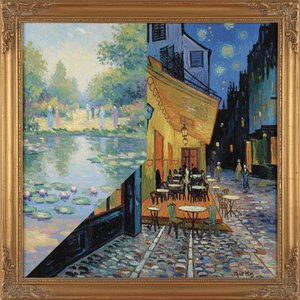
Iza svetlosti i boje: Impresionizam protiv postimpresionizma za diskriminatornog kolekcionara
Istražite suptilne razlike između Impresionizma i Postimpresionizma sa ArtsDot-om. Saveti za kolekcionare, investicije u umetnost i vrhunske reprodukcije slika. Pronađite savršeno delo za vašu kolekciju!