

 Pregledaj u prostoru
 Pošalji
 Podeli
 Detalji o delu

 Преузми
 Slični predmeti
 Rendgenski snimak
 Slajdovi
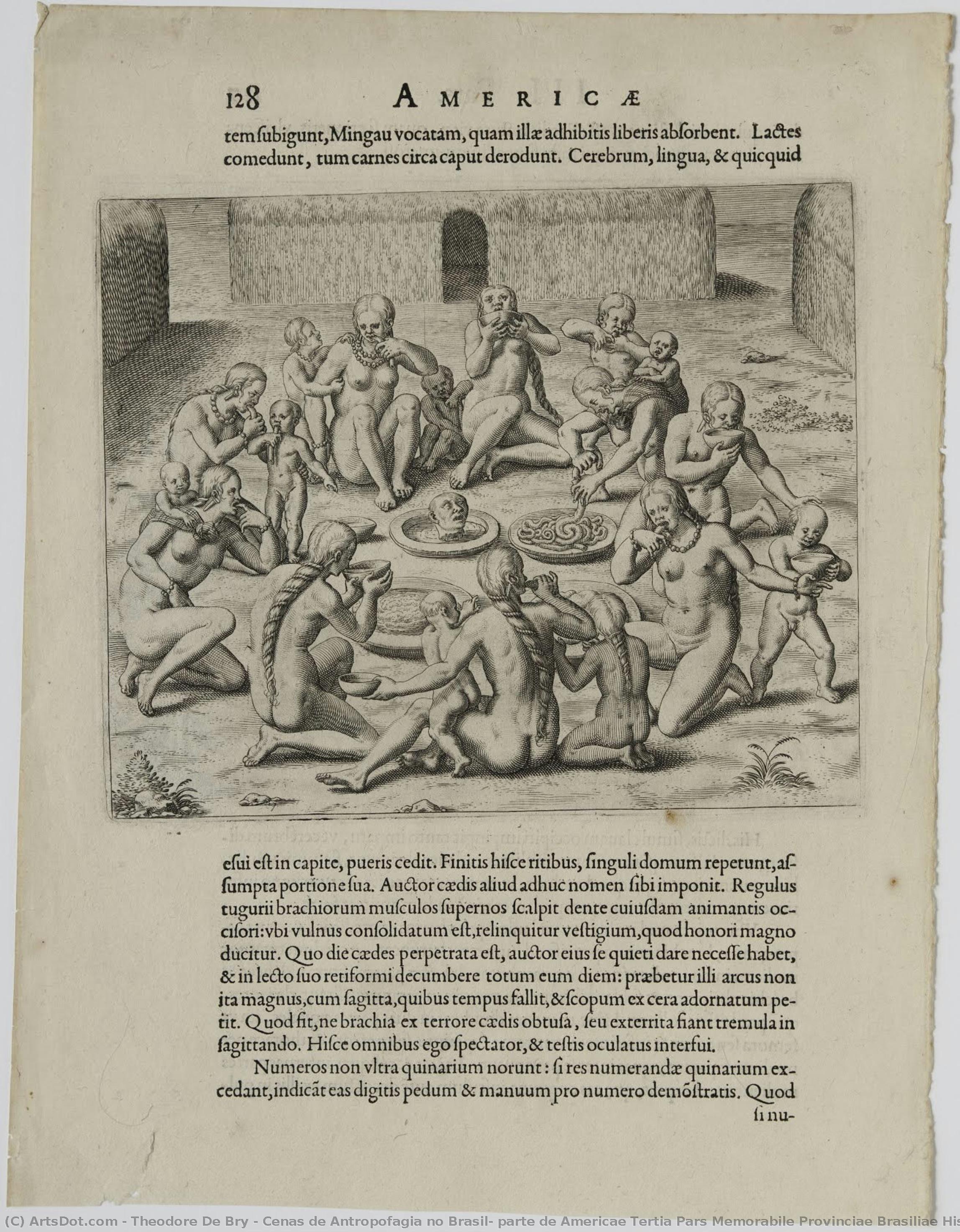
Cenas de Antropofagia no Brasil, parte de Americae Tertia Pars Memorabile Provinciae Brasiliae Historiam


 Pročitaj više
Ručno rađena uljana reprodukcija
Ručno oslikano uljanim bojama na platnu u dimenzijama i okviru po vašem izboru, izrađeno po porudžbini od strane naših umetnika. ( Kupi print Kupi digitalnu sliku)




P118B $10

P118H $10

P118W $10

P438Z $10

P508JH $12

P508YH $12

P805H $10

P805Z $10

P919BZ $10

P919G $10

P919XJ $10

P959ZH $10

P968JZ $12

W106C $8

W218G $10

W218JH $8

W218Y $10

W307PJ $10

W316G $10

W316PJ $8

W316Y $10

W398PJ $8

W4111J $10

W500HY $15

W500JH $15

W692G $12

W849H $8

W940BG $15

W953PJ $8




Izaberite jednu od naših unapred definisanih veličina koje odgovaraju originalnim proporcijama umetničkog dela.

Можете унети сопствене димензије како бисте прилагодили дело одређеном оквиру или простору. Ако одабрана величина не одговара пропорцијама оригинала, слика ће бити исечена или проширена додатним елементима који се ручно насликавају. Дигитални prikaz ће вам бити послат на одобрење пре почетка производње.
Имајте на уму да преглед на екрану не одражава стварно исецање или проширење. Само приказ (mockup) ће тачно приказати коначну композицију.
Иако су доступне прилагођене величине, препоручујемо да одаберете димензију из дефинисане листе како бисте сачували оригиналне пропорције.
Nakon narudžbine, tim ArtsDot.com će klijentu putem e-pošte poslati uputstva i dostaviti prikaz predloženog rešenja
Isporuka širom sveta () za 3/4 nedelje umesto uobičajenih 5 nedelja. (7 септембар). Bez kompromisa po pitanju kvaliteta.

Besplatna ekspresna dostava širom sveta

Visokokvalitetno laneno platno

Kompletno osiguranje transporta

Garancija povraćaja carine i uvoznih dažbina

Garancija vernosti boja

Politika povraćaja u roku od 100 dana (isključivo u slučaju nedostataka)

Garancija povrata novca od 100%

Popust pri grupnoj kupovini
 Opcija sa staklom dostupna je samo za dimenzije manje od 110 cm

Cenas de Antropofagia no Brasil, parte de Americae Tertia Pars Memorabile Provinciae Brasiliae Historiam
Tehnika reprodukcije
Dimenzije reprodukcije
-


Konačna cena
$ 263
A Window into an Encountered World
In the delicate lines of Theodore de Bry’s 1592 masterpiece, Cenas de Antropofagia no Brasil, we are transported to a pivotal moment in the cartography of human history. This evocative work, part of the monumental series Americae Tertia Pars Memorabile Provinciae Brasiliae Historiam, serves as more than just a visual record; it is a profound window into the complex, often misunderstood encounters between European explorers and the indigenous peoples of Brazil. The scene unfolds with an intimate warmth, capturing a gathering around a central fire pit that radiates a sense of communal life. As figures sit and stand in quiet conversation, the composition draws the viewer into the heart of a village, where the flickering light of the hearth seems to illuminate not just the physical space, but the very essence of human connection.
The artistry of de Bry, a master of the late Renaissance printmaking tradition, is evident in the meticulous attention to detail that defines this piece. Through his sophisticated use of line and texture, he breathes life into the figures, capturing the subtle nuances of their postures and the shared atmosphere of their gathering. The presence of dogs wandering near the group and a simple bowl placed upon the earth adds layers of domestic realism, grounding the historical narrative in a tangible, lived reality. For the discerning collector or interior designer, this work offers a sophisticated interplay of light and shadow, making it an exquisite focal point for spaces that value historical depth and intellectual curiosity.
The Intersection of History and Artistry
To behold this artwork is to engage with the tension between European perception and the reality of the New World. While the title alludes to the practice of anthropophagy, the visual narrative presented here leans toward a poignant observation of social ritual and communal existence. De Bry’s technique, rooted in the precision of the Flemish school, allows for a level of detail that invites prolonged contemplation. Every stroke contributes to a larger story of discovery, exploration, and the profound cultural shifts that defined the sixteenth century. The piece does not merely depict a scene; it captures an era of transformation.
For those seeking to adorn a curated collection or a refined living space, a high-quality reproduction of this work brings with it an aura of timelessness. The composition’s balance—the way the figures are anchored by the central fire and the surrounding landscape—provides a sense of stability and grace. It is a piece that invites conversation, acting as a bridge between the distant past and the contemporary aesthetic. Whether placed in a scholarly study or a grand salon, Cenas de Antropofagia no Brasil serves as an enduring testament to the power of art to preserve the echoes of our shared human journey.
Srodna umetnička dela
Biografija umetnika
Albrecht Dürer: The Architect of the Renaissance
Albrecht Dürer, born in 1471 in the vibrant imperial city of Nuremberg, Germany, stands as a towering figure in the history of art – a true Renaissance man who seamlessly blended painting, printmaking, writing, and theoretical scholarship. More than simply an artist, he was a meticulous observer, a relentless innovator, and a profound thinker whose work continues to captivate audiences centuries after his death in 1528. His legacy rests not just on the beauty of his creations but also on his pioneering approach to artmaking, establishing new standards for technical precision, psychological depth, and intellectual engagement.
Dürer’s early life was steeped in the traditions of goldsmithing and craftsmanship, inherited from his father, Albrecht Dürer the Elder. This background instilled a deep appreciation for detail, proportion, and the transformative power of materials – qualities that would profoundly shape his artistic vision. He began his formal training as a draughtsman within his father’s workshop, quickly demonstrating an exceptional talent for drawing and perspective. Recognizing this potential, Albrecht Dürer the Elder secured him an apprenticeship with Michael Wolgemut, a leading painter and woodcut designer in Nuremberg – a pivotal experience that exposed young Albrecht to the techniques of altarpiece production and illuminated manuscripts.
The Rise of a Master: Painting and Printmaking
Following his apprenticeship, Dürer embarked on a period of extensive travel throughout Europe, absorbing artistic influences from various schools and traditions. He spent time in Strasbourg, Basel, and the Netherlands, studying the works of contemporary artists and refining his own style. This journey was crucial to his development, allowing him to synthesize diverse techniques and establish his unique approach – one characterized by an unparalleled level of realism, emotional intensity, and intellectual rigor. His early paintings, such as the *Young Dürer*, showcase a late Gothic sensibility, but quickly evolved into a distinctly Renaissance style marked by careful observation, precise rendering, and a growing interest in human anatomy.
Dürer’s mastery of printmaking is arguably his most enduring contribution to art history. He revolutionized the medium, elevating it from a primarily decorative craft to an independent art form capable of expressing complex ideas and emotions. His woodcuts, particularly the monumental *Apocalypse* series (1498), are breathtaking in their scale, detail, and dramatic power. Simultaneously, his engravings – including the iconic *Adam and Eve* (1504) – demonstrated a remarkable command of tonal shading and line quality, achieving an unprecedented level of realism and psychological insight. He experimented with various techniques, including drypoint and burin, constantly pushing the boundaries of what was possible within the medium.
Theoretical Pursuits and Artistic Innovation
Dürer’s artistic ambition extended far beyond mere technical skill; he was a deeply intellectual artist who sought to understand the underlying principles governing beauty, proportion, and perspective. He meticulously documented his observations and experiments in numerous treatises, most notably *Four Books on Human Proportions* (1504), which offered a comprehensive analysis of human anatomy based on mathematical ratios and geometric principles. This work was groundbreaking for its time, establishing Dürer as a leading authority on the subject and influencing generations of artists.
Furthermore, he wrote *Underweysung der Messung* (1525), a manual on perspective that demonstrated his understanding of linear and atmospheric perspective. His meticulous approach to measuring and representing space reflected a broader interest in scientific inquiry and mathematical precision – qualities increasingly valued during the Renaissance. Dürer’s relentless pursuit of knowledge and his willingness to engage with theoretical concepts set him apart from many of his contemporaries, solidifying his reputation as a true intellectual giant.
Legacy and Enduring Influence
Albrecht Dürer's impact on Western art is immeasurable. He not only mastered the techniques of painting and printmaking but also fundamentally altered our understanding of these mediums. His meticulous attention to detail, his profound psychological insights, and his intellectual rigor established new standards for artistic excellence. His work served as a model for subsequent generations of artists, influencing figures such as Raphael, Titian, and Holbein.
Beyond his individual achievements, Dürer’s legacy lies in his embodiment of the Renaissance ideal – a synthesis of art, science, and humanism. He remains an enduring symbol of artistic genius, demonstrating the power of observation, innovation, and intellectual curiosity to transform the world through beauty and insight. His works continue to be studied, admired, and celebrated as testaments to the extraordinary talent and vision of one of history’s greatest artists.

theodore de bry
1528 - 1598 , Belgium
Osnovne informacije
- Artistic Movement Or Style: Renaissance, German Renaissance
- Artists Or Movements Influenced By This Artist:
- Venetian color
- Classical heritage
- Artists Who Influenced This Artist:
- Michael Wolgemut
- Martin Schongauer
- Date Of Birth: May 21, 1471
- Date Of Death: April 6, 1528
- Full Name: Albrecht Dürer
- Nationality: German
- Notable Artworks:
- Melencolia I
- Adam and Eve
- Apocalypse
- Self-Portrait
- Place Of Birth: Nürnberg, Germany
Povezani članci

Benedito Calixto: A Brazilian Modernist's Landscape of Memory & National Identity
Explore the captivating world of Benedito Calixto, a pivotal Brazilian Modernist painter. Discover his iconic landscapes, the story behind the famous Bandeirante portrait, and his lasting impact on Brazilian national identity. Learn more at ArtsDot.
Alceu de Paula Penna: A Synthesis of Brazilian Modernism & Poetic Abstraction
Explore the captivating world of Alceu de Paula Penna, a pivotal figure in Brazilian Modernism. Discover his innovative concrete poetry & influence on Latin American art history. Expert insights for collectors.
Renaissance Visions: Exploring Artistic Innovation & Cultural Shifts in 16th Century Art
Explore the artistic revolution of the 16th-century Renaissance! Discover humanist ideals, groundbreaking techniques & iconic masterpieces by Raphael, Michelangelo & more. A deep dive into art history.
Jean-Baptiste Debret: Witnessing Brazil’s Emergence Through Art & Identity
Explore the captivating art of Jean-Baptiste Debret, a key witness to Brazil’s imperial era. Discover his iconic portraits, historical scenes & insightful depictions of Brazilian life. Learn about his legacy and find museum-quality reproductions at ArtsDot.
Renaissance Visions: Exploring Themes & Techniques in 16th-Century Painting
Explore the captivating world of Renaissance painting! Discover key themes, masterful techniques & iconic artworks from Leonardo da Vinci to Raphael. Learn about Humanism's influence and the stylish departure of Mannerism.