

 Pregledaj u prostoru
 Pošalji
 Podeli
 Detalji o delu

 Преузми
 Slični predmeti
 Rendgenski snimak
 Slajdovi
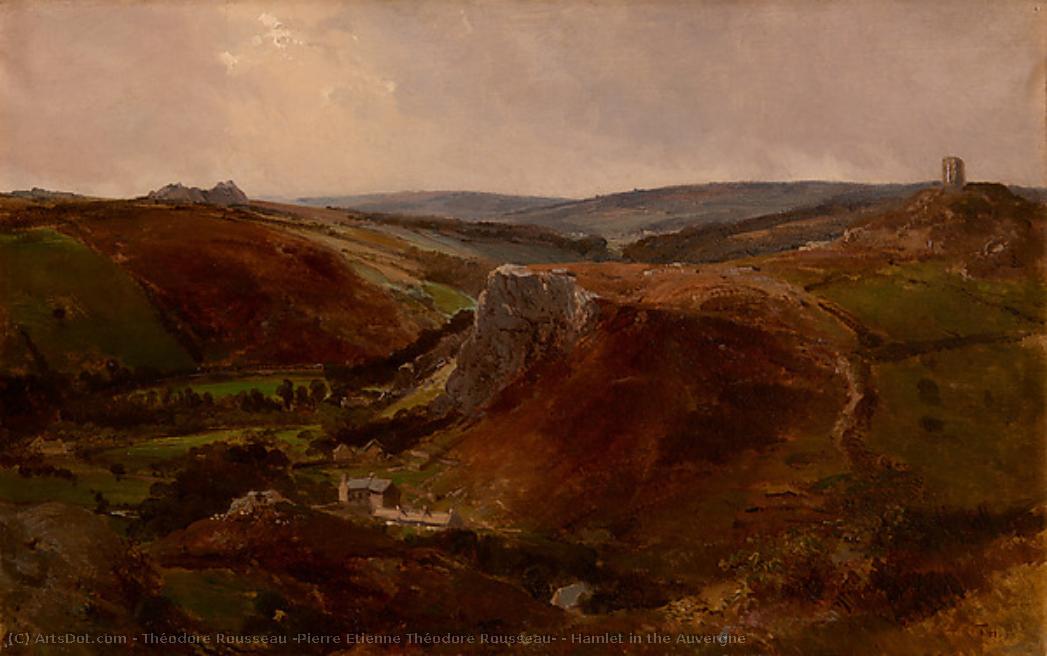
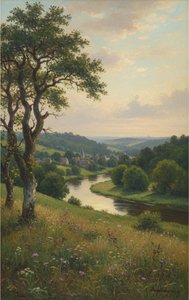
Hamlet in the Auvergne
 Acrylic On Canvas
- WallArt
- Barbizon School
 1830
1830 35.0 x 53.0 cm
 Metropolitan Museum of Art
 Pročitaj više
Giclee štampa / Umetnički otisak
Giclée štampa ili print na platnu muzejskog kvaliteta uz brzu proizvodnju i fleksibilne opcije završne obrade. ( Kupi ručno naslikanu sliku Kupi digitalnu sliku)




P118B $10

P118H $10

P118W $10

P438Z $10

P508JH $12

P508YH $12

P805H $10

P805Z $10

P919BZ $10

P919G $10

P919XJ $10

P959ZH $10

P968JZ $12

W106C $8

W218G $10

W218JH $8

W218Y $10

W307PJ $10

W316G $10

W316PJ $8

W316Y $10

W398PJ $8

W4111J $10

W500HY $15

W500JH $15

W692G $12

W849H $8

W940BG $15

W953PJ $8




Izaberite jednu od naših unapred definisanih veličina koje odgovaraju originalnim proporcijama umetničkog dela.

Možete uneti sopstvene dimenzije kako biste umetničko delo prilagodili specifičnom okviru ili prostoru. Ako odabrani format ne odgovara proporcijama originalne slike, mi ćemo ili iscrtati deo dela ili proširiti sliku pomoću ogledane ivice ili jednobojnog popunjavanja. Digitalni prikaz će vam biti poslat na odobrenje pre početka proizvodnje.
Imajte na umu da pregled na ekranu ne odražava stvarno iscrtavanje ili proširivanje. Samo će prikaz (mockup) precizno pokazati finalnu kompoziciju.
Iako su prilagođene dimenzije dostupne, preporučujemo da odaberete dimenziju sa unapred definisane liste kako biste očuvali originalne proporcije.
Dostava širom sveta () za 2 nedelje umesto uobičajenih 4/5 nedelja. (29 август)

Besplatna ekspresna dostava širom sveta

Visokokvalitetno laneno platno

Kompletno osiguranje transporta

Garancija povraćaja carine i uvoznih dažbina

Garancija vernosti boja

Politika povrata u roku od 60 dana (samo u slučaju nedostataka)

Garancija povrata novca od 100%

Popust pri grupnoj kupovini
 Opcija sa staklom dostupna je samo za dimenzije manje od 110 cm

Hamlet in the Auvergne
Giclee štampa / Umetnički otisak
Dimenzije reprodukcije
-


Konačna cena
$ 62
The Soul of the Forest: Théodore Rousseau’s *Hamlet in the Auvergne*
Théodore Rousseau's 1830 painting, *Hamlet in the Auvergne*, isn’t merely a landscape; it’s a profound meditation on humanity’s relationship with nature and the quiet dignity of rural life. Nestled within the rugged folds of central France’s Auvergne region—a land of dramatic cliffs and swelling hills—the scene unfolds as if from a high vantage point, capturing a small, unassuming hamlet clinging to the base of a formidable precipice. Rousseau, a pivotal figure in the Barbizon School, eschewed the polished idealism of academic painting, instead embracing a directness and emotional honesty that resonated deeply with his contemporaries. This work exemplifies his core philosophy: to paint not just what he saw, but how he felt about what he saw—a sentiment powerfully expressed through the subtle shifts in light, texture, and color.
Rousseau’s technique is characterized by a remarkable sensitivity to atmosphere. He employs loose, expressive brushstrokes – a hallmark of the Barbizon style – that capture the essence of the landscape rather than meticulously rendering every detail. The palette is muted yet vibrant, dominated by earthy browns, greens, and greys, punctuated by flashes of blue sky and the warm ochre of the stone buildings. Notice how he uses *sfumato*, a technique borrowed from Leonardo da Vinci, to soften edges and create an almost hazy effect, lending the scene a sense of timelessness and mystery. The composition itself is carefully balanced, drawing the eye through the layered hills and towards the distant hamlet, creating a feeling of both intimacy and vastness.
A Moment in Time: Context and Inspiration
The Auvergne region held a particular significance for Rousseau. He spent several summers sketching in this area, drawn to its raw beauty and the simple lives of its inhabitants. This excursion wasn’t simply a commissioned task; it was a deeply personal journey of discovery. As he himself described, the landscape ignited within him an intense emotional response—a desire to capture not just the physical appearance of the region but also the spirit of its people and the profound connection between humanity and the natural world. The painting reflects this intimate engagement with the subject matter, conveying a sense of quiet contemplation and reverence.
The historical context is equally important. Rousseau’s work emerged during a period of significant social and artistic change in France. The Romantic movement was challenging traditional artistic conventions, emphasizing emotion, imagination, and the beauty of nature. Artists like Rousseau were rejecting the rigid rules of the *Académie des Beaux-Arts* and seeking inspiration directly from the natural world. The painting can be seen as a response to the growing urbanization and industrialization of France, a yearning for a simpler, more authentic way of life—a sentiment that resonated powerfully with audiences at the time.
Symbolism and Emotional Resonance
Beyond its picturesque beauty, *Hamlet in the Auvergne* is rich in symbolic meaning. The isolated hamlet represents resilience and self-sufficiency – a small community finding harmony within a challenging environment. The steep cliffs symbolize both obstacles and opportunities—a reminder of humanity’s vulnerability but also its capacity for endurance. The muted colors evoke a sense of melancholy and introspection, reflecting the artist's own feelings about the relationship between man and nature. There is an underlying current of solitude, yet also a feeling of peace and contentment.
Rousseau masterfully captures this emotional complexity through his use of light and shadow. The diffused sunlight filtering through the clouds creates a sense of mystery and drama, while the shadows deepen the sense of isolation and contemplation. The painting invites viewers to step into the scene, to feel the cool breeze on their skin and hear the quiet murmur of the village below. It’s not simply a depiction of a landscape; it's an invitation to connect with something deeper—a shared experience of beauty, solitude, and the enduring spirit of humanity.
A Legacy in Reproduction
Today, *Hamlet in the Auvergne* stands as a testament to Rousseau’s artistic vision. ArtsDot offers meticulously crafted hand-painted reproductions that faithfully capture the essence of this iconic work. Each reproduction is created by skilled artists using traditional techniques and archival quality materials, ensuring that you can enjoy the beauty and emotional depth of this masterpiece for generations to come. Whether adorning a wall in your home or serving as a focal point in a commercial space, a ArtsDot reproduction of *Hamlet in the Auvergne* will bring a touch of rustic charm and timeless elegance to any setting.
Srodna umetnička dela

Biografija umetnika
Teodor Ruso: Duša šume
Etjen Pjer Teodor Ruso (1812–1867) predstavlja temelj francuske škole Barbizon, umetničkog pokreta koji je zastupao realizam i slavio veličinu ruralnih pejzaža. Rođen u Parizu u građanskoj porodici, Rusoov rani život obeležio je otac koji se u početku protivio sinovoj strasti prema umetnosti – osećanje koje se na kraju ublažilo kada je ugledao Rusoovu nepokolebljivu posvećenost svom zanatu. Ova porodična podrška ispostavila se ključnom dok je Ruso plovio turbulentnim vodama pariskih umetničkih krugova i suočavao se sa čestim odbijanjima od strane autoriteta Salona, institucija koje su bile poznate po otporu ka avantgardnim idejama.- Rano obrazovanje i uticaji: Rusoovo početno umetničko obrazovanje bilo je skromno, ali je ubrzo pokazao izuzetan talenat. Prepoznajući njegovu sposobnost, otac ga je ohrabrio da se ozbiljno posveti slikarstvu, dajući mu prednost nad poslovnim poduhvatima. On je upijao uticaje umetnika poput Žan-Fransoa Milea i Ogusta Delakroa, čiji su prikazi seljačkog života i dramatičnih pejzaže, respektivno, u njemu usadili duboko poštovanje prema hvatanju same suštine prirode.
- Škola Barbizon i umetnička filozofija: Rusoova umetnička vizija bila je usredsređena na prikazivanje prirodnog sveta sa nepokolebljivom preciznošću. Odbacujući idealizovane prikaze koje je favorizovao romantizam, on je prihvatio estetiku Barbizona – karakterisane prigušenim bojama, skiciranim potezima četkice i fokusom na atmosfersku perspektivu – kako bi preneo emocionalni uticaj pejzaža. Verovao je da umetnost treba da služi kao posrednik u posmatranju i razumevanju prirode, odražavajući njenu uzvišenu lepotu.
- Značajna dela: Ruso je stekao značajnu slavu tokom svog veka, obezbeđujući narudžbine od istaknutih pokrovitelja i redovno izlažući na Salonu. Među njegovim najslavnijim slikama nalaze se „Veliki hrastovi starog Bas-Breoa“, monumentalni prikaz drevnog drveća okupanog zlatnom svetlošću; „Pogled na Pui de Dom i Rojat“, koji prikazuje zadivljujući zalazak sunca iznad vulkanskih vrhova Francuske; i „La Grenouillère“ – dirljiv prikaz piknika na reci Loari, prožet melanhololičnom lepotom.
- Uticaj na impresionizam: Rusoova nepokolebljiva posvećenost realizmu duboko je uticala na naredne umetničke pokrete. Iako je prethodio impresionizmu, njegov pionirski pristup slikarstvu pejzaža otvorio je put umetnicima poput Kloda Monea i Pjera-Ogusta Renoara koji su nastojali da uhvate prolazne trenutke svetlosti i boje — što je predstavljao odmak od Rusoovog pedantnog posmatranja prirodnih fenomena.
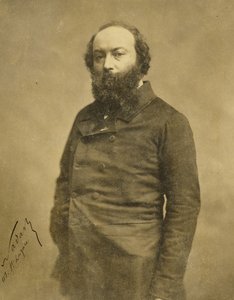
Teodor Ruso
1812 - 1867 , Francuska
Osnovne informacije
- Artistic Movement Or Style: Barbizon škola
- Artists Or Movements Influenced By This Artist: ['Impresionizam']
- Artists Who Influenced This Artist: ['Žan-Fransom Mile']
- Date Of Birth: 15. april 1812.
- Date Of Death: 22. decembar 1867.
- Full Name: Étienne Pierre Théodore Rousseau
- Nationality: Francusko
- Notable Artworks:
- Les Chênes d'Apremont
- Veliki hrastovi Vieux Bas-Breau
- Place Of Birth: Pariz, Francuska
Povezani članci

25 Remek-dela Džona Konstebla: Lepota Engleske na Platnu | ArtsDot
Uronite u svet Džona Konstebla! Otkrijte 25 remek-dela engleskog pejzaža, romantizma i seoske idile. Kupite reprodukcije slika vrhunskog kvaliteta za dekoraciju enterijera na ArtsDot.com.

Glavna dela koja su definisala Romantični pejzaž: 10 remek-dela za vaš dom
Otkrijte 10 remek-dela romantičnog pejzažnog slikarstva! Uronite u svet Claude Lorraina, Caspara David Friedricha i Turnera. Ispričane priče umetnosti, inspiracija za dekoraciju doma. Kvalitetne reprodukcije na ArtsDot.com – istražite celu kolekciju online!
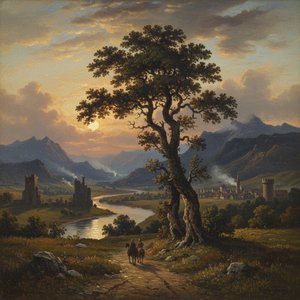
Paul Huet: Capturing the Essence of French Romanticism Through Light and Landscape
Explore the captivating world of Paul Huet (1803-1869), a master of French Romantic landscape painting. Discover his influence on Barbizon & Impressionism, and browse high-quality reproductions at ArtsDot.

Evocations of Place: A Historical Journey Through Landscape Art
Explore the rich history of landscape art with ArtsDot. Discover renowned artists, movements like Impressionism & Romanticism, and expert guidance for collecting timeless pieces. Find your perfect serene escape today!
Henri-Joseph Harpignies: Capturing the Poetic Essence of the French Landscape
Explore the serene landscapes of Henri-Joseph Harpignies, a master of the Barbizon School. Discover his atmospheric paintings, recurring themes & enduring legacy in 19th-century French art. Learn more at ArtsDot.

