

 Pregledaj u prostoru
 Pošalji
 Podeli
 Detalji o delu

 Преузми
 Slični predmeti
 Rendgenski snimak
 Slajdovi
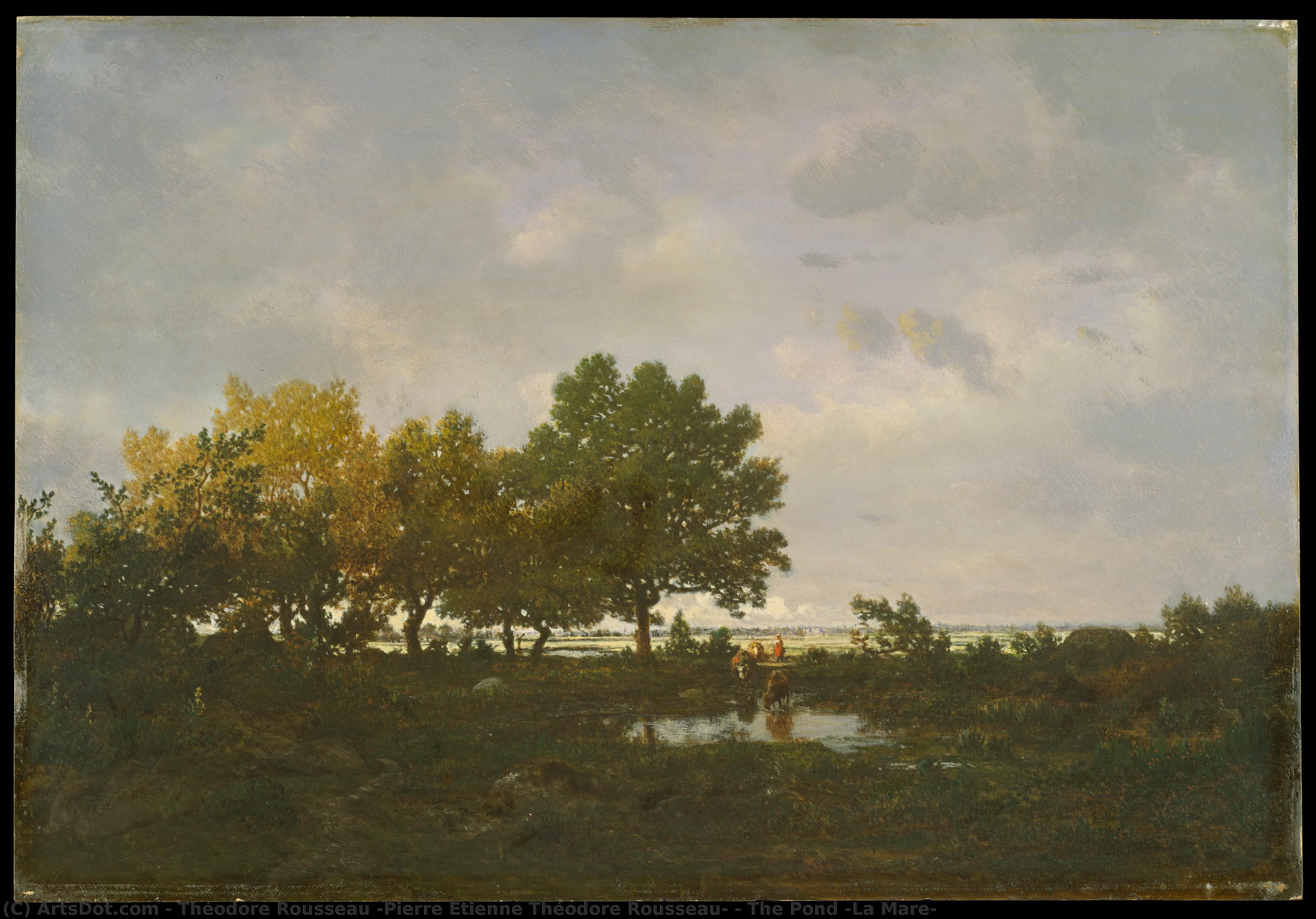
The Pond (La Mare)
 Oil On Canvas
- WallArt
- Barbizon School
 1855
1855- 19th Century
 34.0 x 52.0 cm
 Metropolitan Museum of Art
 Pročitaj više
Ručno rađena uljana reprodukcija
Ručno oslikano uljanim bojama na platnu u dimenzijama i okviru po vašem izboru, izrađeno po porudžbini od strane naših umetnika. ( Kupi print Kupi digitalnu sliku)




P118B $10

P118H $10

P118W $10

P438Z $10

P508JH $12

P508YH $12

P805H $10

P805Z $10

P919BZ $10

P919G $10

P919XJ $10

P959ZH $10

P968JZ $12

W106C $8

W218G $10

W218JH $8

W218Y $10

W307PJ $10

W316G $10

W316PJ $8

W316Y $10

W398PJ $8

W4111J $10

W500HY $15

W500JH $15

W692G $12

W849H $8

W940BG $15

W953PJ $8




Izaberite jednu od naših unapred definisanih veličina koje odgovaraju originalnim proporcijama umetničkog dela.

Можете унети сопствене димензије како бисте прилагодили дело одређеном оквиру или простору. Ако одабрана величина не одговара пропорцијама оригинала, слика ће бити исечена или проширена додатним елементима који се ручно насликавају. Дигитални prikaz ће вам бити послат на одобрење пре почетка производње.
Имајте на уму да преглед на екрану не одражава стварно исецање или проширење. Само приказ (mockup) ће тачно приказати коначну композицију.
Иако су доступне прилагођене величине, препоручујемо да одаберете димензију из дефинисане листе како бисте сачували оригиналне пропорције.
Nakon narudžbine, tim ArtsDot.com će klijentu putem e-pošte poslati uputstva i dostaviti prikaz predloženog rešenja
Isporuka širom sveta () za 3/4 nedelje umesto uobičajenih 5 nedelja. (24 август). Bez kompromisa po pitanju kvaliteta.

Besplatna ekspresna dostava širom sveta

Visokokvalitetno laneno platno

Kompletno osiguranje transporta

Garancija povraćaja carine i uvoznih dažbina

Garancija vernosti boja

Politika povrata u roku od 60 dana (samo u slučaju nedostataka)

Garancija povrata novca od 100%

Popust pri grupnoj kupovini
 Opcija sa staklom dostupna je samo za dimenzije manje od 110 cm

The Pond (La Mare)
Tehnika reprodukcije
Dimenzije reprodukcije
-


Konačna cena
$ 263
Opis umetničkog dela
The Pond (La Mare) – A Symphony of Light and Reflection by Théodore Rousseau
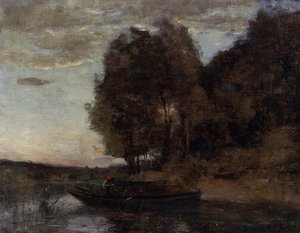
Théodore Rousseau’s “The Pond,” painted in 1855, isn't merely a landscape; it’s an immersion into the heart of Romanticism. This evocative work, now housed within the Metropolitan Museum of Art, captures a fleeting moment of serene beauty nestled within the Forest of Fontainebleau – a region that held profound significance for Rousseau and his Barbizon School contemporaries. The scene unfolds with remarkable detail: a small pond reflecting the dense, verdant trees lining its banks, punctuated by the subtle presence of cattle grazing peacefully nearby and a solitary figure observing the tranquil waters. It’s a tableau designed to evoke not just visual pleasure but also a deep sense of connection with nature's rhythms.
Rousseau’s artistic approach distinguishes “The Pond” as a pivotal work within his oeuvre. Departing from the idealized landscapes favored by earlier generations, he embraced a realism rooted in direct observation and an acute sensitivity to light and atmosphere. He meticulously rendered the textures of the grass, the shimmering surface of the water, and the dappled sunlight filtering through the trees – all achieved with a masterful command of oil paint. The brushstrokes are visible yet controlled, creating a sense of movement and depth that draws the viewer into the scene. Notably, Rousseau’s technique echoes the Dutch Masters, particularly their ability to capture atmospheric perspective and the subtle nuances of light on water—a deliberate homage to artists he deeply admired.
A Barbizon Masterpiece – Context and Influences
To understand “The Pond,” one must appreciate the context of the Barbizon School. Emerging in the mid-19th century, this movement represented a reaction against the rigid academic traditions of the French Salon. Artists like Rousseau sought to paint *en plein air* (outdoors), directly from nature, and to depict rural life with honesty and immediacy. The Forest of Fontainebleau, with its ancient trees and varied landscapes, became their primary studio – a place where they could escape the constraints of Parisian society and forge a new artistic identity. Rousseau’s early training under his cousin, Alexandre Pau de Saint-Martin, and later with Joseph Rémond, provided him with a solid foundation in traditional techniques, but it was his independent spirit and dedication to capturing the essence of nature that truly defined his style.
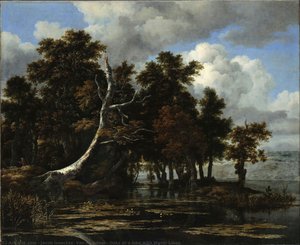
The influence of Dutch landscape painting is undeniable. Rousseau’s meticulous attention to detail, his use of atmospheric perspective, and his focus on capturing the effects of light are all hallmarks of the Dutch masters—artists like Jacob van Ruisdael and Jan van Goyen. He even owned a collection of their prints, studying their techniques with great care. This deliberate engagement with the past demonstrates Rousseau’s commitment to elevating landscape painting to a higher level of artistic expression.
Symbolism and Emotional Resonance
Beyond its technical brilliance, “The Pond” is rich in symbolic meaning. The tranquil scene evokes a sense of peace and solitude—a retreat from the pressures of urban life. The solitary figure observing the pond suggests contemplation and an appreciation for the beauty of the natural world. The presence of cattle symbolizes abundance and the cyclical rhythms of rural existence. The light itself, shimmering on the water’s surface, represents hope and renewal. Rousseau wasn't simply painting a landscape; he was conveying a profound emotional experience—a feeling of connection to something larger than oneself.
Furthermore, the composition subtly references classical ideals of harmony and balance. The arrangement of elements within the frame creates a sense of visual equilibrium, inviting the viewer to linger and lose themselves in the scene’s serene beauty. The painting's overall effect is one of quiet contemplation—a reminder of the restorative power of nature and the enduring appeal of Romanticism.
A Timeless Legacy – Reproduction and Display
“The Pond” continues to captivate audiences today, not only for its artistic merit but also for its ability to transport us to a simpler time. High-quality reproductions offer a remarkable opportunity to experience Rousseau’s vision firsthand, bringing the tranquility of the Forest of Fontainebleau into our homes and offices. When selecting a reproduction, consider framing options that complement the painting's delicate palette and atmospheric depth—a sawtooth hanger or a heavy-duty angle are excellent choices. Whether displayed in a gallery, a study, or a living room, “The Pond” remains a testament to Rousseau’s genius and a timeless celebration of nature’s beauty.
Srodna umetnička dela

Biografija umetnika
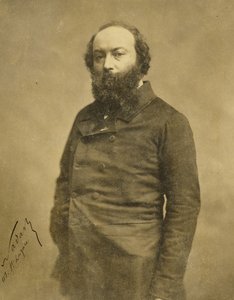
Teodor Ruso: Duša šume
Etjen Pjer Teodor Ruso (1812–1867) predstavlja temelj francuske škole Barbizon, umetničkog pokreta koji je zastupao realizam i slavio veličinu ruralnih pejzaža. Rođen u Parizu u građanskoj porodici, Rusoov rani život obeležio je otac koji se u početku protivio sinovoj strasti prema umetnosti – osećanje koje se na kraju ublažilo kada je ugledao Rusoovu nepokolebljivu posvećenost svom zanatu. Ova porodična podrška ispostavila se ključnom dok je Ruso plovio turbulentnim vodama pariskih umetničkih krugova i suočavao se sa čestim odbijanjima od strane autoriteta Salona, institucija koje su bile poznate po otporu ka avantgardnim idejama.- Rano obrazovanje i uticaji: Rusoovo početno umetničko obrazovanje bilo je skromno, ali je ubrzo pokazao izuzetan talenat. Prepoznajući njegovu sposobnost, otac ga je ohrabrio da se ozbiljno posveti slikarstvu, dajući mu prednost nad poslovnim poduhvatima. On je upijao uticaje umetnika poput Žan-Fransoa Milea i Ogusta Delakroa, čiji su prikazi seljačkog života i dramatičnih pejzaže, respektivno, u njemu usadili duboko poštovanje prema hvatanju same suštine prirode.
- Škola Barbizon i umetnička filozofija: Rusoova umetnička vizija bila je usredsređena na prikazivanje prirodnog sveta sa nepokolebljivom preciznošću. Odbacujući idealizovane prikaze koje je favorizovao romantizam, on je prihvatio estetiku Barbizona – karakterisane prigušenim bojama, skiciranim potezima četkice i fokusom na atmosfersku perspektivu – kako bi preneo emocionalni uticaj pejzaža. Verovao je da umetnost treba da služi kao posrednik u posmatranju i razumevanju prirode, odražavajući njenu uzvišenu lepotu.
- Značajna dela: Ruso je stekao značajnu slavu tokom svog veka, obezbeđujući narudžbine od istaknutih pokrovitelja i redovno izlažući na Salonu. Među njegovim najslavnijim slikama nalaze se „Veliki hrastovi starog Bas-Breoa“, monumentalni prikaz drevnog drveća okupanog zlatnom svetlošću; „Pogled na Pui de Dom i Rojat“, koji prikazuje zadivljujući zalazak sunca iznad vulkanskih vrhova Francuske; i „La Grenouillère“ – dirljiv prikaz piknika na reci Loari, prožet melanhololičnom lepotom.
- Uticaj na impresionizam: Rusoova nepokolebljiva posvećenost realizmu duboko je uticala na naredne umetničke pokrete. Iako je prethodio impresionizmu, njegov pionirski pristup slikarstvu pejzaža otvorio je put umetnicima poput Kloda Monea i Pjera-Ogusta Renoara koji su nastojali da uhvate prolazne trenutke svetlosti i boje — što je predstavljao odmak od Rusoovog pedantnog posmatranja prirodnih fenomena.
Teodor Ruso
1812 - 1867 , Francuska
Osnovne informacije
- Artistic Movement Or Style: Barbizon škola
- Artists Or Movements Influenced By This Artist: ['Impresionizam']
- Artists Who Influenced This Artist: ['Žan-Fransom Mile']
- Date Of Birth: 15. april 1812.
- Date Of Death: 22. decembar 1867.
- Full Name: Étienne Pierre Théodore Rousseau
- Nationality: Francusko
- Notable Artworks:
- Les Chênes d'Apremont
- Veliki hrastovi Vieux Bas-Breau
- Place Of Birth: Pariz, Francuska
Povezani članci
Evoking Nature's Sublime: A Comprehensive Exploration of 19th-Century Landscape Painting
Explore the captivating world of 19th-century landscape painting! Discover renowned artists like Friedrich & Monet, key movements, and find the perfect artwork to bring nature's serenity into your home. Expert insights at ArtsDot.

25 Remek-dela Džona Konstebla: Lepota Engleske na Platnu | ArtsDot
Uronite u svet Džona Konstebla! Otkrijte 25 remek-dela engleskog pejzaža, romantizma i seoske idile. Kupite reprodukcije slika vrhunskog kvaliteta za dekoraciju enterijera na ArtsDot.com.
Serene Visions: Exploring Themes of Tranquility in Art History & Contemporary Practice
Explore the history of serene landscape art & discover artists who evoke tranquility. Find the perfect calming artwork for your home with expert guidance from ArtsDot.

Evocations of Place: A Historical Journey Through Landscape Art
Explore the rich history of landscape art with ArtsDot. Discover renowned artists, movements like Impressionism & Romanticism, and expert guidance for collecting timeless pieces. Find your perfect serene escape today!

Glavna dela koja su definisala Romantični pejzaž: 10 remek-dela za vaš dom
Otkrijte 10 remek-dela romantičnog pejzažnog slikarstva! Uronite u svet Claude Lorraina, Caspara David Friedricha i Turnera. Ispričane priče umetnosti, inspiracija za dekoraciju doma. Kvalitetne reprodukcije na ArtsDot.com – istražite celu kolekciju online!

