

 Pregledaj u prostoru
 Pošalji
 Podeli
 Detalji o delu

 Преузми
 Slični predmeti
 Rendgenski snimak
 Slajdovi
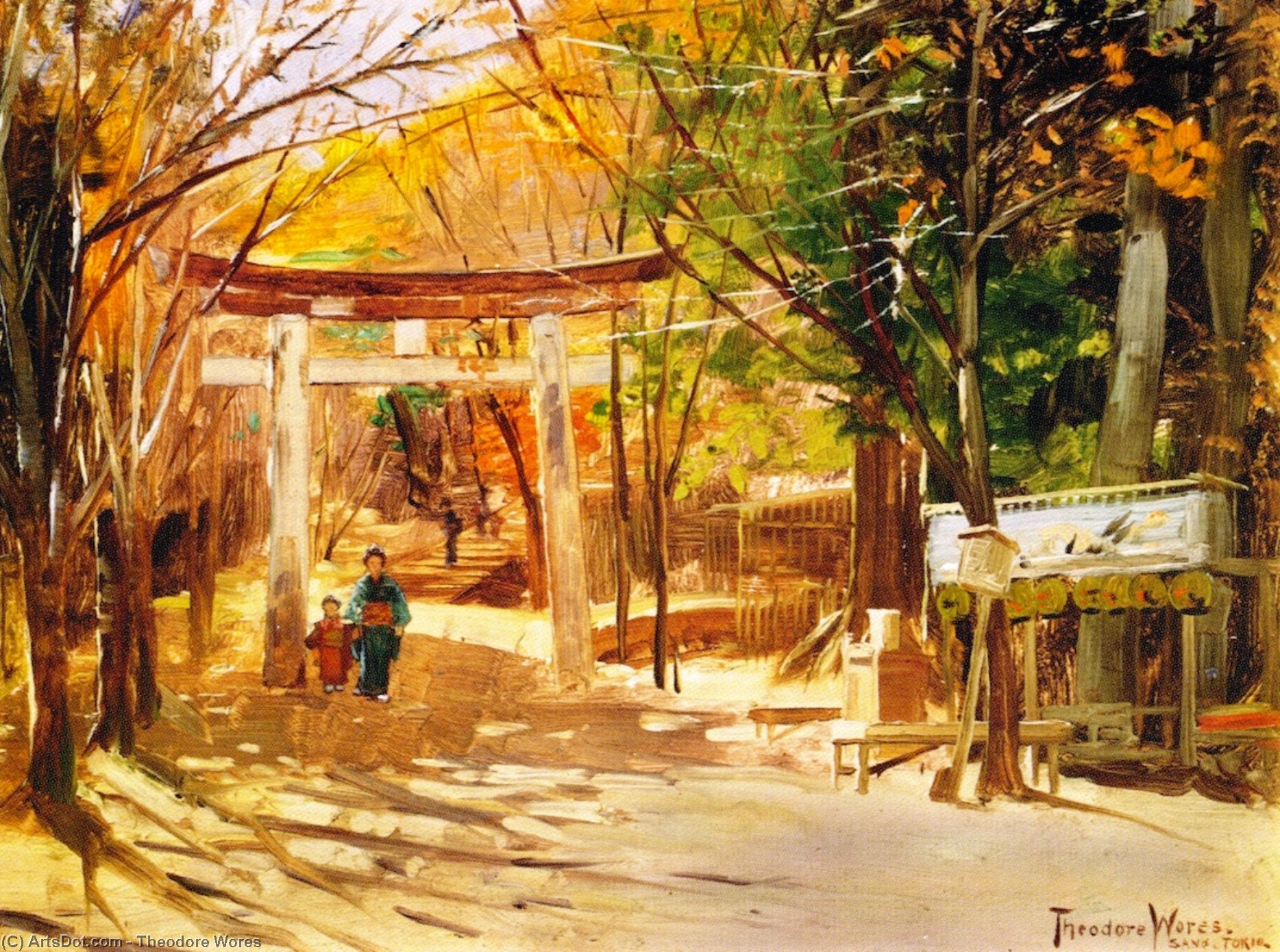
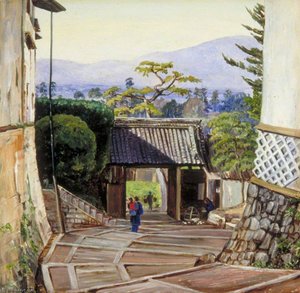
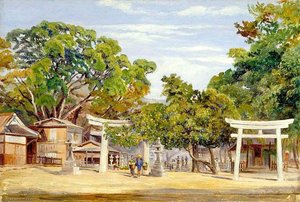
Entrance through the Torii Gate to Sanno Temple

 Pročitaj više
Giclee štampa / Umetnički otisak
Giclée štampa ili print na platnu muzejskog kvaliteta uz brzu proizvodnju i fleksibilne opcije završne obrade. ( Kupi ručno naslikanu sliku Kupi digitalnu sliku)




































Izaberite jednu od naših unapred definisanih veličina koje odgovaraju originalnim proporcijama umetničkog dela.

Možete uneti sopstvene dimenzije kako biste umetničko delo prilagodili specifičnom okviru ili prostoru. Ako odabrani format ne odgovara proporcijama originalne slike, mi ćemo ili iscrtati deo dela ili proširiti sliku pomoću ogledane ivice ili jednobojnog popunjavanja. Digitalni prikaz će vam biti poslat na odobrenje pre početka proizvodnje.
Imajte na umu da pregled na ekranu ne odražava stvarno iscrtavanje ili proširivanje. Samo će prikaz (mockup) precizno pokazati finalnu kompoziciju.
Iako su prilagođene dimenzije dostupne, preporučujemo da odaberete dimenziju sa unapred definisane liste kako biste očuvali originalne proporcije.
Dostava širom sveta () za 2 nedelje umesto uobičajenih 4/5 nedelja. (29 август)

Besplatna ekspresna dostava širom sveta

Visokokvalitetno laneno platno

Kompletno osiguranje transporta

Garancija povraćaja carine i uvoznih dažbina

Garancija vernosti boja

Politika povrata u roku od 60 dana (samo u slučaju nedostataka)

Garancija povrata novca od 100%

Popust pri grupnoj kupovini
 Opcija sa staklom dostupna je samo za dimenzije manje od 110 cm

Entrance through the Torii Gate to Sanno Temple
Giclee štampa / Umetnički otisak
Dimenzije reprodukcije
-


Konačna cena
$ 62
Srodna umetnička dela
Biografija umetnika
The Impressionistic Vision of Theodore Wores
Theodore Wores, a name synonymous with the luminous beauty of the American West and the delicate nuances of Pacific cultures, lived a life defined by movement and observation. Born in San Francisco in 1859, Wores was a child of the burgeoning American frontier, yet his artistic soul was deeply shaped by the grand traditions of Europe. His journey began in the local studio of Joseph Harrington, where, as a young boy of twelve, he first mastered the essential languages of color, composition, and perspective. This early foundation allowed him to navigate the prestigious halls of the Royal Academy in Munich, where the influence of masters like Jules Bastien-Lepage and Frederic Leighton infused his work with a sophisticated European Impressionistic sensibility. It was here that Wores learned to capture not just the physical form, but the very atmosphere surrounding his subjects.
As his career matured, Wores became a true global wanderer, an artist whose palette was enriched by the diverse landscapes of Japan, Hawaii, and Samoa. These travels were more than mere excursions; they were profound periods of cultural immersion that expanded his artistic vocabulary. In Japan, he found inspiration in the delicate interplay of light and shadow within temple gardens and cherry blossom groves, creating works that resonated with a quiet, meditative grace. His friendships with luminaries such as James Abbott McNeill Whistler and Oscar Wilde suggest a man deeply embedded in the vibrant intellectual and aesthetic currents of his time. Whether depicting the serene ritual of a Lei Maker or the bustling energy of a Yokohama street, Wores possessed a rare ability to translate foreign landscapes into a universal language of light and emotion.
A Legacy of Light and Cultural Dignity
Upon returning to the American West, Wores turned his gaze toward the profound dignity of Native American life and the rugged splendor of the California coast. His work during this period stands as a monumental achievement in American Impressionism, blending soft, diffused light with a deep respect for his subjects. He did not merely paint landscapes; he captured the spirit of a vanishing frontier. Through his brush, the American West was rendered with a luminous quality—where twilight hues and blossoming trees became symbols of both tranquility and resilience. His ability to weave Native American symbolism into the fabric of Impressionistic technique allowed him to create portraits that were as much about cultural heritage as they were about aesthetic beauty.
The historical significance of Theodore Wores lies in his role as a bridge between worlds. He brought the refined techniques of the Munich Academy to the untamed landscapes of the Pacific and the American frontier, creating a body of work that remains vital and evocative today. His paintings are held in some of the most prestigious collections in the world, including the Smithsonian American Art Museum and the White House, ensuring that his vision of a multifaceted, interconnected world continues to inspire. Through his mastery of light and his empathetic eye, Wores left behind an indelible record of the beauty, the struggle, and the enduring spirit of the landscapes and peoples he so lovingly documented.
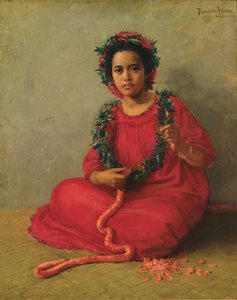
theodore wores
1859 - 1939 , United States of America
Osnovne informacije
- Artistic Movement Or Style: Impressionism
- Artists Or Movements Influenced By This Artist: ['Theodore Clement Steele']
- Date Of Birth: August 1, 1859
- Full Name: Theodore Wores
- Nationality: American
- Notable Artworks:
- Road with Blossoming Trees
- Prune Blossoms of Saratoga
- Mr. Tamalpais from San Francisco Dunes
- Place Of Birth: San Francisco, United States of America

