

 Pošalji
 Podeli
 Detalji o delu

 Преузми
 Slični predmeti
 Slajdovi
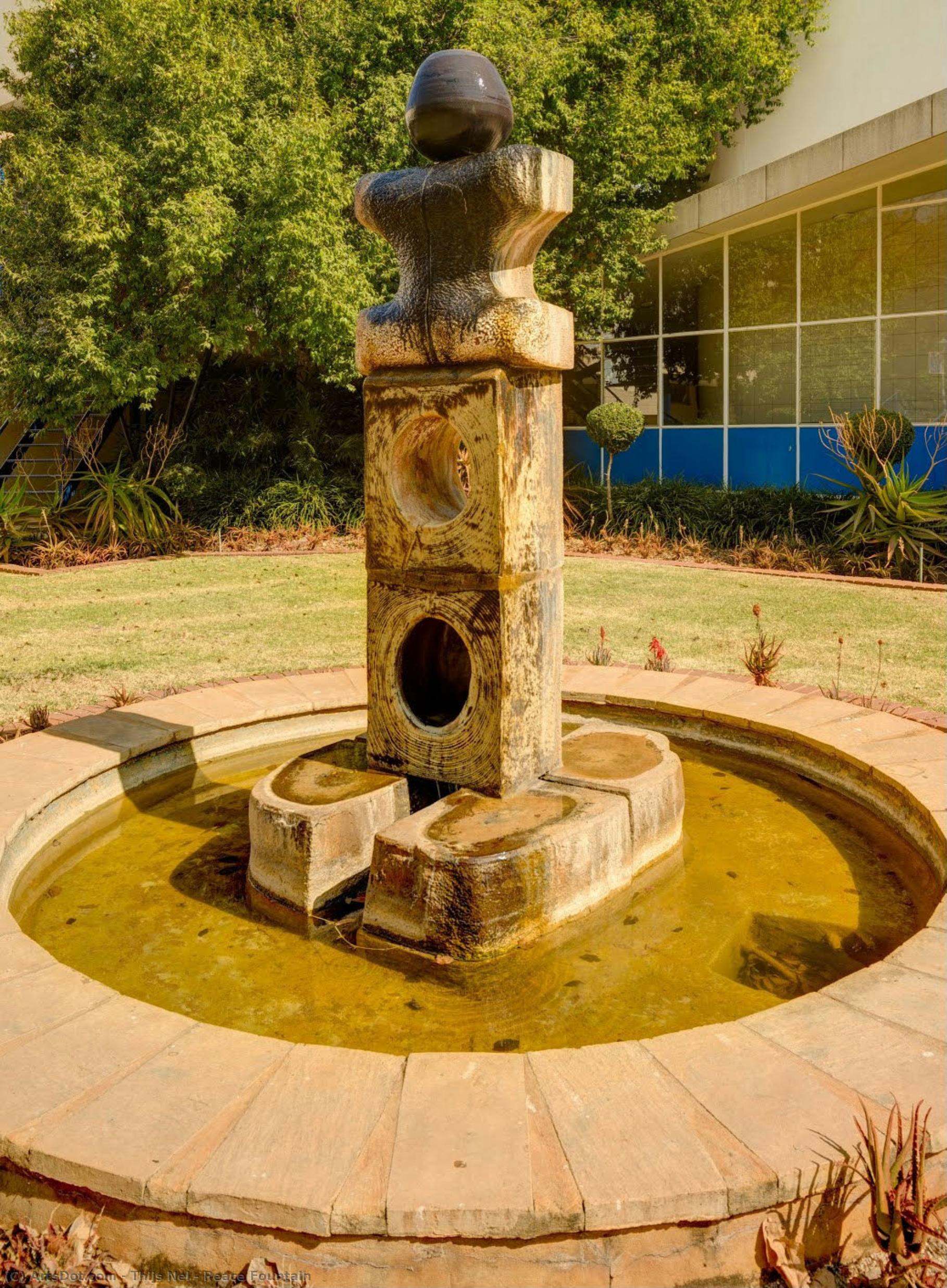
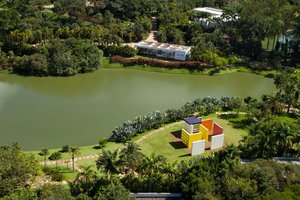
Peace Fountain


 Pročitaj više
Kupite digitalnu sliku visoke rezolucije i poboljšanog kvaliteta, koja je znatno superiornija od onoga što vidite u online prikazu.
Svaka datoteka je pedantno pripremljena od strane naših stručnjaka koristeći napredne alate i profesionalnu ručnu retušu. Osiguravamo da svaka slika ima izuzetnu oštrinu, preciznu reprodukciju boja i fine detalje.
Konačna datoteka se dostavlja putem e-pošte u roku od 72 sata, optimizovana za neposrednu upotrebu u profesionalnim, izdavačkim i štamparskim okruženjima. To je isti kvalitet kojem veruju vrhunski studiji dizajna, izdavači i galerije.
Digitalna slika
Preuzmite datoteku visoke rezolucije za ličnu upotrebu, štampanje i kreativne projekte. ( Kupi print Kupi ručno naslikanu sliku)
Uključeno uz svaku porudžbinu digitalne slike
Profesionalna digitalna isporuka, zagarantovana
Kada odaberete ArtsDot.com, ne dobijate samo sliku – vi primate profesionalno unapređeno digitalno umetničko delo, izrađeno sa najvećom preciznošću i uz garanciju zadovoljstva. Evo svega što automatski dolazi uz vašu porudžbinu:

Brza dostava putem e-pošte
Vaša digitalna slika visoke rezolucije biće vam poslata putem e-pošte u roku od 72 sata od poručivanja – spremna za trenutnu upotrebu.

Digitalna datoteka unapređena veštačkom inteligencijom
Vaše umetničko delo je profesionalno optimizovano korišćenjem naprednih AI alata i ručne obrade, čime se osiguravaju maksimalni detalji, oštrina i preciznost boja.

Besplatna ponovna isporuka doživotno
Slučajno ste obrisali ili izgubili svoju datoteku? Ne brinite – poslaćemo vam je ponovo u bilo kom trenutku, potpuno besplatno.

Bez troškova uvoza – zauvek
Uživajte u svojim umetničkim delima trenutno, bez carine, dažbina ili troškova dostave – digitalni download je uvek bez poreza.

Garancija vernosti boja
Uz pomoć profesionalnih alata i upravljanja bojama, osiguravamo da vaša digitalna slika što vernije odražava originalne boje.

Garancija zadovoljstva od 100 dana
Ako niste zadovoljni svojom digitalnom slikom, izvršićemo reviziju ili ćemo vam vratiti 100% novca u roku od 100 dana – bez ikakvih pitanja.

100% garancija povrata novca
Niste zadovoljni? Dobijte puni povraćaj novca u roku od 100 dana od prijema digitalne datoteke – bez suvišnih pitanja.

Popusti na velike porudžbine
Kupite 3 slike, uštedite 10% - Kupite 5 slika, uštedite 15% - Kupite 10+ slika, uštedite 20%. Odlično za kreativne projekte, galerije i agencije.
Srodna umetnička dela


Biografija umetnika
Thijs Nel: A Sculptor of Serenity – Shaping Peace from Clay
Thijs Nel’s artistic journey is a testament to a lifelong pursuit of beauty, rooted in a profound connection with the natural world and an unwavering belief in its capacity to inspire serenity. Born in Oudtshoorn, South Africa, in 1943, his early life was shaped by a childhood illness that fostered a contemplative spirit and a deep appreciation for quiet observation – experiences that would profoundly inform his artistic vision. Nel’s career isn't defined by grand pronouncements or overt political statements; instead, it’s characterized by a subtle yet powerful exploration of balance, harmony, and the inherent beauty found in everyday existence. He doesn’t seek to shock or challenge, but rather to offer viewers a moment of peaceful reflection through his meticulously crafted sculptures and ceramics.
Nel's formal artistic training began at the University of the Witwatersrand, followed by a period of study at the Cité Internationale des Arts in Paris. This international exposure proved crucial, broadening his perspective and introducing him to diverse artistic traditions, particularly the influence of Bernard Leach and Shoji Hamada’s approach to studio pottery – a movement emphasizing the intrinsic beauty of clay itself. Returning to South Africa, Nel began to experiment with various mediums, eventually finding his true voice in working with clay. This wasn't merely a choice of material; it was a deliberate alignment with his core philosophy: clay, he believed, offered a unique language for expressing fundamental truths about nature and the human condition.
The Philosophy of Shibui – Finding Beauty in Imperfection
A central concept underpinning Nel’s artistic practice is “Shibui,” a Japanese aesthetic principle that transcends mere beauty. It describes a quality of understated elegance, suggesting something that appears effortless, natural, and almost accidental—as if it has simply *been* rather than consciously created. Nel's work embodies this philosophy perfectly; his sculptures possess a quiet dignity, a sense of ancient wisdom, and an inherent grace that arises not from striving for perfection but from embracing the subtle imperfections and textures of the material.
He describes his process as one of attentive observation and intuitive response to the clay. Rather than imposing a preconceived design, he allows the material to guide him, responding to its natural tendencies and shaping it with gentle precision. This collaborative approach results in pieces that feel deeply rooted in their materiality—each curve, each indentation, each subtle variation tells a story of the clay’s journey from earth to finished form. Nel's work is not about replicating reality but about capturing an essence, a feeling – a sense of timelessness and profound peace.
The ‘Peace Fountain’ – A Monument to Hope
Perhaps Nel’s most recognizable achievement is the “Peace Fountain,” created in 1993. This monumental sculpture, located in Johannesburg, stands as a powerful symbol of reconciliation and hope for a nation grappling with its past. Initially conceived as a response to the turbulent years following apartheid, the fountain quickly evolved into something far more profound – a universal emblem of peace, unity, and the enduring human spirit.
The fountain’s design is deceptively simple: a cascading stream of water flowing over a series of interconnected basins. However, its impact is immense. The movement of the water, combined with the sculpture's graceful form, creates a mesmerizing visual experience that invites contemplation and reflection. Nel deliberately avoided overtly political imagery, opting instead to focus on the fundamental elements of water and flow – symbols of life, renewal, and connection.
Legacy and Continuing Influence
Despite not always receiving widespread recognition during his lifetime, Thijs Nel’s work has steadily gained appreciation for its quiet beauty and profound philosophical depth. His sculptures are exhibited in galleries across South Africa and internationally, and his pieces reside in prestigious collections worldwide. Nel continues to live and work in Oudtshoorn, dedicating himself to his craft and reminding us of the power of art to uplift the human spirit.
His legacy extends beyond individual artworks; it’s a testament to the enduring value of simplicity, observation, and a deep respect for the natural world. Thijs Nel's sculptures are not merely objects—they are invitations to pause, reflect, and discover the serenity that lies within us all.
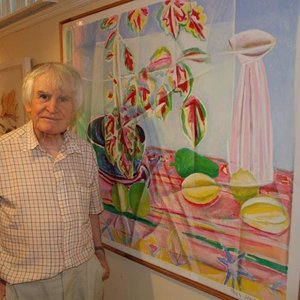
thijs nel
South Africa
Kratke činjenice
- Artistic Movement Or Style: Abstract, ceramics
- Artists Or Movements Influenced By This Artist: ['Anglo-Asian studio potters']
- Artists Who Influenced This Artist:
- Bernard Leach
- Shoji Hamada
- Date Of Birth: Not found
- Full Name: Thijs Nel
- Nationality: South African
- Notable Artworks:
- Peace Fountain
- Various ceramic sculptures
- Place Of Birth: South Africa