

 Pregledaj u prostoru
 Pošalji
 Podeli
 Detalji o delu

 Преузми
 Slični predmeti
 Rendgenski snimak
 Slajdovi
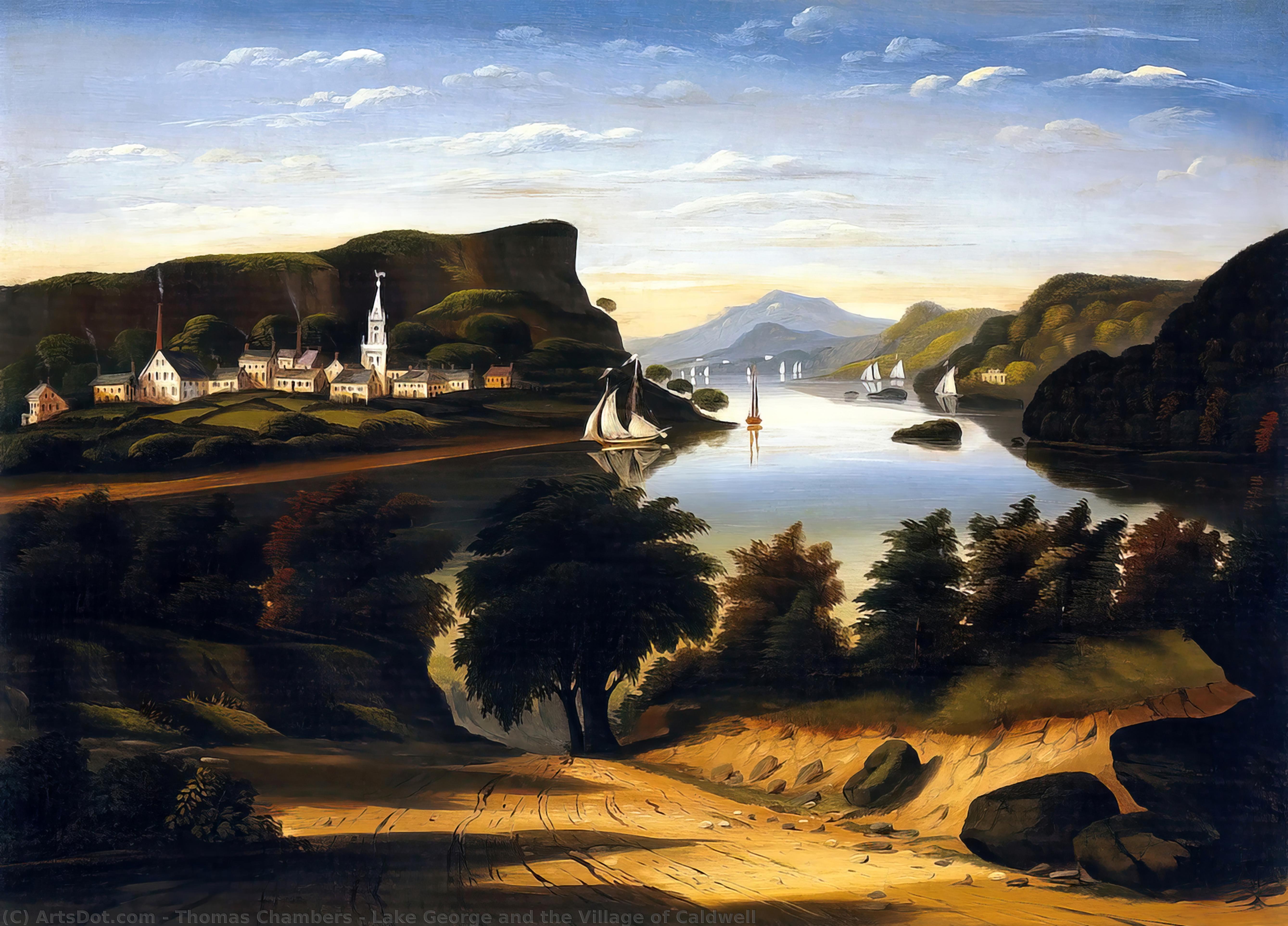
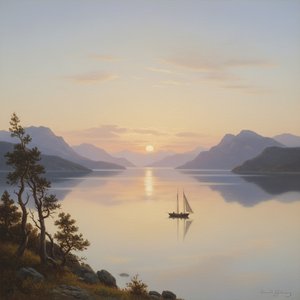
Lake George and the Village of Caldwell


 Pročitaj više
Giclee štampa / Umetnički otisak
Giclée štampa ili print na platnu muzejskog kvaliteta uz brzu proizvodnju i fleksibilne opcije završne obrade. ( Kupi ručno naslikanu sliku Kupi digitalnu sliku)




P118B $10

P118H $10

P118W $10

P438Z $10

P508JH $12

P508YH $12

P805H $10

P805Z $10

P919BZ $10

P919G $10

P919XJ $10

P959ZH $10

P968JZ $12

W106C $8

W218G $10

W218JH $8

W218Y $10

W307PJ $10

W316G $10

W316PJ $8

W316Y $10

W398PJ $8

W4111J $10

W500HY $15

W500JH $15

W692G $12

W849H $8

W940BG $15

W953PJ $8




Izaberite jednu od naših unapred definisanih veličina koje odgovaraju originalnim proporcijama umetničkog dela.

Možete uneti sopstvene dimenzije kako biste umetničko delo prilagodili specifičnom okviru ili prostoru. Ako odabrani format ne odgovara proporcijama originalne slike, mi ćemo ili iscrtati deo dela ili proširiti sliku pomoću ogledane ivice ili jednobojnog popunjavanja. Digitalni prikaz će vam biti poslat na odobrenje pre početka proizvodnje.
Imajte na umu da pregled na ekranu ne odražava stvarno iscrtavanje ili proširivanje. Samo će prikaz (mockup) precizno pokazati finalnu kompoziciju.
Iako su prilagođene dimenzije dostupne, preporučujemo da odaberete dimenziju sa unapred definisane liste kako biste očuvali originalne proporcije.
Dostava širom sveta () za 2 nedelje umesto uobičajenih 4/5 nedelja. (25 август)

Besplatna ekspresna dostava širom sveta

Visokokvalitetno laneno platno

Kompletno osiguranje transporta

Garancija povraćaja carine i uvoznih dažbina

Garancija vernosti boja

Politika povrata u roku od 60 dana (samo u slučaju nedostataka)

Garancija povrata novca od 100%

Popust pri grupnoj kupovini
 Opcija sa staklom dostupna je samo za dimenzije manje od 110 cm

Lake George and the Village of Caldwell
Giclee štampa / Umetnički otisak
Dimenzije reprodukcije
-


Konačna cena
$ 62
Opis predmeta
A Tranquil Glimpse into Mid-Nineteenth Century American Leisure
To gaze upon Thomas Chambers’s depiction of Lake George and the Village of Caldwell is to step across the threshold of time, leaving the clamor of the modern world for a moment of profound, sun-drenched repose. This painting, capturing the scene in 1843, is more than just a picturesque record; it is an immersion into a specific American idyll—a celebration of burgeoning leisure and natural beauty along the Hudson River's tributaries. The composition immediately draws the eye across the vast expanse of water, where sunlight seems to rest upon the gentle ripples, inviting the viewer into its serene embrace.
Mastery of Light and Water: Technical Brilliance
Chambers demonstrates a remarkable command over depicting natural elements, particularly water. The technique employed suggests an intuitive understanding of how light interacts with liquid surfaces—a hallmark of his later recognition as a master marine painter. Notice the varied tones used for the boats; some appear to glide effortlessly, while others are moored near the welcoming shore. The interplay between the deep blues of the lake and the warmer earth tones of the village structures anchors the scene. While the artist’s formal training remains debated, the resulting work speaks with an undeniable technical fluency, suggesting a lifetime spent observing and translating the majesty of the waterfront into paint.
The Human Element: Community and Contemplation
Scattered across the foreground and along the distant banks are figures engaged in quiet moments. They are not posed for posterity; rather, they seem caught mid-activity—a family strolling, a group conversing near the water's edge. These scattered human vignettes imbue the painting with a palpable sense of life. The atmosphere is one of gentle communion; people have gathered here to appreciate the confluence of man’s settlement and nature’s grandeur. It speaks to a time when community gatherings were often centered around such magnificent natural respites.
Symbolism of Place: Caldwell in 1843
The inclusion of the village of Caldwell grounds this beautiful scene in a specific historical moment. In the mid-19th century, American resort towns like this one represented an emerging culture of leisure for the burgeoning middle class. The painting subtly romanticizes this period—a time when travel and appreciating scenic beauty were becoming accessible pursuits. Symbolically, Lake George represents escape; it is the perfect counterpoint to the structured life suggested by the village architecture. It offers a visual balm, suggesting that true contentment can be found where civilization meets unspoiled nature.
Bringing the Serenity Home
For collectors and designers alike, this piece offers more than mere decoration; it offers an emotional anchor. Reproducing such a work allows one to curate a corner of tranquility within a modern space. Imagine the soft glow of the depicted sunlight filtering into a drawing-room or dining area. It is a timeless vision—a perfect blend of historical narrative and enduring peace, making it a captivating focal point that whispers tales of bygone American elegance.
Srodna umetnička dela
Biografija umetnika
A Rediscovered Visionary: The Life and Art of Thomas Chambers
The name Thomas Chambers remained largely obscured for over a century, his vibrant canvases attributed simply as “American Folk Art” or “unsigned marine paintings.” Only in 1942 did the art world begin to recognize the distinct hand – and remarkably modern sensibility – behind these captivating works. Born in Whitby, Yorkshire, England, in 1808, Chambers’s journey was one of transatlantic migration, quiet dedication, and ultimately, posthumous acclaim. His father, a merchant sailor, instilled a deep connection to the sea, while his mother worked as a laundress; this humble upbringing likely shaped his keen observation of everyday life and a pragmatic approach to artistic creation. While formal training remains undocumented, it’s believed he collaborated with his brother George, a successful marine artist, laying the foundation for his own burgeoning talent.
From New Orleans to the Hudson: A Developing Style
Chambers emigrated to the United States in 1832, shortly after his brother received royal patronage. He initially settled in New Orleans, declaring his intent to become a naturalized citizen, before relocating to New York City around 1834. For nearly a decade, he worked as both a painter and restorer, honing his skills while navigating the bustling art scene of the burgeoning metropolis. His style began to coalesce during this period – a unique blend of realism and expressive color that set him apart from contemporaries steeped in academic tradition. He then moved to Boston (1843-1851) followed by Albany before returning to New York around 1857, painting scenes primarily along the Hudson River Valley. However, unlike artists associated with the Hudson River School, Chambers’s work wasn't driven by a romanticized vision of nature but rather a direct and often strikingly bold depiction of it.
The “First American Modern”
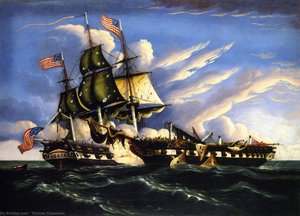
Chambers’s paintings are characterized by their dynamic compositions, vivid palettes, and an almost naive perspective that belies a sophisticated understanding of light and form. He rarely exhibited his work, preferring to sell directly through auctions – a practice that contributed to the anonymity surrounding his oeuvre for so long. His subjects ranged from dramatic naval battles, like “The Constitution & Guirriere”, capturing the energy and chaos of maritime conflict, to serene coastal scenes and idyllic landscapes such as “Cottages in a Landscape (also known as The Birthplace of Burns)”. What truly distinguishes his work is a sense of immediacy and an unconventional approach to perspective. He often worked *en plein air*, directly from nature, resulting in paintings that feel remarkably fresh and alive.
Unsigned Legacy & Rediscovery
The lack of signatures on nearly all of Chambers’s works proved a significant obstacle to his recognition during his lifetime. He faced hardship in his later years, eventually returning to England penniless and disabled around 1866, where he died in a Whitby workhouse in 1869. It wasn't until the groundbreaking exhibition at the Macbeth Gallery in New York City in 1942 that his paintings were definitively attributed to him. The discovery of a single signed work unlocked a wealth of previously unknown canvases, revealing a prolific and remarkably consistent body of work. Art historians like Kathleen A. Foster have championed his legacy, recognizing Chambers as a pivotal figure in American art history – a “First American Modern” whose bold style anticipated many of the developments of 20th-century painting.
Historical Significance & Enduring Appeal
Thomas Chambers occupies a unique position within the landscape of 19th-century American art. He stands apart from both the refined elegance of academic painting and the romantic idealism of the Hudson River School, forging his own path with an independent spirit and unwavering dedication to direct observation. His paintings offer a glimpse into a rapidly changing America – a nation grappling with industrialization, expansion, and evolving notions of identity. Today, Chambers’s work is celebrated for its raw energy, vibrant color, and enduring appeal. He represents a vital link between folk art traditions and the burgeoning modernism that would define the next century, reminding us that artistic innovation often flourishes outside the established boundaries of convention.
thomas chambers
1808 - 1869
Osnovne informacije
- Artistic Movement Or Style: Primitivist, Marine Landscape
- Artists Or Movements Influenced By This Artist: ['Hudson River School']
- Artists Who Influenced This Artist: ['George Chambers']
- Date Of Birth: 1808
- Date Of Death: 1869
- Full Name: Thomas Chambers
- Nationality: American
- Notable Artworks:
- Castles of the Mind
- Constitution & Guirriere
- Cottages in a Landscape
Povezani članci
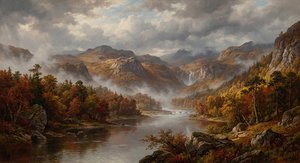
Top 10 Remek Dela Koja Su Definisala Hudson River School: Majstorski Priori Za Vaš Dom
Otkrijte 10 remek dela koja su definisala Hudson River School! Uronite u priče o Thomas Cole-u, Frederic Church-u i veličanstvenim pejzažima Amerike. Inspiracija za vaš dom – vrhunske reprodukcije na ArtsDot.com!
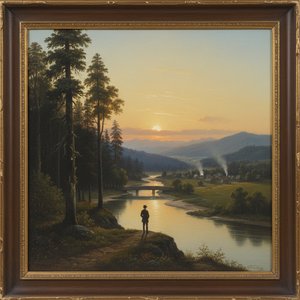
Robert Spencer: Luminism, Narrative & the American Landscape Tradition
Explore the captivating world of Luminism & the Hudson River School with our expert analysis. Discover the history, artists, and enduring beauty of 19th-century American landscape painting. Find museum-quality reproductions at ArtsDot.
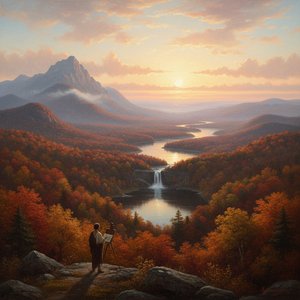
The Sublime Landscape: Exploring the Hudson River School Movement
Explore the captivating world of the Hudson River School! Discover the history, artists, and defining characteristics of this iconic American art movement. Learn about Romanticism's influence & find inspiration for your collection.
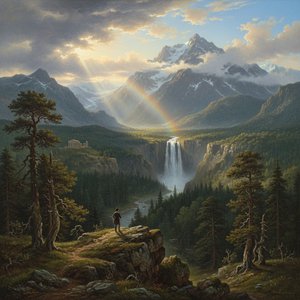
Evoking Nature's Sublime: A Comprehensive Exploration of 19th-Century Landscape Painting
Explore the captivating world of 19th-century landscape painting! Discover renowned artists like Friedrich & Monet, key movements, and find the perfect artwork to bring nature's serenity into your home. Expert insights at ArtsDot.
Sanford Robinson Gifford: Luminism & the American Landscape Tradition
Explore the serene landscapes of Sanford Robinson Gifford, a leading Luminist painter of the Hudson River School. Discover his mastery of light, atmospheric effects & lasting influence on American art. Hand-painted reproductions available.

