 Pregledaj u prostoru
 Pošalji
 Podeli
 Detalji o delu

 Преузми
 Slični predmeti
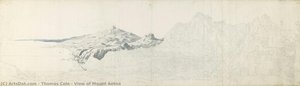
 Rendgenski snimak
 Slajdovi
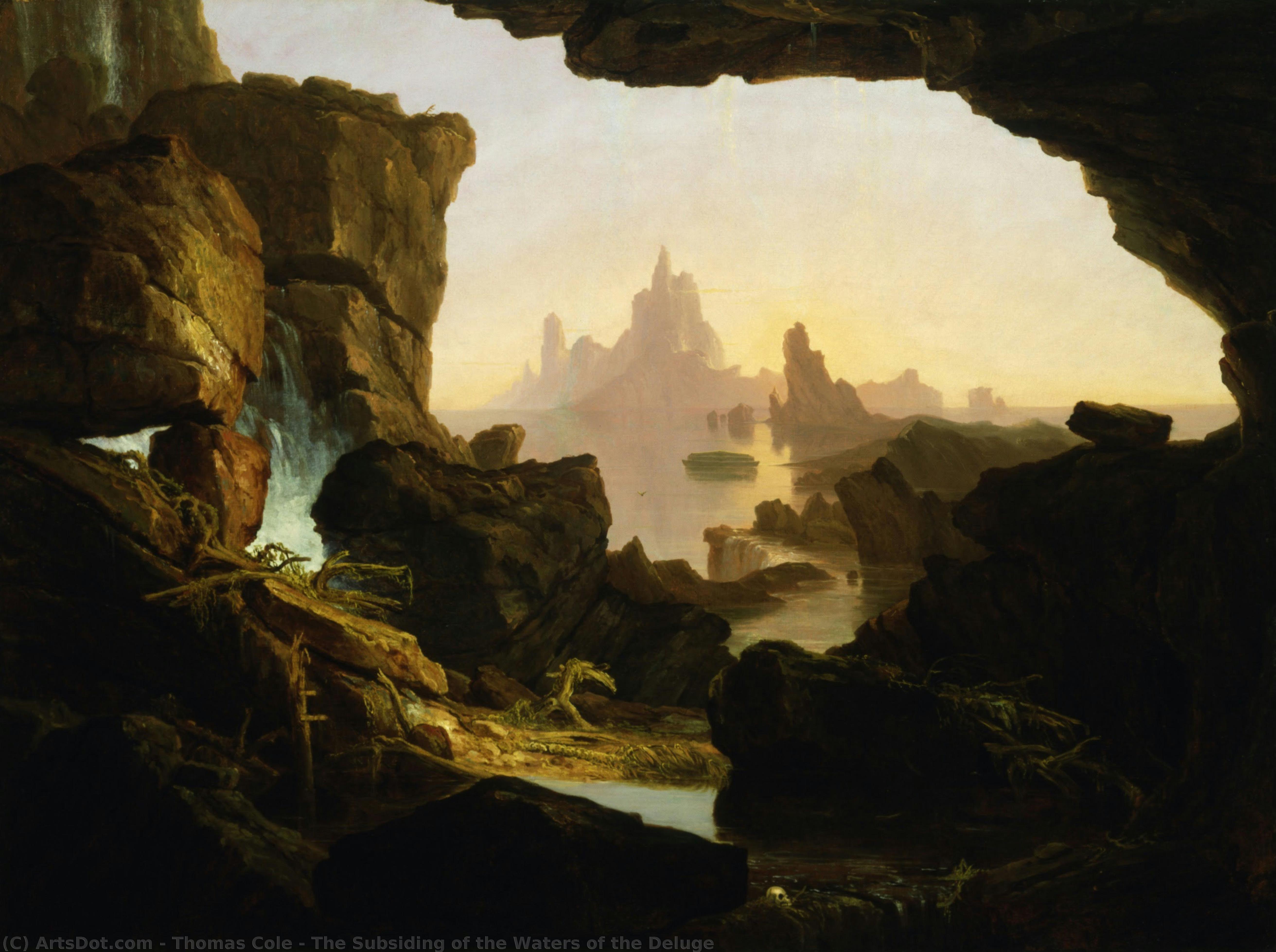
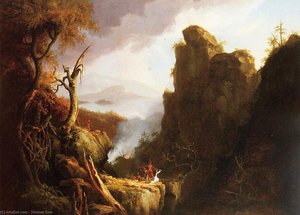
The Subsiding of the Waters of the Deluge
 Oil On Canvas
- WallArt
- Hudson River School
 1829
1829 90.0 x 121.0 cm
 Smithsonian American Art Museum
 Pročitaj više
Giclee štampa / Umetnički otisak
Giclée štampa ili print na platnu muzejskog kvaliteta uz brzu proizvodnju i fleksibilne opcije završne obrade. ( Kupi ručno naslikanu sliku Kupi digitalnu sliku)




P118B $10

P118H $10

P118W $10

P438Z $10

P508JH $12

P508YH $12

P805H $10

P805Z $10

P919BZ $10

P919G $10

P919XJ $10

P959ZH $10

P968JZ $12

W106C $8

W218G $10

W218JH $8

W218Y $10

W307PJ $10

W316G $10

W316PJ $8

W316Y $10

W398PJ $8

W4111J $10

W500HY $15

W500JH $15

W692G $12

W849H $8

W940BG $15

W953PJ $8




Izaberite jednu od naših unapred definisanih veličina koje odgovaraju originalnim proporcijama umetničkog dela.

Možete uneti sopstvene dimenzije kako biste umetničko delo prilagodili specifičnom okviru ili prostoru. Ako odabrani format ne odgovara proporcijama originalne slike, mi ćemo ili iscrtati deo dela ili proširiti sliku pomoću ogledane ivice ili jednobojnog popunjavanja. Digitalni prikaz će vam biti poslat na odobrenje pre početka proizvodnje.
Imajte na umu da pregled na ekranu ne odražava stvarno iscrtavanje ili proširivanje. Samo će prikaz (mockup) precizno pokazati finalnu kompoziciju.
Iako su prilagođene dimenzije dostupne, preporučujemo da odaberete dimenziju sa unapred definisane liste kako biste očuvali originalne proporcije.
Dostava širom sveta () za 2 nedelje umesto uobičajenih 4/5 nedelja. (2 септембар)

Besplatna ekspresna dostava širom sveta

Visokokvalitetno laneno platno

Kompletno osiguranje transporta

Garancija povraćaja carine i uvoznih dažbina

Garancija vernosti boja

Politika povrata u roku od 60 dana (samo u slučaju nedostataka)

Garancija povrata novca od 100%

Popust pri grupnoj kupovini
 Opcija sa staklom dostupna je samo za dimenzije manje od 110 cm

The Subsiding of the Waters of the Deluge
Giclee štampa / Umetnički otisak
Dimenzije reprodukcije
-


Konačna cena
$ 62
The Subsiding of the Waters – A Vision of Renewal
Thomas Cole’s “The Subsiding of the Waters of the Deluge,” painted in 1829, is more than just a depiction of a post-flood landscape; it's a profound allegory for America’s nascent identity and a testament to the power of nature. This monumental canvas, measuring 90 x 121 cm, resides within the Smithsonian American Art Museum, inviting viewers into a scene both dramatically violent and ultimately serene. Cole, a pivotal figure in the Hudson River School movement, masterfully blends Romanticism with an emerging sense of national purpose, creating an artwork that resonates deeply with themes of destruction, rebirth, and the promise of a new beginning.
The painting immediately commands attention with its stark contrast between light and shadow. A vast, rocky coastline dominates the foreground, scarred by the receding waters of a colossal flood – a visual echo of the biblical deluge. Towering mountains rise in the distance, shrouded in mist, hinting at the immense scale of the event and the vulnerability of humanity before nature’s force. Scattered across this ravaged landscape are remnants of destruction: splintered trees, a broken mast, and even a chilling skull—visual reminders of the devastation wrought by the flood. Yet, amidst this apparent ruin, there's an undeniable sense of hope; the receding waters reveal a nascent land, hinting at the potential for regeneration.
Romanticism and American Identity
Cole’s work is deeply rooted in the Romantic tradition, characterized by its emphasis on emotion, imagination, and the sublime power of nature. However, unlike many European Romantic painters who focused on historical or mythological narratives, Cole harnessed this style to explore themes specific to the American experience. As Cole himself envisioned it, the Great Flood represented a sweeping societal upheaval—a symbolic cleansing akin to the biblical narrative, purging away the vestiges of British tyranny and paving the way for a new era of freedom and self-determination. The painting thus becomes a potent metaphor for America’s revolutionary spirit and its aspiration to be a land of opportunity and renewal.
The inclusion of the Ark and dove floating in the distance is particularly significant. These biblical symbols reinforce the theme of salvation and rebirth, suggesting that from the chaos of destruction emerges a new world—a “New Eden,” as Cole himself described it. The composition deliberately frames the scene from within a cavernous opening, drawing the viewer into this dramatic landscape and inviting them to contemplate its profound meaning.
Technique and Detail
Cole’s mastery of oil paint is evident in the rich textures and atmospheric effects he achieves. He employs a carefully considered layering technique, building up the forms with subtle gradations of color and light. The dramatic lighting—a combination of warm highlights and cool shadows—creates a sense of depth and realism, while also conveying the emotional intensity of the scene. Notice the meticulous detail in rendering the textures of the rocks, the ripples of the water, and the debris scattered across the landscape – all contribute to the painting’s immersive quality.
The artist's use of color is equally noteworthy. The dominant palette consists of muted browns, grays, and blues, reflecting the somber mood of the aftermath. However, flashes of vibrant color—particularly in the distant sky—suggest a glimmer of hope and promise. Cole’s ability to capture both the devastation and the potential for renewal makes “The Subsiding of the Waters of the Deluge” a truly remarkable achievement.
Symbolism and Emotional Resonance
Beyond its literal depiction of a post-flood landscape, "The Subsiding of the Waters of the Deluge" is laden with symbolism. The ruined structures represent the dismantling of old hierarchies and oppressive systems, while the emerging land signifies the birth of a new nation founded on ideals of liberty and self-governance. The painting’s emotional impact is profound—evoking feelings of awe, wonder, and perhaps even melancholy at the destructive power of nature, yet ultimately offering a message of hope and resilience.
Today, this artwork continues to captivate viewers with its timeless themes and masterful execution. A high-quality reproduction allows one to appreciate Cole’s artistic vision and contemplate the enduring relevance of his allegory for America's journey toward self-discovery and renewal. It stands as a powerful reminder of the transformative potential inherent in both destruction and rebirth, making it a compelling addition to any art collection or interior space.
Srodna umetnička dela
Biografija umetnika
A Pioneer of American Landscape Painting
Thomas Cole, a name synonymous with the birth of distinctly American art, stands as a pivotal figure in 19th-century painting. Born in Bolton le Moors, Lancashire, England, in 1801, his early life offered little indication of the profound impact he would have on the artistic landscape. Emigrating to the United States with his family in 1818 and settling in Ohio, Cole’s journey was one of self-discovery and artistic awakening. Initially working as an itinerant portrait painter—a common trade at the time—he soon found himself captivated by the untamed beauty of the American wilderness. This shift wasn't merely a change in subject matter; it represented a fundamental divergence from European artistic traditions, which often prioritized historical or mythological narratives. Cole’s landscapes weren’t simply depictions of scenery; they were imbued with a spiritual and allegorical depth that resonated deeply with a nation forging its own identity. His move to Catskill, New York, in 1825 proved transformative, providing him with both inspiration and a permanent base from which to explore the surrounding Hudson River Valley—a region destined to become inextricably linked with his artistic legacy.The Hudson River School and Romantic Ideals
Cole is rightfully regarded as the founder of the Hudson River School, an art movement characterized by its romantic portrayal of the American landscape. However, labeling him solely a “landscape painter” feels inadequate. His work transcended mere representation; it was profoundly philosophical, frequently delving into themes of humanity’s relationship with nature, the passage of time, and the rise and fall of civilizations. Influenced by European Romanticism—particularly the canvases of Claude Lorrain and J.M.W. Turner—Cole adapted these sensibilities to an American context. Where European Romantics often depicted dramatic, sublime landscapes as reflections of inner turmoil, Cole’s paintings frequently conveyed a sense of optimism and divine presence within the natural world. He perceived in the vastness of the American wilderness a symbol of national potential and spiritual renewal. The Oxbow (1836), arguably his most iconic work, exemplifies this perfectly—a sweeping vista that juxtaposes the wild, untamed river valley with cultivated farmlands, representing both promise and challenge during westward expansion. This masterful composition demonstrates Cole’s meticulous attention to detail and his ability to capture the essence of a particular moment in time.Allegory and The Course of Empire
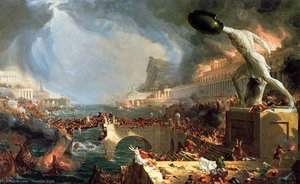
Beyond realistic landscape painting, Cole possessed an ambitious artistic vision extending into allegory—a technique designed to convey complex moral and philosophical ideas through symbolic imagery. This is powerfully articulated in his monumental series The Course of Empire, initiated between 1833 and 1836. Comprising five canvases—"Savage State," "Pastoral State," "Arcadian State," "Consummation," and “Destruction”—the series chronicles the cyclical history of civilization from its primal origins to inevitable decline. The paintings aren’t merely historical narratives; they serve as cautionary tales about unchecked ambition and the fragility of human achievement. Cole's masterful use of color, light, and composition—particularly in "Consummation"—creates a breathtaking spectacle that embodies grandeur and divine judgment. This series cemented Cole’s reputation as a visionary artist capable of addressing profound societal concerns through his art.Major Achievements and Artistic Development
Cole’s artistic development progressed steadily throughout his life, marked by experimentation with various techniques and styles. Initially focused on portraiture—a skill honed during his itinerant years—he gradually transitioned to landscape painting, establishing Catskill as his creative home and cultivating a distinctive visual language rooted in Romantic ideals. His early works demonstrate an acute sensitivity to tonal variation and atmospheric perspective—elements he skillfully employed to convey the grandeur and sublimity of nature. As Cole matured, he embraced bolder brushstrokes and more expressive color palettes, reflecting his deepening engagement with philosophical concepts. He meticulously studied geological formations and botanical specimens, incorporating scientific observation into his artistic practice—a testament to his intellectual curiosity and commitment to accuracy.Legacy and Enduring Influence
Thomas Cole’s untimely death in 1848 at the age of 47 curtailed his prolific creative output but solidified his place as a cornerstone of American art history. He directly mentored Frederic Edwin Church, who would become one of the foremost figures of the second generation of Hudson River School painters—carrying forward Cole's legacy of Romantic idealism and artistic innovation. Cole’s unwavering belief in observation from nature combined with profound philosophical reflection continues to inspire artists, scholars, and naturalists alike, ensuring that his contribution to American culture will endure for generations to come. His paintings remain treasured masterpieces, prompting viewers to contemplate their own connection to the natural world and grappling with enduring questions about humanity's role within it. Cole’s influence extends beyond painting; he championed a broader aesthetic sensibility—one prioritizing beauty, truth, and spiritual contemplation—a vision that resonates powerfully even today.- Cole’s works are prominently displayed in museums across the United States, including the New-York Historical Society, the National Gallery of Art in Washington D.C., and the Smithsonian American Art Museum
- His paintings continue to captivate audiences with their evocative depictions of American wilderness and their profound exploration of philosophical themes
- The Thomas Cole National Historic Site in Catskill, NY, preserves his home and studio—providing visitors a unique opportunity to experience the life and artistic process of this influential artist
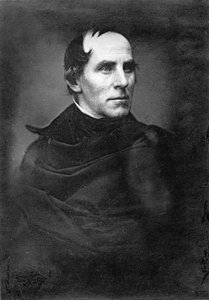
Томас Коле
1801 - 1848 , Ujedinjeno Kraljevstvo
Osnovne informacije
- Artistic Movement Or Style: Hudisonjska škola
- Artists Or Movements Influenced By This Artist: ['Frederic Edwin Church']
- Date Of Birth: Feb 1, 1801
- Date Of Death: Feb 11, 1848
- Full Name: Thomas Cole
- Nationality: Američki
- Notable Artworks:
- Putovanje života
- Oksbow
- Kraj Velike države
- Place Of Birth: Bolton, UK
Povezani članci
Top 10 Remek Dela Koja Su Definisala Hudson River School: Majstorski Priori Za Vaš Dom
Otkrijte 10 remek dela koja su definisala Hudson River School! Uronite u priče o Thomas Cole-u, Frederic Church-u i veličanstvenim pejzažima Amerike. Inspiracija za vaš dom – vrhunske reprodukcije na ArtsDot.com!
The Sublime Landscape: Exploring the Hudson River School Movement
Explore the captivating world of the Hudson River School! Discover the history, artists, and defining characteristics of this iconic American art movement. Learn about Romanticism's influence & find inspiration for your collection.

Robert Spencer: Luminism, Narrative & the American Landscape Tradition
Explore the captivating world of Luminism & the Hudson River School with our expert analysis. Discover the history, artists, and enduring beauty of 19th-century American landscape painting. Find museum-quality reproductions at ArtsDot.
Thomas Worthington Whittredge: Capturing the American Pastoral Ideal with Luminist Light
Explore the luminous landscapes of Thomas Worthington Whittredge, a key figure in the Hudson River School and master of Luminism. Discover his captivating paintings & legacy with ArtsDot.
David Johnson: A Luminist Master of the Hudson River School & Beyond
Explore the captivating landscapes of David Johnson, a key figure in the Hudson River School & Luminism movement. Discover his artistic evolution, legacy, and how to collect his works with ArtsDot.