

 Pregledaj u prostoru
 Pošalji
 Podeli
 Detalji o delu

 Преузми
 Slični predmeti
 Rendgenski snimak
 Slajdovi
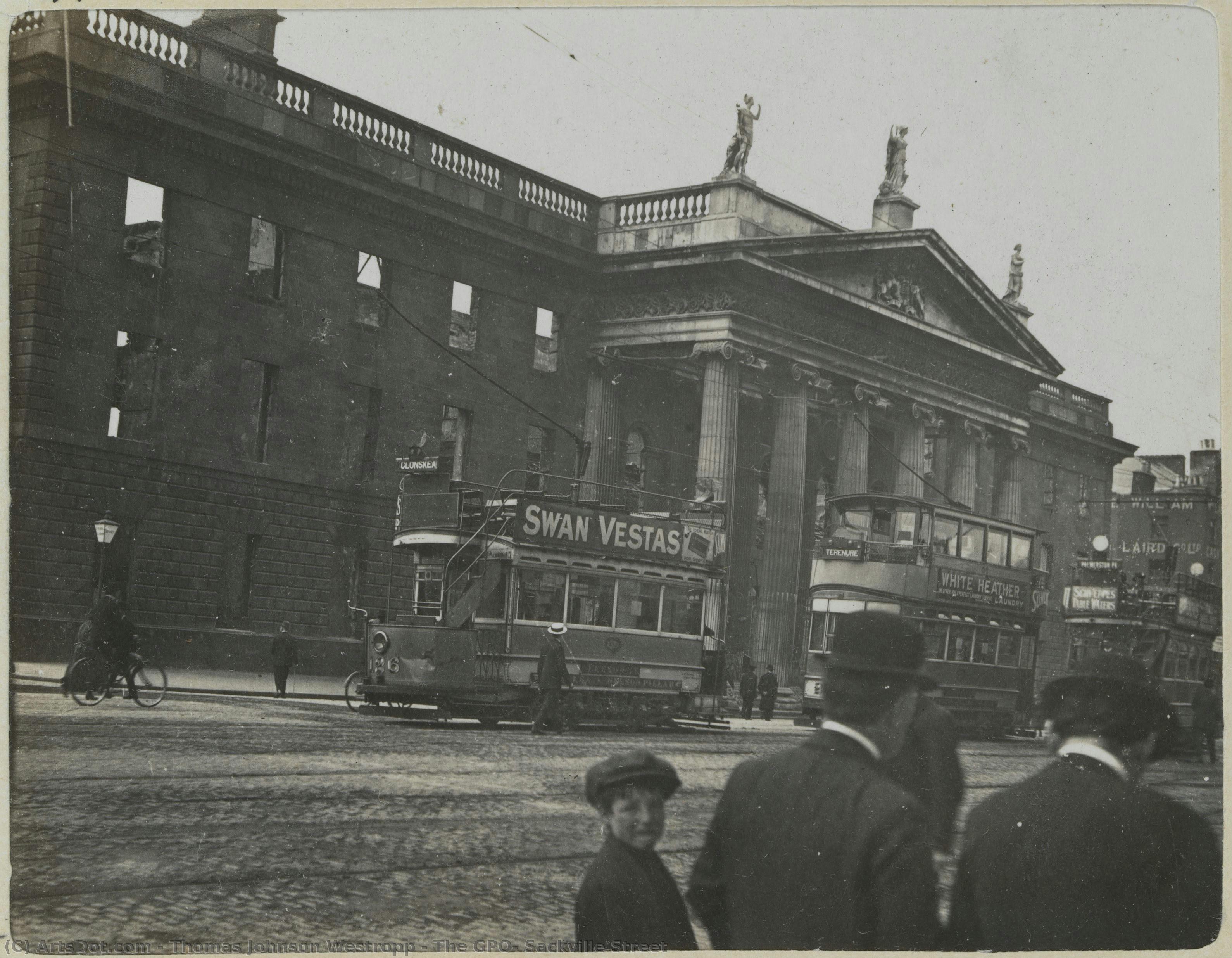
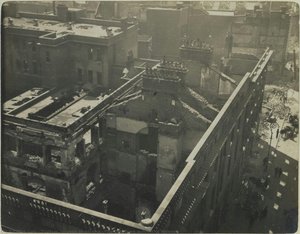
The GPO, Sackville Street


 Pročitaj više
Ručno rađena uljana reprodukcija
Ručno oslikano uljanim bojama na platnu u dimenzijama i okviru po vašem izboru, izrađeno po porudžbini od strane naših umetnika. ( Kupi print Kupi digitalnu sliku)




P118B $10

P118H $10

P118W $10

P438Z $10

P508JH $12

P508YH $12

P805H $10

P805Z $10

P919BZ $10

P919G $10

P919XJ $10

P959ZH $10

P968JZ $12

W106C $8

W218G $10

W218JH $8

W218Y $10

W307PJ $10

W316G $10

W316PJ $8

W316Y $10

W398PJ $8

W4111J $10

W500HY $15

W500JH $15

W692G $12

W849H $8

W940BG $15

W953PJ $8




Izaberite jednu od naših unapred definisanih veličina koje odgovaraju originalnim proporcijama umetničkog dela.

Можете унети сопствене димензије како бисте прилагодили дело одређеном оквиру или простору. Ако одабрана величина не одговара пропорцијама оригинала, слика ће бити исечена или проширена додатним елементима који се ручно насликавају. Дигитални prikaz ће вам бити послат на одобрење пре почетка производње.
Имајте на уму да преглед на екрану не одражава стварно исецање или проширење. Само приказ (mockup) ће тачно приказати коначну композицију.
Иако су доступне прилагођене величине, препоручујемо да одаберете димензију из дефинисане листе како бисте сачували оригиналне пропорције.
Nakon narudžbine, tim ArtsDot.com će klijentu putem e-pošte poslati uputstva i dostaviti prikaz predloženog rešenja
Isporuka širom sveta () za 3/4 nedelje umesto uobičajenih 5 nedelja. (20 август). Bez kompromisa po pitanju kvaliteta.

Besplatna ekspresna dostava širom sveta

Visokokvalitetno laneno platno

Kompletno osiguranje transporta

Garancija povraćaja carine i uvoznih dažbina

Garancija vernosti boja

Politika povrata u roku od 60 dana (samo u slučaju nedostataka)

Garancija povrata novca od 100%

Popust pri grupnoj kupovini
 Opcija sa staklom dostupna je samo za dimenzije manje od 110 cm

The GPO, Sackville Street
Tehnika reprodukcije
Dimenzije reprodukcije
-


Konačna cena
$ 363
Opis umetničkog dela
A Snapshot of Dublin’s Resilience: Thomas Johnson Westropp's “The GPO, Sackville Street”
Thomas Johnson Westropp’s evocative black and white photograph, "The GPO, Sackville Street," isn’t merely a depiction of a street scene; it’s a poignant window into a pivotal moment in Irish history – the aftermath of the 1916 Easter Rising. Captured just weeks after the rebellion that shook the foundations of British rule, this image transcends its documentary origins to become a powerful testament to resilience and the enduring spirit of a city grappling with profound change. Westropp, an antiquarian, surveyor, and keen observer of Irish life, meticulously documented the destruction wrought upon Dublin’s heart, transforming what could have been a bleak record of devastation into a surprisingly hopeful portrait of recovery.
The photograph centers around the iconic General Post Office building on Sackville Street (now O'Connell Street), rendered in stark detail against a backdrop of rubble and shattered facades. A double-decker bus, a symbol of burgeoning modernity, navigates the debris-strewn street, its presence suggesting an attempt to restore normalcy amidst chaos. Scattered figures – civilians going about their daily routines – offer glimpses into the lives continuing despite the recent upheaval. The composition is deliberately straightforward, prioritizing clarity and immediacy, as if Westropp sought to capture a truthful representation of the scene before him. The careful framing draws the viewer’s eye directly to the GPO, emphasizing its damaged state while simultaneously highlighting the quiet determination of those who remained.
Technical Mastery and Photographic Process
Westropp's skill as a photographer is evident in the meticulous detail achieved within the monochrome palette. The tonal range, from deep blacks representing the shadows cast by the destruction to bright whites illuminating the remaining structures, creates a dramatic contrast that heightens the visual impact. The photograph’s grainy texture, characteristic of silver gelatin prints on photographic paper, lends it an authentic quality, reminiscent of a historical record. The use of a large-format camera – a technique favored by Westropp – allowed for exceptional sharpness and detail, crucial for capturing the intricate textures of the buildings and the faces of the people within the scene. The diffused lighting suggests an overcast day, contributing to the photograph’s somber yet resolute mood.
A Historical Echo: The 1916 Rising and its Legacy
“The GPO, Sackville Street” is inextricably linked to the events of Easter Week 1916. The building itself served as a key headquarters for the rebel forces, becoming the focal point of intense fighting with British troops. Westropp’s decision to document the aftermath speaks volumes about his commitment to preserving this crucial period in Irish history. The photograph offers a rare and intimate glimpse into the immediate consequences of the rebellion – the widespread destruction, the disruption of daily life, and the palpable sense of uncertainty that permeated Dublin. It's important to note that Westropp’s work was not simply a record of damage; it also captured the spirit of a city attempting to rebuild itself amidst profound loss.
Symbolism of Hope Amidst Ruin
Despite the overwhelming evidence of destruction, “The GPO, Sackville Street” subtly conveys a message of hope. The presence of the bus, representing progress and modernization, suggests an aspiration for a brighter future. The continued activity of the people – their attempts to navigate the ruined streets – symbolizes resilience and determination. Westropp’s choice to focus on these elements transforms what could have been a purely mournful depiction into one that celebrates the enduring spirit of Dubliners. The photograph serves as a reminder that even in the face of adversity, life continues, and the desire for progress persists.
Reproductions and Artistic Interpretation
Today, reproductions of “The GPO, Sackville Street” offer a powerful connection to this pivotal moment in Irish history. When viewed closely, the photograph’s subtle details – the expressions on the faces of the pedestrians, the textures of the damaged buildings – invite contemplation and reflection. The image's stark monochrome palette lends itself beautifully to interior design, providing a sophisticated and historically resonant element to any space. Whether displayed as a fine art print or incorporated into a larger collection, Westropp’s photograph remains a compelling testament to the resilience of Dublin and a poignant reminder of the enduring power of photography to capture history in all its complexity.
Srodna umetnička dela
![Wheat Field With Rising Sun [1889] — Vincent Van Gog, Post-impressionism](/media/artworks/images/thumbnails/4e/b7/4eb78d0852474b23b1a57fdd8bb7f333.jpg)
Biografija umetnika
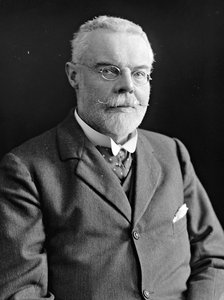
Thomas Johnson Westropp: Life and Legacy
Early Life and Education
Thomas Johnson Westropp was born on August 16, 1860, at Attyflin Park, Patrickswell, County Limerick, Ireland. His ancestors were landowners of English origin who had resided in the area since the mid-16th century. From a young age, Westropp displayed a keen interest in antiquities, meticulously documenting topography, ancient buildings, and folk life during family trips throughout neighboring counties.
He pursued higher education at Trinity College Dublin, earning an MA in 1882. He furthered his studies with a degree in civil engineering in 1885, subsequently apprenticing under Bindon Blood Stoney, who was overseeing the expansion and dredging of the Dublin port entrance.
Career Shift and Archaeological Pursuits
Despite his initial training as an engineer, Westropp soon abandoned professional practice to dedicate himself fully to archaeological research. He became assistant surveyor for County Meath briefly but quickly prioritized his passion for uncovering Ireland’s past. For the remainder of his life, he focused on researching antiquities along the western seaboard of Ireland.
Artistic Work and Documentation
Westropp is renowned for his incredibly detailed sketches of buildings, grave slabs, and other archaeological remains found throughout Ireland. These drawings are not merely artistic representations; they serve as invaluable historical records. Many of these sketches are now preserved by the Royal Irish Academy.
His work extended beyond visual documentation to include the collection of folklore and local traditions, providing a rich tapestry of cultural insights into 19th and early 20th-century Ireland.
Influences and Artistic Development
Westropp’s initial engineering training likely influenced his meticulous approach to documentation and precise rendering of architectural details. His mentor, Bindon Blood Stoney, a prominent engineer involved in significant infrastructural projects, instilled a sense of technical precision. However, it was his innate curiosity and passion for Irish history that truly shaped his artistic development.
His work can be seen as part of a broader movement of antiquarianism prevalent during the Victorian era, where there was growing interest in preserving and understanding historical artifacts and traditions.
Major Achievements and Historical Significance
- Extensive Archaeological Documentation: Westropp created an unparalleled visual record of Irish archaeological sites.
- Folklore Collection: His gathering of folklore provided valuable insights into Irish cultural heritage.
- Influence on the Irish Folklore Commission: His work significantly informed and influenced the establishment and early activities of the Irish Folklore Commission.
Legacy
Thomas Johnson Westropp died in 1922, leaving behind a substantial body of work that continues to be studied by historians, archaeologists, and folklorists today. His detailed sketches and meticulous notes remain essential resources for understanding Ireland’s rich past. He is remembered as a dedicated scholar who played a crucial role in preserving Irish cultural heritage.
His publications are widely accessible in libraries throughout the west of Ireland, ensuring his contributions continue to inspire future generations.
Thomas Johnson Westropp
1860 - 1922 , Ireland
Osnovne informacije
- Birth Date: 1860-08-16
- Birth Place: Attyflin Park, Patrickswell, County Limerick, Ireland
- Death Date: 1922
- Influenced: Irish Folklore Commission
- Influenced By: Bindon Blood Stoney
- Movement: Antiquarianism, Archaeology, Folklore Studies
- Name: Thomas Johnson Westropp
- Nationality: Irish
- Notable Works: The GPO from summit of Nelson, The GPO Sackville Street, Eden Quay (sketches and documentation of Irish monuments)
Povezani članci

Monochrome Visions: Exploring the Aesthetic & Historical Significance of Black & White Photography
Explore the rich history & artistic power of black and white photography. From early techniques to iconic masters like Ansel Adams, discover why monochrome continues to captivate art lovers today. Expert insights for collectors.

Beyond the Lens: Photography's Enduring Influence on Modern & Contemporary Art
Explore photography's pivotal role in shaping modern & contemporary art. Discover key movements, influential artists like Stieglitz, and expert collecting advice from ArtsDot.

Dark Masterpieces: 10 Iconic Paintings Dominated by Black Tones |
Explore 10 iconic paintings dominated by black tones, from Rembrandt’s chiaroscuro to Goya's dark expressions. Discover the stories behind these masterpieces & find museum-quality art reproductions for your home at .

Pictorialism: A Search for Artistic Photography's Soul – Aesthetics, Techniques & Legacy
Explore the captivating world of Pictorialism – a pivotal movement that transformed photography into fine art. Discover key artists like Stieglitz & Käsebier, techniques, and collecting tips from experts.
Witnessing History Through Lens & Light: Documentary Photography's Enduring Legacy
Explore the powerful history of documentary photography – from its origins to contemporary masters like Gordon Parks & W. Eugene Smith. Discover how this art form shapes our understanding of society and witness pivotal moments in time.

