

 Pregledaj u prostoru
 Pošalji
 Podeli
 Detalji o delu

 Преузми
 Slični predmeti
 Rendgenski snimak
 Slajdovi
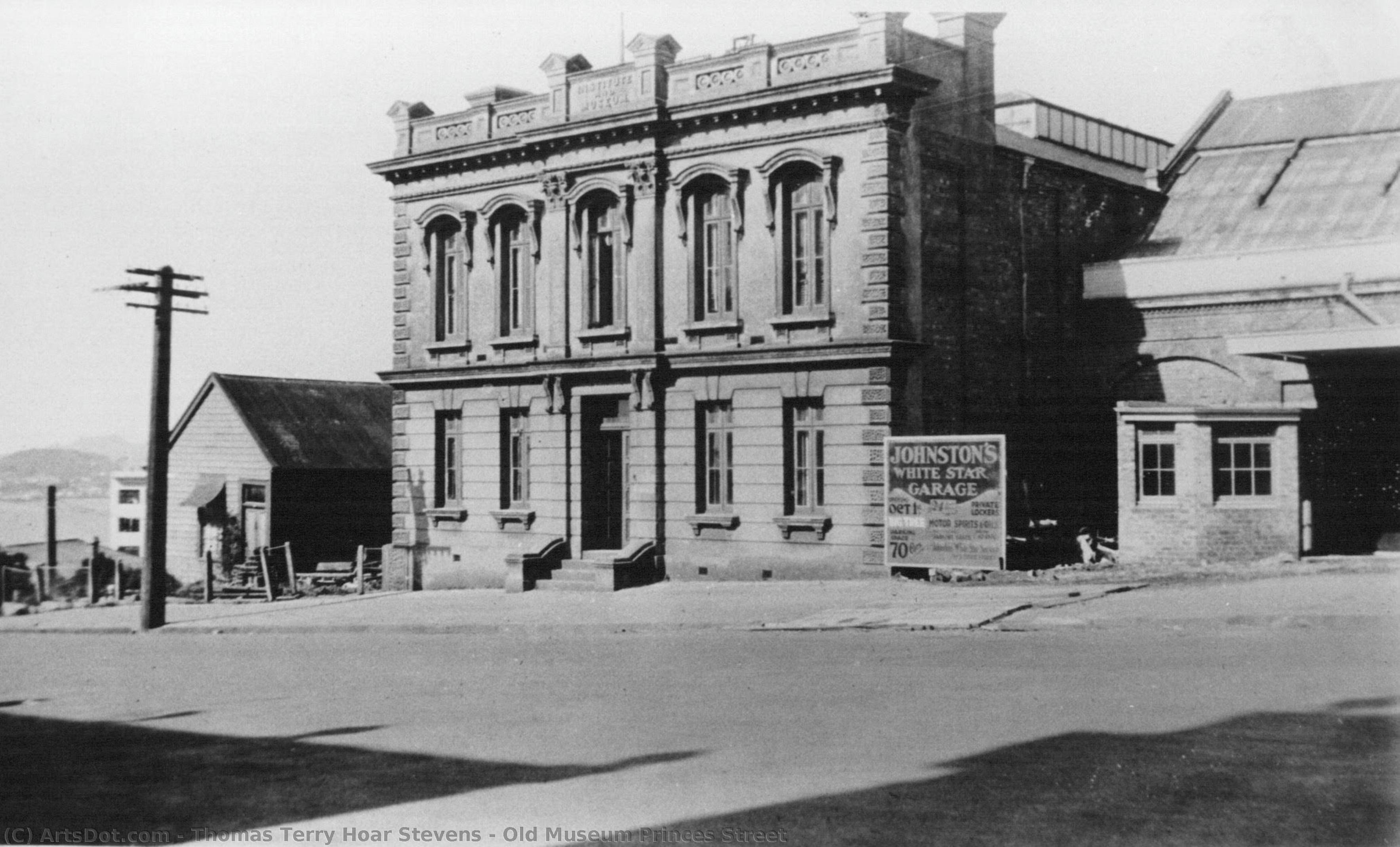
Old Museum Princes Street

 Pročitaj više
Ručno rađena uljana reprodukcija
Ručno oslikano uljanim bojama na platnu u dimenzijama i okviru po vašem izboru, izrađeno po porudžbini od strane naših umetnika. ( Kupi print Kupi digitalnu sliku)




































Izaberite jednu od naših unapred definisanih veličina koje odgovaraju originalnim proporcijama umetničkog dela.

Можете унети сопствене димензије како бисте прилагодили дело одређеном оквиру или простору. Ако одабрана величина не одговара пропорцијама оригинала, слика ће бити исечена или проширена додатним елементима који се ручно насликавају. Дигитални prikaz ће вам бити послат на одобрење пре почетка производње.
Имајте на уму да преглед на екрану не одражава стварно исецање или проширење. Само приказ (mockup) ће тачно приказати коначну композицију.
Иако су доступне прилагођене величине, препоручујемо да одаберете димензију из дефинисане листе како бисте сачували оригиналне пропорције.
Nakon narudžbine, tim ArtsDot.com će klijentu putem e-pošte poslati uputstva i dostaviti prikaz predloženog rešenja
Isporuka širom sveta () za 3/4 nedelje umesto uobičajenih 5 nedelja. (7 септембар). Bez kompromisa po pitanju kvaliteta.

Besplatna ekspresna dostava širom sveta

Visokokvalitetno laneno platno

Kompletno osiguranje transporta

Garancija povraćaja carine i uvoznih dažbina

Garancija vernosti boja

Politika povraćaja u roku od 100 dana (isključivo u slučaju nedostataka)

Garancija povrata novca od 100%

Popust pri grupnoj kupovini
 Opcija sa staklom dostupna je samo za dimenzije manje od 110 cm

Old Museum Princes Street
Tehnika reprodukcije
Dimenzije reprodukcije
-


Konačna cena
$ 263
Srodna umetnička dela





Biografija umetnika
Early Life and Education
Thomas Terry Hoar Stevens, born July 10, 1911, in Lichfield Grove, Finchley, London, England, was the fourth son of Ernest Frederick Stevens, a butcher’s business owner with aspirations for theatrical performance, and Ellen Elizabeth Stevens (née Hoar), who instilled in him a love for classical music. From his earliest years, Terry-Thomas possessed a distinctive gap between his upper front teeth—a feature he would famously cite as “the mark of distinction” throughout his life. His upbringing was marked by familial discord following his parents’ divorce, fostering a rebellious spirit and an unwavering conviction that “I Shall Not Be Cowed.” He attended Fernbank School in Hendon Lane, Finchley, where he excelled in Latin and geography—subjects which instilled in him a disciplined approach to learning—though he was expelled for disruptive behavior during drama lessons. Despite his academic shortcomings, Terry-Thomas cultivated a passion for performance, joining the Ardingly College jazz band and mastering instruments like ukulele and percussion. His theatrical inclinations foreshadowed his future career as a celebrated comedian and actor.Career Beginnings: Music Hall and Early Film Roles
Terry-Thomas’s theatrical debut occurred at the Tivoli Theatre in Hull in 1938, where he performed alongside fellow aspiring performers—Michael Wilding, Richard Greene and Stewart Granger—who would later achieve considerable fame. Recognizing his talent for vocal mimicry and physical comedy, he quickly gained recognition as a performer on the music hall circuit. His early film appearances were largely uncredited, beginning with *The Private Life of Henry VIII* (1933), where he played a minor role in a lavish production directed by Laurence Olivier. He honed his craft through numerous smaller parts—often portraying hapless characters—before serving in the British Army during World War II, gaining the rank of sergeant and performing ENSA shows alongside fellow entertainers. This experience profoundly shaped his comedic sensibilities and bolstered his public profile, establishing him as a performer with considerable charisma and stage presence. Notably, he adopted the moniker “Mot Snevets” (Tom Stevens spelled backwards) as an initial stage name—a deliberate effort to distance himself from his family’s modest social standing.Television Breakthrough and Comic Stage Routine
The arrival of television in Britain marked a pivotal moment for Terry-Thomas's career. He debuted on BBC Home Service with *To Town With Terry* (1948), quickly establishing himself as a popular radio presenter—a role he continued to excel at until 1952. His distinctive voice and impeccable comedic timing captivated audiences, propelling him into the spotlight of British broadcasting. Simultaneously, he developed an unforgettable stage routine characterized by exaggerated gestures, flamboyant costumes and masterful impersonations—particularly his uncanny ability to replicate the voices of renowned singers like Paul Robeson, Richard Tauber and Al Jolson. This multifaceted performance style cemented his reputation as a comedic innovator and solidified his position as one of Britain’s most beloved entertainers. His success on stage paved the way for his triumphant appearance at the Royal Variety Performance in 1956—a testament to his enduring appeal and artistic versatility.Film Career: Eccentric Roles and American Adventures
Terry-Thomas transitioned seamlessly into filmmaking, securing roles in a succession of films that showcased his talent for portraying eccentric characters—often embodying figures of aristocratic folly and cunning deception. His breakthrough came with *Private’s Progress* (1956), directed by Laurence Olivier, where he captivated audiences with his portrayal of a hapless officer navigating the complexities of military life. He continued to amass credits in films spanning genres from romantic comedies to thrillers—including *The Green Man* (1956), *Blue Murder at St Trinian’s* (1957), *I'm All Right Jack* (1959) and *Carlton-Browne of the F.O.* (1959)—often delivering memorable performances as flamboyant toffs and scheming aristocrats. From the early 1960s onward, Terry-Thomas embarked on an ambitious transatlantic journey, appearing in American films such as *Bachelor Flat* (1962), *It’s a Mad, Mad, Mad, Mad World* (1963) and *How to Murder Your Wife* (1965)—roles that further honed his comedic skills and broadened his international recognition. His distinctive screen persona—characterized by an unsettling blend of erudition and absurdity—became synonymous with British cinema during the Golden Age. He achieved particular acclaim for his portrayal of Sir Reginald in *La Grande Vadrouille* (1963), a film celebrating French culture and humor.Later Years and Legacy
In 1971 Terry-Thomas was diagnosed with Parkinson’s disease, which gradually curtailed his performing career. Despite the debilitating effects of the illness, he remained steadfast in his dedication to acting—accepting roles in films such as *The Innocents* (1965) and *A Gathering Storm* (1967). His final film appearance was in *Goodbye Cruel World* (1980), marking a poignant farewell to the cinematic world he had embraced with unwavering enthusiasm. He spent his remaining years impoverished, relying on charitable donations from the Actors’ Benevolent Fund—a testament to his generosity and humility. Terry-Thomas died peacefully at a nursing home in Godalming, Surrey, on January 8, 1990, aged 78. His enduring legacy as one of Britain's most distinctive comedic performers continues to inspire admiration and affection among audiences worldwide.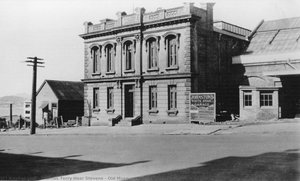
thomas terry hoar stevens
1911 - 1990 , United Kingdom
Osnovne informacije
- Artistic Movement Or Style: Character Actor
- Artists Or Movements Influenced By This Artist: ['British Film']
- Artists Who Influenced This Artist: ['Owen Nares']
- Date Of Birth: July 10 1911
- Date Of Death: January 8 1990
- Full Name: Thomas Terry Hoar Stevens
- Nationality: British
- Notable Artworks:
- Private's Progress
- The Green Man
- Blue Murder at St Trinian’s
- I’m All Right Jack
- Carlton-Browne of the F.O.
- Place Of Birth: London, United Kingdom