

 Pregledaj u prostoru
 Pošalji
 Podeli
 Detalji o delu

 Преузми
 Slični predmeti
 Rendgenski snimak
 Slajdovi
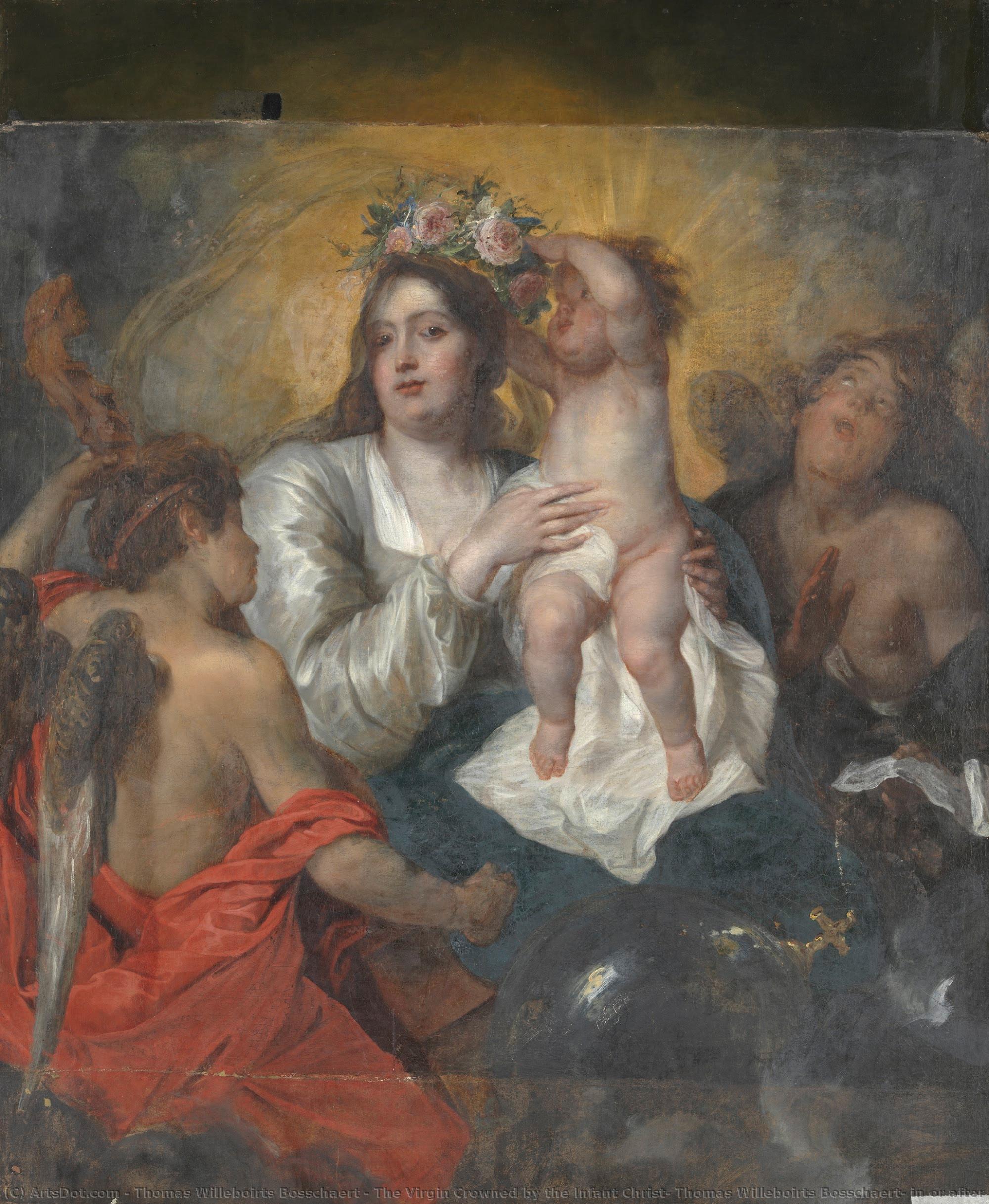
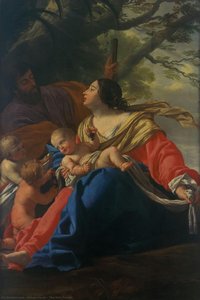
The Virgin Crowned by the Infant Christ, Thomas Willeboirts Bosschaert, in or after c. 1646
 1646
1646 138.0 x 113.0 cm
 Pročitaj više
Kupite digitalnu sliku visoke rezolucije i poboljšanog kvaliteta, koja je znatno superiornija od onoga što vidite u online prikazu.
Svaka datoteka je pedantno pripremljena od strane naših stručnjaka koristeći napredne alate i profesionalnu ručnu retušu. Osiguravamo da svaka slika ima izuzetnu oštrinu, preciznu reprodukciju boja i fine detalje.
Konačna datoteka se dostavlja putem e-pošte u roku od 72 sata, optimizovana za neposrednu upotrebu u profesionalnim, izdavačkim i štamparskim okruženjima. To je isti kvalitet kojem veruju vrhunski studiji dizajna, izdavači i galerije.
Digitalna slika
Preuzmite datoteku visoke rezolucije za ličnu upotrebu, štampanje i kreativne projekte. ( Kupi print Kupi ručno naslikanu sliku)
Uključeno uz svaku porudžbinu digitalne slike
Profesionalna digitalna isporuka, zagarantovana
Kada odaberete ArtsDot.com, ne dobijate samo sliku – vi primate profesionalno unapređeno digitalno umetničko delo, izrađeno sa najvećom preciznošću i uz garanciju zadovoljstva. Evo svega što automatski dolazi uz vašu porudžbinu:

Brza dostava putem e-pošte
Vaša digitalna slika visoke rezolucije biće vam poslata putem e-pošte u roku od 72 sata od poručivanja – spremna za trenutnu upotrebu.

Digitalna datoteka unapređena veštačkom inteligencijom
Vaše umetničko delo je profesionalno optimizovano korišćenjem naprednih AI alata i ručne obrade, čime se osiguravaju maksimalni detalji, oštrina i preciznost boja.

Besplatna ponovna isporuka doživotno
Slučajno ste obrisali ili izgubili svoju datoteku? Ne brinite – poslaćemo vam je ponovo u bilo kom trenutku, potpuno besplatno.

Bez troškova uvoza – zauvek
Uživajte u svojim umetničkim delima trenutno, bez carine, dažbina ili troškova dostave – digitalni download je uvek bez poreza.

Garancija vernosti boja
Uz pomoć profesionalnih alata i upravljanja bojama, osiguravamo da vaša digitalna slika što vernije odražava originalne boje.

Garancija zadovoljstva u roku od 60 dana
Ako niste zadovoljni svojom digitalnom slikom, revidirat ćemo je ili vratiti 100% novca u roku od 60 dana – bez ikakvih pitanja.

100% garancija povrata novca
Niste zadovoljni? Obezbedite pun povrat novca u roku od 60 dana od trenutka kada ste primili svoju digitalnu datoteku – bez suvišnih pitanja.

Popusti na velike porudžbine
Kupite 3 slike, uštedite 10% - Kupite 5 slika, uštedite 15% - Kupite 10+ slika, uštedite 20%. Odlično za kreativne projekte, galerije i agencije.
Opis kolekcionarskog dela
Srodna umetnička dela





Biografija umetnika
early life and training
thomas willeboirts bosschaert, a prominent figure in the dutch golden age, was born in bergen op zoom in 1613. his family, of catholic origin, had relocated to this region in the late sixteenth century. in 1628, bosschaert moved to antwerp, where he entered the studio of gerard seghers for an extensive eight-year apprenticeship. this formative period laid the groundwork for his future artistic endeavors.artistic career and affiliations
in 1636 or 1637, bosschaert became a citizen of antwerp and joined the prestigious guild of st. luke, a significant milestone in his career. this affiliation not only underscored his commitment to his craft but also granted him access to a broader network of artists and patrons.notable works and style
though specific details about his works are scarce, it is evident that bosschaert's artistry was deeply influenced by the prevailing styles of his time. his paintings, characterized by intricate details and masterful use of light, reflect the dutch golden age's emphasis on realism and aesthetic appeal.museological significance and legacy
bosschaert's legacy, though not as extensively documented as some of his contemporaries, is preserved in part through the museum boijmans van beuningen rotterdam, netherlands, which houses a collection of fine and decorative arts from various periods, including the dutch golden age. [https://ArtsDot.com/@@/a@d3arrk-museum-boijmans-van-beuningen-rotterdam-netherlands](museum boijmans van beuningen rotterdam, netherlands at ArtsDot.com)conclusion
thomas willeboirts bosschaert's life and work, though shrouded in mystery, contribute to the rich tapestry of dutch art during the 17th century. his association with prominent artists and his adherence to the artistic standards of his time underscore his significance within the era.- view thomas willeboirts bosschaert's artworks at [https://ArtsDot.com/@/thomas-willeboirts-bosschaert](thomas willeboirts bosschaert | ArtsDot.com)
- explore the museum boijmans van beuningen rotterdam, netherlands collection at [https://ArtsDot.com/@@/a@d3arrk-museum-boijmans-van-beuningen-rotterdam-netherlands](museum boijmans van beuningen rotterdam, netherlands | ArtsDot.com)
- discover more about the dutch golden age and its notable artists at [https://ArtsDot.com/all-popular-artists](the greatest artists painters of all time | ArtsDot.com)
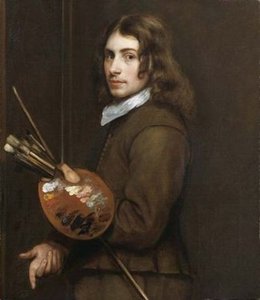
thomas willeboirts bosschaert
1613 - 1654 , Netherlands
Kratke činjenice
- Artistic Movement Or Style: Dutch Golden Age, Baroque painting
- Artists Or Movements Influenced By This Artist: Van Dyck
- Artists Who Influenced This Artist: Gerard Seghers
- Date Of Birth: 1613
- Full Name: Thomas Willeboirts Bosschaert
- Nationality: Flemish
- Notable Artworks: ['Venus Arming a Warrior']
- Place Of Birth: Breda, Netherlands

